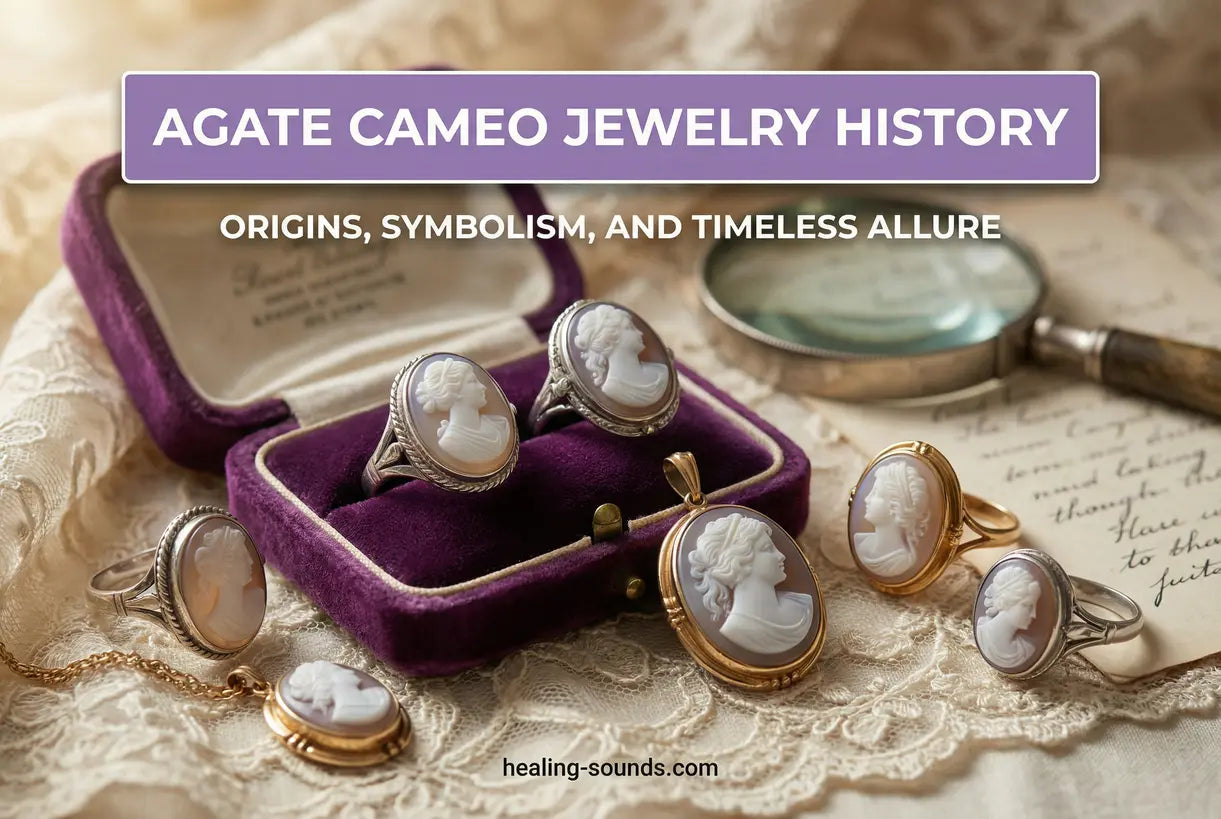
For centuries, the allure of agate cameo jewelry has captivated collectors, historians, and fashion enthusiasts alike. Imagine holding a piece of history in your hand—a delicate silhouette carved into hard stone, surviving empires and eras to rest upon your finger or neckline. Unlike molded glass or shell, an agate cameo represents the pinnacle of the lapidary arts, requiring immense skill to reveal contrasting layers of color within a single gemstone.
In this exploration of agate cameo history, we delve into the origins of these miniature masterpieces, from the courts of ancient Rome to the sentimental jewelry boxes of the Victorian era. Whether you are a seasoned collector of vintage agate cameo pieces or simply admiring the craftsmanship of an agate ring, understanding the legacy behind the stone adds a profound layer of appreciation to its beauty.
What is an Agate Cameo?
An agate cameo is a type of hardstone carving where an image is created in relief, standing out above the background. The term "cameo" refers specifically to this raised relief technique, which is the opposite of an intaglio, where the design is incised into the stone. Agate, a variety of chalcedony, is particularly prized for this art form due to its natural, parallel layers of different colors.
Master carvers utilize these natural bands to create striking visual contrast. By carving away the top layer of the stone (often white or light-colored) to reveal a darker layer beneath (such as black, blue, or sardonyx red), the artist creates a portrait or scene that appears to float against a colored background. This technique requires not only artistic vision but also the technical skill to work with a stone that is significantly harder than the shell often used in later, less expensive cameos.

The Historical Journey of Agate Cameo Jewelry
The history of agate cameo jewelry is a timeline of artistic resurgence. While the art form dates back to ancient times, its popularity has waxed and waned, often signaling a cultural return to classical ideals.
Ancient Roots and Classical Perfection
The tradition of hardstone carving flourished in ancient Greece and Rome. Wealthy Romans adorned themselves with agate cameo rings and pendants depicting gods, mythological scenes, and emperors. These pieces were not merely decorative; they were symbols of status, power, and allegiance. The durability of agate meant that these intricate carvings could survive for millennia, allowing us to see the faces of antiquity today.
The Renaissance and Victorian Revivals
After the fall of Rome, the art of the cameo declined until the Renaissance, when the Medici family in Italy became avid patrons of the arts, sparking a renewed interest in classical engraving. However, the true "golden age" for the everyday collector arrived during the Victorian era.
Queen Victoria was a profound influencer of jewelry trends. Her love for cameos popularized them across Europe and America. During this period, agate cameo jewelry became a staple of sentimental fashion. Travelers on the "Grand Tour" of Europe would often purchase cameos in Italy as souvenirs. While shell cameos became common due to their lower cost and ease of carving, hardstone agate cameos remained the choice for high-end luxury, valued for their crisp details and permanence.
The Art of Carving: Agate vs. Shell
Understanding the difference between agate (hardstone) and shell is crucial for any collector. Agate is a cryptocrystalline variety of silica, measuring about 6.5 to 7 on the Mohs scale of hardness. Carving it requires diamond-tipped tools and a rotary lathe, a technique that has remained largely unchanged since antiquity.
Because of the difficulty in working with the material, agate jewelry featuring cameos often commands a higher price than shell. The lines in a hardstone cameo are typically crisper, and the finish is more polished, often exhibiting a waxy or vitreous luster that soft materials cannot achieve.



Symbolism and Value in Agate Jewelry
The value of an agate cameo is determined by several factors: the skill of the carving, the condition of the stone, the beauty of the color layering, and the subject matter. While profiles of anonymous women are common, scenes depicting mythological figures like Hercules, Athena, or the Three Graces are highly sought after by collectors.
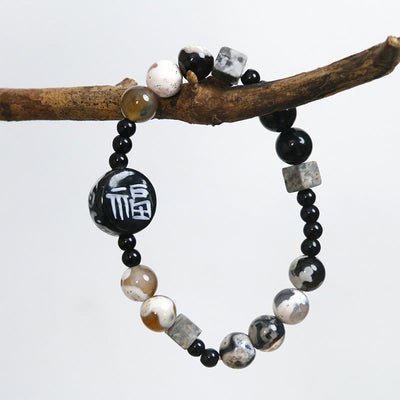
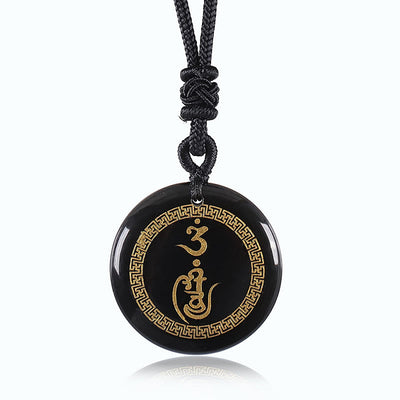
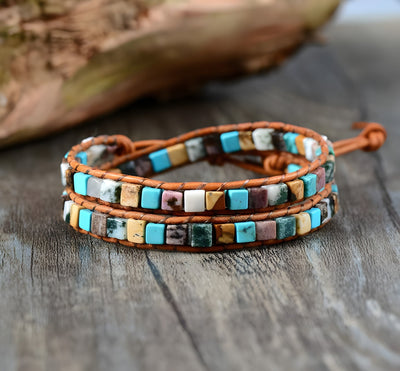
Historically, wearing an agate cameo ring or pendant was believed to attract health and good fortune. Agate itself is a grounding stone, thought to bring emotional, physical, and intellectual balance. This combination of artistic beauty and metaphysical properties keeps the stone relevant in modern jewelry design.
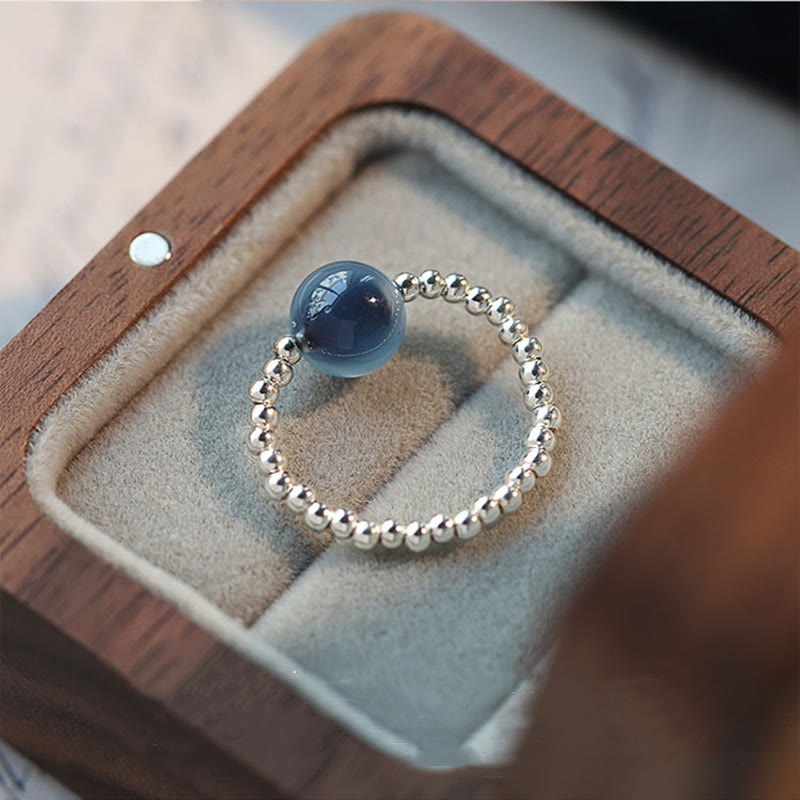
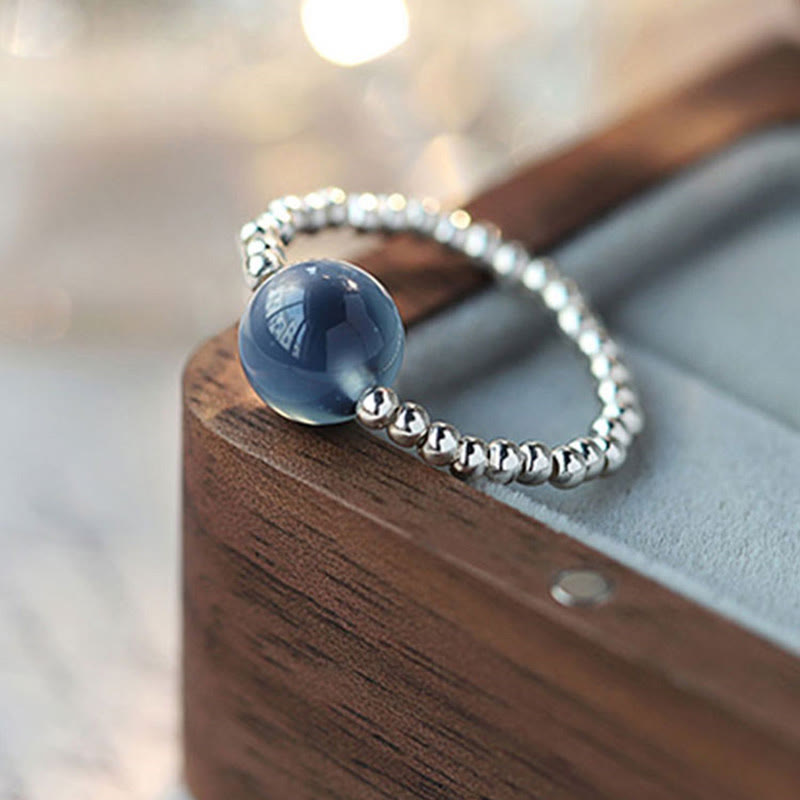
For those looking to incorporate the stabilizing energy of agate into their lives without the antique price tag, modern artisans continue to craft stunning pieces. For example, the translucent beauty of blue agate can offer a contemporary twist on this historical material.

Bague en agate bleue bonbon de 8 mm - Argent sterling
$24.90 $35.90
Experience the timeless charm of agate cameo history with this elegant blue agate ring in sterling silver.
Explore ProductHow to Identify Authentic Agate Cameos
As with any valuable collectible, the market has seen its share of imitations. Identifying a genuine agate cameo involves inspecting the stone's physical properties. Here are a few tips for the aspiring collector:
- Check the Layers: Real hardstone cameos are carved from a single piece of stone with natural layers. If you look at the side of the cameo, you should see the color bands running through the stone. In glued counterfeits (assembled cameos), you might see a separation line between the white relief and the dark background.
- Transparency: Many agates are translucent. If you hold the cameo up to a strong light, you may see some light passing through the background layer, whereas plastic or resin is often opaque or uniformly colored.
- Carving Marks: Under a magnifying loupe, a hand-carved agate cameo may show slight tool marks or irregularities that indicate human craftsmanship, unlike the perfect uniformity of a molded glass piece.
For authoritative guidance on gemstone identification, institutions like the Gemological Institute of America (GIA) provide extensive resources on gem properties and treatments.
Caring for Your Collection
Whether you own a museum-quality antique or a modern agate ring, proper care ensures your jewelry lasts a lifetime. Agate is durable, but it can still chip if struck hard. Clean your cameos gently with warm, soapy water and a soft brush. Avoid ultrasonic cleaners, which can sometimes damage the layers of the stone or the setting. Store your cameo jewelry separately in a velvet-lined box to prevent it from scratching softer gemstones in your collection.

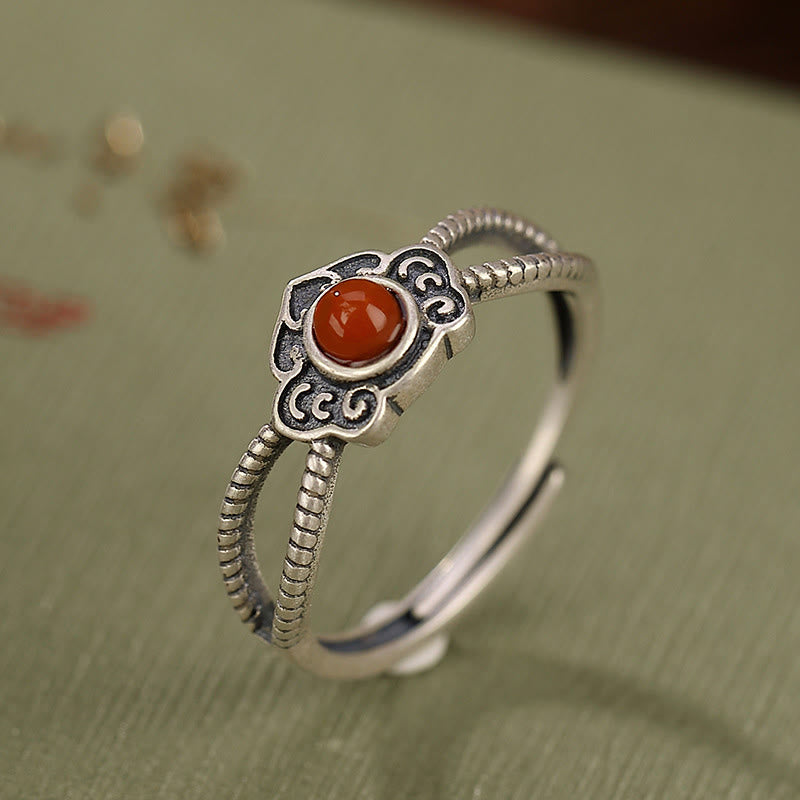
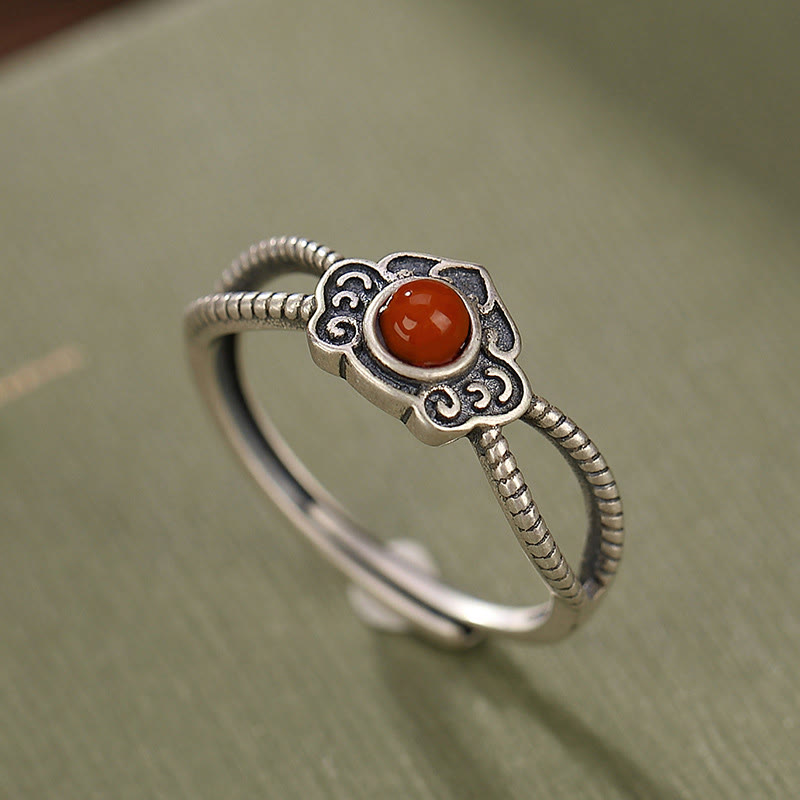
Modern interpretations of agate jewelry continue to honor this rich history. Designers today use the same striking red and banded agates to create pieces that symbolize balance, logic, and harmony, bridging the gap between Victorian sentimentality and modern mindfulness.
Modern Agate Jewelry Selections

Celebrate agate cameo artistry and symbolism with this classic red agate ring that honors vintage jewelry traditions. Learn more ➔

Echo the balanced beauty of historical agate cameos with this symbolic agate ring for harmony and style. Learn more ➔
Conclusion
The history of agate cameo jewelry is a testament to human creativity and the enduring beauty of natural stone. From the emperors of Rome to the jewelry boxes of the modern woman, these pieces serve as miniature bridges to the past. Whether you are hunting for a rare antique or choosing a contemporary agate ring for its spiritual properties, you are participating in a tradition that spans thousands of years. We invite you to explore our collection and find a piece of history that speaks to your unique style.
Frequently Asked Questions about Agate Cameo Jewelry History
An agate cameo is a relief carving created from agate, a type of chalcedony. The artist carves an image into the upper layers of the stone, usually allowing a darker underlying layer to serve as the background, utilizing the stone's natural color banding.
Yes, cameo jewelry can be quite valuable. Factors influencing value include the material (hardstone agate is generally more valuable than shell), the intricacy of the carving, the age of the piece, the setting (gold or silver), and the condition of the stone.
Agate itself is generally affordable and abundant. However, the value in agate cameos comes from the artistry and labor required to carve the hard stone, rather than the raw material cost. Antique or finely carved agate pieces can command high prices.
Real agate cameos feel cold to the touch and often show natural color banding when viewed from the side. Fakes made of resin or plastic will feel room temperature and may show mold lines. A "hot needle test" is sometimes used, as a hot needle will melt plastic but not stone.
The history of agate cameos dates back to ancient Greece and Rome, where they were status symbols. The art form saw major revivals during the Renaissance and the Victorian era, particularly championed by Queen Victoria, making them timeless pieces of historical fashion.