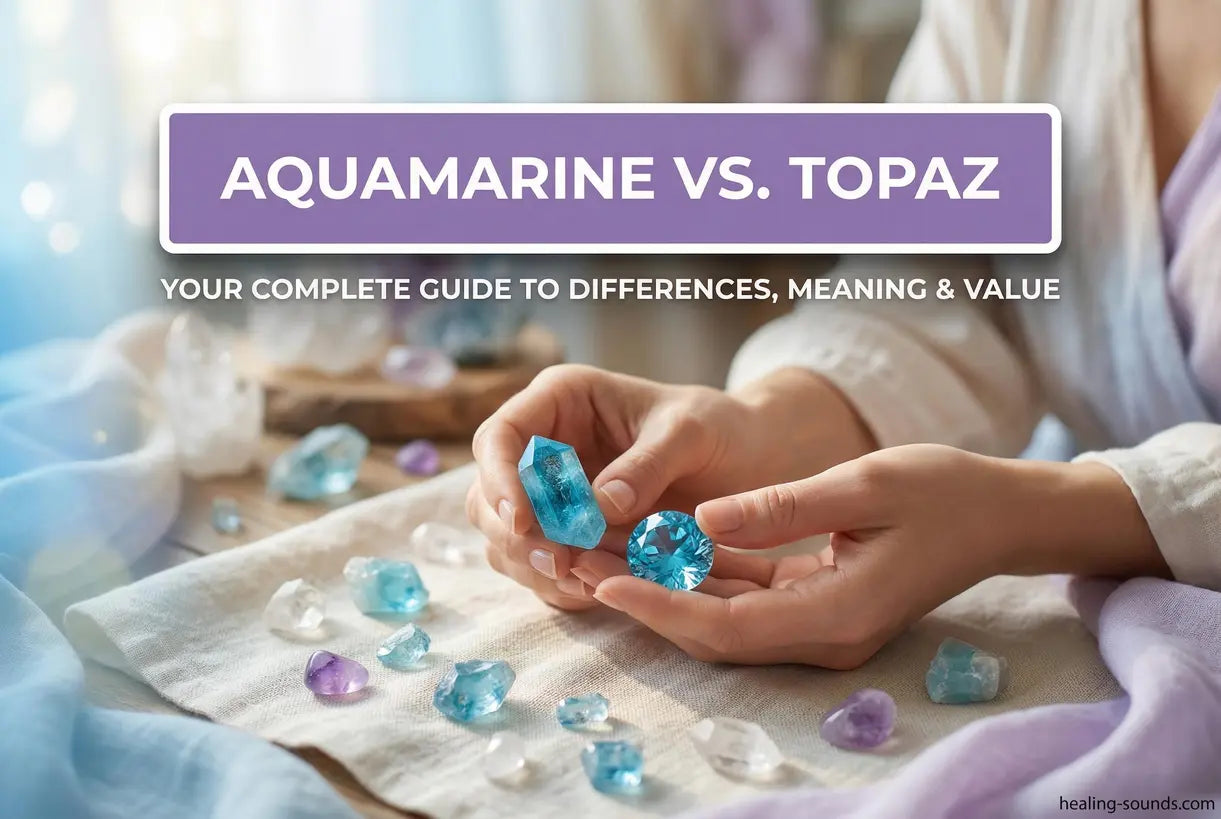
When searching for the perfect blue gemstone, many jewelry enthusiasts and spiritual seekers find themselves torn between two stunning options. The comparison of aquamarine topaz often arises because these two stones can share a remarkably similar appearance, yet they are fundamentally different in chemical composition, value, and energetic vibration.
Whether you are drawn to the soothing, sea-blue hues of aquamarine or the electric, vibrant clarity of blue topaz, understanding the nuances between them is essential. This guide explores the aquamarine vs topaz debate, breaking down their mineral properties, spiritual meanings, and pricing to help you make an informed choice that aligns with your aesthetic style and energetic needs.
Aquamarine and Topaz: The Fundamental Differences
At first glance, a pale blue topaz might look identical to a fine aquamarine. However, they belong to entirely different mineral families. Aquamarine is a variety of the mineral beryl (the same family as emerald), composed of beryllium aluminium cyclosilicate. Its color comes from trace amounts of iron within the crystal structure.
In contrast, topaz is a silicate mineral of aluminium and fluorine. While natural blue topaz exists, it is extremely rare. The vast majority of blue gemstones sold as topaz today are colorless stones that have been treated (irradiated and heated) to achieve their blue color. This fundamental difference in origin—natural vs. treated color—plays a massive role in their respective values.
Key Takeaway
- Aquamarine: A Beryl mineral; color is usually natural.
- Topaz: A Silicate mineral; blue color is often the result of treatment.
To visualize these distinctions clearly, refer to the infographic below which outlines the primary differences in hardness, refractive index, and common origins.

Analyzing Color and Clarity
One of the most defining factors in the aquamarine topaz comparison is the specific quality of blue they exhibit. Aquamarine is famous for its mesmerizing "sea water" color, ranging from very pale blue to blue-green (teal). It often has a softer, warmer tone compared to topaz. High-quality aquamarine with intense color saturation is rare and highly prized.
Blue topaz, on the other hand, is available in three standard commercial shades: Sky Blue (light), Swiss Blue (bright, electric), and London Blue (deep, steely blue). Because the color is often lab-induced, blue topaz offers a consistency and intensity that is harder to find in natural aquamarine. If you prefer a very saturated, electric blue, topaz is likely the better choice aesthetically.
Price and Value: Is Aquamarine More Expensive?
When discussing aquamarine vs blue topaz price, aquamarine is almost invariably the more expensive option. Because aquamarine's blue color is natural and fine specimens are limited, its price per carat increases significantly with color intensity.
Conversely, blue topaz is abundant and the treatment processes to create the blue color are standard, making it an incredibly affordable gemstone. For buyers on a budget who want a large, eye-clean blue stone, topaz offers exceptional value. However, for those seeking investment-grade gems or natural untreated beauty, aquamarine holds its value better over time.

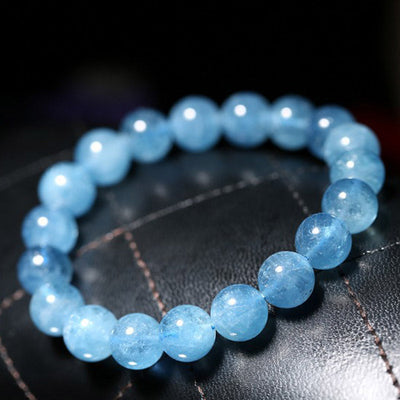
Collier aigue-marine authentique en argent sterling pour la paix
$37.90 $54.90
Discover serene beauty and the key distinctions between aquamarine and topaz with this elegant aquamarine necklace.
Explore ProductDurability and Wearability
Both stones are excellent choices for daily wear, but there are slight differences in durability. On the Mohs scale of hardness, topaz ranks as an 8, while aquamarine ranks between 7.5 and 8. While topaz is technically harder (meaning it is more resistant to scratching), it has "perfect cleavage," which means it can split or chip if struck with a sharp blow.
Aquamarine, despite being slightly softer, generally has better structural integrity and is less prone to chipping upon impact. This makes an aquamarine topaz ring a safe bet either way, but care should be taken with topaz to avoid hard knocks.
Energetic and Spiritual Benefits
For our spiritual community, the aquamarine topaz benefits go far beyond aesthetics. These stones vibrate at different frequencies and support the energy body in unique ways.
Aquamarine is the stone of courage and letting go. It is deeply connected to the Throat Chakra and the element of water. Its energy is cooling, soothing, and helps to clear blocked communication. It is ideal for those seeking peace, flow, and the ability to speak their truth without fear.

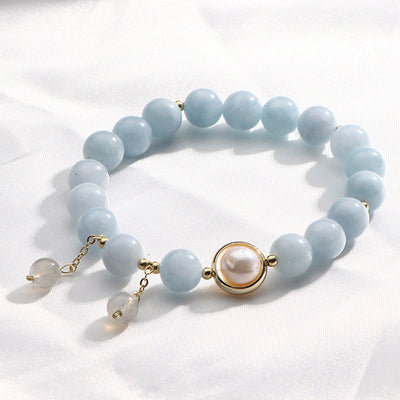
Topaz, specifically blue topaz, is also a Throat Chakra stone but brings a different energy. It is known as a stone of clarity, focus, and manifestation. While aquamarine flows, topaz directs. It helps channel energy to where it is most needed, aiding in problem-solving and sharpening the intellect. Wearing a Topaz Bracelet can help align your intentions with your actions.



How to Identify the Difference
If you have a blue gemstone and aren't sure which it is, professional gemological tools are the best way to be certain. However, there are some clues. Aquamarine is pleochroic, meaning it can show different shades of blue or clear when viewed from different angles. Topaz is generally heavier (denser) than aquamarine. If you hold two stones of the same size, the topaz will feel noticeably heavier in the hand.
Refraction is another identifier. Both are doubly refractive, but a trained eye using a refractometer can easily distinguish the refractive index of beryl (aquamarine) versus topaz.

Tools for Vibrational Healing

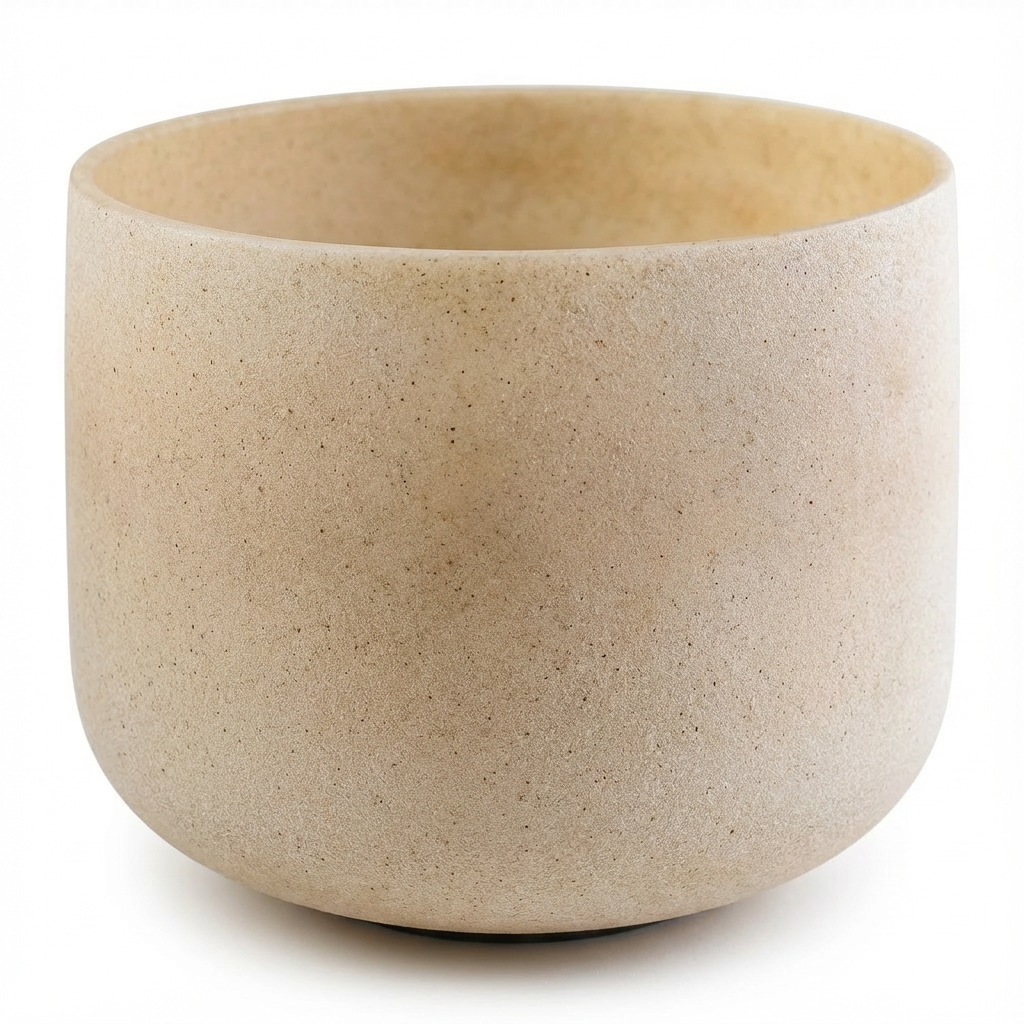
Explore the vibrational qualities of topaz with this meditation bowl, illustrating the crystal’s unique energy properties. Learn more ➔

Bracelet Topaze - Améliore l'intuition et le calme
$79.99
$99.99
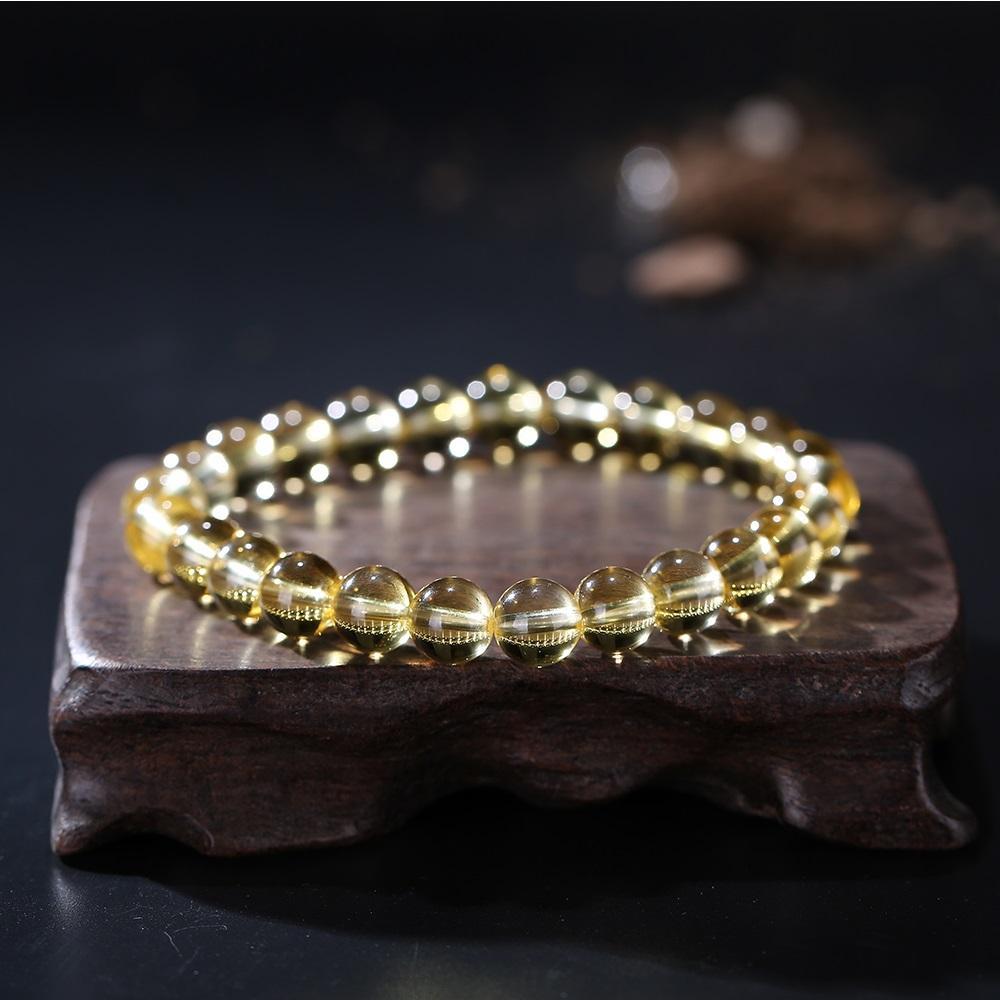
Experience the warmth and clarity of topaz firsthand—compare its energy to aquamarine’s with this elegant bracelet. Learn more ➔
Conclusion
Choosing between aquamarine and topaz ultimately comes down to your priorities. If you value natural origin, soft pastel hues, and calming "water" energy, aquamarine is the superior choice. However, if you prefer vivid, electric colors, higher durability against scratches, and a more accessible price point, blue topaz is an excellent alternative.
Both gems are beautiful additions to any collection, offering unique pathways to enhance your personal style and vibrational well-being. Whether you choose the flow of aquamarine or the clarity of topaz, you are inviting the beauty of the earth into your life.
Frequently Asked Questions about Aquamarine and Topaz
No, aquamarine is not a topaz. They are distinct mineral species. Aquamarine belongs to the beryl family (beryllium aluminium cyclosilicate), while topaz is a silicate mineral containing aluminium and fluorine.
Yes, aquamarine is generally much more expensive than blue topaz. This is because aquamarine's color is usually natural and rarer, whereas most blue topaz on the market is treated to achieve its color, making it more abundant and affordable.
The rarest and most valuable color of topaz is red, often referred to as "Imperial Topaz." Natural pink and violet shades are also extremely rare compared to the common treated blue varieties.
In general crystal healing practices, blue topaz is safe for everyone. However, some astrological traditions suggest that those with specific planetary placements sensitive to "cold" energy might find it too detaching. Always trust your own intuition when choosing a stone.
The main differences are chemical composition (beryl vs. silicate), hardness (aquamarine is slightly softer but tougher against chipping), and price. Visually, aquamarine tends to be a softer, warmer sea-blue, while treated blue topaz is often a more intense, electric blue.