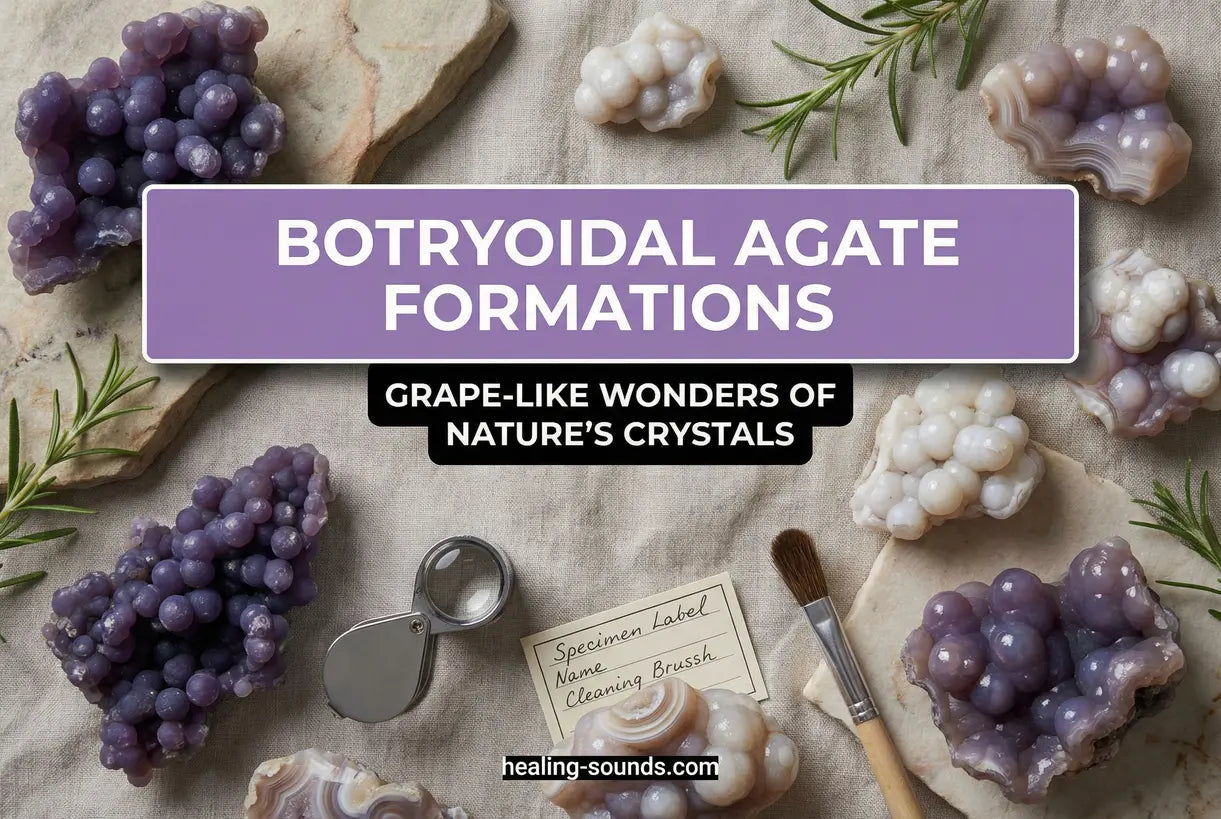
Have you ever encountered a gemstone that looks less like a rock and more like a cluster of grapes or bubbles? If so, you have likely stumbled upon the fascinating world of botryoidal agate formations. Unlike the smooth, banded agates commonly found in jewelry, these specimens boast a unique, bumpy texture that mesmerizes collectors and crystal healers alike. Whether you are a seasoned mineral enthusiast or a spiritual seeker drawn to rare earth energies, understanding the science and spirit behind these "grape-like" stones offers a deeper appreciation for nature's artistry.
In this guide, we will explore the geology behind how botryoidal agate forms, its metaphysical properties, and why these bubble-like geodes are becoming highly sought after in the crystal market.
What is Botryoidal Agate?
The term "botryoidal" comes from the Greek word botrys, meaning "bunch of grapes." In geology, this describes a specific mineral habit where crystals form in globular aggregates, creating a bumpy, rounded surface. While many minerals can form this way—such as botryoidal hematite or malachite—botryoidal chalcedony agate is particularly prized for its translucency and wide range of colors.
Key Characteristics
- Texture: Smooth, rounded, bubble-like protrusions.
- Composition: Microcrystalline quartz (chalcedony).
- Appearance: often resembles grapes, kidneys, or bubbles clustered together.
These formations often occur when silica-rich water seeps into cavities within volcanic rock. Over time, layers of silica are deposited around microscopic nuclei (like dust or sand). As these layers build up evenly in all directions, they create spherical shapes that eventually merge into the clusters we see today. For a deeper dive into mineral habits, resources like Mindat.org offer extensive geological data.

Botryoidal Agate vs. Grape Agate
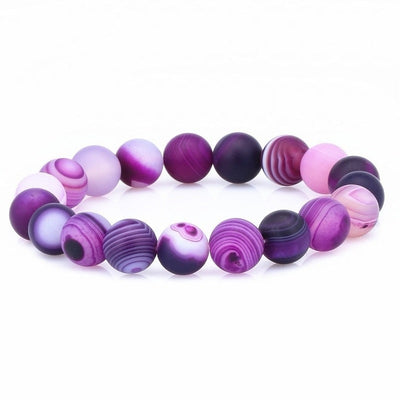
You may often hear the term "Grape Agate." This is a specific marketing name for purple botryoidal chalcedony found in Indonesia. While all Grape Agate is botryoidal, not all botryoidal agate is purple. These formations can be found in white, grey, blue, and fiery red hues, each carrying the distinct "bubbly" signature of this growth pattern.

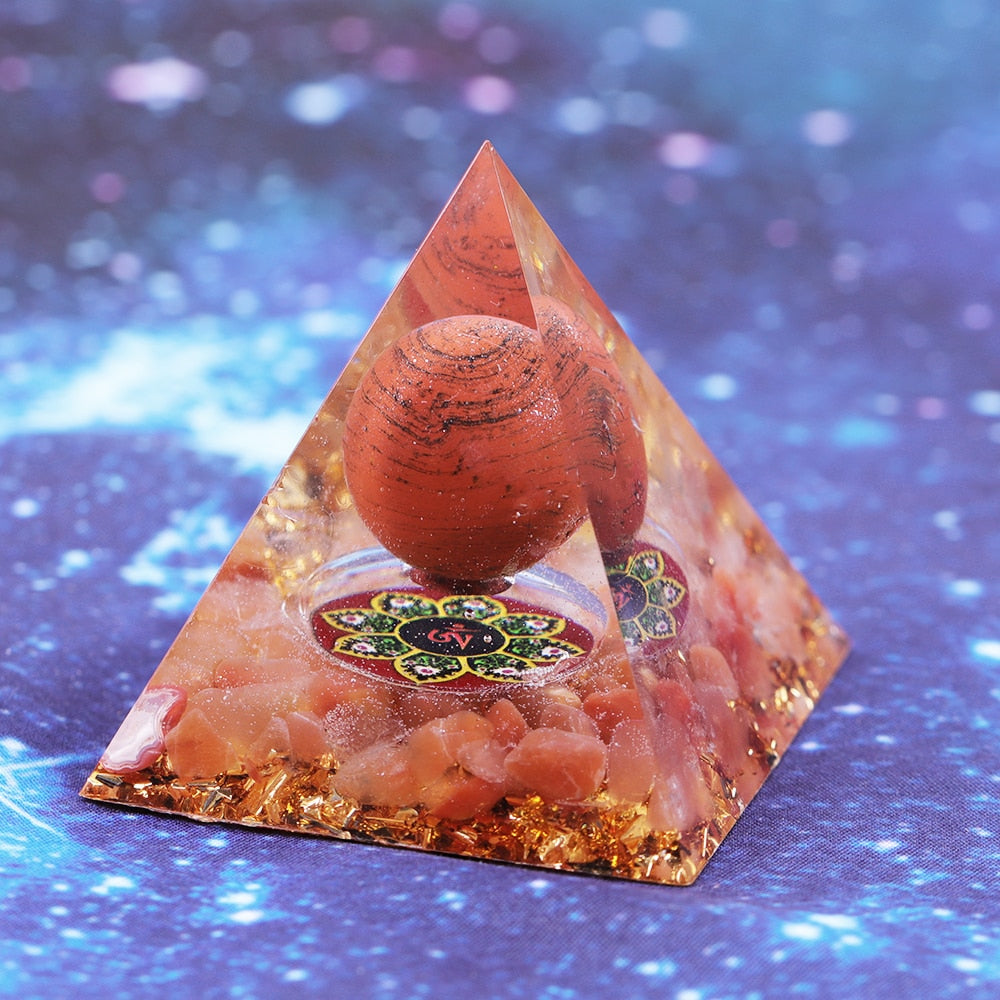
Pyramide d'agate Force et Courage - Accent de méditation
$49.99 $59.99
Experience the power of agate formations with this decorative pyramid, perfect for enhancing meditation and inner strength.
Explore ProductMetaphysical Properties and Meaning
Beyond their geological allure, the botryoidal agate meaning is deeply rooted in emotional healing and protection. Because the formation is soft, rounded, and devoid of sharp edges, it is believed to emit a gentle, harmonious energy. Many crystal healers associate this shape with maternal energy, offering comfort and safety.
The botryoidal agate properties are often linked to:
- Emotional Stability: Helping to smooth over "rough patches" in one's emotional life, much like the stone's smooth curves.
- Grounding: Like other agates, it connects the user to the Earth, promoting a sense of security.
- Creativity: The unique, bubbling growth pattern is said to stimulate the flow of new ideas.
When you hold a piece of botryoidal agate geode, the tactile experience of rubbing the textured surface can be incredibly soothing, serving as a physical anchor during meditation.

Value and Rarity: What to Look For
Is botryoidal agate rare? High-quality specimens with intact, distinct spheres and vibrant colors are considered uncommon and can command a higher price. Unlike massive quartz deposits, these delicate formations require specific conditions to grow without merging into a solid mass.
The botryoidal agate price depends on several factors:
- Definition of Spheres: Distinct, individual "grapes" are more valuable than melted, indistinct lumps.
- Sparkle (Druzy): Some specimens are coated in tiny quartz crystals (druzy), adding a glittering effect that increases value.
- Color: Deep purples (Grape Agate) and rare blues tend to be more expensive than grey or white varieties.
- Damage: Because the spheres are delicate, pristine specimens with no broken "bubbles" are rare.
Lapidary and Polishing
Working with these stones presents a unique challenge for lapidary artists. Polishing a bumpy surface without grinding it flat requires skill. However, when cut, botryoidal agate often reveals stunning internal concentric banding, similar to the rings of a tree.
How to Display Botryoidal Formations
Collectors love botryoidal agate formations because they add texture and dimension to a display shelf. Placing them alongside angular crystals like quartz points or geometric fossils creates a visually striking contrast.
For those interested in Feng Shui, the rounded shapes represent the metal element and flow, making them excellent for areas where you want to encourage smooth communication and minimize conflict.

Complement Your Collection

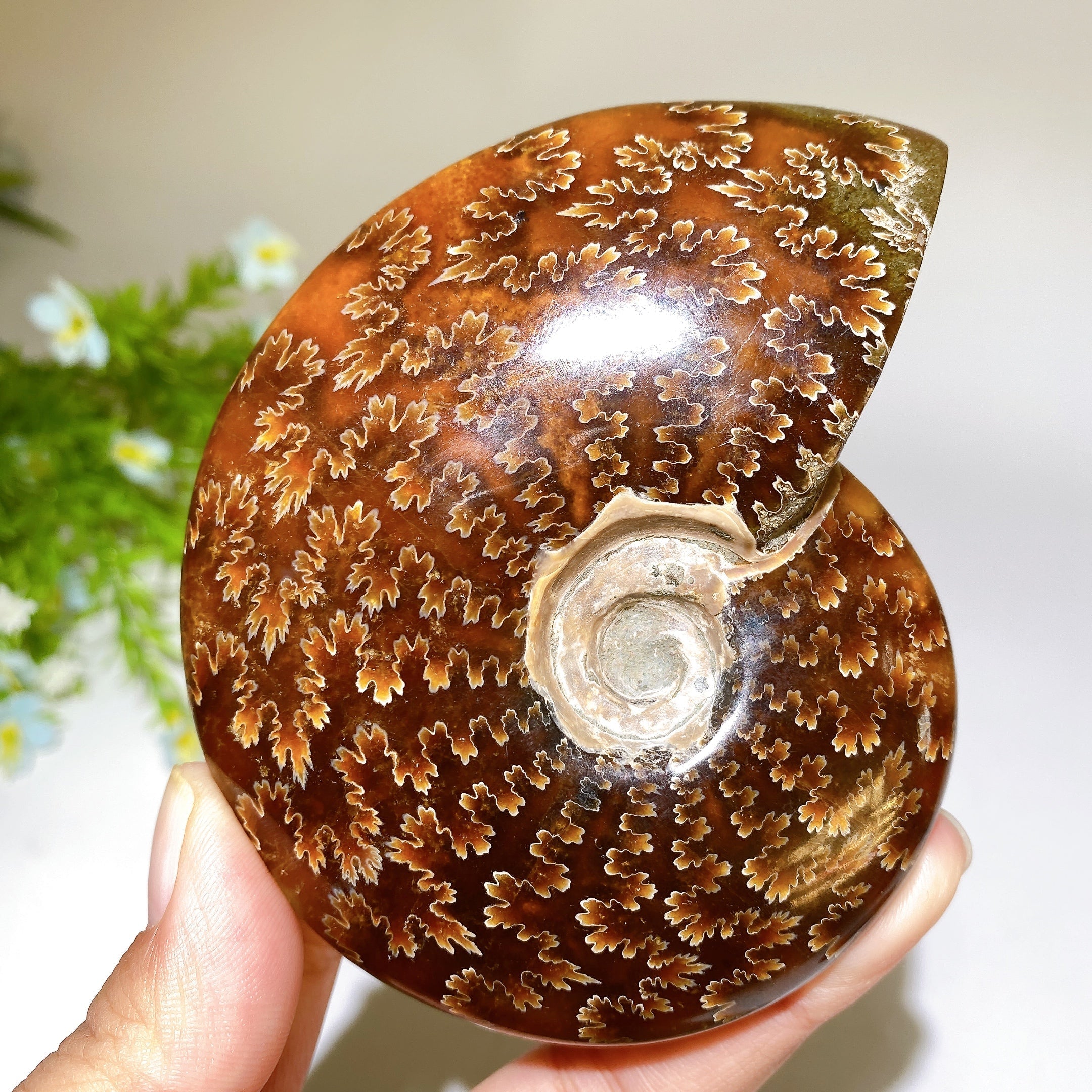
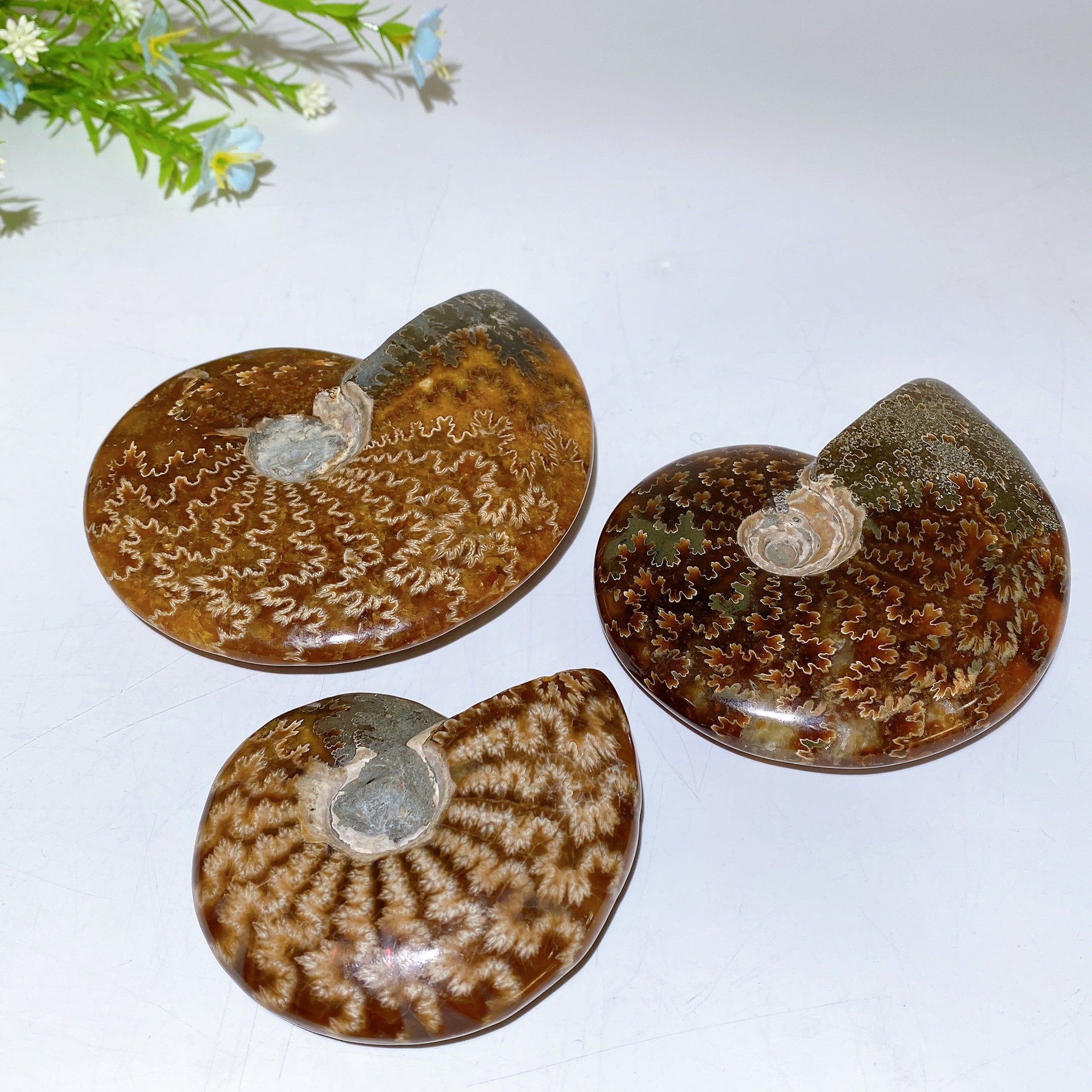
Bring a sense of ancient earth energy and striking spiral formations to any crystal collection or display space. Learn more ➔

Explore the wonder of natural mineral formations including unique textures, ideal for discovery and mindful home decor. Learn more ➔
Conclusion
Whether you are captivated by the science of mineralogy or the soothing vibes of healing crystals, botryoidal agate is a testament to nature's ability to create beauty in unexpected forms. From the popular purple Grape Agate to the subtle, bubbly textures of white chalcedony, these formations remind us that strength can also be soft and rounded.
Exploring these unique textures can add a new dimension to your collection and your spiritual practice. We invite you to explore our curated selection of agates and other natural wonders to find the perfect piece that resonates with your journey.
Frequently Asked Questions about Botryoidal Agate
Botryoidal agate is a form of chalcedony (microcrystalline quartz) that grows in globular, grape-like clusters. The name comes from the Greek word for "bunch of grapes," describing its rounded, bubbly surface texture.
While agate itself is common, high-quality botryoidal formations with distinct, well-defined spheres and vibrant colors (like purple Grape Agate) are considered rare and are highly prized by collectors.
It forms when silica-rich fluids deposit layers of chalcedony around a nucleus, such as a speck of dust or sand. These layers grow outward evenly in all directions, creating spherical shapes that eventually merge into a clustered mass.
Yes, specimens with excellent color, luster, and undamaged spherical structures can be quite valuable. Unique colors like deep purple or blue, as well as those with druzy coatings, fetch higher market prices.
Botryoidal agate is primarily used for collecting and home decor due to its unique aesthetic. Metaphysically, it is used for emotional healing, grounding, and promoting a sense of safety and stability.