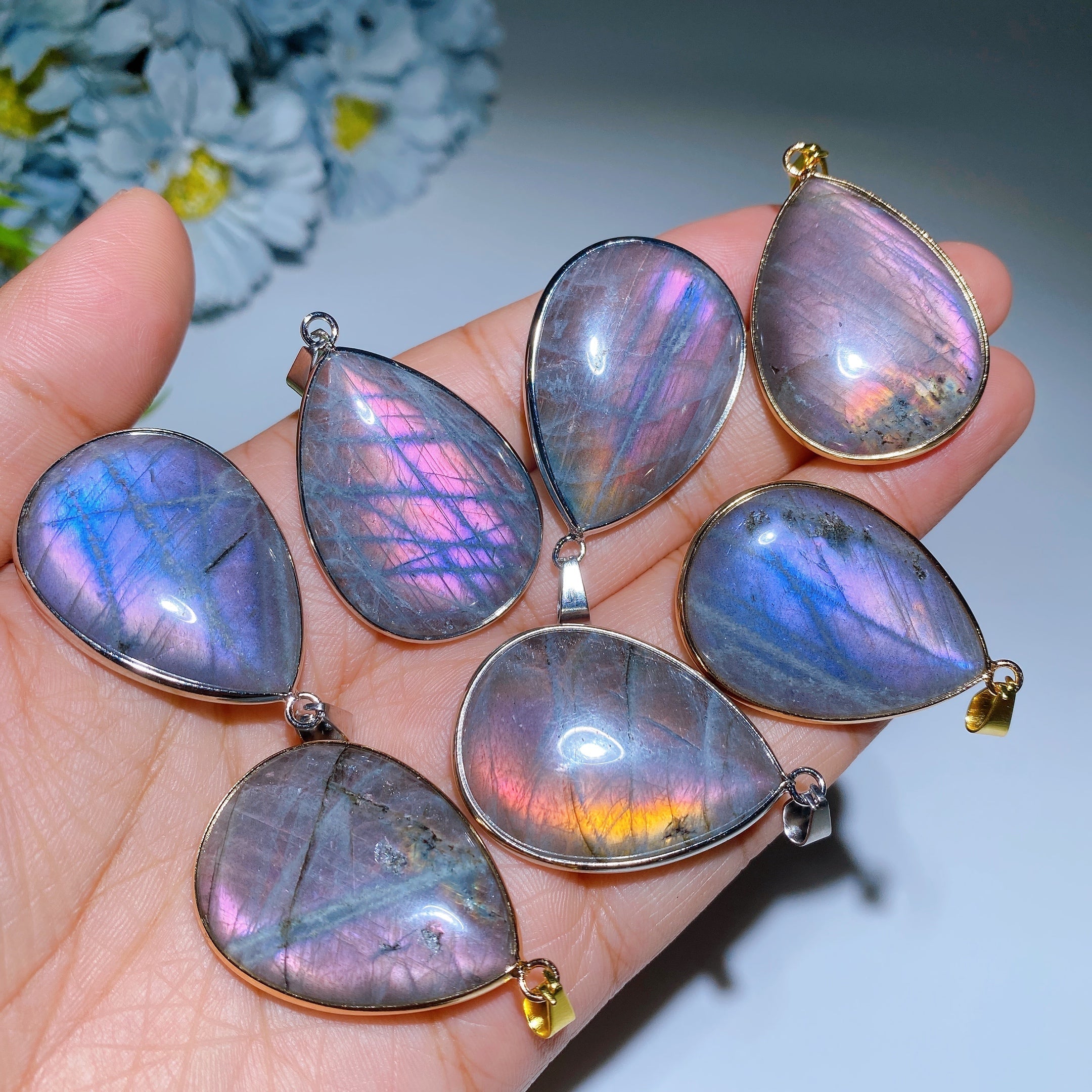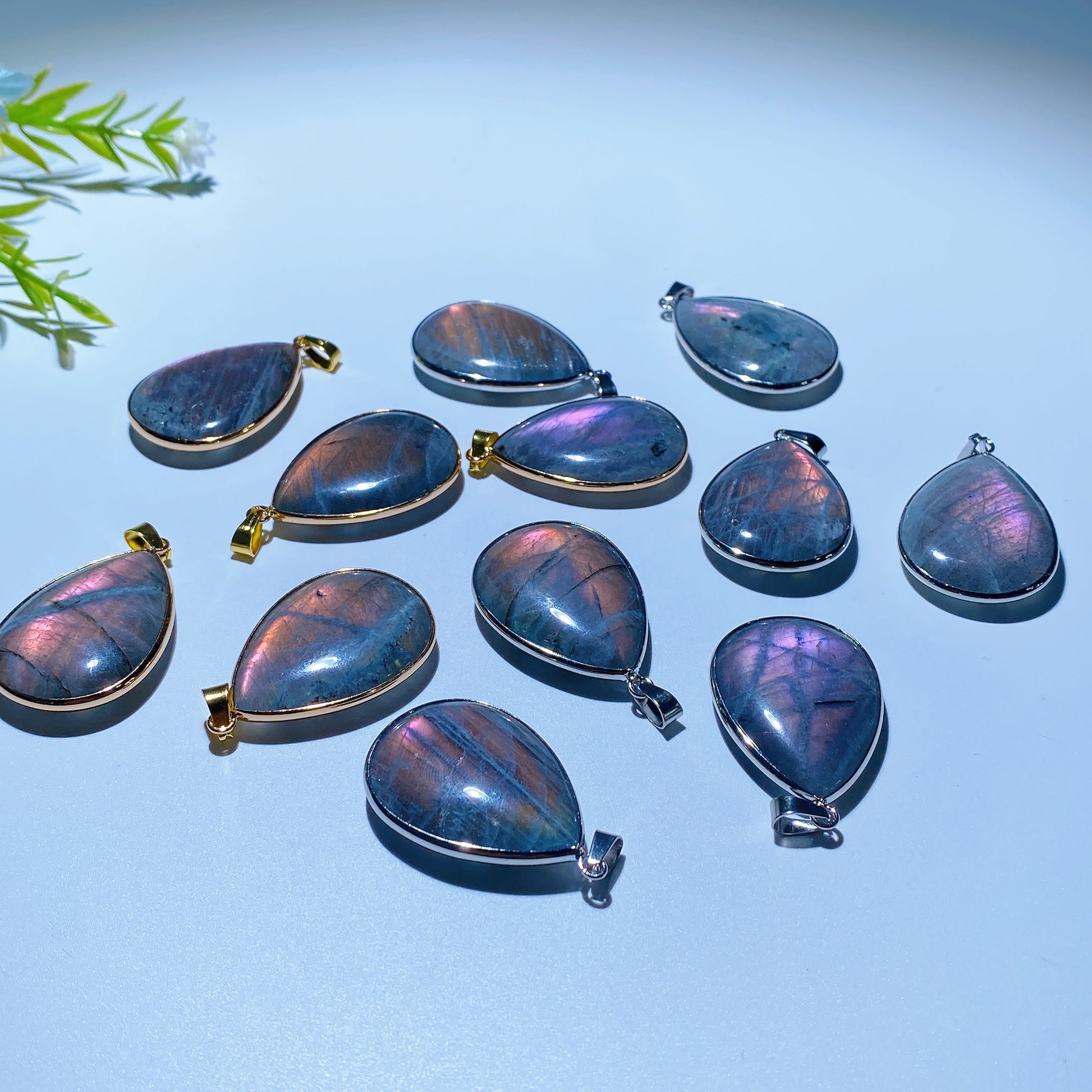
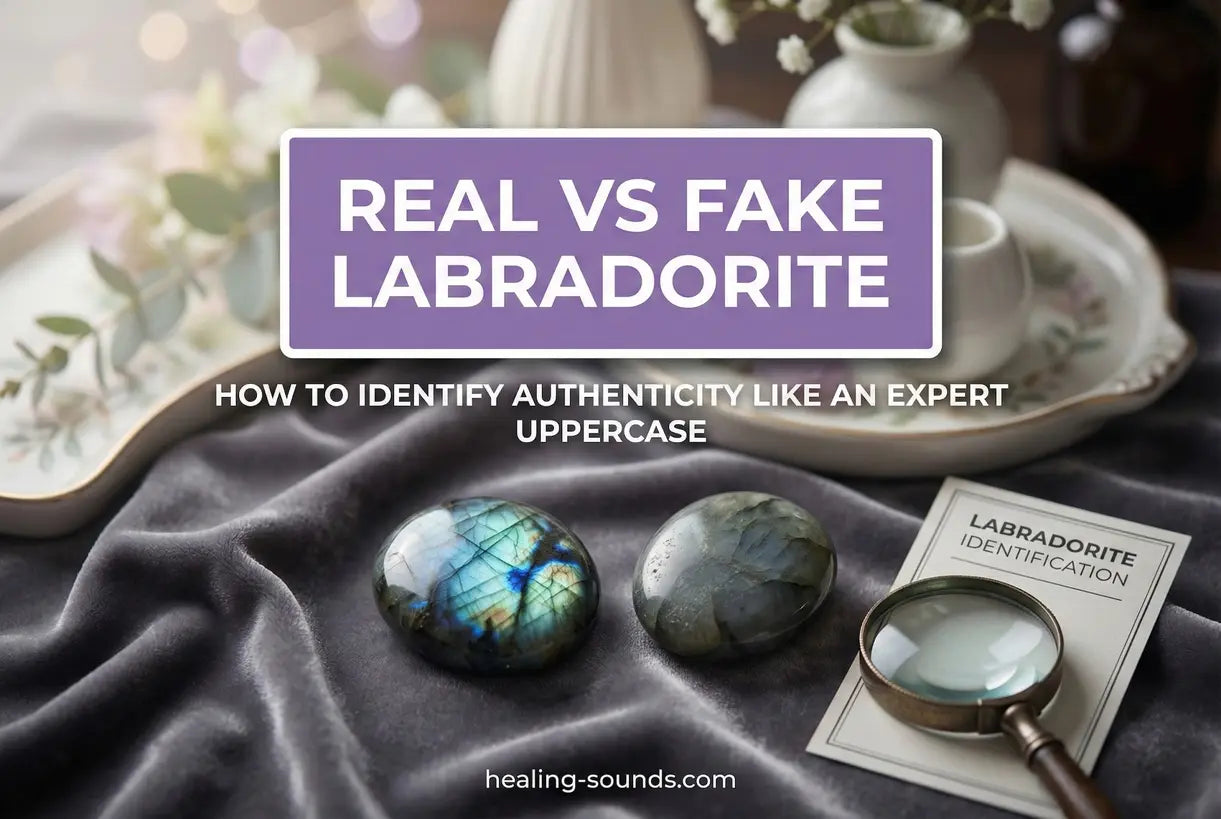
For the spiritually attuned crystal lover, few stones captivate the imagination quite like Labradorite. Known as the "Stone of Magic," its mesmerizing play of color—labradorescence—mimics the Northern Lights trapped within a rock. However, as its popularity grows in the spiritual community, so does the prevalence of fake labradorite on the market. Whether you are seeking this stone for its powerful protective properties or its stunning aesthetic, knowing the difference between real vs fake labradorite is essential to ensure you aren't purchasing a piece of painted plastic or resin.
Navigating the world of online crystal shopping requires a keen eye. Authenticity isn't just about value; it is about vibration. A synthetic imitation cannot hold the ancient, grounding energy of the earth that a genuine stone possesses. In this guide, we will explore the tell-tale signs of labrodorite authenticity, helping you distinguish the natural magic of the earth from man-made counterfeits so you can curate your collection with confidence.
Understanding the Magic: What is Real Labradorite?
To identify a forgery, one must first deeply understand the genuine article. Real Labradorite is a feldspar mineral, best known for its optical phenomenon called labradorescence. This isn't a pigment sitting on the surface; it is an internal play of light caused by the diffraction of light in layers of rock. When you hold a piece of real labradorite, it often appears dark, grey, or grayish-green at first glance. The magic happens when you rotate it.
As light hits the internal structure at specific angles, flashes of electric blue, gold, pale green, and sometimes rare coppery reds appear. This interaction is dynamic. If a stone looks permanently vibrant from every single angle without moving it, or if the colors look like they are painted on top, you might be dealing with a fake labradorite.

Visual Indicators: How to Spot Fake Labradorite
Visual inspection is your first line of defense. Because the optical effect of Labradorite is so complex, it is difficult for counterfeiters to replicate perfectly. Here are the specific visual cues to look for during labradorite identification.
1. The Angle of the Flash
The most defining characteristic of authentic Labradorite is that the colors shift. As you tilt the stone, the flash should move, appear, and disappear. This is known as directionality. In many fake vs real labradorite comparisons, the fake stones often utilize holographic foils or iridescent paints. These fakes will often sparkle or show color from every viewing angle, lacking the "hidden" quality of the natural stone.
2. Surface Regularity and Patterns
Nature is rarely perfect. Genuine Labradorite is a natural aggregate and will almost always have internal veins, cracks, or uneven textures. It often looks like a galaxy with inclusions. Conversely, a fake labradorite made of resin or polymer clay often looks too perfect, smooth, or uniform. If the pattern of the colors looks like a repeating print or the surface is flawlessly glassy without any mineral texture, proceed with caution.

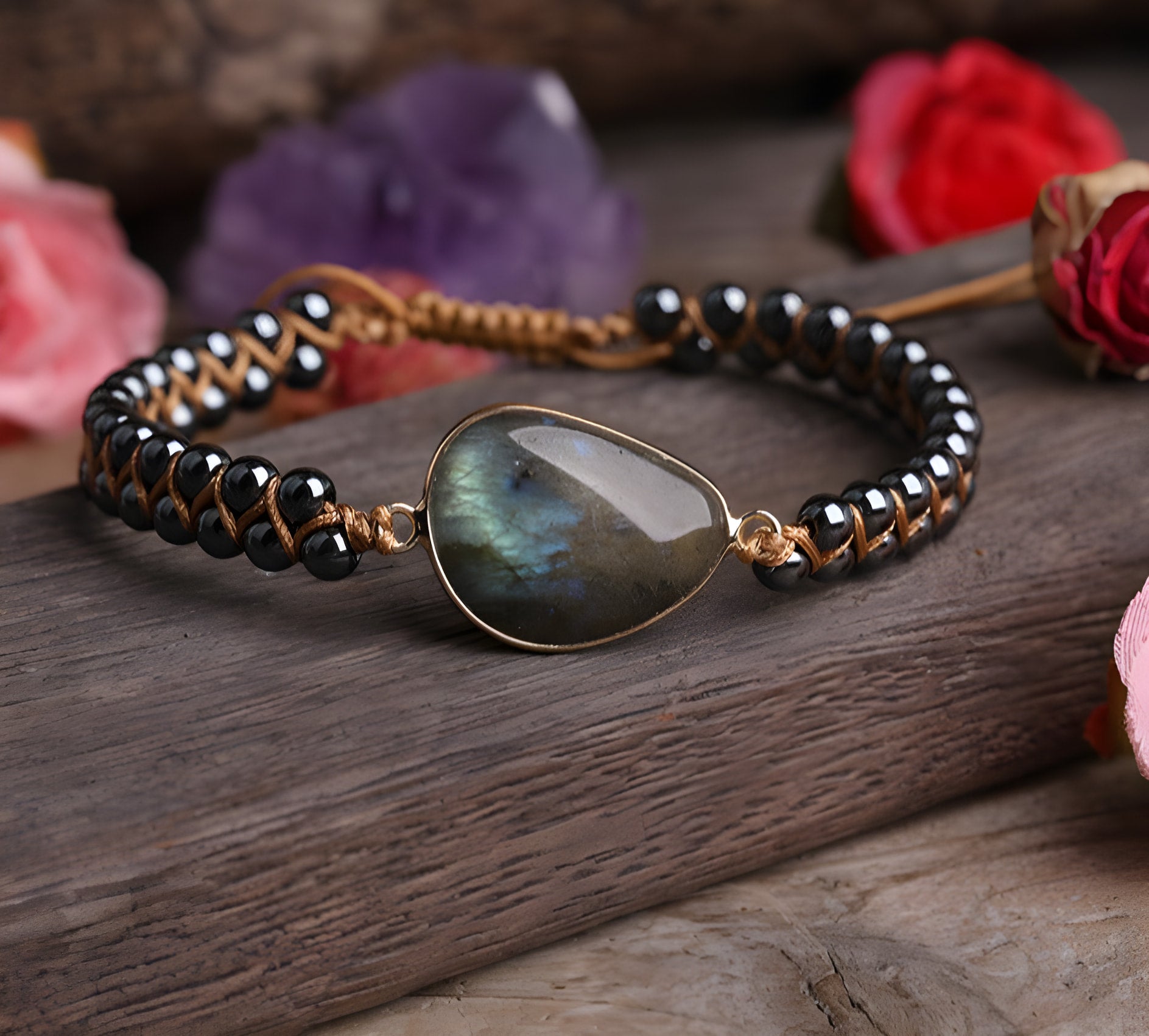
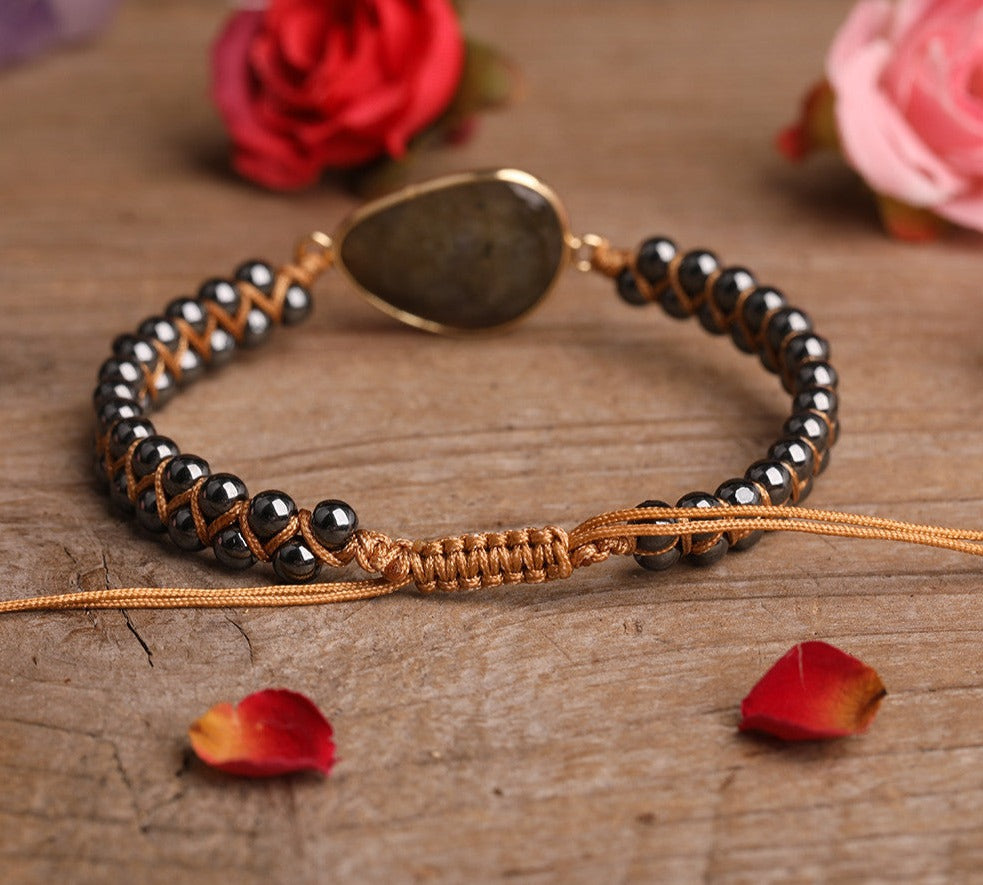
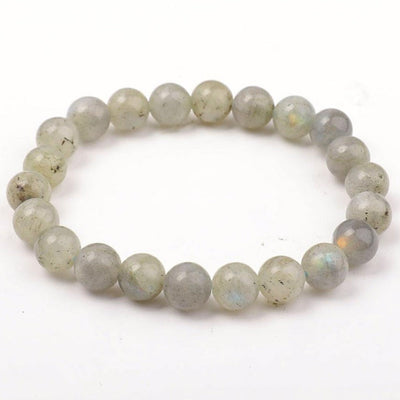
Bracelet bouclier en labradorite
$49.99 $59.99
Experience authentic labradorite's protective energy with this genuine shield bracelet, perfect for true crystal lovers.
Explore Product3. The Base Color
Examine the stone where the flash isn't visible. Real Labradorite usually has a translucent to opaque base that is grey, dark grey, black, or grey-green. Some fakes, particularly those made from dyed agate or other materials, might have a base color that looks too black (like solid opaque jet black without depth) or purely transparent like glass.

Practical Tests: How to Identify Real Labradorite at Home
Beyond looking at the stone, there are physical ways to test labrodorite authenticity. These tests rely on the physical properties of minerals versus plastics or glass.
The Temperature Test
One of the easiest ways on how to identify real labradorite is by touch. Genuine crystals and stones are excellent heat conductors, meaning they feel cold to the touch when you first pick them up, and they take time to warm up in your hand. Plastic, resin, or polymer clay—common materials for fakes—will feel room temperature or warm immediately. If the "stone" feels like plastic against your cheek, it likely is.
The Hardness and Weight Check
Labradorite ranks around 6 to 6.5 on the Mohs scale of mineral hardness. It is harder than glass but softer than quartz. While you shouldn't go scratching your jewelry, you can assess the weight. Real stone is dense and heavy. If you pick up a large chunk or a pendant and it feels surprisingly light or airy, it is a strong indicator of a plastic imitation.
The Water Test
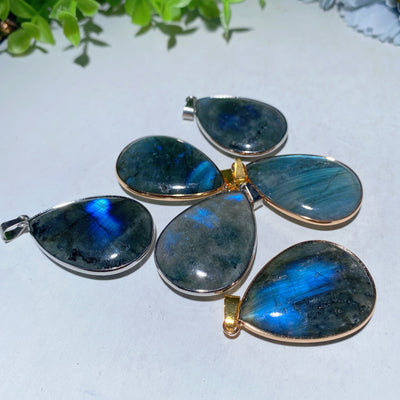
Many people ask about the labrodorite in water test. While Labradorite is generally safe for brief water cleansing, the test here refers to appearance. Immersion in water usually makes the colors of genuine Labradorite pop more vividly, but it does not change the color of the stone itself. If you submerge a stone and dye starts to leak out, or if a film peels off, you have undeniably spotted a fake.
Common Types of Fake Labradorite on the Market
When learning how to spot fake labradorite, it helps to know what the fakes actually are. The market is seeing an influx of varying sophisticated forgeries.
- Resin Casts: These are mixtures of plastic resin and glitter or dyes. They lack the cold feel of stone and the depth of natural layers.
- Polymer Clay: Artists can create beautiful pieces with clay that mimic the look, but these are soft and feel like plastic.
- Dyed Stones: Sometimes lower quality translucent stones are dyed to mimic the dark body of Labradorite, though they often fail to replicate the flash.
- "Black Moonstone" confusion: Sometimes Black Moonstone is mislabeled as Labradorite. While they are related feldspars, they are distinct minerals.

Why Authenticity Matters for Healing
For the collector focused on aesthetics, a fake might still look pretty. However, for the spiritual woman seeking transformation, authentic labradorite test results matter deeply. Labradorite is revered for its ability to banish fears, insecurities, and psychic debris. It strengthens the aura and protects against negative energies. A piece of plastic or glass, no matter how shiny, contains none of this vibrational structure. Ensuring you have the real stone is ensuring you have a working tool for your spiritual journey.
Authentic Labradorite Treasures

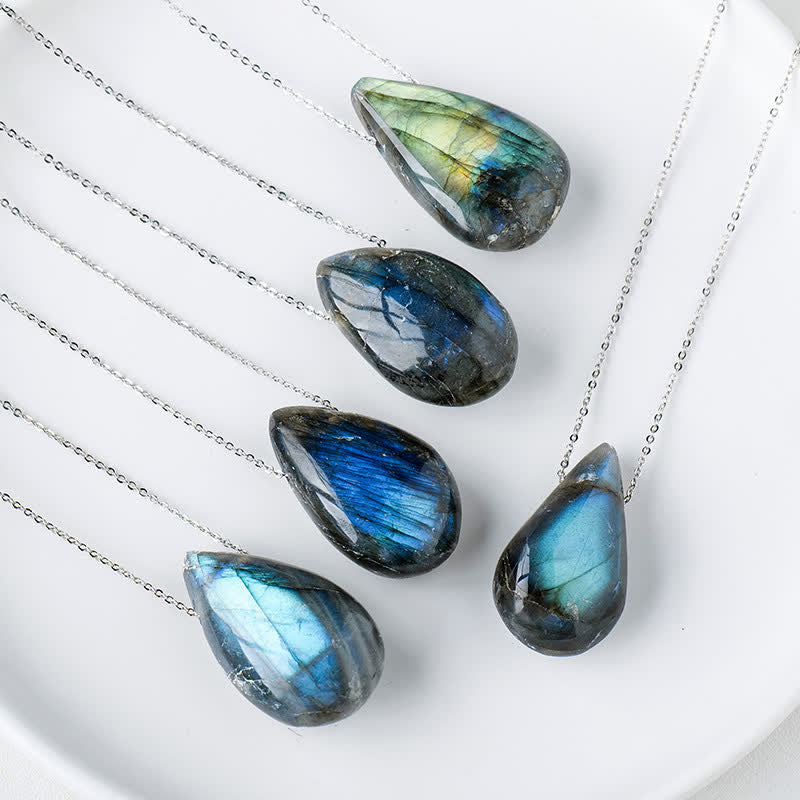
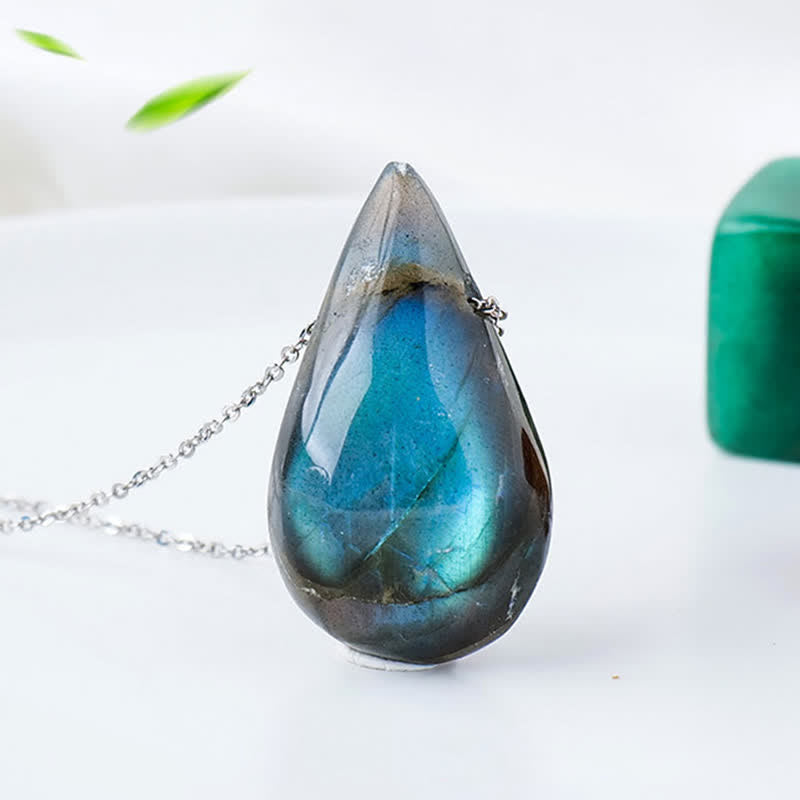
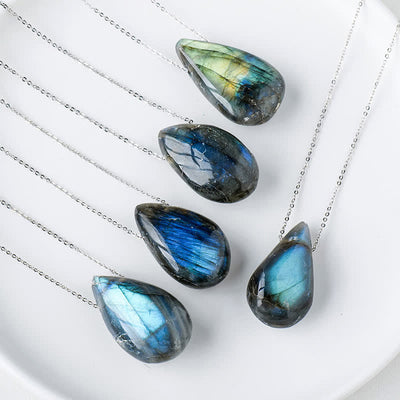
Showcase authentic labradorite flashes with this luminous water drop pendant—ideal for recognizing real stone beauty. Learn more ➔

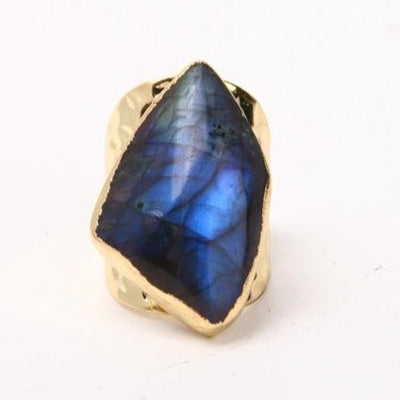
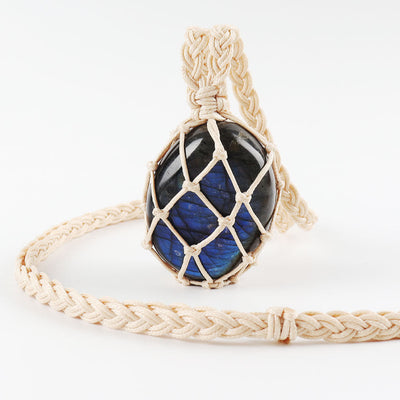
Admire natural iridescence only true labradorite offers, featured in a sizable, statement healing pendant. Learn more ➔
Conclusion
Identifying fake labradorite comes down to observation and intuition. By checking for the characteristic shifting flash (labradorescence), feeling the cold temperature of the stone, and looking for natural inclusions, you can filter out the majority of imitations. Remember that real earth elements carry the imperfections of nature, while fakes often look suspiciously flawless. Trust your eyes and your touch, and always choose reputable sources for your spiritual tools to ensure you are receiving the genuine energy of protection and magic.
Frequently Asked Questions about Real vs Fake Labradorite
You can tell if Labradorite is real by examining its optical flash (labradorescence). Real stone shows colors that shift and change as you rotate the angle, whereas fake stones often have a flat, static color or look like glitter. Real Labradorite is also cold to the touch and usually has internal fractures or veins.
Real Labradorite flashes are directional; they appear and disappear depending on the angle of light. The colors seem to come from deep within the stone. Fake flashes often look like a surface coating, are visible from all angles simultaneously, or appear too uniform and neon-like.
Yes, common fakes include resin casts, polymer clay creations, and occasionally dyed agate or glass. Some sellers also mislabel similar feldspars like "Black Moonstone" as Labradorite, though these are natural minerals rather than synthetic fakes.
At home, you can perform a temperature test (real stone feels cold), a weight check (real stone feels dense and heavy), and a visual inspection for asymmetry and natural inclusions. Avoid scratch tests on finished jewelry to prevent damage.
No, authentic Labradorite does not permanently change color in water. However, getting it wet might make the existing colors appear more vibrant or shiny temporarily. If the stone releases dye or changes color drastically, it is likely a fake.