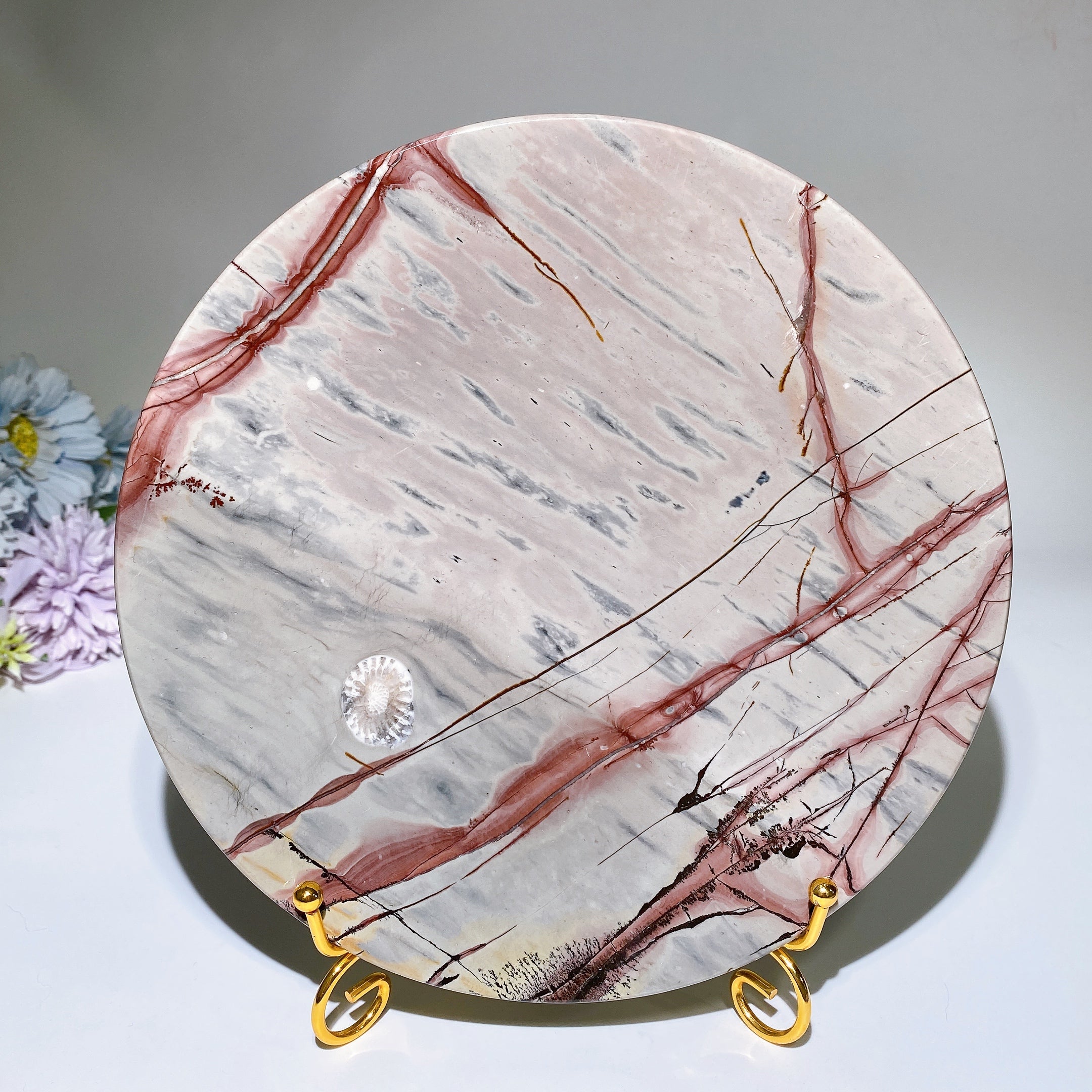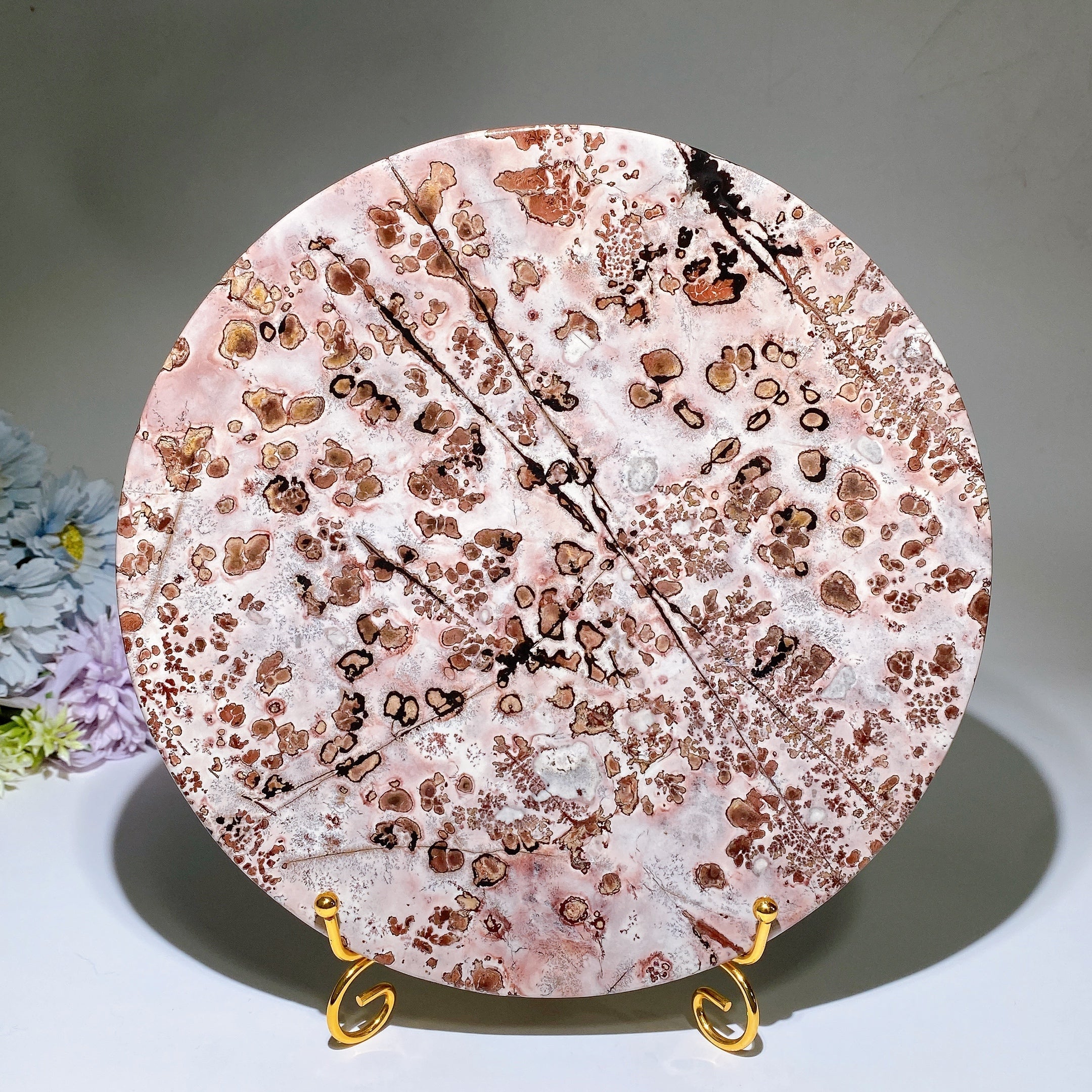

For crystal collectors and spiritual seekers alike, the allure of Ocean Jasper is undeniable. Its swirling orbs, vibrant colors, and deep connection to the tides of nature make it a prized specimen. However, as the popularity of this rare stone from Madagascar soars, so does the prevalence of Fake Ocean Jasper in the market. Navigating the world of crystal investing requires a keen eye and knowledge of what makes this stone truly unique.
Whether you are looking to expand your collection or seeking the metaphysical benefits of this nurturing stone, understanding Real vs Fake Ocean Jasper is crucial. In this guide, we will explore the key indicators of authenticity, analyze current Ocean Jasper value, and provide you with the tools to ensure your investment is genuine.
What is Ocean Jasper and Why is it Rare?
To identify the fake, one must first understand the real. Genuine Ocean Jasper is a trade name for a specific type of Orbicular Jasper found only in a few remote locations on the coast of Madagascar. It is characterized by spherical patterns or "orbs" created by silica precipitation within the stone.
The rarity of Ocean Jasper stems from its source. The primary mines, particularly the famous vein at Marovato that produced the most vibrant authentic stones, have been largely depleted or are only accessible during low tides. This scarcity drives up the Ocean Jasper price and unfortunately encourages the production of imitations.
Visual Identification: Patterns and Colors
The most distinctive feature of Ocean Jasper identification is its pattern. Authentic stones display complex, chaotic, and organic "eyes" or orbs. These circles are distinct but often overlap or float within a background of translucent agate or opaque jasper.
Fake Ocean Jasper often fails to replicate this organic chaos. Imitations may look too uniform, with perfectly round spots that appear painted on rather than embedded within the stone. Additionally, while real Ocean Jasper comes in a vast array of colors—greens, pinks, whites, and yellows—the transitions are usually smooth and natural.
- Look for the Orbs: Real stones have spherical bullseye patterns.
- Check for Druzy: Genuine Ocean Jasper often contains small pockets of quartz crystals (druzy) within the surface.
- Assess the Chaos: Nature is rarely perfect; look for irregular overlapping patterns.
Developing an eye for natural geological patterns takes time. Working with other authentic jaspers can help ground your energy and sharpen your observation skills.

Bracelet d'équilibre 108 perles en jaspe turquoise 8 mm
$29.90 $42.90
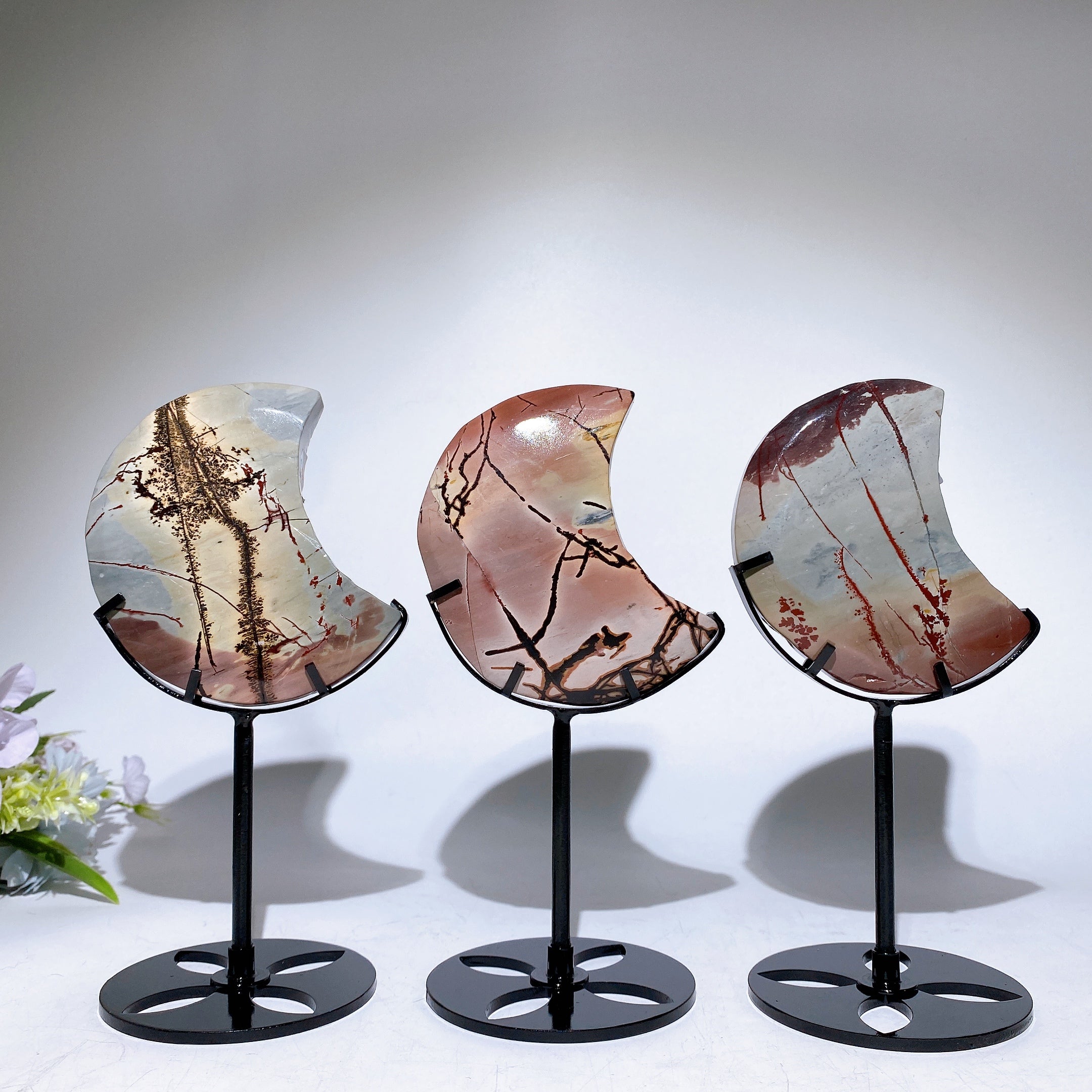
Own a genuine Picture Jasper piece that blends beauty and grounding—ideal for those learning to spot real Ocean Jasper.
Explore ProductReal vs Fake Ocean Jasper: The Hardness and Texture Test
Beyond visual patterns, the physical properties of the stone offer clues. Ocean Jasper is a variety of Chalcedony (microcrystalline quartz), giving it a hardness of roughly 6.5 to 7 on the Mohs scale. This means it is durable and should not scratch easily with a knife or glass.
Many imitations made from resin, plastic, or softer stones like calcite will feel lighter and scratch more easily. Furthermore, genuine Ocean Jasper often has a waxy luster and a smooth, cool touch. If the stone feels warm to the touch immediately or looks like it has been dipped in a thick glossy coat, be wary.
Below is a visual guide to help you distinguish the key differences at a glance.

Translucency and Depth
Because authentic Ocean Jasper often contains agate, holding a flashlight behind the stone (especially thinner slices) should reveal some translucency at the edges. Completely opaque stones that look like solid blocks of clay or plastic are likely fakes or very low-grade material mislabeled as high-quality.
Ocean Jasper Value and Price Trends
Understanding Ocean Jasper value is essential for collectors. Due to the depletion of the original mines, prices for high-quality "old stock" Ocean Jasper have skyrocketed. These pieces feature distinct, colorful orbs and minimal flaws.
If you find a vendor selling large quantities of "Ocean Jasper" at a bargain-bin price, it is a major red flag. Ocean Jasper price is determined by the clarity of the orbs, the vibrancy of the colors, and the presence of unique features like druzy quartz pockets.
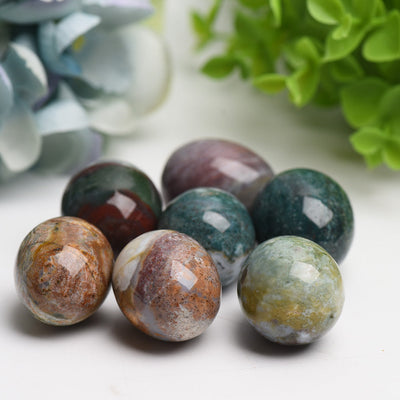
You can see the complexity of the texture in genuine stones in the comparison below. Note the depth of the mineral layers in the real specimen versus the flat appearance of the fake.


Common Imitations and Mislabeling
Several stones are frequently confused with or sold as Fake Ocean Jasper. One common imposter is "Sea Sediment Jasper" (which is often a dyed variscite or imperial jasper). While beautiful, these are often chemically treated to achieve bright blues and purples that do not occur naturally in Ocean Jasper.
Another common trick is mislabeling other orbicular rhyolites or generic agates as Ocean Jasper to inflate the price. Always verify the origin; if it didn't come from Madagascar, it technically isn't true Ocean Jasper.
Collectors who wish to study authentic geological formations often start with other verified Jasper types, like Picture Jasper, to understand how nature layers sediment and minerals differently than artificial manufacturing.
Explore Authentic Jasper Specimens
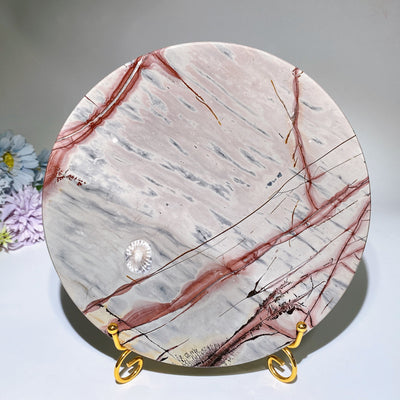
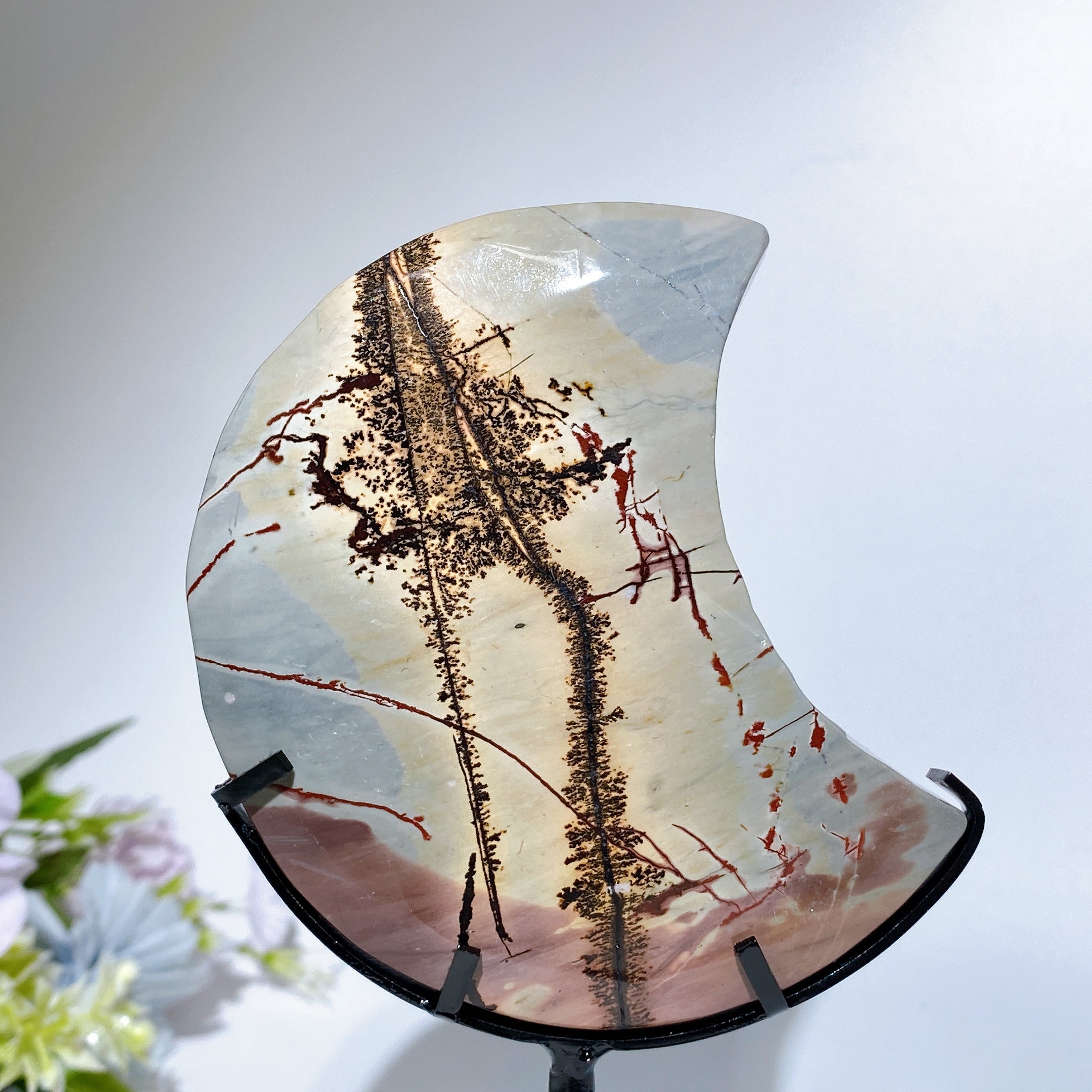
Examine authentic jasper patterning close-up—perfect for identifying natural features versus fakes. Learn more ➔

Sculpture en cristal de lune de 9,4 cm avec support
$49.90
$79.90
Appreciate the unique landscape patterns of real jasper in this collectible carving, and learn what sets it apart from imitations. Learn more ➔
Tips for Buying Authentic Stones
When looking to buy, your best defense against scams is research. Ask the seller about the mine location. Reputable dealers will know the difference between "Old Stock" (Marovato) and newer finds (Kabamby). Scrutinize the photos provided—if five different listings show the exact same stone, it is likely a stock photo for a mass-produced fake.
Examine the stone closely, preferably with a magnifying loop if purchasing in person. You are looking for those tell-tale imperfections and the organic flow of the silica that defines real minerals. For more scientific data on jasper properties, resources like Mindat.org provide excellent mineralogical data.

Conclusion
Identifying Fake Ocean Jasper is a skill that protects both your wallet and your spiritual practice. While the market is flooded with imitations, the energy of a genuine piece—with its chaotic beauty and deep connection to the earth's history—is impossible to replicate fully. By paying attention to the orbs, checking the translucency, and understanding the market value, you can confidently invest in pieces that are as authentic as your intention.
Frequently Asked Questions about Ocean Jasper Authenticity
Real Ocean Jasper has chaotic, organic spherical patterns (orbs) and often features small cavities or druzy quartz. Fake Ocean Jasper typically has uniform, painted-looking spots, feels lighter (if plastic), or lacks the translucency of genuine chalcedony.
Metaphysically, Ocean Jasper is used for grounding, stress relief, and nurturing energy. It is believed to help release negative feelings and promote optimism. Physically, it is highly valued by collectors for jewelry and decorative carving due to its unique patterns.
Real Ocean Jasper is expensive primarily because the original mines in Madagascar are largely depleted or difficult to access (often only at low tide). The limited supply and high demand for high-quality patterning drive up the price.
Genuine Ocean Jasper is found exclusively in Madagascar, specifically along the northwestern coast in the Analalava district. The most famous deposits are near the village of Marovato.
The value varies widely based on quality. Low-grade pieces may sell for modest amounts, but high-grade "old stock" with distinct orbs and vibrant colors is considered a collector's item and commands high prices, often increasing as availability dwindles.