
Whether you are a homeowner planning a renovation, a DIY enthusiast selecting materials for a garden path, or a spiritual practitioner seeking the right crystal energy for your altar, the choice often comes down to two heavyweights: granite vs sandstone. Both stones are gifts from the Earth, boasting unique physical properties and distinct energetic vibrations. However, when it comes to longevity and application, knowing the difference is crucial.
In this guide, we will explore the real strength and durability comparison between these two popular materials. Beyond just construction, we will touch upon how their geological formation influences their metaphysical properties—granite providing unshakeable grounding and sandstone offering creative fluidity. By the end, you will know exactly which stone aligns with your practical needs and spiritual intentions.
Geological Origins: The Core Difference
To understand the granite vs sandstone debate, we must look at how they are formed. Granite is an igneous rock, formed from the slow crystallization of magma below the Earth's surface. This process creates a dense, coarse-grained structure composed mainly of quartz, alkali feldspar, and plagioclase. Its formation under immense heat and pressure is what gives granite strength its legendary status.
In contrast, sandstone is a sedimentary rock. It forms over millions of years through the accumulation of mineral particles or rock fragments, such as sand, which are then cemented together by minerals like silica, calcium carbonate, or iron oxide. Because it is essentially layers of sand compressed together, sandstone has a more porous and grainy texture compared to the interlocking crystal structure of granite.

Strength Comparison: Which Rock Rules?
When discussing physical resilience, the question often arises: which is stronger? The answer lies in the Mohs scale of mineral hardness. Granite typically ranks between 6 and 7, making it one of the hardest natural stones available. It is incredibly resistant to scratches, heat, and chemical erosion. This makes granite the superior choice for high-traffic areas or environments that demand unwavering stability.
Sandstone, while durable, is generally softer. Its hardness can vary significantly depending on the cementing material holding the sand grains together. It generally ranks closer to 6 on the Mohs scale but is more prone to scratching and weathering than granite. However, sandstone durability should not be underestimated; it has been used in architecture for centuries, standing the test of time when maintained correctly.
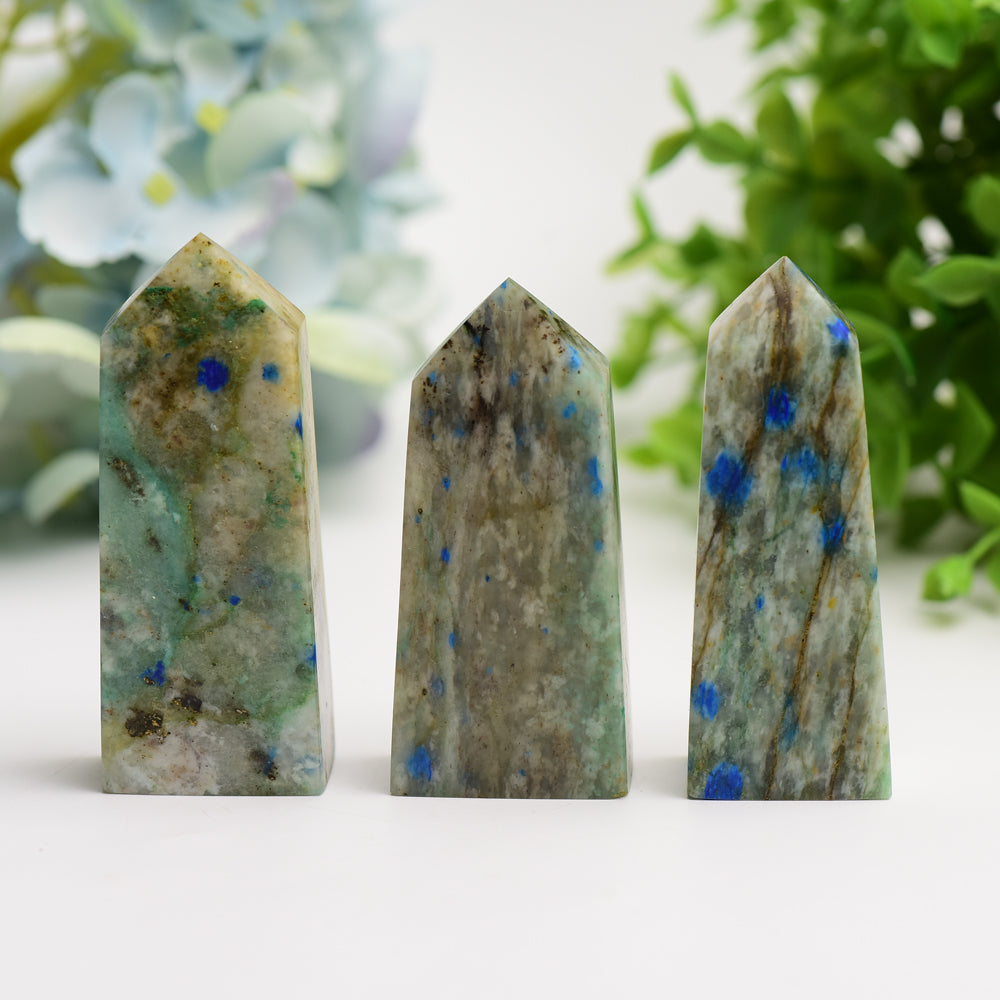
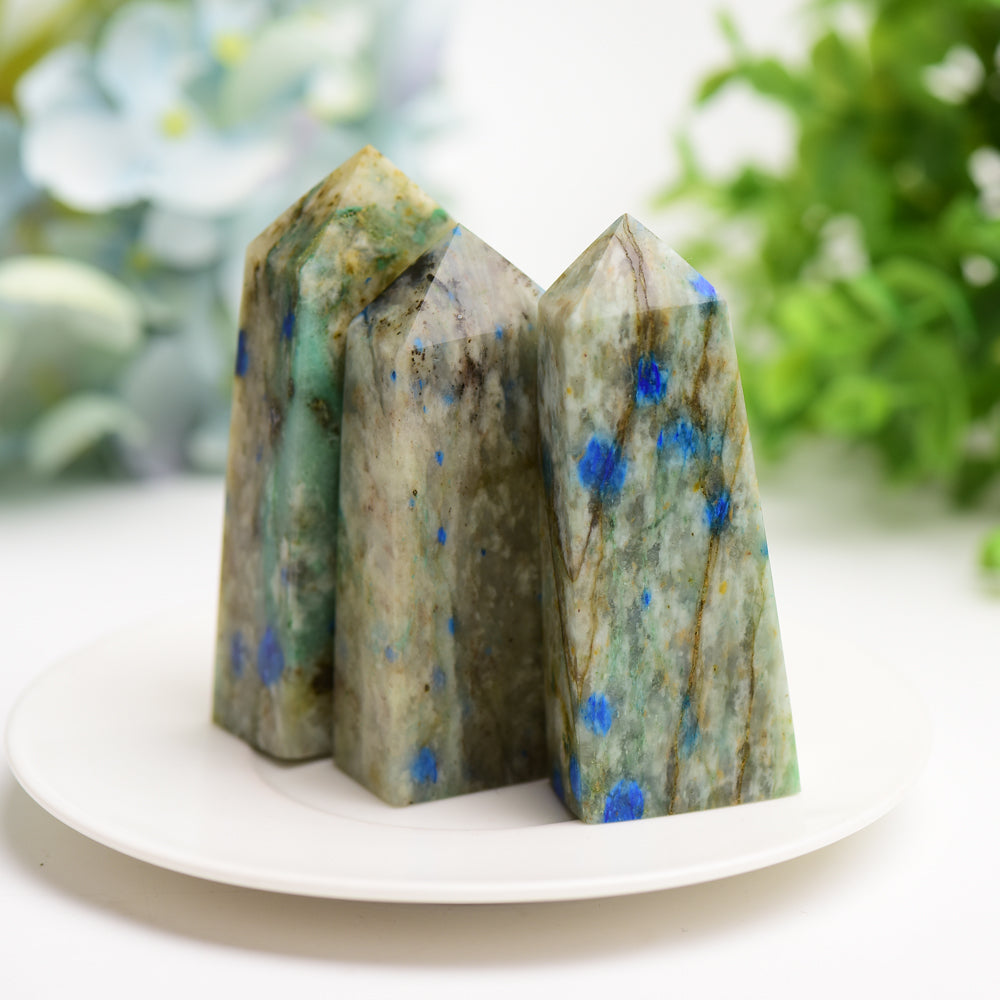
For those interested in the energetic aspect of these stones, granite's physical hardness translates to metaphysical stability. A perfect example of this is the K2 stone, a rare form of granite containing drops of blue azurite, found at the base of the world's second-highest mountain.

Bracelet d'équilibre en pierre K2 de 8 mm pour la tranquillité et la détente
$24.90 $35.90
Showcase granite's grounding energy with this unique K2 stone bracelet, ideal when discussing strength and balance.
Explore ProductDurability in Application: Construction and Decor
The difference between granite and sandstone becomes most apparent in their practical applications. Due to its non-porous nature and extreme hardness, granite is the preferred material for kitchen countertops, flooring in busy commercial spaces, and outdoor paving that must withstand freezing cycles. It requires less sealing and maintenance than most other natural stones.
Sandstone, with its warm earth tones and textured grip, is a favorite for outdoor patios, garden paths, and pool surrounds. While it is more porous and susceptible to staining (absorbing water and oils more easily), its aesthetic appeal is unmatched for rustic or natural designs. Sandstone is also easier to carve, making it ideal for ornamental features, though it may weather and smooth over time compared to granite's sharp persistence.
To visualize these differences in a real-world context, watch this detailed comparison:
Texture and Surface
When you run your hand over granite, it often feels cold, smooth, and solid (unless textured specifically). Sandstone feels grittier, warmer, and more organic. This tactile difference is a key factor for homeowners choosing materials for sensory environments or barefoot areas.

Energetic Durability: Metaphysical Properties
Beyond the physical granite vs sandstone durability debate, spiritual practitioners value these stones for their vibration. Granite, being born of fire and cooling into a solid mass, represents grounding, protection, and the ability to withstand emotional storms. It is a stone of "standing your ground."
Sandstone, formed by layers of sediment, symbolizes creativity, community, and the cohesion of different elements. It is often used in rituals involving change, revealing the truth beneath the layers, and connecting with the Earth's history. While granite shields, sandstone connects.
Integrating these stones into your home environment can bring a balance of strength and adaptability. Whether through a granite crystal tower for meditation or a sandstone incense burner for your desk, both materials serve to anchor different energies in your space.
Balance Your Space with Earth Elements

Highlight granite's durability and spiritual power with this K2 crystal tower for meditation and clarity. Learn more ➔

Feature sandstone in action: this incense burner embodies both decorative beauty and material resilience. Learn more ➔

Maintenance and Care
Regardless of whether you choose granite for its strength or sandstone for its beauty, maintenance is key to longevity. According to geological resources like Geology.com, granite's interlocking crystals make it nearly impermeable, but sealing is still recommended once a year to prevent bacterial growth in micro-fissures. Sandstone, being more porous, requires high-quality sealants to prevent water absorption and freeze-thaw cracking, especially in outdoor settings.
- Granite: High scratch resistance, low porosity, requires occasional sealing. Best for countertops and grounding energy.
- Sandstone: Moderate durability, high porosity, requires regular sealing. Best for paving and creative flow.
Conclusion
In the battle of granite vs sandstone, the winner depends entirely on your needs. If you require absolute granite strength and a material that can withstand heavy abuse while grounding your energy, granite is the clear choice. However, if you prefer the natural, weathered look and the creative, cohesive energy of sedimentary rock, sandstone is a beautiful, durable option.
Both stones carry the history of the Earth within them. By understanding their physical constraints and energetic gifts, you can make a choice that enhances both your home's structure and its spirit.
Frequently Asked Questions about Granite vs Sandstone
Granite is significantly stronger than sandstone. Granite is an igneous rock with a hardness of 6-7 on the Mohs scale, making it resistant to scratches and heavy loads. Sandstone is a sedimentary rock and is generally softer and more porous.
Yes, typically granite is more durable. Its dense, interlocking crystal structure makes it less susceptible to weathering, chemical erosion, and physical wear compared to the layered, granular structure of sandstone.
Granite is widely used for kitchen countertops, flooring, and heavy construction due to its hardness. Sandstone is popular for outdoor paving, garden paths, and decorative cladding because of its aesthetic appeal and slip resistance.
Granite is an igneous rock formed from cooling magma, consisting of quartz, feldspar, and mica. Sandstone is a sedimentary rock formed from accumulated sand grains cemented together by minerals like silica or calcium carbonate.
For load-bearing structures and areas exposed to harsh chemicals or extreme wear, granite is better. For decorative facades, garden landscaping, and areas where easy cutting is required, sandstone is often preferred.