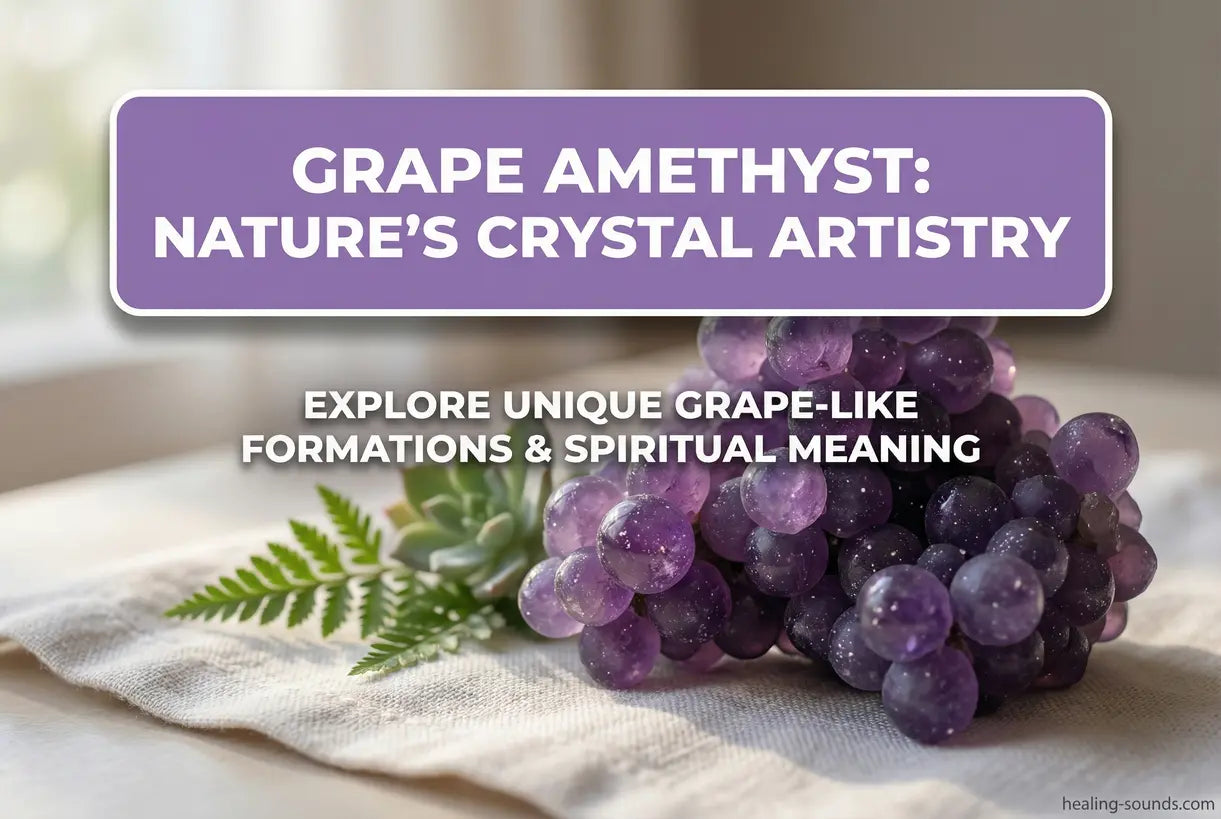
When you imagine an amethyst, you likely picture the classic hexagonal points or deep purple geodes. However, nature has a way of surprising us with extraordinary variations, and few are as captivating as grape amethyst. Also widely known in the trade as grape agate, this mineral features a distinct, bubbly appearance that sets it apart from traditional crystal formations. For spiritual seekers and mineral collectors alike, discovering these unique botryoidal clusters opens a new door to understanding the earth's artistic capability.
Whether you are drawn to it for its gentle, high-frequency energy or its striking aesthetic, understanding the origins and properties of grape amethyst adds depth to your collection. In this guide, we will explore what makes these formations so special, the science behind their "grape" shape, and the metaphysical grape amethyst meaning that resonates with so many crystal lovers today.
What is Grape Amethyst?
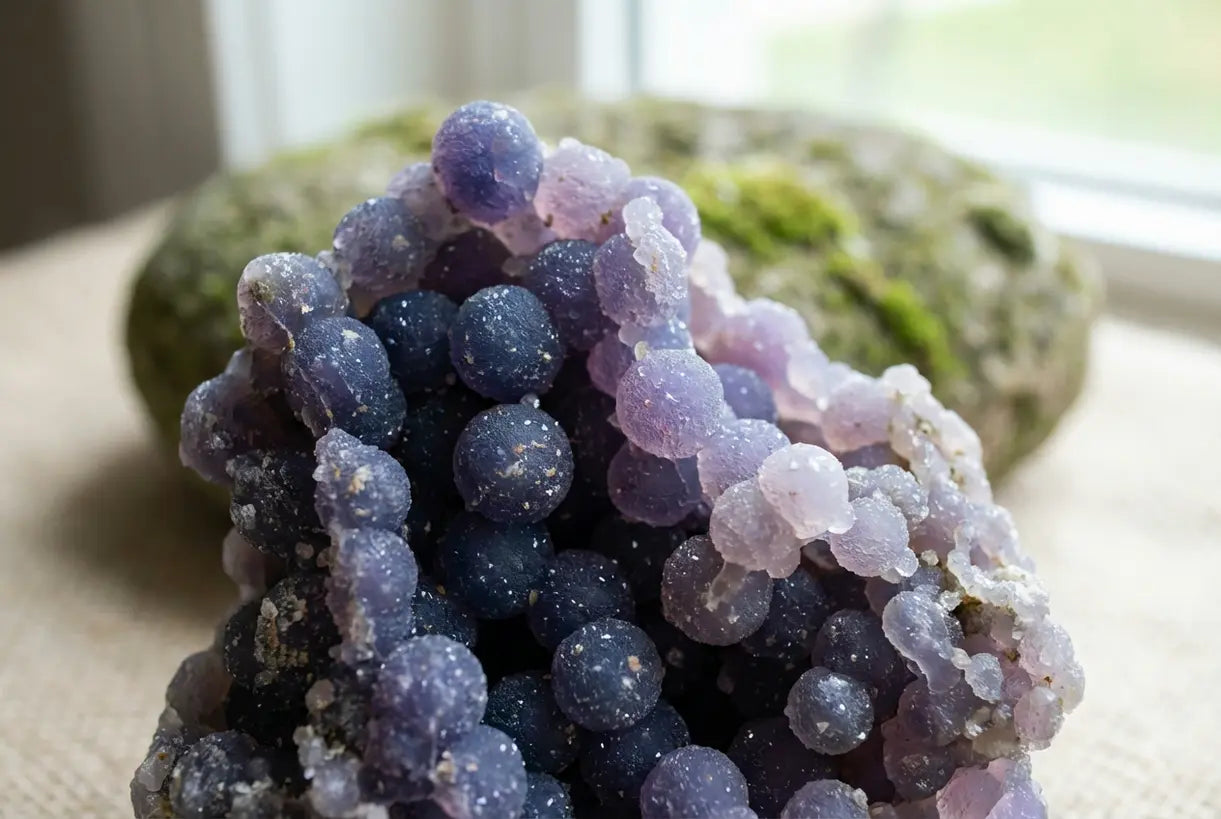
Grape amethyst is the marketing name often given to a specific and rare formation of purple quartz that manifests in a botryoidal habit. The term "botryoidal" comes from the Greek word for "cluster of grapes," perfectly describing the rounded, spherical aggregates that clump together to form this mineral. Unlike the sharp, terminated points of standard quartz, these crystals form smooth, interconnected spheres.
While often sold interchangeably as grape agate, the mineral composition is typically chalcedony (microcrystalline quartz) with a purple hue derived from mineral impurities. The luster can range from matte to sparkling, often appearing like sugared gumdrops or clusters of ripe fruit. This unique texture makes grape amethyst formations highly sought after for both mindful home decor and meditation practices.

Grape Amethyst vs. Grape Agate: Clearing the Confusion
One of the most common questions among collectors concerns the difference between grape amethyst vs grape agate. Are they the same stone? Technically, most specimens labeled as "grape agate" found on the market are botryoidal purple chalcedony. Since amethyst is the purple variety of macro-crystalline quartz, and chalcedony is micro-crystalline, they are siblings in the quartz family.
Traders often use the term grape amethyst simply to highlight the rich purple coloration that resembles classic amethyst. However, true natural botryoidal amethyst—where macro-crystals form this spherical shape—is exceptionally rare. For the purpose of spiritual work and collecting, both variations carry the soothing, high-vibrational purple ray energy associated with the Crown Chakra.

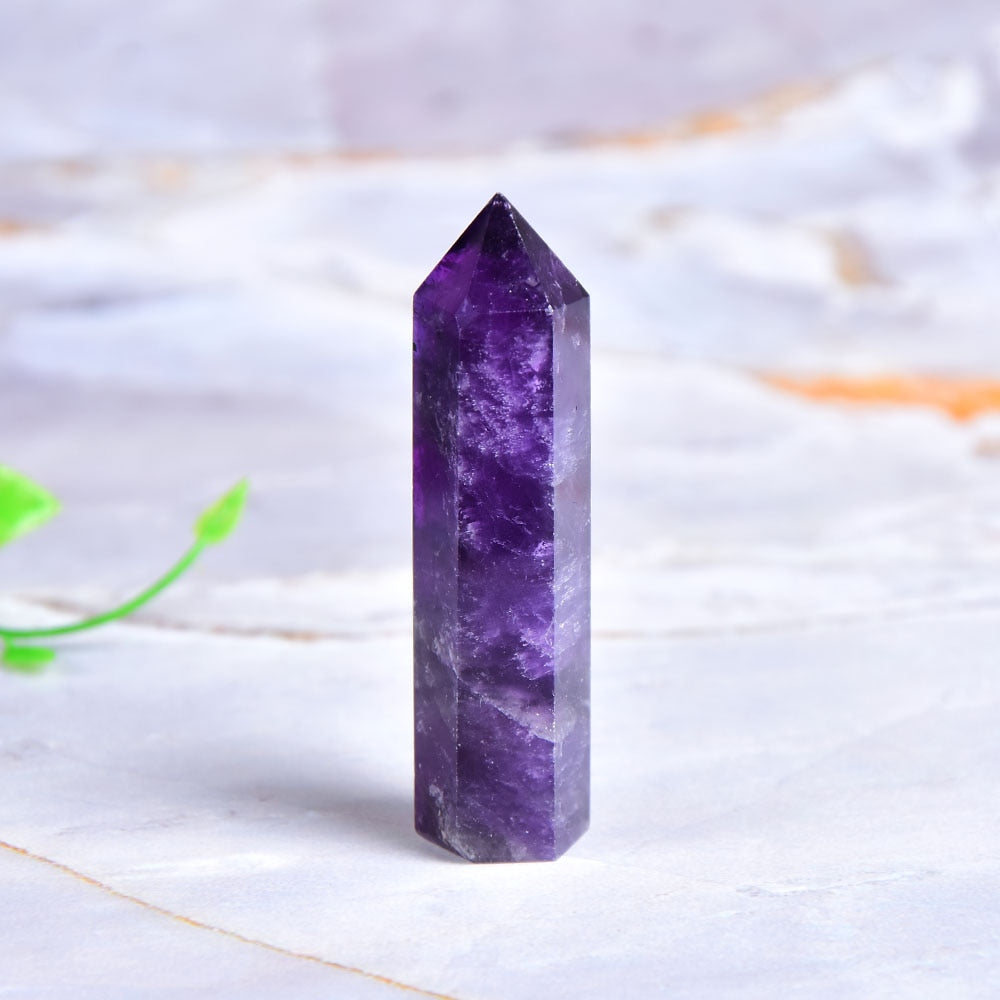
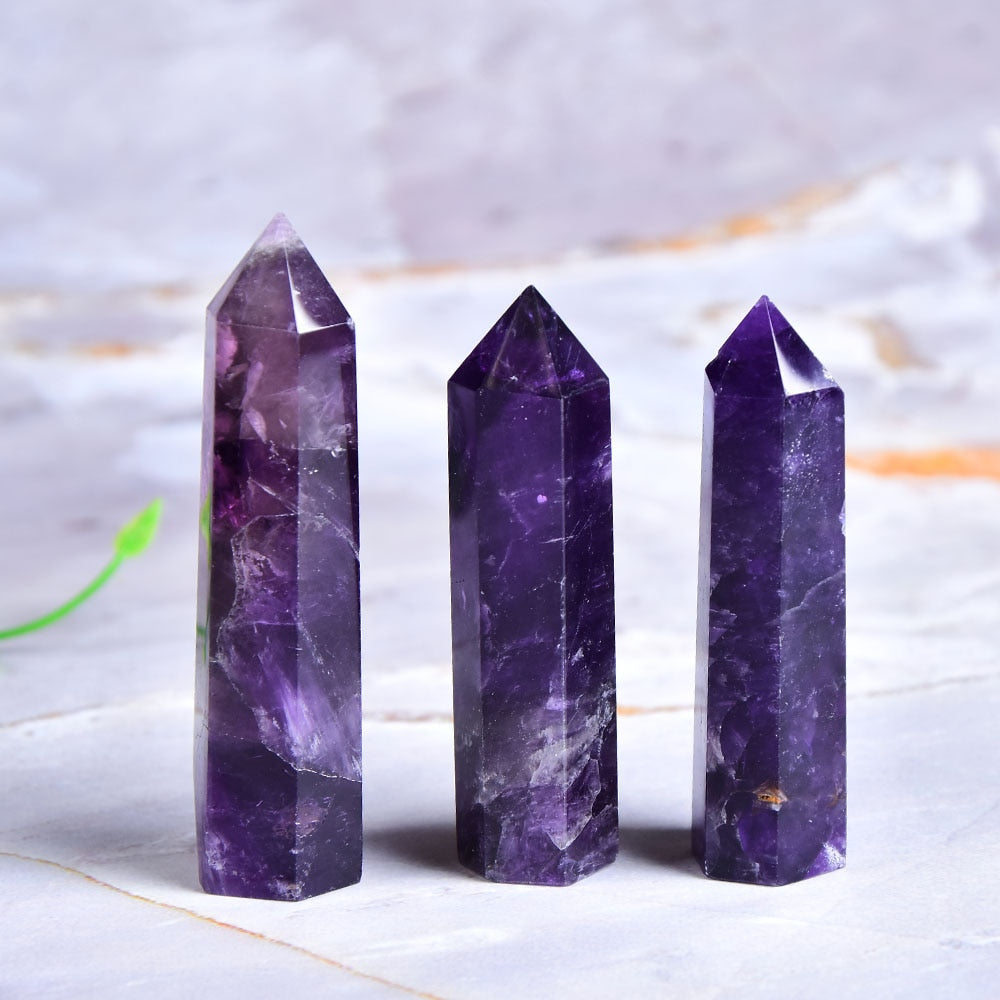
Tour de cristal d'améthyste pour la concentration et la méditation
$29.99 $39.99
Enhance your space and meditation with this handcrafted amethyst tower for balance, focus, and tranquility—a nod to unique formations.
Explore ProductThe Science of Botryoidal Formations
The formation of grape amethyst clusters is a geological marvel. These minerals primarily originate from Indonesia, specifically the Mamuju area in Sulawesi. They form in volcanic environments where mineral-rich hydrothermal fluids fill pockets and crevices in cooling lava.
Over millions of years, tiny layers of silica deposit around a nucleus, growing outward in a radial pattern to create spheres. When many of these spheres grow adjacent to one another, they merge into the purple grape agate clusters we recognize. The variation in color—from deep violet to pale lilac or even teal—depends on the trace elements present during crystallization. This slow, layered growth is what creates the fascinating texture that sets them apart from the geometric precision of a standard amethyst tower.
Grape Amethyst Meaning and Metaphysical Properties
Beyond its physical beauty, the grape amethyst meaning is deeply tied to spiritual growth and mental clarity. Just like traditional amethyst, this botryoidal variety is connected to the Third Eye and Crown Chakras. It is believed to be a stone of profound tranquility, helping to silence the mental chatter that often accompanies modern life.
- Promotes deep meditative states and lucid dreaming.
- Enhances intuition and psychic awareness.
- Provides a gentle, protective energy for the home.
- Encourages emotional stability and composure.
Many practitioners use grape amethyst formations in energy grids to soften the energy of a room. Its rounded shape is thought to emit energy more gently and evenly than a pointed crystal, making it ideal for bedrooms or healing spaces where a calm atmosphere is paramount.
Rarity and Value: Why is it Expensive?
If you have shopped for this mineral, you may have noticed the grape amethyst price can be higher than standard quartz. This is primarily due to the difficulty of mining. The deposits in Indonesia are often located in rugged, hard-to-access jungle terrain. Miners must extract these delicate clusters by hand to avoid damaging the fragile spheres.
Furthermore, high-quality specimens with deep purple color, luster, and minimal damage are rare. Grape amethyst formations that sparkle (often called "druzy") command a premium. As the primary deposits are worked out, the availability of high-grade pieces diminishes, driving up the value for collectors seeking natural botryoidal amethyst.
Styling and Care for Your Collection
Incorporating grape amethyst into your home decor brings a touch of organic elegance. Because of its intricate nooks and crannies, it can collect dust easily. It is best to display these pieces in a glass cabinet or on a clean altar. To clean them, use a soft brush and compressed air; avoid harsh water pressure or ultrasonic cleaners which could detach the delicate spheres.
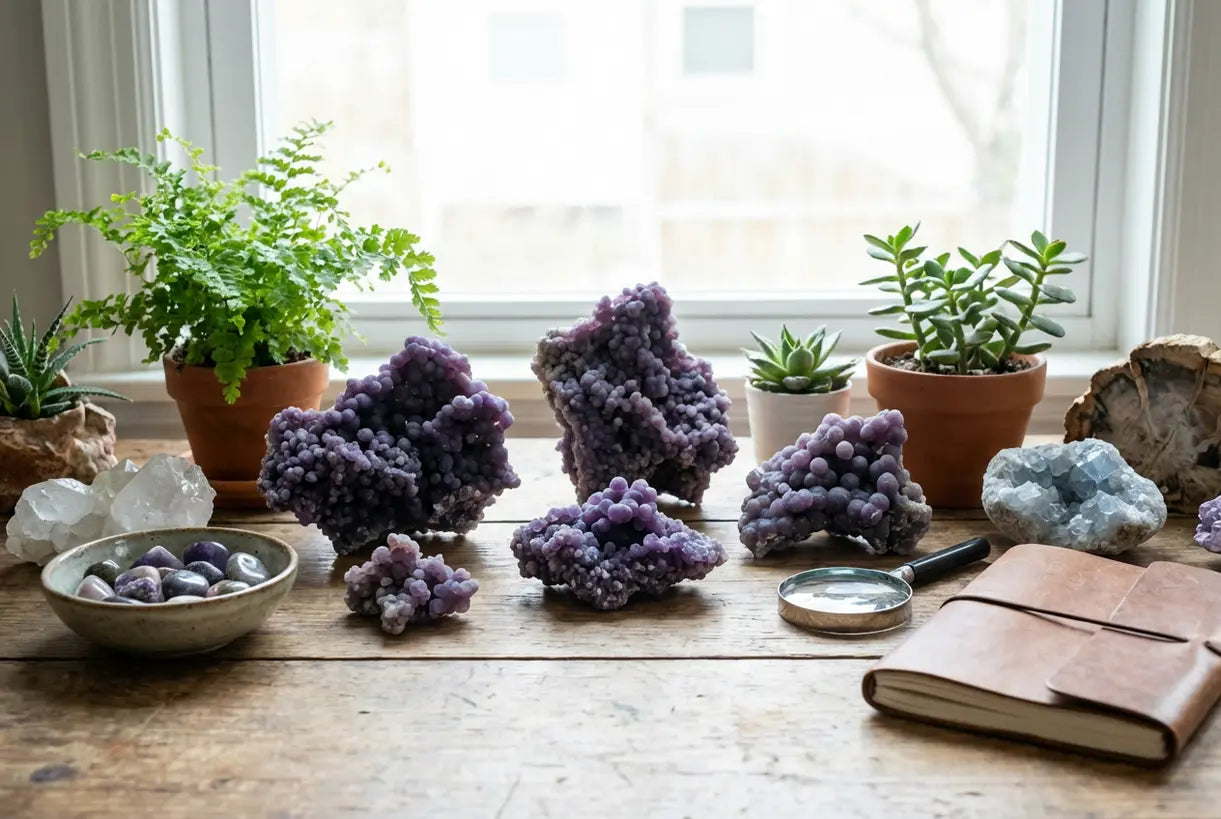
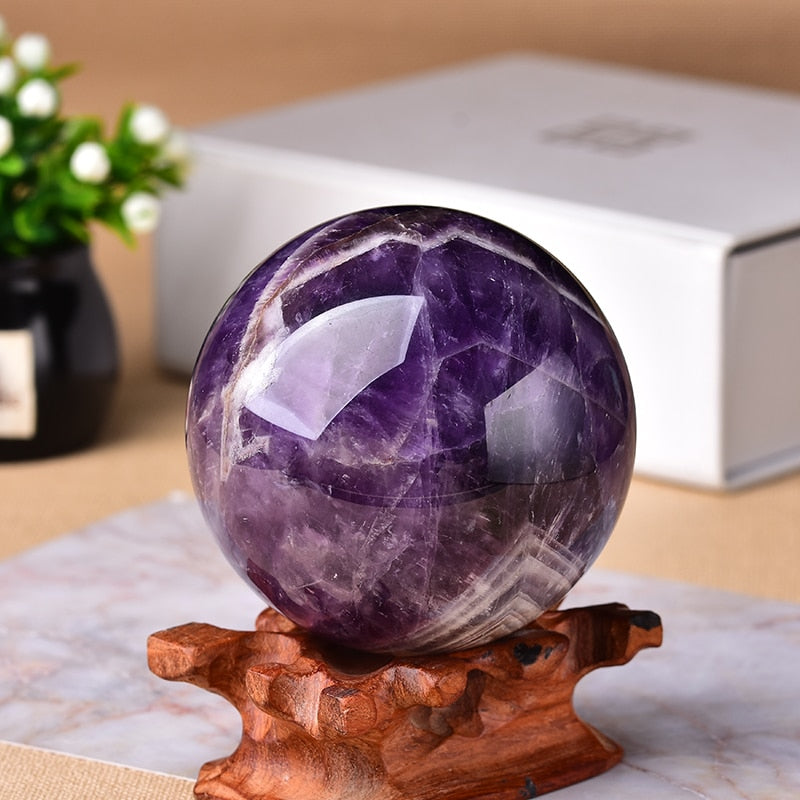
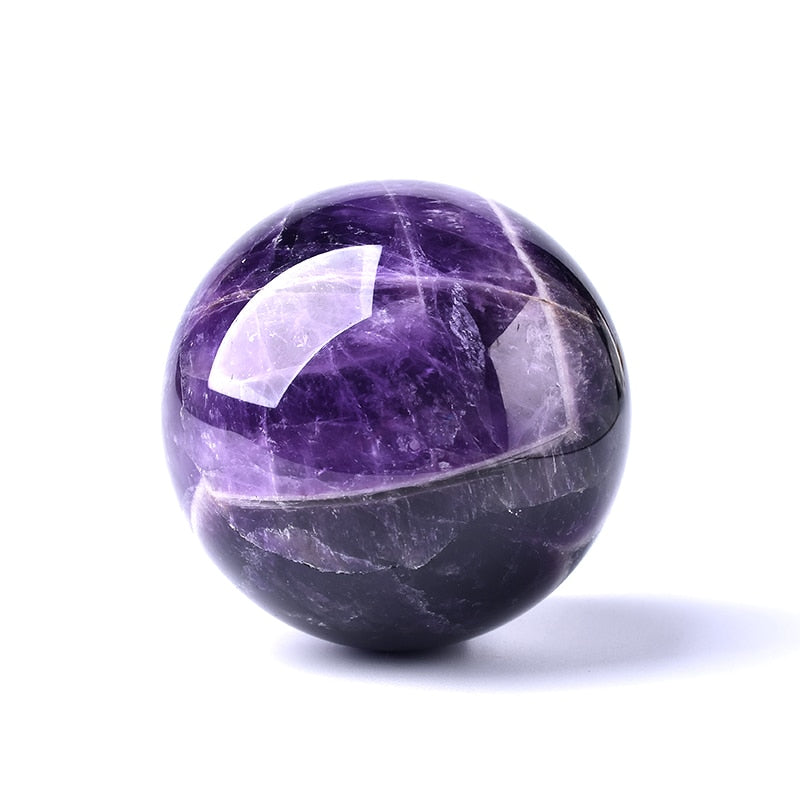
Pairing grape amethyst with other forms of amethyst, such as spheres or pyramids, creates a harmonious energy field. The contrast between the bubbly botryoidal texture and the smooth polish of a sphere adds visual interest and energetic balance to your sacred space.
Enhance Your Amethyst Collection
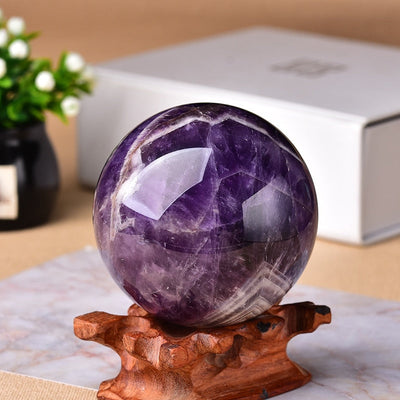
Sphère d'améthyste pour la sérénité et la clarté mentale
$49.99
$59.99
Embrace serenity and showcase unique amethyst structure with this hand-crafted sphere, perfect for mindful meditation and display. Learn more ➔
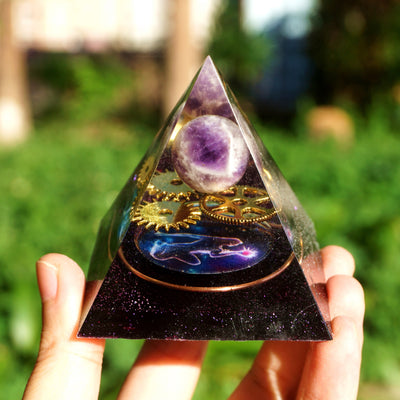
Pyramide d'orgone en cristal d'améthyste faite à la main
$59.99
$79.99
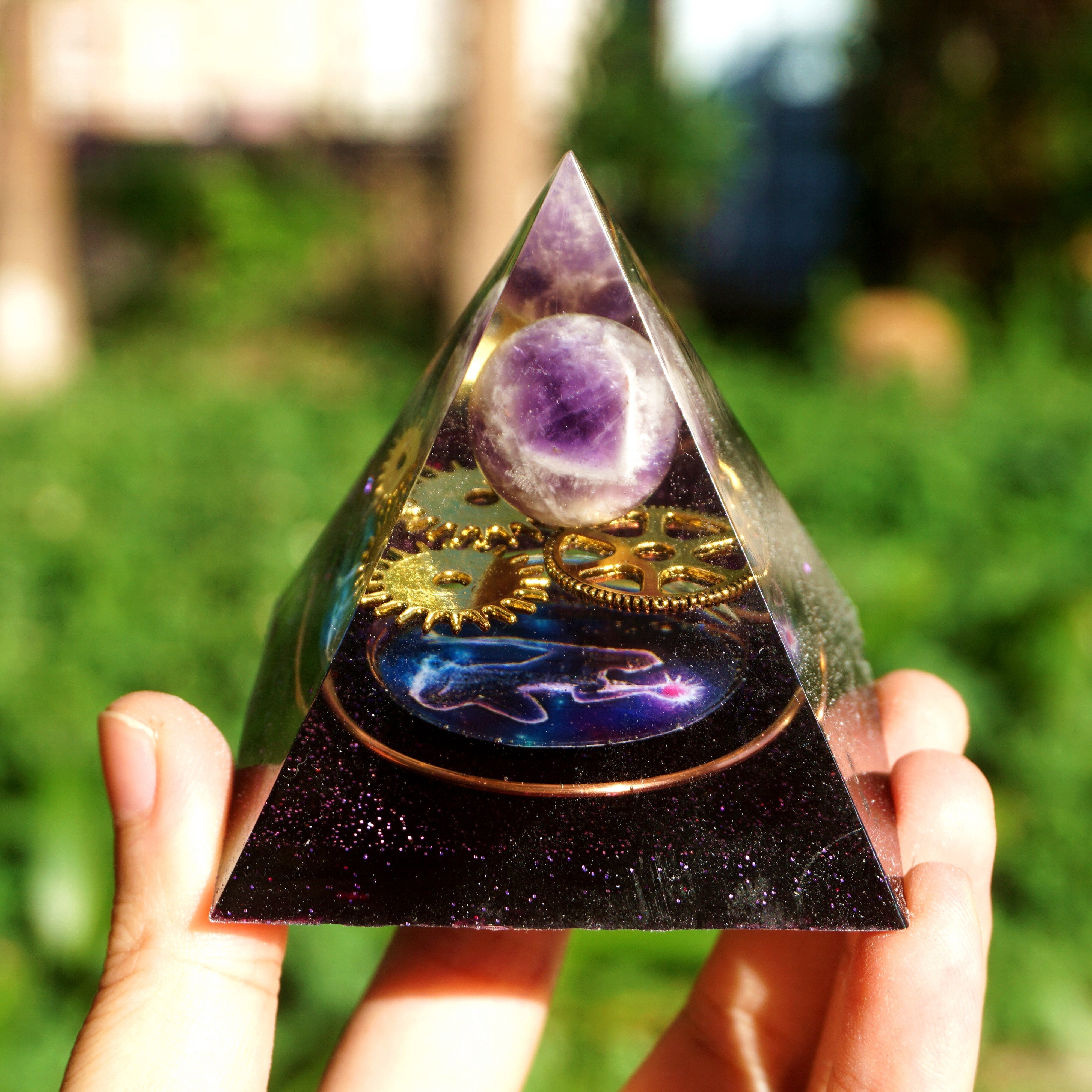
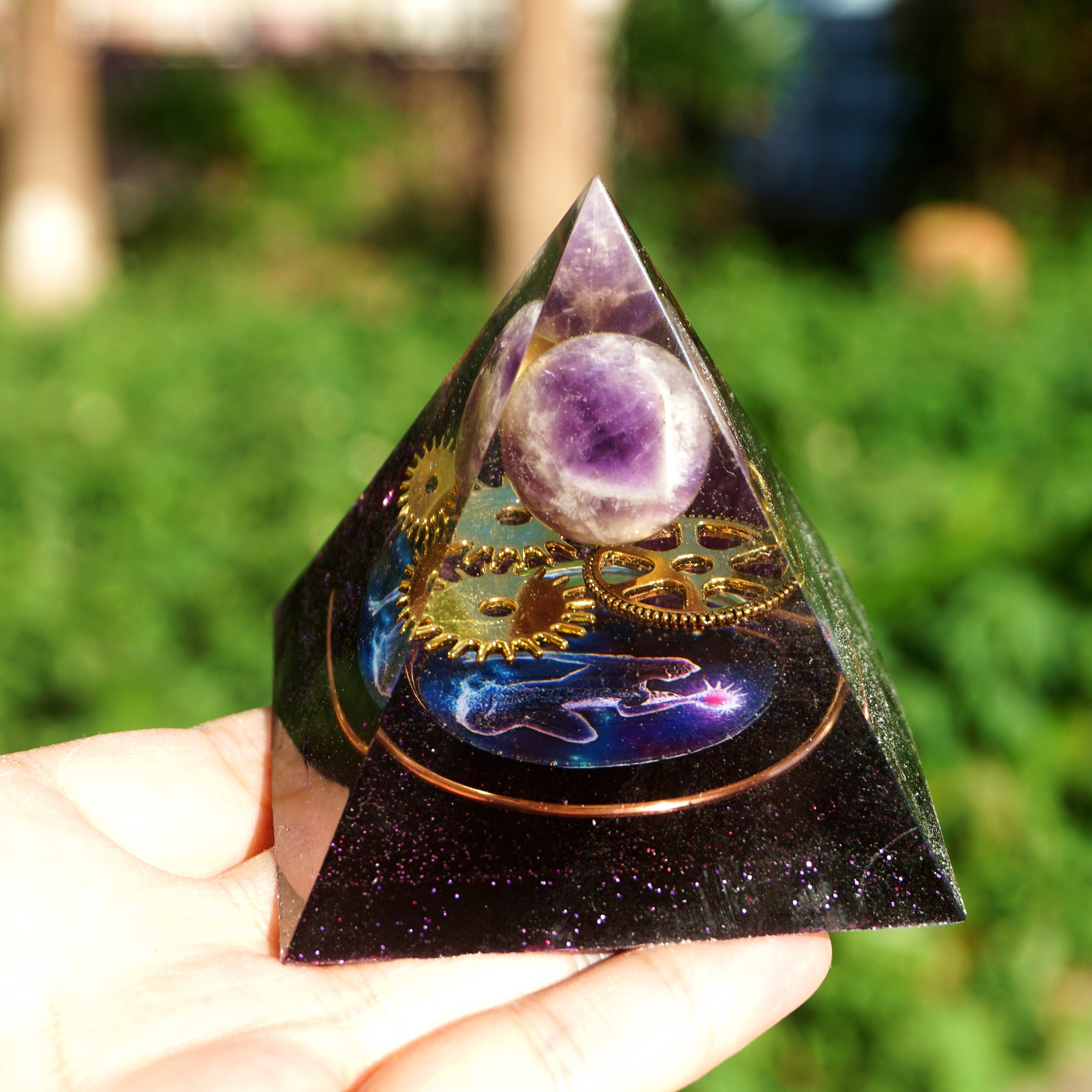
Infuse your home with harmony—this orgone pyramid highlights natural amethyst's energy and beautiful grape-like form. Learn more ➔
Conclusion
Grape amethyst is more than just a mineral oddity; it is a stunning example of nature's creativity. Whether you call it grape agate or botryoidal amethyst, its soothing energy and unique bubbly formation make it a prized addition to any crystal collection. By understanding its origins and caring for it properly, you preserve a piece of the earth’s history that radiates tranquility and grace.
We invite you to explore our curated selection of amethyst products, from polished spheres to energy pyramids, designed to bring harmony and focus into your daily life. Embracing these natural wonders is a beautiful step toward a more mindful and spiritually connected home.
Frequently Asked Questions about Grape Amethyst
Grape amethyst, often commercially known as grape agate, is a botryoidal (grape-like) formation of purple quartz or chalcedony. It consists of tiny spherical crystals clustered together, resembling bunches of grapes.
Grape agate is expensive due to its rarity and the labor-intensive mining process. It is primarily found in remote areas of Indonesia and must be carefully extracted by hand to preserve the delicate spherical structures.
They are often the same mineral. "Grape Agate" is the common trade name for botryoidal purple chalcedony. "Grape Amethyst" is a marketing term used to highlight the purple color, though scientifically, true crystallized amethyst in botryoidal form is extremely rare.
Deep Russian amethyst (Siberian) is historically considered the rarest and most valuable due to its rich color. However, unique formations like high-quality botryoidal "grape" amethyst are also considered rare among collectors due to their unique habit.
The primary source for grape amethyst (grape agate) formations is the Mamuju area on the island of Sulawesi in Indonesia. This volcanic region provides the specific geological conditions needed for these botryoidal clusters to grow.