Navigating the world of gemstones can be dazzling, but it can also be confusing, especially when terms like howlite turquoise start appearing on labels. Is it a rare variety of turquoise? Is it a completely different stone? For crystal enthusiasts and jewelry lovers, distinguishing between genuine minerals and market imitations is crucial for ensuring you get the energetic properties and value you expect.
The reality is that much of the affordable "turquoise" on the market is actually dyed turquoise howlite. While howlite is a beautiful and powerful stone in its own right, it is chemically distinct from copper-rich turquoise. Understanding the difference between howlite white turquoise (natural howlite) and dyed imitations will empower you to make informed decisions and avoid overpaying for fake howlite or mislabeled gems.
In this guide, we will break down the mineralogical differences, visual cues, and simple tests you can perform to identify whether your stone is genuine turquoise, dyed howlite, or another imitation like magnesite.
What is Howlite Turquoise?
The term "Howlite Turquoise" is somewhat of a misnomer in the gemological world. It usually refers to natural white howlite that has been dyed blue or green to resemble turquoise. Natural howlite is a borate mineral, typically found in white nodular masses with distinctive grey or black veining that resembles a spiderweb. This porous nature makes it an excellent candidate for dyeing.
Is Howlite turquoise real turquoise? No. They are two completely different minerals. Turquoise is a hydrous phosphate of copper and aluminum, prized for its natural sky-blue to green hues. Howlite is a calcium borosilicateg with a natural milky white color.
Key Distinction
- Natural Howlite: Opaque, white stone with grey/black chaotic veining.
- Turquoise: Opaque, blue-to-green stone, often with matrix (host rock) inclusions.
- "Howlite Turquoise": White howlite that has been chemically dyed to mimic the color of turquoise.
The Value of Natural White Howlite
Before dismissing howlite as just a "fake," it is important to recognize its own value. Howlite white turquoise (a trade name for natural howlite) is renowned in the metaphysical community for its calming properties. It is often used to reduce stress, aid sleep, and balance the Crown Chakra. The issue arises only when it is sold deceptively as expensive turquoise.

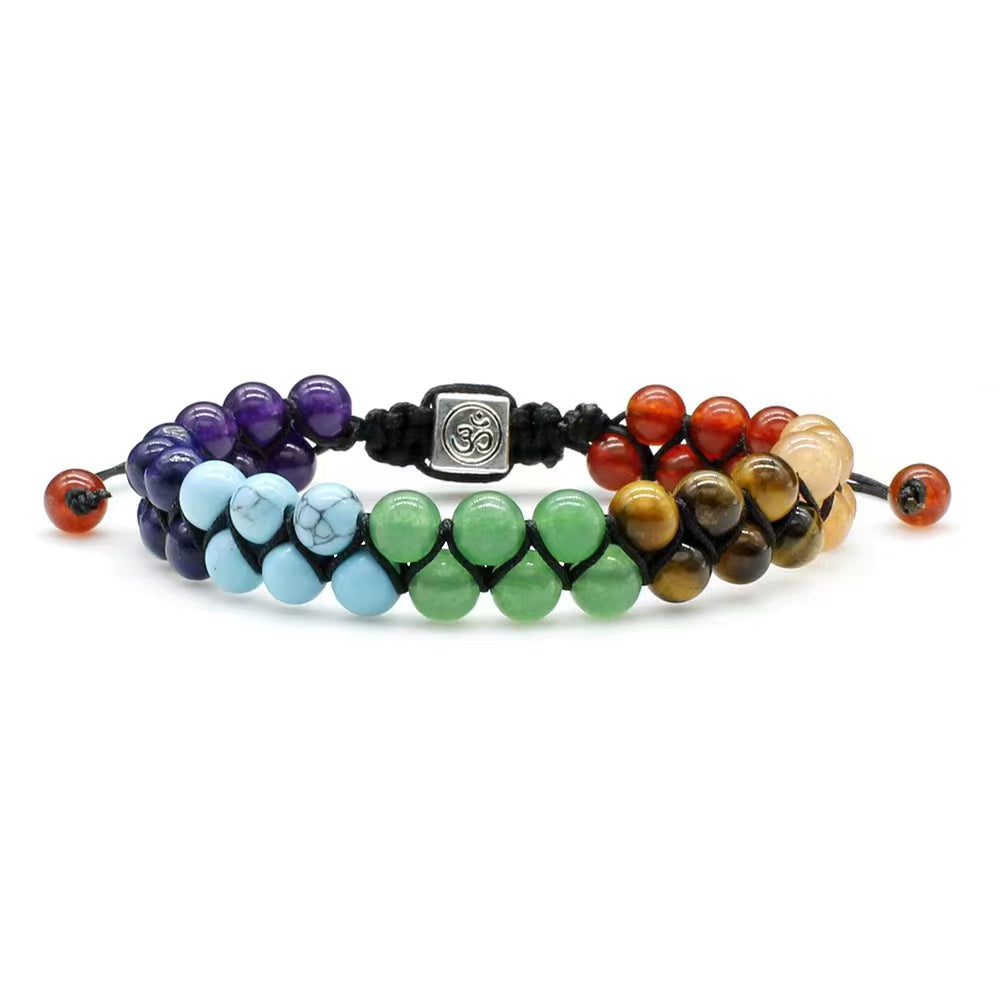
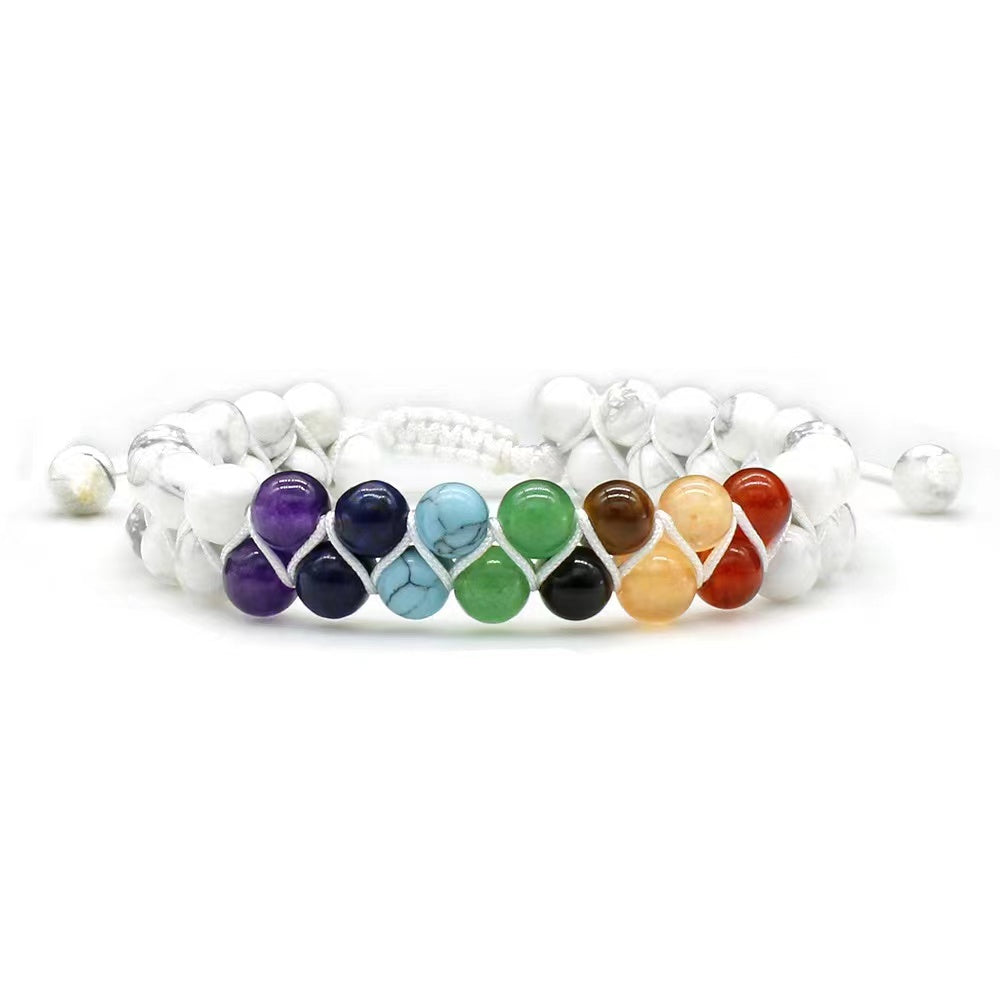
Bracelet chakra de 6 mm pour la guérison de l'équilibre énergétique
$59.90 $89.90
Explore real howlite's calming energy with this chakra bracelet—a stylish tool for balance and authenticity checks.
Explore ProductVisual Identification: Spotting the Differences
You don't always need a laboratory to tell the difference. Several visual characteristics can help you distinguish howlite turquoise from the real deal. The most obvious giveaway is often the matrix—the dark veins running through the stone.

1. The Matrix (Veining)
In natural howlite, the veins are typically soft, grey, or black and look somewhat like erratic pencil sketches. In genuine turquoise, the matrix is often harder, ranging from golden brown to black, and may feel more textured. If the stone is dyed turquoise howlite, the dye often accumulates in these veins, making them look unnaturally dark or saturated compared to the rest of the stone.
2. Hardness and Texture
Turquoise is harder than howlite. On the Mohs scale of mineral hardness, turquoise ranks between 5 and 6, while howlite is softer, sitting around 3.5. This means howlite and magnesite can be scratched much more easily than genuine turquoise. High-quality turquoise has a waxy to sub-vitreous luster, whereas howlite can appear more porcelain-like or dull, especially if it hasn't been polished well.
3. Color Consistency
Look closely at the surface. Genuine turquoise often has subtle variations in color depth. Howlite turquoise that has been dyed often presents a very uniform, unnatural blue. Sometimes, you can spot white patches where the dye didn't fully penetrate, or where the stone has chipped near the drill hole of a bead.
For a deeper dive into these visual differences, watch this helpful comparison:
Common Imitations: Magnesite and Plastic
While howlite is the most common substitute, it isn't the only one. Magnesite is another carbonate mineral that is frequently dyed to mimic turquoise. Magnesite often has a distinct "cauliflower" look to its surface texture, which howlite lacks. It also takes dye very well, leading to convincing fakes.
Worse than mineral substitutions are fake howlite or turquoise made from plastic or resin. These are often known as "block turquoise." They feel warm to the touch (unlike cold genuine stones) and will melt or smell like burning plastic if touched with a hot needle.
Scientific & Home Testing Methods
If you have already purchased a stone and want to verify its identity, there are a few tests you can perform at home. However, proceed with caution, as some tests are destructive.

The Acetone Test
This is the most effective way to spot dyed turquoise howlite. Dip a cotton swab in acetone (nail polish remover) and rub it on an inconspicuous part of the stone. If the cotton swab turns blue, the stone is dyed. Genuine turquoise will not release color. Note that some turquoise is "stabilized" with clear resin, but this should not transfer blue pigment.
The Scratch Test
Since howlite is significantly softer than turquoise, you can try to scratch the stone in a hidden area. A steel knife (approx. 5.5 Mohs) will easily scratch howlite (3.5 Mohs) but will struggle to scratch high-quality turquoise (5-6 Mohs). Be aware that some low-grade turquoise is soft and stabilized, so this test is not always 100% conclusive on its own.

Metaphysical Properties: Howlite vs. Turquoise
Understanding the mineral composition helps identify the stone, but knowing the energetic difference ensures you use the right crystal for your needs. Howlite turquoise meaning is often conflated with real turquoise, but their energies differ.
- Genuine Turquoise: Associated with the Throat Chakra, communication, protection, and ancient wisdom. It is a master healer stone.
- Natural Howlite: Associated with the Crown Chakra. It is the stone of patience, calm, and memory. It helps reduce anger and insomnia.
- Dyed Howlite: Retains the energetic properties of howlite (calmness) but carries the color vibration of blue (communication). It is a valid tool for color therapy, provided you know what you are holding.
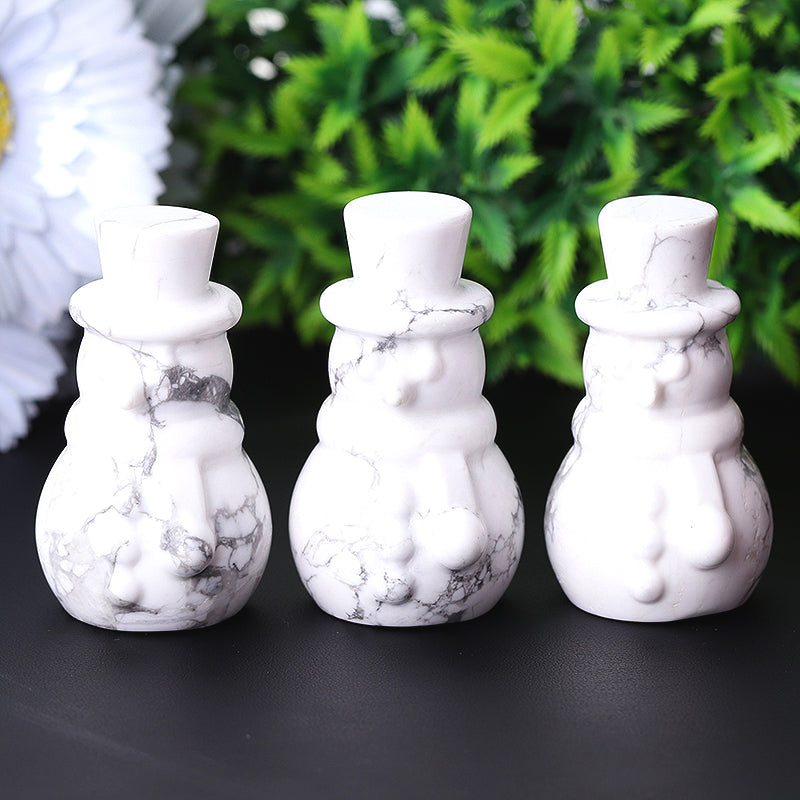
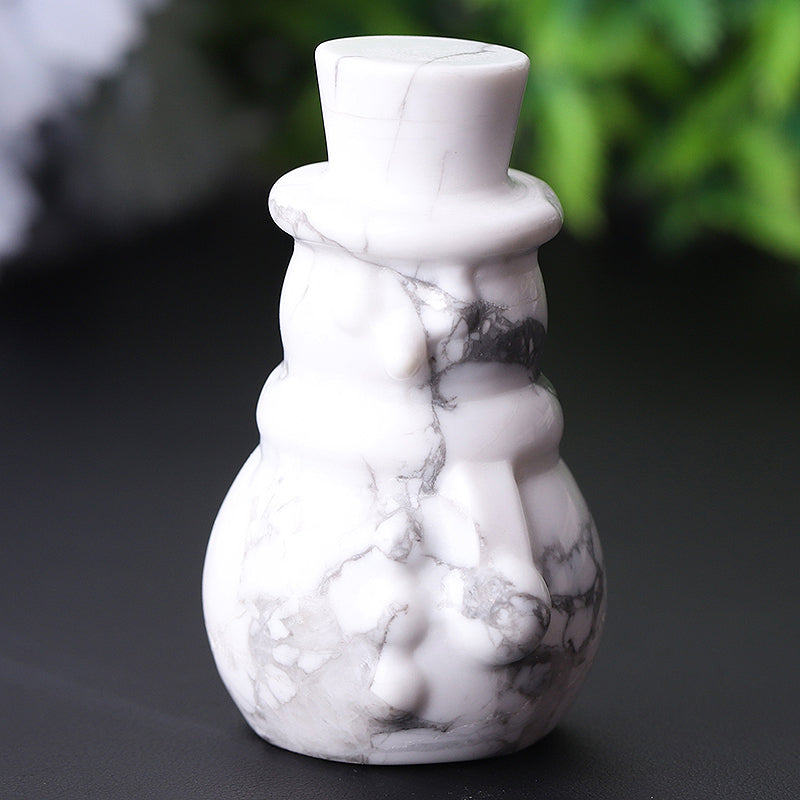
If you are looking for the authentic, peaceful energy of white howlite, consider exploring carvings and figurines that display the stone's natural beauty without dye.
Authentic Howlite Carvings

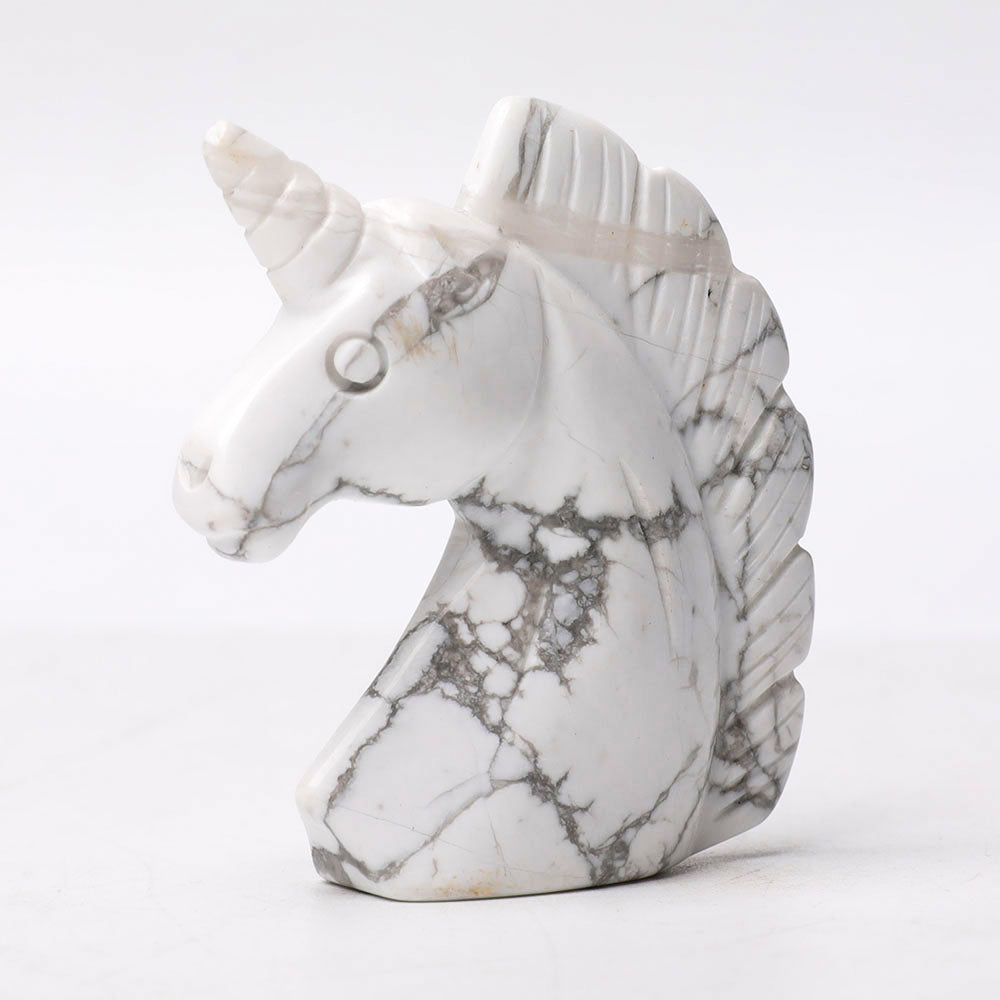
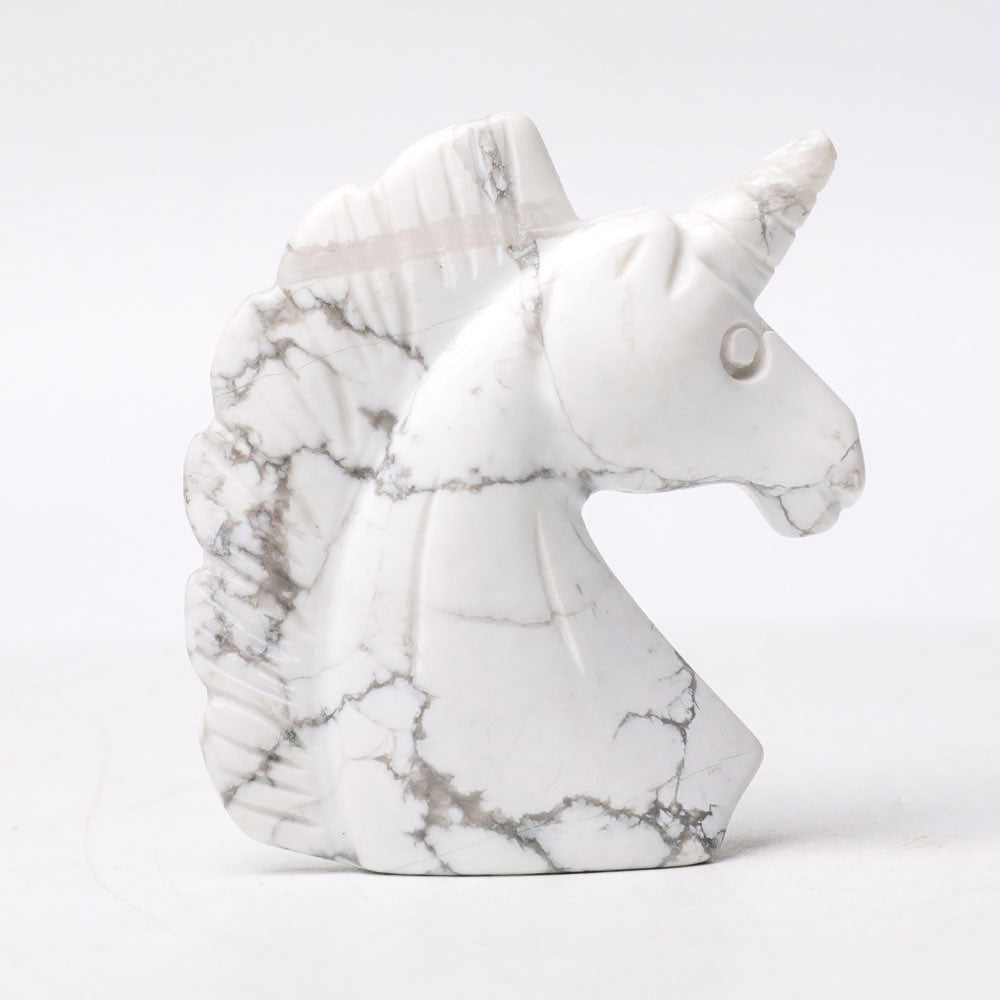
Experience authentic white howlite in this unique figurine—perfect for identifying real crystals and adding serenity to your space. Learn more ➔

Spot real howlite: this hand-carved unicorn carving showcases genuine veining and offers calming energy for mindful collectors. Learn more ➔
Conclusion
Identifying howlite turquoise and other imitations is a skill that saves you money and ensures you connect with the right crystal energies. Whether you are holding a piece of dyed turquoise howlite or a rare Sleeping Beauty turquoise, knowing the origin of your stone deepens your appreciation for it. Remember to check the hardness, inspect the matrix for dye concentrations, and trust your intuition. Authenticity is key to a powerful crystal practice.
Frequently Asked Questions about Howlite Turquoise
No, Howlite turquoise is not real turquoise. It is usually natural white howlite that has been dyed blue or green to imitate the appearance of genuine turquoise. They are chemically different minerals.
While often sold as an imitation, dyed howlite still retains the metaphysical properties of natural howlite. It is good for calming the mind, reducing stress, aiding sleep, and patience. The blue color can also add color therapy benefits related to the throat chakra.
You can tell the difference by checking the hardness (turquoise is harder), performing an acetone rub test (dye will rub off howlite), and inspecting the cracks (dye pools in the cracks of howlite). Genuine turquoise also has a more waxy luster compared to howlite's porcelain-like finish.
"White turquoise" is largely a marketing myth. Most stones sold as such are actually natural white howlite or magnesite. There is a rare form of white turquoise known as "Sacred Buffalo," but it is expensive and rare, whereas howlite is abundant and affordable.
Spot fake turquoise by looking for uniform color without natural variation, "cauliflower" patterns (magnesite), or dye pooling in crevices. Plastic fakes will feel warm and melt with a hot needle. If the price seems too good to be true for the size and color, it is likely an imitation.