Few gemstones capture the spirit of the American Southwest quite like the vibrant stones mined from the Mineral Park district in Arizona. Among collectors and jewelry enthusiasts, Kingman turquoise stands as a benchmark for quality, color variety, and historical significance. Known for its distinct characteristics and rich heritage, this gemstone has been a staple in jewelry making for centuries, dating back to prehistoric times.
For those looking to understand Kingman turquoise value or seeking to add a piece of American turquoise history to their collection, distinguishing authentic stones from the myriad of types of turquoise on the market is essential. This guide explores the unique traits, identification methods, and investment potential of this American classic.
The History of the Kingman Mine
Located in the Cerbat Mountains roughly 14 miles northwest of Kingman, Arizona, the Mineral Park mine is one of the oldest and highest-producing turquoise mines in America. Archaeological evidence suggests that indigenous peoples mined this area as early as 600 A.D., trading the blue stones across the continent. Today, it remains one of the few commercially active Kingman turquoise mines, operated by the Colbaugh family, who have managed the site for generations.
The mine's longevity contributes significantly to the stone's fame. While many other famous mines, like Sleeping Beauty or Bisbee, have closed, Kingman continues to produce a steady supply, allowing it to become the industry standard for authentic Kingman turquoise. Its production levels have allowed it to become a staple in Native American jewelry and modern fashion alike.
Defining Characteristics of Kingman Turquoise
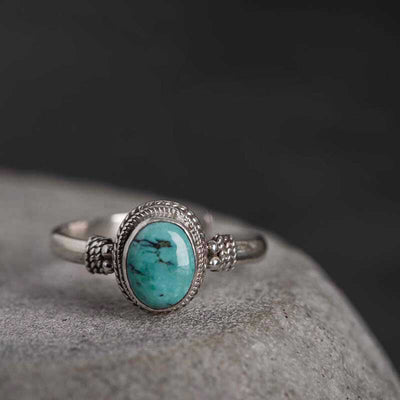
Identifying this stone requires a keen eye for color and matrix. Kingman turquoise characteristics are incredibly diverse, ranging from soft sky blues to deep, rich greens. However, the most prized variation is the "High Blue"—a vibrant, intense blue that rivals the finest Persian turquoise.

What often sets Kingman apart is its matrix—the host rock that runs through the turquoise. The matrix can appear as:
- Black Spiderweb: A highly desirable, intricate web-like pattern contrasting against the blue.
- Silver Pyrite: Metallic flecks that add a unique shimmer to the stone.
- Water Web: A specific look where the matrix creates the appearance of water ripples.
Understanding these variations is crucial when grading Kingman turquoise. The presence of a tight, uniform spiderweb matrix generally increases the value significantly compared to clear or unevenly matrixed stones.

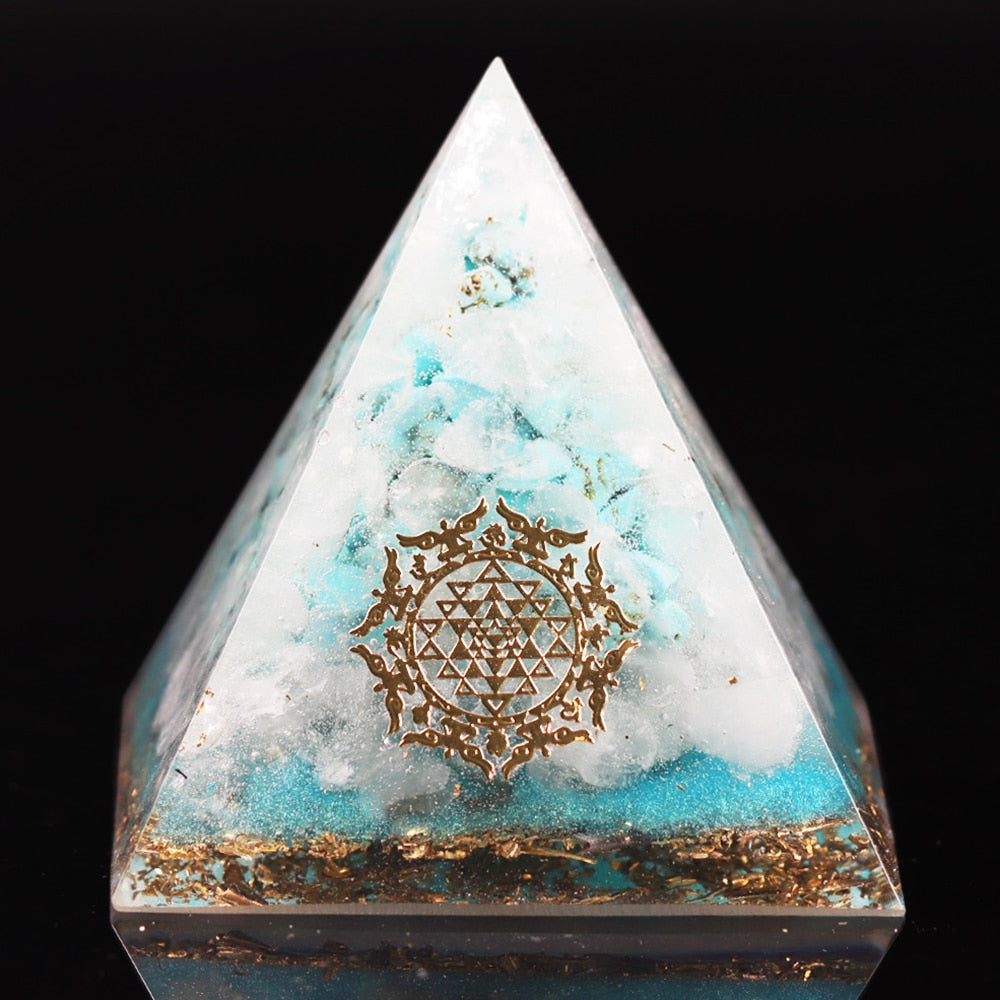
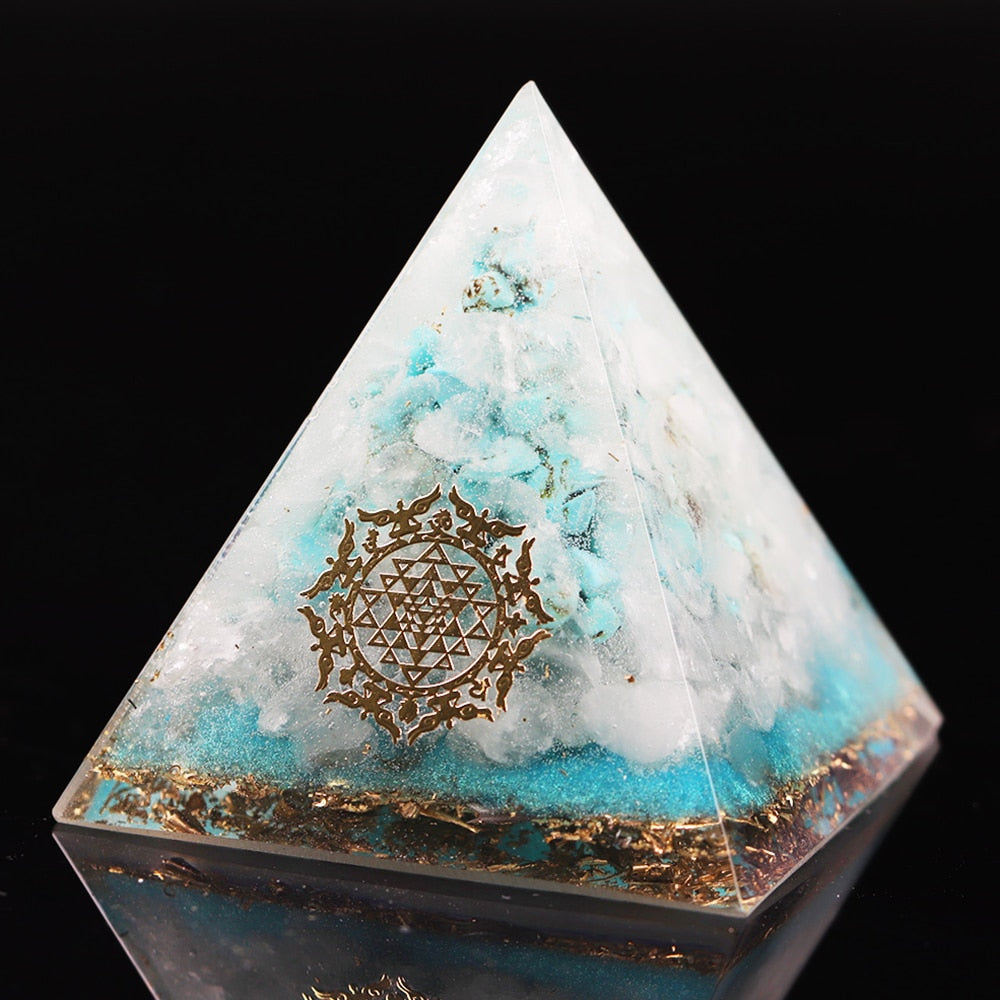
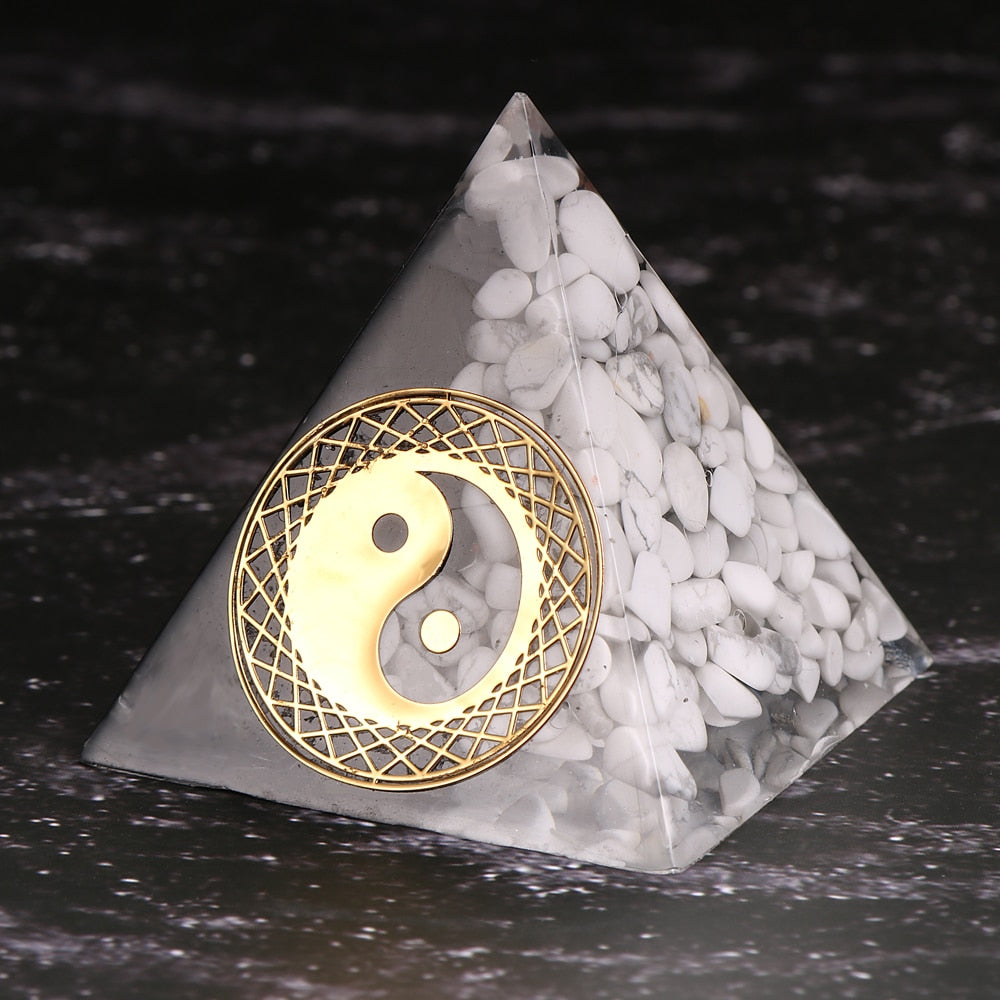
Pyramide d'orgonite d'amour supérieur avec cristal turquoise
$59.99 $79.99
Bring Kingman turquoise energy into your space with this orgonite pyramid, crafted for harmony, balance, and protection.
Explore ProductIs Kingman Turquoise Valuable?
The question of value is common among new collectors. Generally, Kingman turquoise value is determined by the hardness, color intensity, and matrix pattern. While the mine produces a large volume of stone, high-grade natural Kingman turquoise accounts for a very small percentage of the total yield. These top-tier stones are rare and command high prices per carat.
Stabilized Kingman turquoise is more affordable and widely available. Stabilization is a process where a clear resin is infused into the stone to harden it and preserve the color. While purists prefer natural untreated stones, stabilized Kingman is still considered genuine and is excellent for everyday jewelry due to its increased durability.
Collector's Tip: The "Ithaca Peak" variety, a specific deposit within the Kingman mine, is famous for its high-grade blue stone with pyrite inclusions and is among the most valuable American turquoise available.
How to Identify Genuine Kingman Turquoise
With so many synthetic imitations on the market, Kingman turquoise identification is a critical skill. Unlike plastic or dyed howlite fakes, genuine Kingman stone will have a detectable weight and a coolness to the touch.

When examining a stone, look for the following signs of authenticity:
- Matrix Depth: In natural stones, the matrix is part of the stone's structure. If the "cracks" look painted on or too uniform, it may be a fake.
- Color Consistency: While Kingman is known for blue, slight natural variations within the stone are normal. An unnaturally uniform block of color often indicates plastic.
- Hardness: Kingman is relatively hard (5-6 on the Mohs scale). It should not scratch easily with a fingernail or a copper coin.
For a deeper dive into gemstone properties and scientific identification, resources like the Gemological Institute of America (GIA) provide extensive data on mineral composition.
Mining and Processing in Arizona
The process of extracting turquoise from the Mineral Park mine is a massive operation. As one of the last major commercial mines in the US, it plays a pivotal role in keeping American turquoise available to the world. Understanding the mining process helps in appreciating the rarity of the high-grade material.
The video below offers an excellent look into the history and operations of this famous location, highlighting why Kingman turquoise vs Sleeping Beauty comparisons often arise due to their proximity and shared history in Arizona mining.
Because the Kingman mine produces soft, chalky material alongside the hard natural stone, the Colbaugh family pioneered stabilization techniques. This innovation allowed beautiful, albeit softer, turquoise to be used in jewelry, democratizing access to these blue gems.


Collecting and Metaphysical Properties
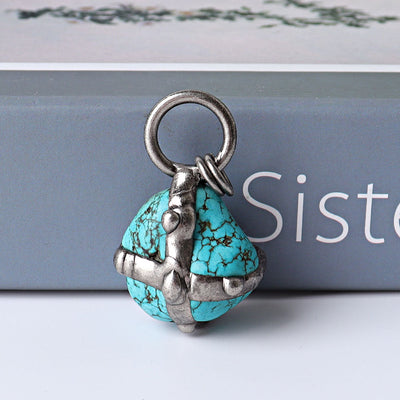
Beyond its monetary worth, many collectors seek out Kingman turquoise for its beauty and metaphysical associations. In crystal healing traditions, turquoise is considered a master healer, believed to provide protection and promote honest communication. The distinct energy of authentic Kingman turquoise is often sought after to balance the Throat Chakra.

Whether you are grading Kingman turquoise for an investment portfolio or wearing it for spiritual grounding, the stone's connection to the earth and American history makes it a powerful talisman. It bridges the gap between ancient tradition and modern style.
Wearable American History & Balance

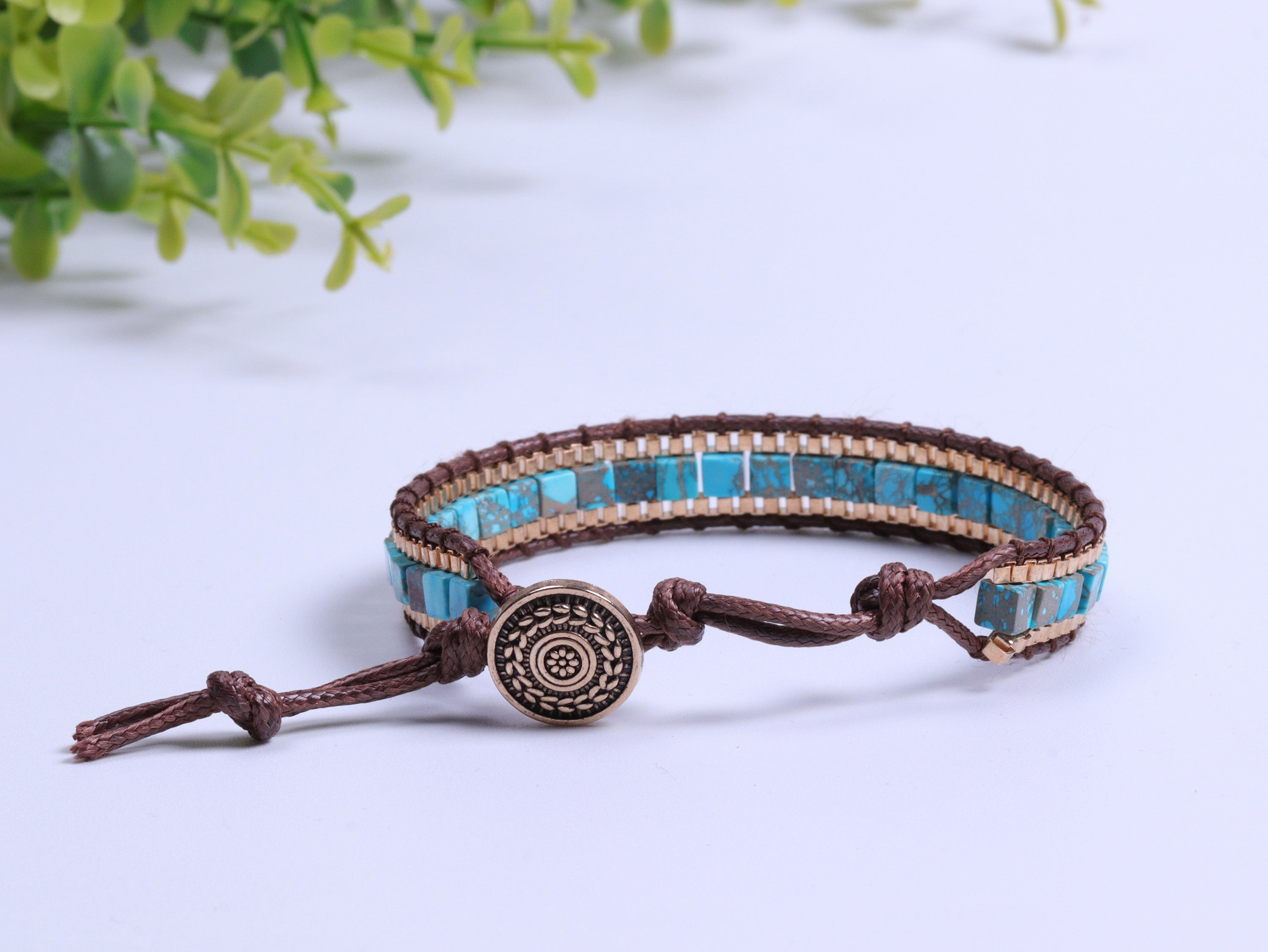
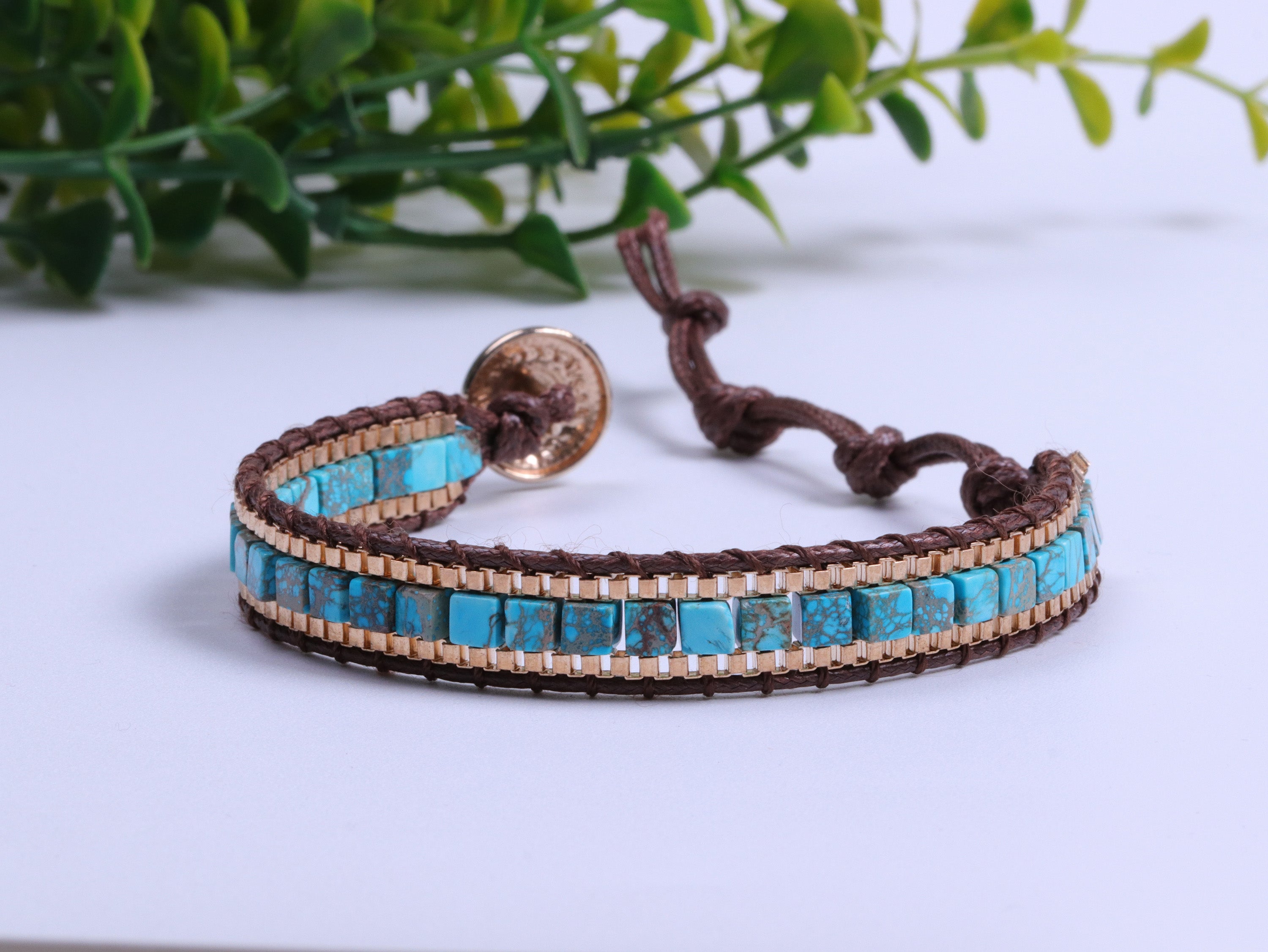
Bracelet turquoise pour la force et la protection
$39.99
$49.99
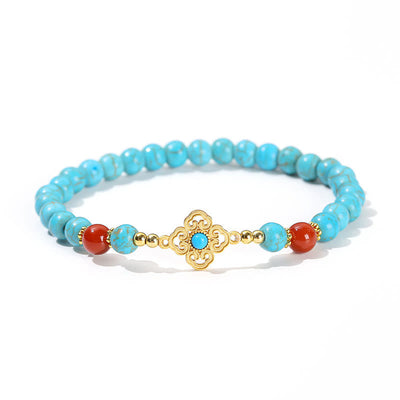
Enjoy the historical appeal and metaphysical properties of turquoise with this bracelet designed for strength and spiritual wellness. Learn more ➔

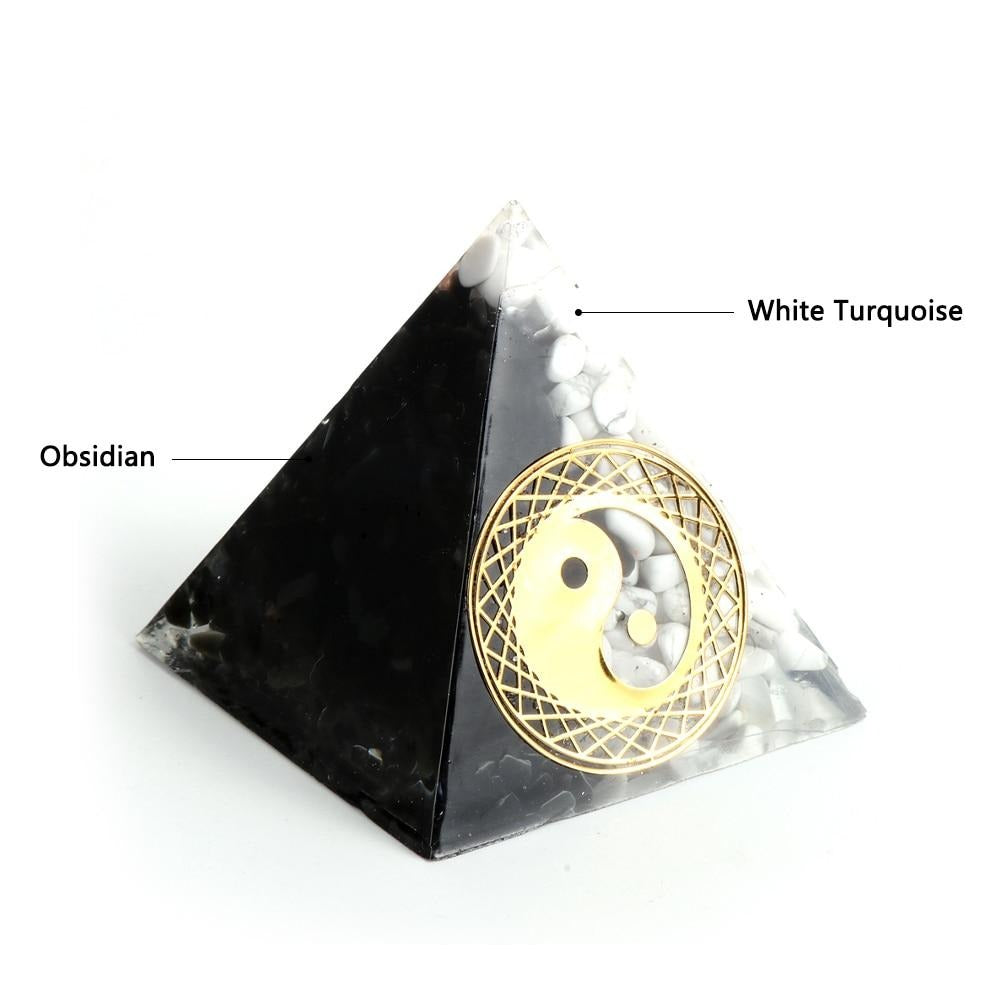
Enrich your collection with this pyramid featuring both black obsidian and white turquoise, symbolizing balance and natural elegance. Learn more ➔
Conclusion
Kingman turquoise remains an enduring symbol of the American Southwest. Its wide range of colors, interesting matrix patterns, and availability make it a favorite for both new buyers and seasoned collectors. Whether you are drawn to the rare "High Blue" stones or the affordable stabilized beads, owning a piece of Kingman turquoise is owning a piece of geological history.
We invite you to explore our curated selection of turquoise items, perfect for bringing a touch of this timeless energy into your daily life.
Frequently Asked Questions about Kingman Turquoise
Kingman Turquoise is known for its wide variety of blue and green colors and its distinctive matrix patterns, which can range from black spiderweb to silver pyrite inclusions. It is also famous for being one of the longest-operating turquoise mines in America.
Yes, particularly high-grade natural Kingman turquoise, which is rare and highly prized by collectors. While stabilized Kingman turquoise is more common and affordable, stones with deep "High Blue" color and tight black web matrix command significant value.
Genuine Kingman turquoise can often be identified by its specific matrix patterns, such as the "water web" or black spiderweb. It should be cool to the touch and possess a hardness that prevents it from being easily scratched, unlike plastic imitations.
Kingman is distinct for its broad color spectrum and the availability of both stabilized and high-grade natural stones. Unlike Sleeping Beauty turquoise, which is known for being matrix-free, Kingman is celebrated for the character and contrast of its matrix.
It is found in the Mineral Park district within the Cerbat Mountains, located approximately 14 miles northwest of Kingman, Arizona. This area has been a source of turquoise mining for over 1,000 years.