
For crystal enthusiasts and healers alike, the journey of a gemstone begins long before it reaches a collection shelf. Understanding the origins of your crystals connects you deeply to their energy. Kyanite mines are scattered across the globe, hidden in metamorphic rocks that tell a geological story of immense pressure and transformation. From the vibrant blue blades of South America to the gem-quality treasures of the Himalayas, knowing where is kyanite found adds a layer of appreciation to this high-vibration stone.
Whether you are a collector seeking specific localities or a spiritual practitioner looking to understand the earth energy behind your tools, exploring worldwide kyanite sources reveals the diversity of this mineral. In this guide, we will traverse the map to uncover the major kyanite mining locations, examining how geography influences the quality, color, and availability of these magnificent crystals.
The Geological Birth of Kyanite
To understand kyanite crystal origin, one must look at the geological forces at play. Kyanite is a metamorphic mineral that forms under high pressure but relatively low-temperature conditions. It is typically found in aluminum-rich metamorphic pegmatites and sedimentary rock. This specific formation process is why kyanite is often associated with regional metamorphism—large-scale geological events where rocks are buried deep underground and altered by heat and pressure.
Because of these specific requirements, kyanite deposits serve as a geological barometer; their presence tells geologists about the pressure history of the terrain. While blue is the most recognized color, the specific trace elements present in the soil of different kyanite mining countries can yield orange, green, and even black variations.
- Geological Indicator: Kyanite indicates high-pressure metamorphic environments.
- Primary Colors: Blue (most common), followed by Green, Orange, and Black depending on the mine location.
- Formation: Often found in schists and gneisses.

Major Global Kyanite Mining Locations
While kyanite is found in many places, only a few regions produce the high-quality specimens coveted by collectors. The distinction between industrial-grade kyanite (used in ceramics and electronics) and gem-grade kyanite is significant.
Brazilian Kyanite: The Giant of the South
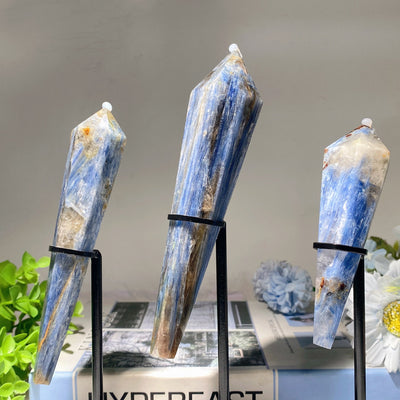
When discussing crystal specimens, Brazilian kyanite is often the gold standard for availability and beauty. Brazil is arguably the most prolific producer of the deep blue, blade-like crystals that fill metaphysical shops worldwide. The state of Minas Gerais is famous for its vast mineral wealth and is a primary source of these stunning formations.
Crystals from Brazil are known for their distinct bladed habit and rich, royal blue coloration. These kyanite mining locations often yield large clusters that are perfect for display. The energy of Brazilian stones is frequently described by healers as robust and clearing, ideal for aligning the chakras.

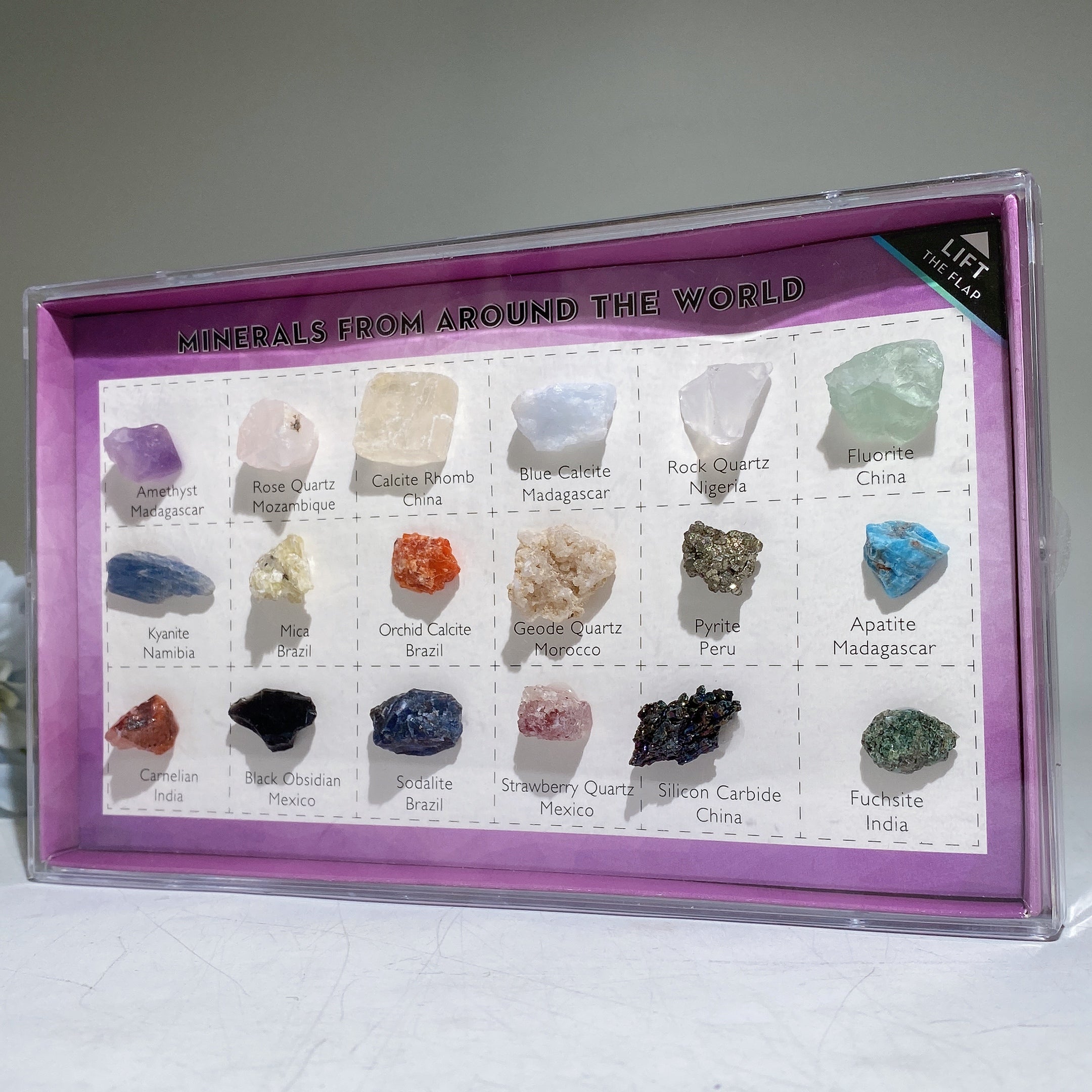
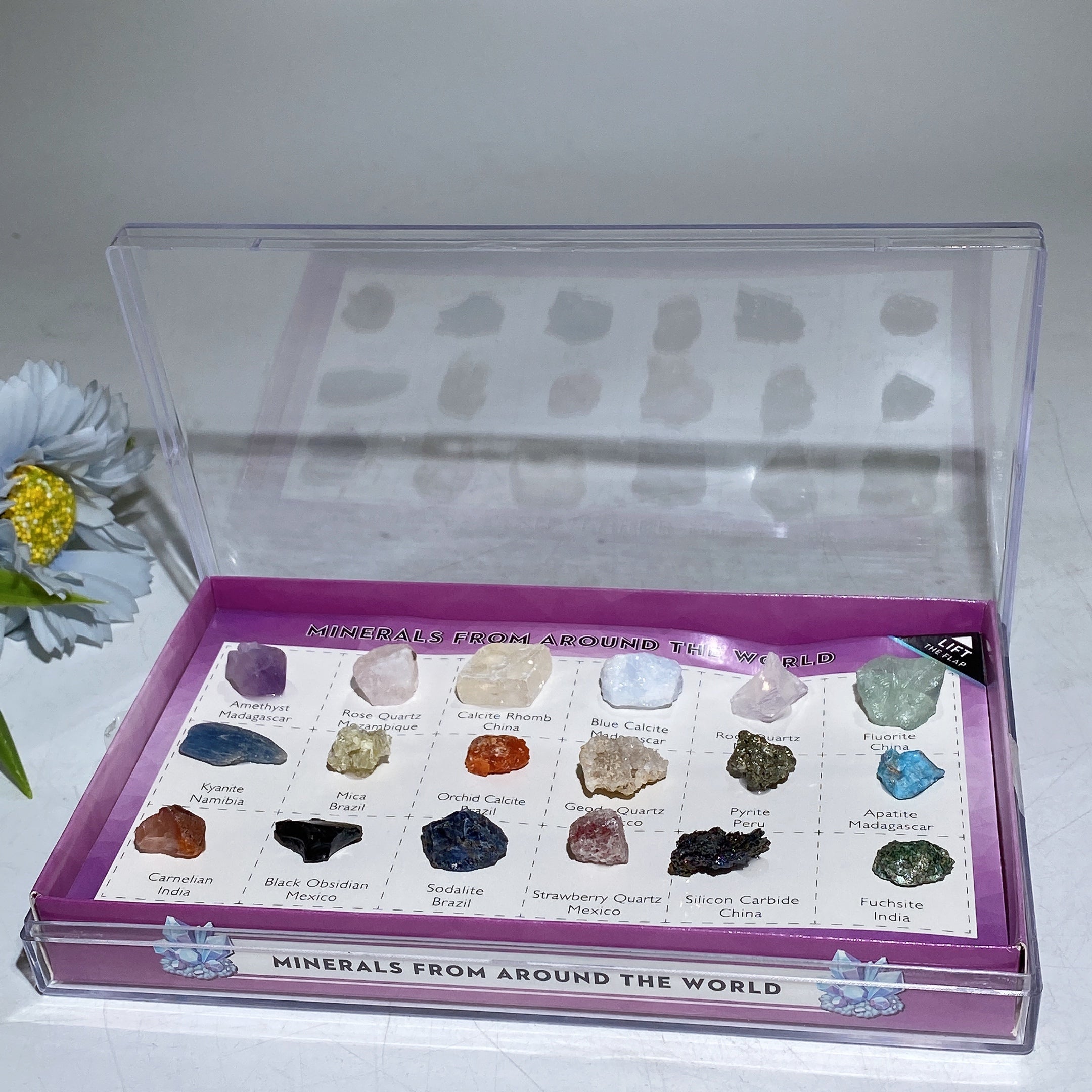
Minéraux du monde entier Coffret de guérison en cristal brut 11 x 18 cm
$26.90 $34.90
Explore global crystal diversity with this curated mineral set, perfect for learning about kyanite and other world-sourced stones.
Explore ProductThe Himalayas: Nepal and Tibet
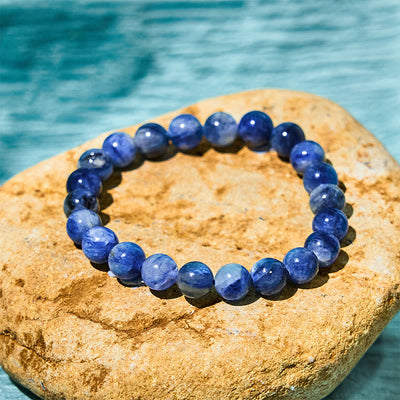
In recent years, Nepal has gained fame for producing some of the finest transparent blue kyanite in the world. Unlike the opaque blades of Brazil, Nepalese kyanite often resembles sapphire in its clarity and intense saturation. These kyanite deposits are located in high-altitude regions, making mining physically demanding and supply somewhat more limited.
Collectors prize Nepalese kyanite for jewelry because it can often be faceted. The vibration of these crystals is said to be exceptionally high, perhaps reflecting the soaring peaks from which they originate.
United States and Industrial Sources
The United States is actually a massive producer of kyanite, though much of it is for industrial use rather than crystal collections. Willis Mountain in Virginia is one of the world's largest active kyanite mines. Here, the mineral is extracted primarily for its heat-resistant properties, used in manufacturing spark plugs and porcelain.
However, the US does produce specimen-grade kyanite as well, often found in North Carolina and Georgia. These specimens may appear embedded in quartz matrix, offering a raw and earthy aesthetic compared to the loose blades found elsewhere.

African Sources: Tanzania and Kenya
East Africa is the primary source for the rare and stunning Orange Kyanite. Mines in Tanzania produce this variety, which owes its color to inclusions of manganese. These worldwide kyanite sources are crucial for collectors looking to complete a full-spectrum chakra set, as Orange Kyanite is linked to the Sacral Chakra.
For more detailed geological data on specific mines, resources like Mindat.org provide extensive databases on mineral localities.
From the Earth to Your Collection
The journey from a rugged mine to a polished sphere or jewelry piece involves careful extraction. Most kyanite is mined using open-pit methods. Because kyanite has perfect cleavage (meaning it splits easily), miners must be incredibly gentle when extracting large specimen pieces to avoid shattering them. This fragility is why perfect, long blades are so highly valued.
Holding a piece of raw kyanite connects you to the specific energy of its homeland. A piece of Brazilian kyanite might carry the vibrant, abundant energy of the tropics, while a stone from the Alps or Himalayas might feel more crisp and ethereal. For healers, the kyanite crystal origin can influence how the stone is used in meditation or energy work.

Wear the Energy of Global Kyanite
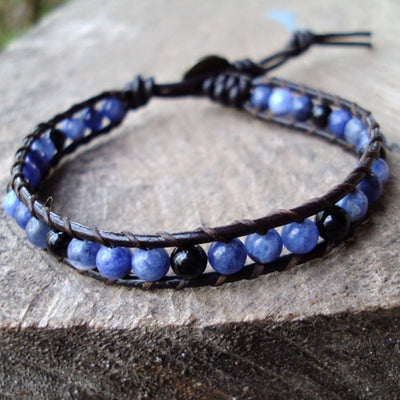
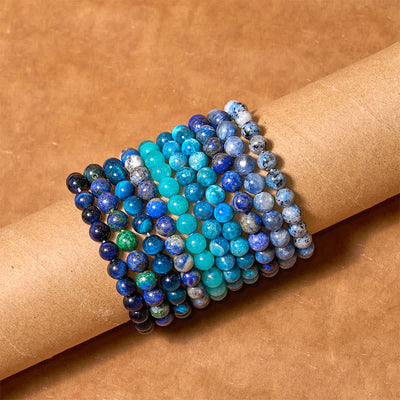
Experience kyanite's unique global energy in this jewelry piece, ideal for crystal collectors and spiritual enthusiasts. Learn more ➔
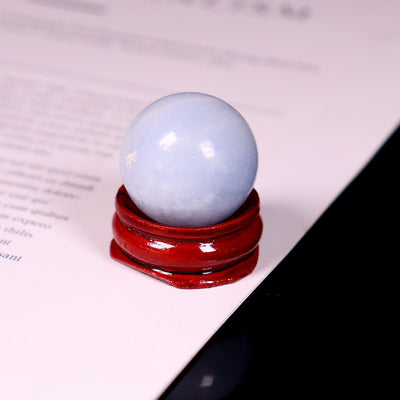
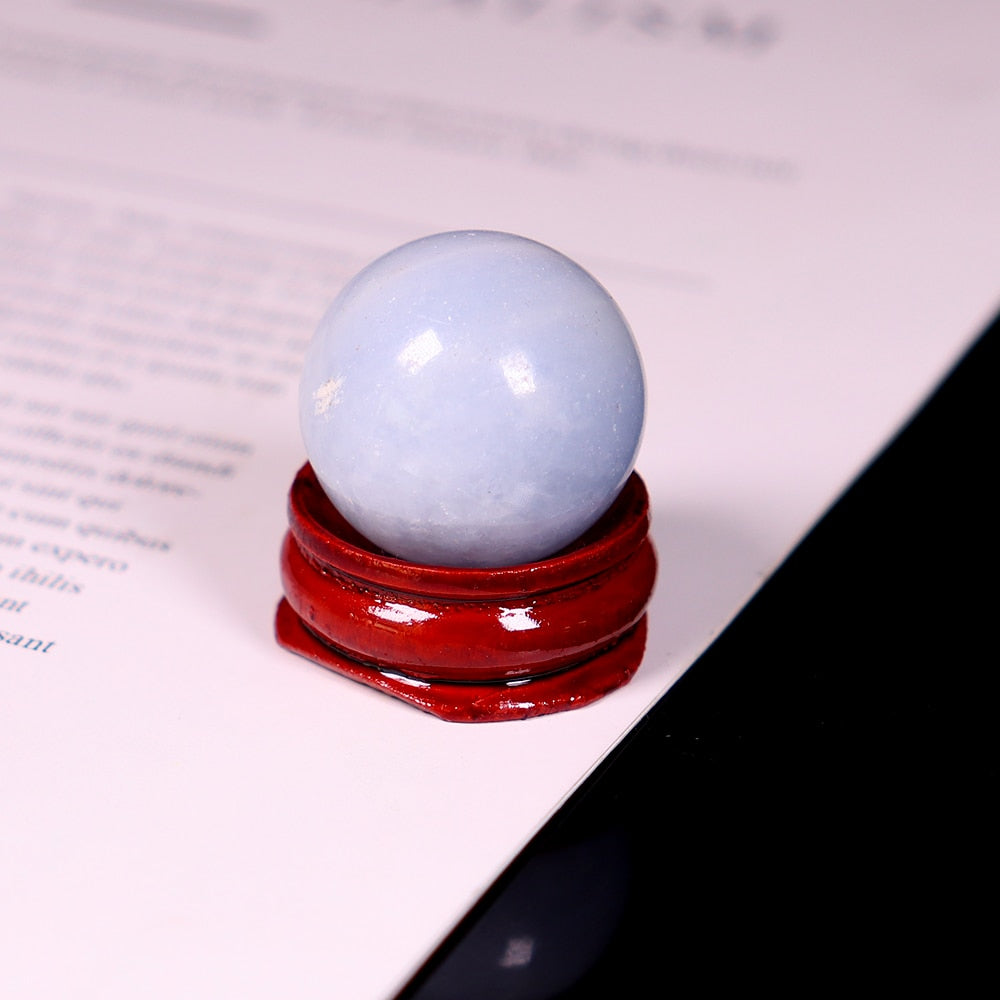
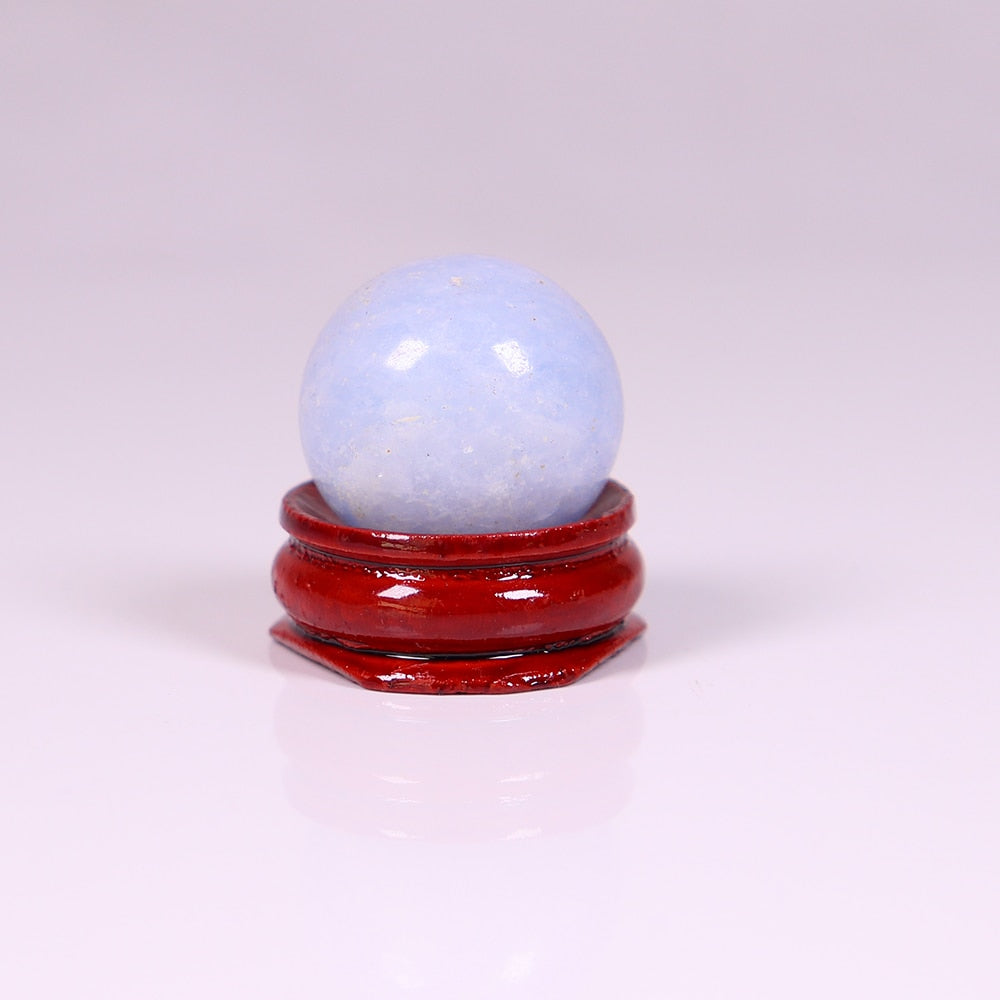
Connect to kyanite's origins and properties with this striking crystal sphere, perfect for meditation or your mineral display. Learn more ➔
Conclusion
From the industrial giants of Virginia to the artisanal mines of Nepal and Brazil, the story of kyanite mines is one of global diversity. Understanding where is kyanite found not only deepens your geological knowledge but also enhances your appreciation for the specimens in your care. Whether you are drawn to the stone for its alignment properties or its sheer natural beauty, knowing its source grounds your practice in the reality of the Earth's wonders.
As you explore different varieties, remember that each location imparts a unique fingerprint onto the crystal. We encourage you to explore our collection and bring a piece of this global history into your own sanctuary.
Frequently Asked Questions about Kyanite Origins
Kyanite is found globally, with major deposits in Brazil, the United States (Virginia), Nepal, India, Switzerland, and Kenya. Each location often yields different colors and qualities, from industrial grade to fine gemstones.
The United States and India are among the largest producers of industrial kyanite. For specimen and gem-quality kyanite, Brazil and Nepal are the most significant sources known for their beautiful blue crystals.
Kyanite is typically extracted using open-pit mining methods. The ore is blasted or dug out, crushed, and then processed (often using flotation) to separate the kyanite from other minerals like quartz and mica.
Industrially, kyanite is used in high-temperature refractories, porcelain, and spark plugs because it withstands heat well. In the metaphysical and jewelry world, it is used for healing, meditation, and as a collector's gemstone.
Kyanite deposits are primarily metamorphic. They include aluminum-rich pegmatites, gneisses, and schists. The type of deposit often dictates whether the kyanite forms as large individual blades or as massive granular rocks.