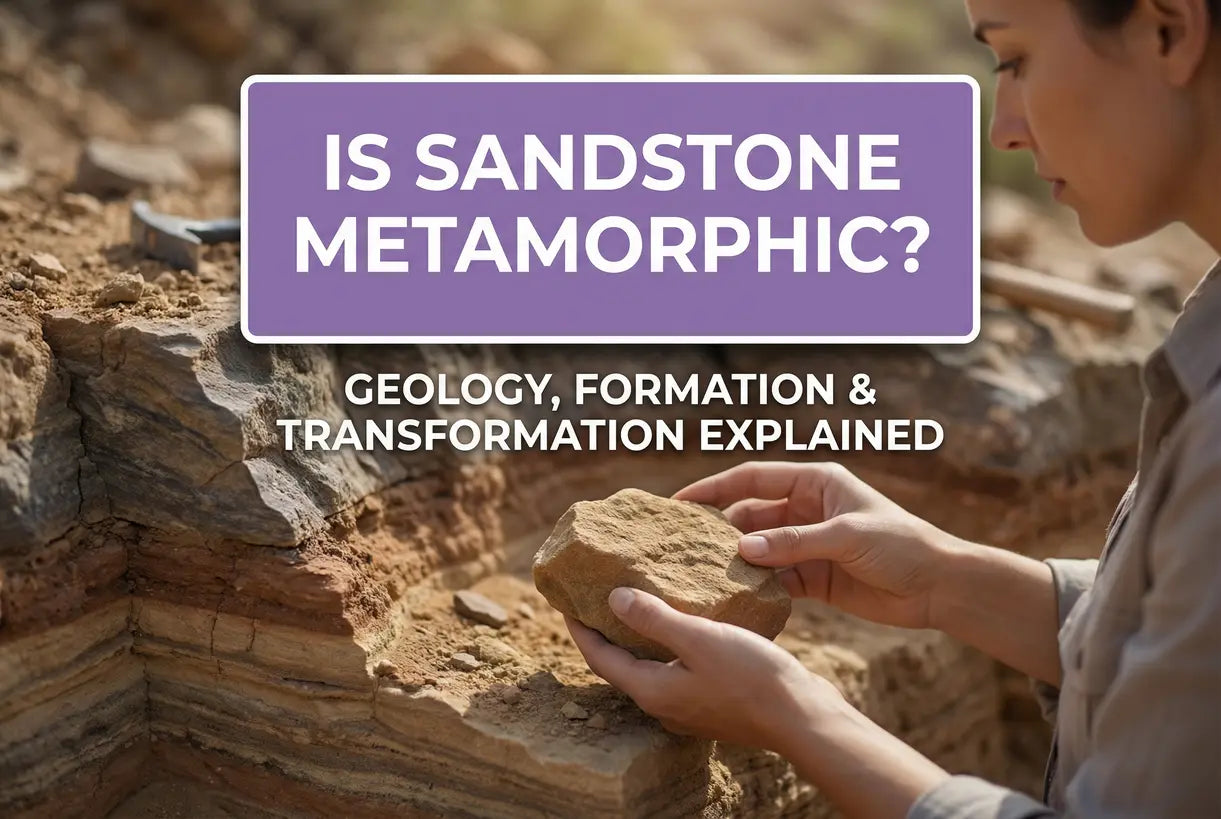
Have you ever picked up a gritty rock on a beach and wondered about its history? For geology enthusiasts and crystal collectors alike, the journey of a stone is as fascinating as its appearance. A common question that arises is: is sandstone metamorphic? The short answer is no—sandstone is a classic sedimentary rock. However, the story doesn't end there. Under the right conditions, sandstone undergoes a profound transformation, evolving into a harder, more durable material known as quartzite, or what is often colloquially referred to as metamorphic sandstone.
Understanding this geological metamorphosis not only enriches your appreciation of the natural world but also deepens the connection to the stones used in healing and decoration. In this guide, we will explore the sandstone geology, the intense forces that drive quartzite formation, and how a humble collection of sand grains can transform into a rock of immense strength and beauty.
The Sedimentary Origins of Sandstone
To understand the metamorphic sandstone process, we must first look at the rock's origins. Sandstone is defined by its sedimentary nature. It forms over millions of years through the accumulation of sand grains—composed mostly of quartz and feldspar—deposited by water, wind, or ice. These layers are buried and compacted, cemented together by minerals like silica, calcium carbonate, or iron oxide.
Because it is sedimentary, sandstone often retains the evidence of its past. It is not uncommon to find fossilized ripples from ancient riverbeds or marine fossils embedded within the layers. This connection to the Earth's surface history gives sandstone a grounding energy, often associated with stability in metaphysical circles.

How Does Sandstone Become Metamorphic?
The transformation from sedimentary to metamorphic is a dramatic one, driven by the Earth's internal engine. When sedimentary sandstone is subjected to immense tectonic heat and pressure—usually due to mountain building or deep burial—the process of metamorphism begins. This is where the term metamorphic sandstone becomes relevant, serving as a bridge to the rock's new identity.
During this phase, the individual sand grains recrystallize. The cementing material that once held the grains together fuses with the quartz grains themselves. The result is a dense, interlocking network of quartz crystals. The original grainy texture disappears, replaced by a smooth, glassy surface. This process eliminates the pore spaces found in sandstone, making the resulting rock much harder and less susceptible to weathering.
Quartzite: The Metamorphic Successor
When geologists speak of metamorphic sandstone, they are almost always referring to quartzite. Quartzite is the non-foliated metamorphic rock that forms from pure, quartz-rich sandstone. It is incredibly tough; while sandstone might crumble or break around the grains, quartzite breaks through the quartz grains themselves. This distinction is a key identifier in the field.
While the scientific term is quartzite, the concept of "metamorphic sandstone" helps illustrate the lineage of the stone. It reminds us that even the most grounded, sedimentary structures can be fundamentally altered and strengthened by the fires of transformation.

Brûle-encens Fu en grès vert | Décoration de bureau Prosperity
$48.90 $69.90
Discover how sandstone is shaped and repurposed with this green sandstone incense burner—bring earth's history to your rituals.
Explore ProductKey Differences: Sandstone vs. Quartzite
Distinguishing between the parent rock and its metamorphic offspring is crucial for collectors and students. While they share the same chemical composition (mostly SiO2), their physical properties differ significantly.
- Texture: Sandstone feels gritty like sandpaper; Quartzite feels smooth and glassy.
- Hardness: Quartzite is significantly harder (7 on the Mohs scale) compared to variable hardness in sandstone.
- Fracture: Sandstone breaks around the grains; Quartzite fractures through the grains.
Visually, sandstone often displays clear sedimentary layering (stratification), whereas these layers are often erased or distorted during quartzite formation. Understanding these differences helps in identifying specimens correctly, whether you are in the field or selecting pieces for a collection.

Geological and Spiritual Significance
For those interested in the metaphysical, the shift from sandstone to quartzite symbolizes resilience and transformation. Sandstone represents sedimentary memories, holding the energy of history and slow accumulation. In contrast, metamorphic sandstone (quartzite) embodies the energy of change under pressure—proof that stress can lead to strength and crystallization.
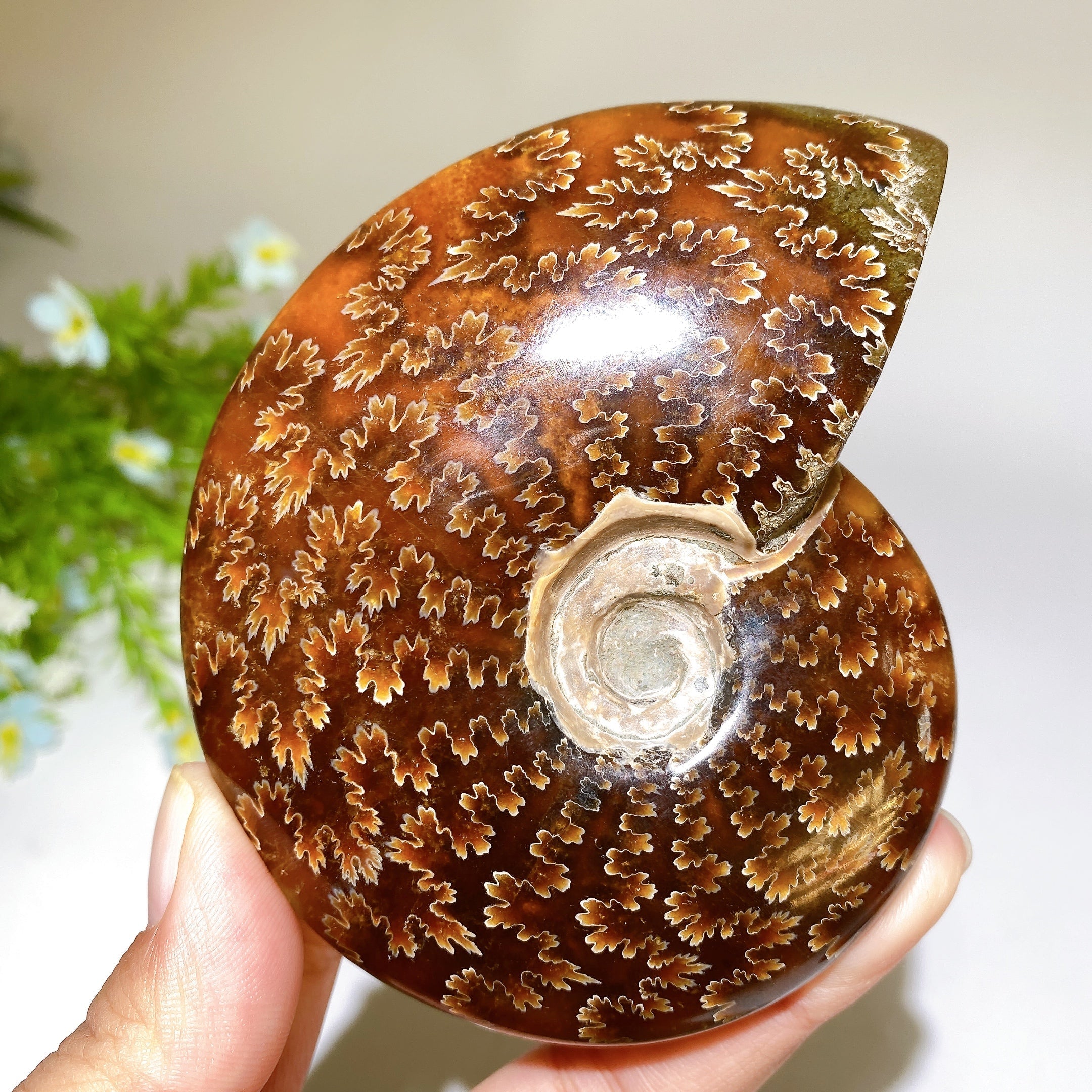
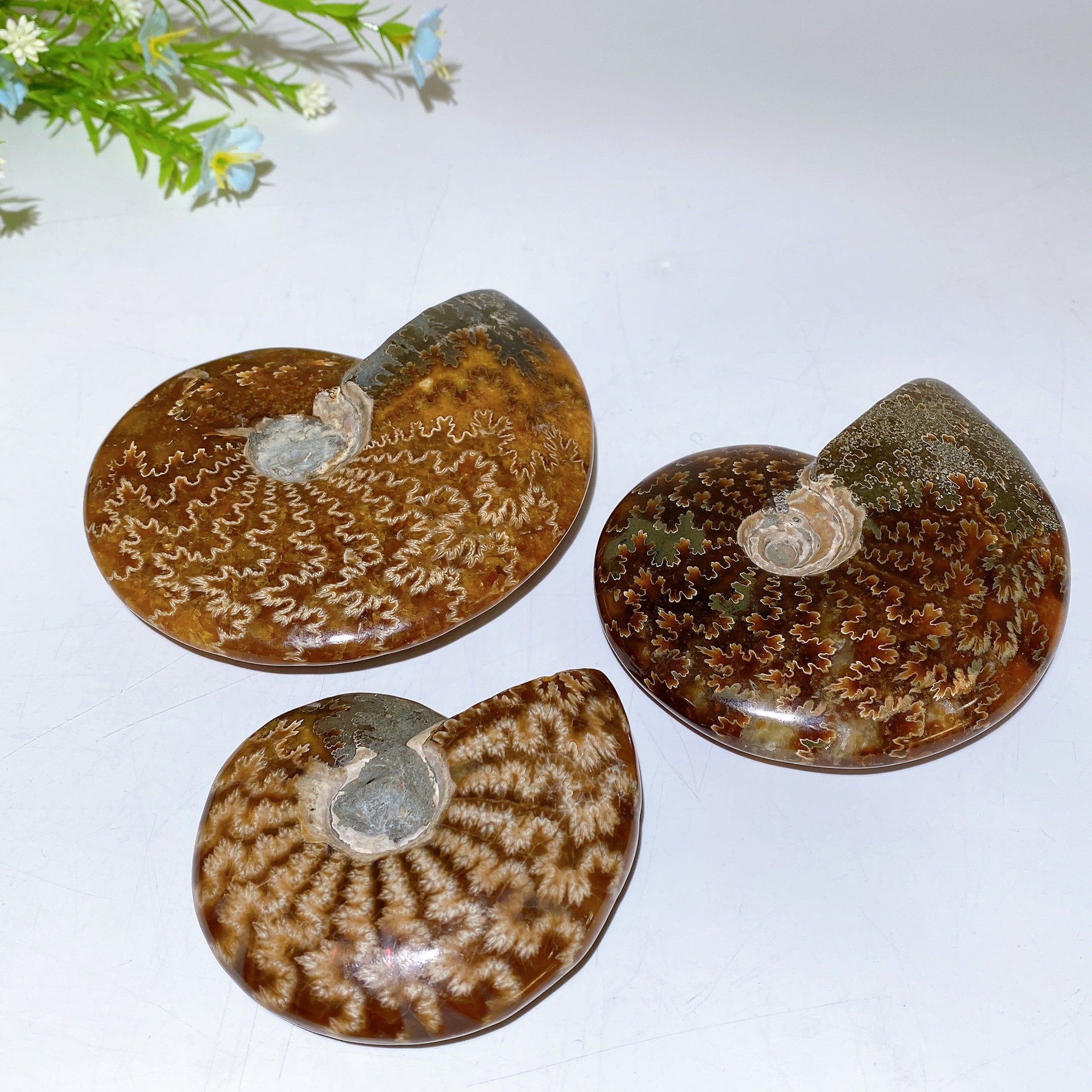
Collecting these rocks offers a tangible connection to Earth's cycles. Specimens like ammonites are found in sedimentary layers, while pure quartz formations speak to metamorphic histories. Both have their place in a holistic collection.
Explore Geological Wonders

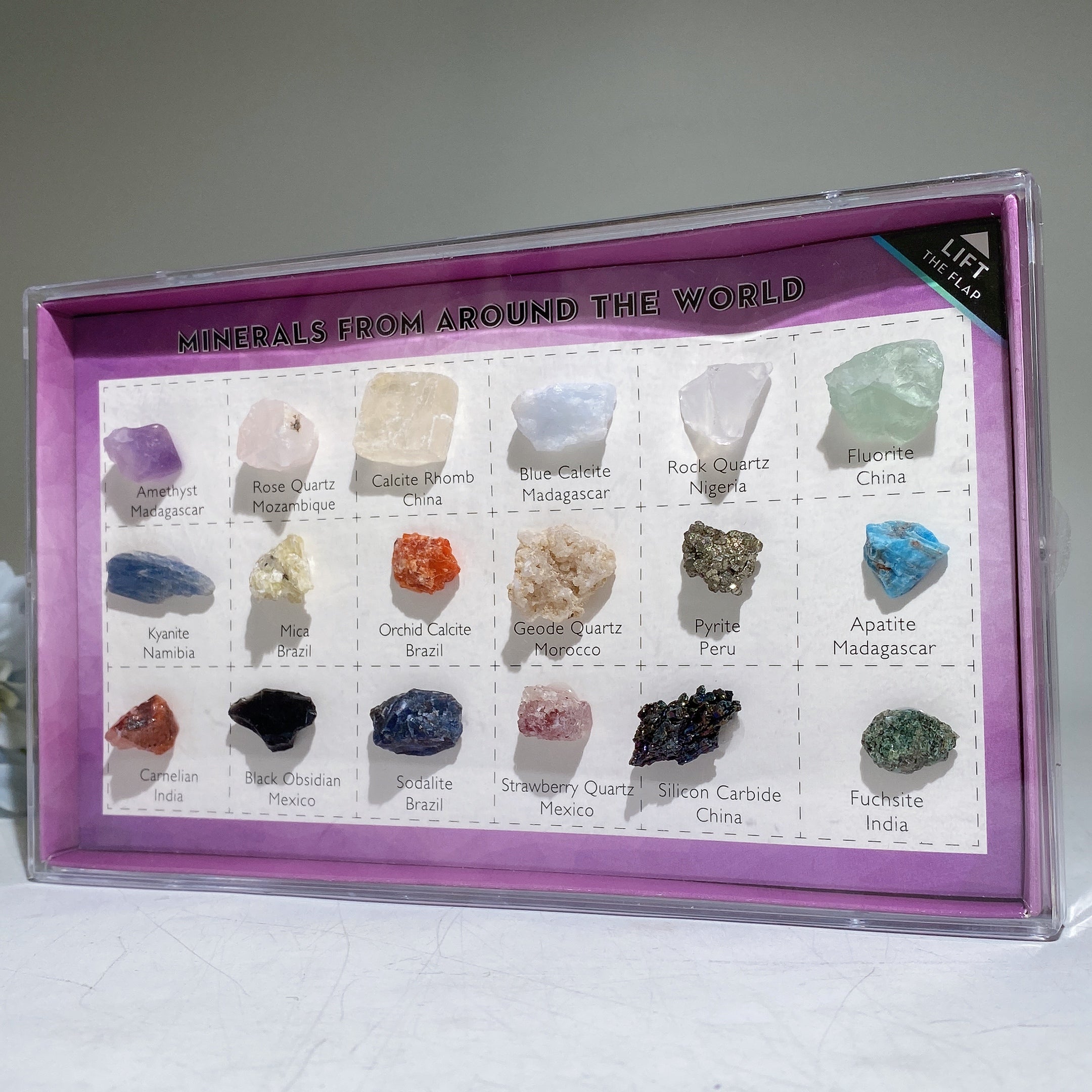
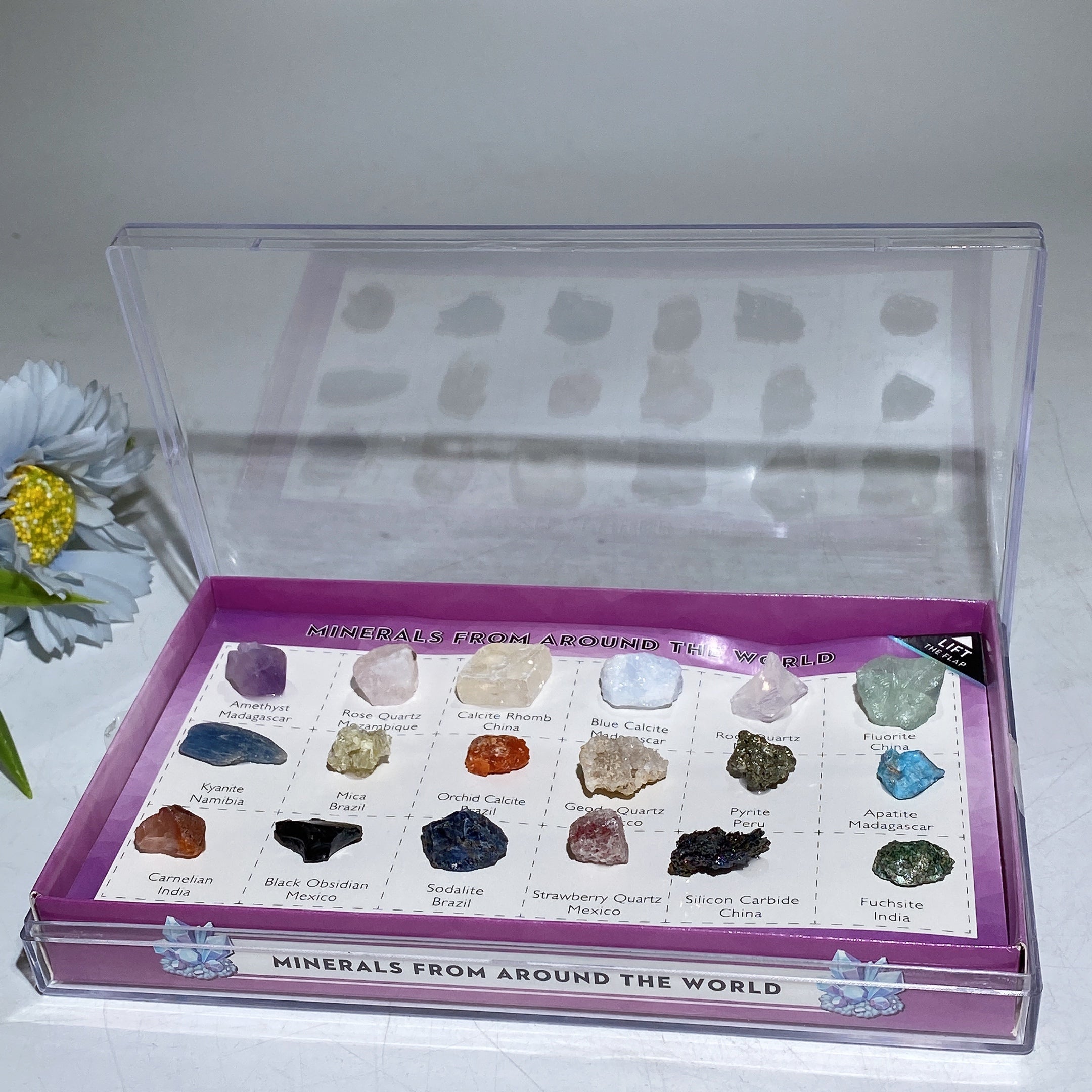
Explore genuine mineral specimens and raw rocks, perfect for delving into the study of sandstone’s role in Earth's geology. Learn more ➔

Connect with ancient marine history as you learn about sedimentary to metamorphic processes through fossilized ammonite specimens. Learn more ➔
Identifying Metamorphic Signs in the Field
If you are exploring outdoors, identifying whether a rock is sandstone or its metamorphic counterpart can be a fun challenge. Look for stratification; clear, undisturbed horizontal layers usually indicate sedimentary sandstone. If the rock layers appear folded, twisted, or if the rock looks like a massive, uniform block of glassy stone, you are likely looking at the results of metamorphism.

Conclusion
So, is sandstone metamorphic? Technically, no—it is the sedimentary precursor. But the concept of metamorphic sandstone highlights the incredible journey from loose grains on a beach to the unbreakable strength of quartzite. This geological evolution mirrors the transformative processes found in nature and within ourselves. Whether you are studying rock cycles or curating a collection of meaningful stones, recognizing this relationship deepens your connection to the Earth's ancient history.
Frequently Asked Questions about Metamorphic Sandstone
Sandstone is primarily a sedimentary rock composed of sand-size grains of mineral, rock, or organic material. It only becomes metamorphic when subjected to intense heat and pressure, changing into quartzite.
Sandstone becomes metamorphic through a process called metamorphism. Tectonic forces bury the rock deep underground where high temperature and pressure cause the quartz grains to recrystallize and fuse together.
The primary example of metamorphic sandstone is Quartzite. It is the direct result of the metamorphism of quartz-rich sandstone. Another less common variation might involve arkose sandstone turning into gneiss under extreme conditions.
Yes, pure sandstone turning into quartzite is one of the most classic examples of the rock cycle. The heat and pressure cause the individual sand grains to merge into a solid, interlocking mass of quartz.
Metamorphism involves the alteration of a pre-existing rock (protolith) by heat, pressure, and chemically active fluids. This happens without the rock melting; instead, it changes physically and chemically into a new rock type.