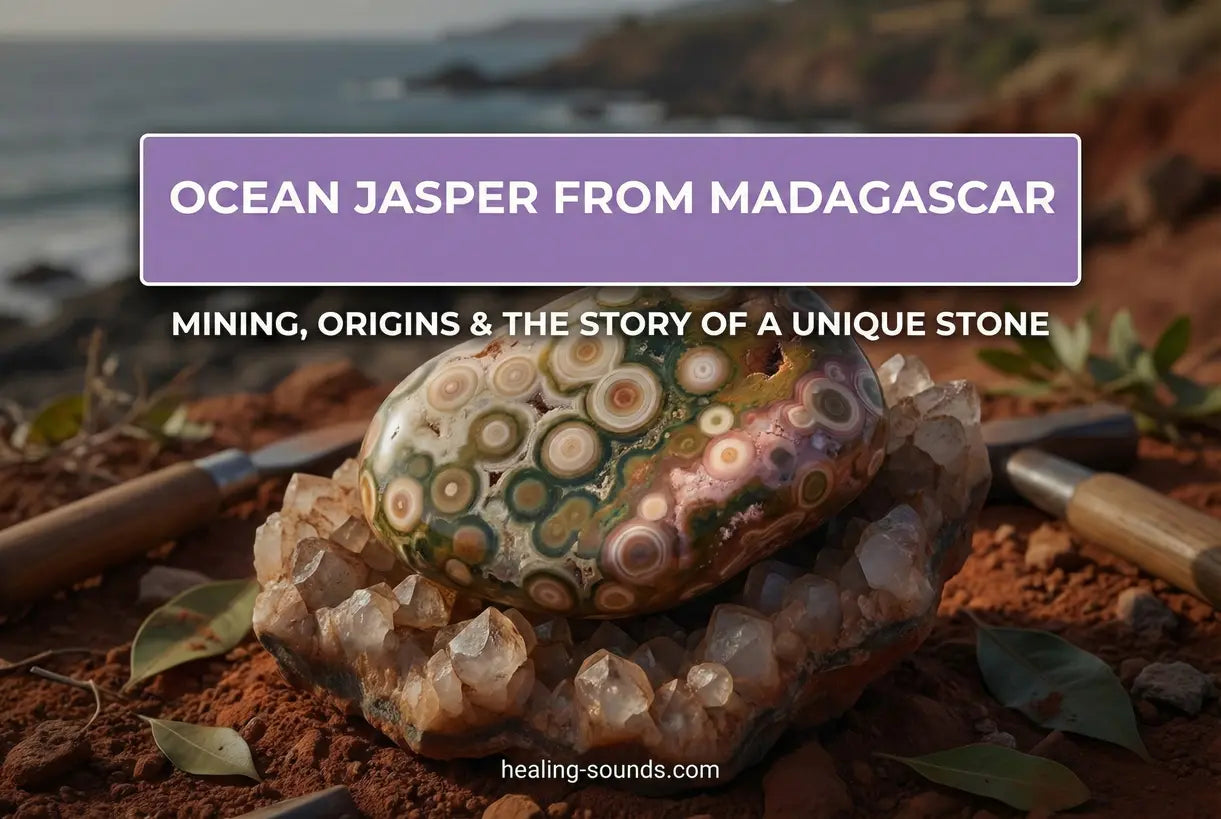
For holistic seekers and crystal collectors alike, few stones possess the captivating history and vibrant energy of Ocean Jasper from Madagascar. Known for its mesmerizing orbicular patterns and vivid colors, this rare mineral is more than just a beautiful gem—it is a geological wonder born from the fiery rhythms of ancient volcanoes and the soothing tides of the sea. Whether you are drawn to its aesthetic beauty or its reputation as a stone of joy and release, understanding its origins deepens the connection to this unique earth treasure.
Found exclusively along the remote coastlines of northwestern Madagascar, this stone tells a story of discovery, scarcity, and the relentless power of nature. In this guide, we explore the fascinating world of Madagascar jasper, diving deep into its unique mining conditions, its geological formation, and why it remains one of the most sought-after minerals in the world today.

The Origins of Ocean Jasper: A Treasure of the Coast
Ocean Jasper, scientifically known as Orbicular Jasper, is found in only one place on Earth: the remote Ambolobozo Peninsula in the Analalava district of Madagascar. Unlike many other minerals mined in vast quarries, this stone is intimately tied to the ocean. The deposits are located at the edge of the sea, near the village of Marovato. The name itself reflects its connection to the water, not just in appearance but in location.
First discovered in the early 20th century and then "lost" for decades, the original mines were rediscovered in roughly 1999. Since then, it has become a staple for collectors who value Ocean Jasper from Madagascar for its distinct personality. Each vein discovered over the years has produced stones with different color palettes and pattern densities, making every piece a marker of a specific time in mining history.
Mining at the Edge of the Tide
The process of Ocean Jasper mining is unlike almost any other commercial stone extraction. Because the deposits are located right along the shoreline, miners face unique logistical challenges. The veins are often submerged or accessible only by boat, and extraction depends heavily on the tides.

Miners must wait for low tide to access the rock face. This limited window of time means that production is slow, labor-intensive, and fraught with difficulty. There is no heavy machinery involved; the stone is typically harvested by hand using simple tools to pry the nodules from the host rock. This artisanal approach ensures that the surrounding environment is respected, but it also contributes to the stone's rarity. When the tide comes in, the "mine" disappears back under the waves of the Indian Ocean.
These difficult conditions, combined with the depletion of accessible veins, mean that high-quality Madagascar Ocean Jasper mining yields are dwindling, increasing the value of authentic specimens in the market.

Geological Formation: The Science Behind the Orbs
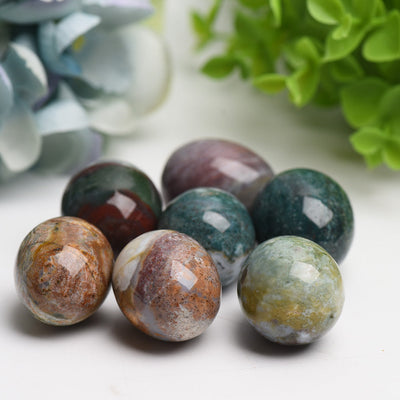
What makes this stone so visually striking are the spherical bulls-eye patterns, or "orbs," that float within the stone. Geologically, Ocean Jasper is a variety of rhyolitic rock that has been highly silicified. The stone began as rhyolite flow—volcanic lava rich in silica. As the lava cooled, silica precipitated out of the magma, forming spherical structures of quartz and feldspar known as spherulites.

Over millions of years, these formations were mineralized and cemented together by chalcedony and microcrystalline quartz. The vibrant colors—greens, pinks, yellows, and whites—are caused by various mineral impurities such as iron and clay present during the cooling process. This complex formation results in the jasper stone properties that collectors adore: durability, high polish, and an endless variety of patterns.

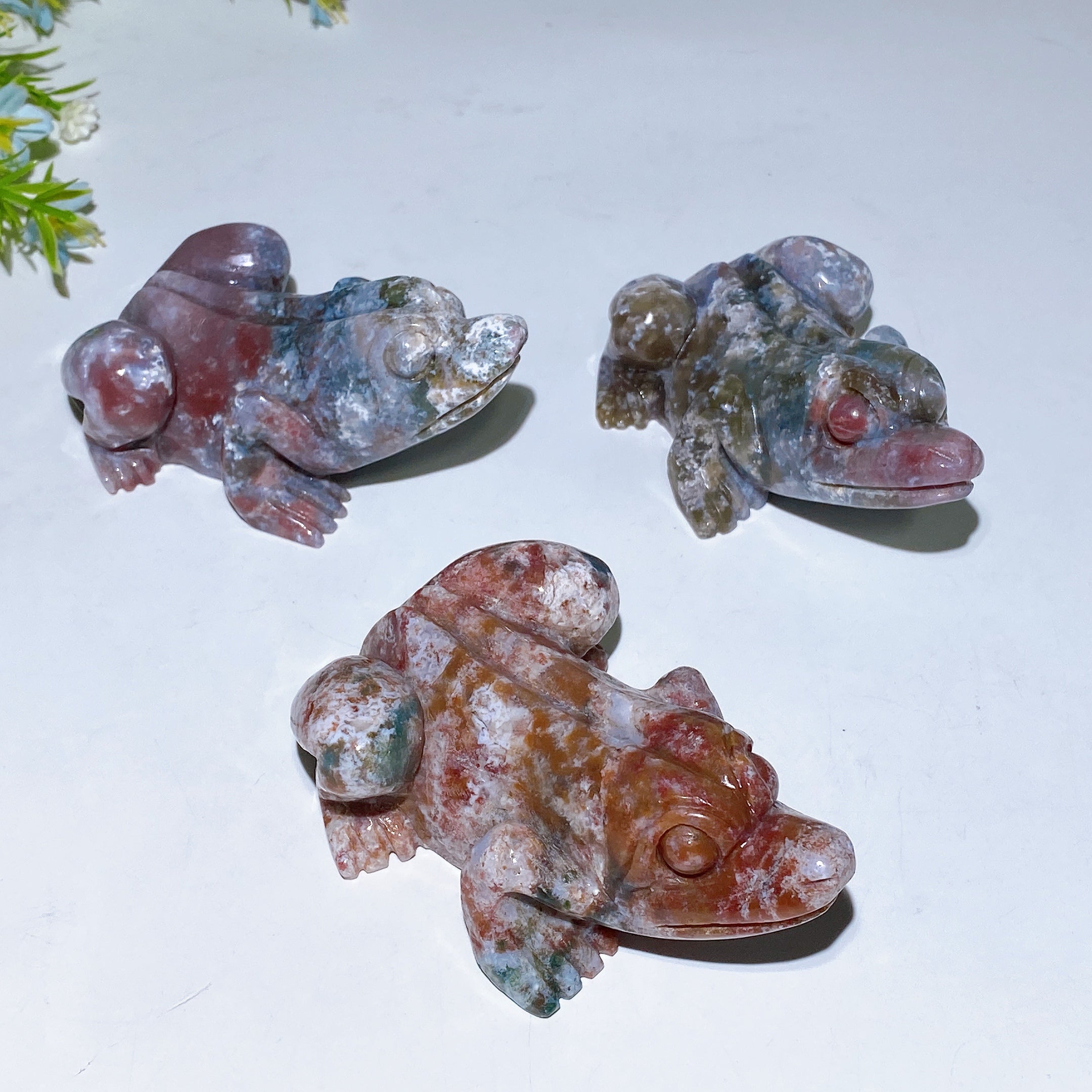
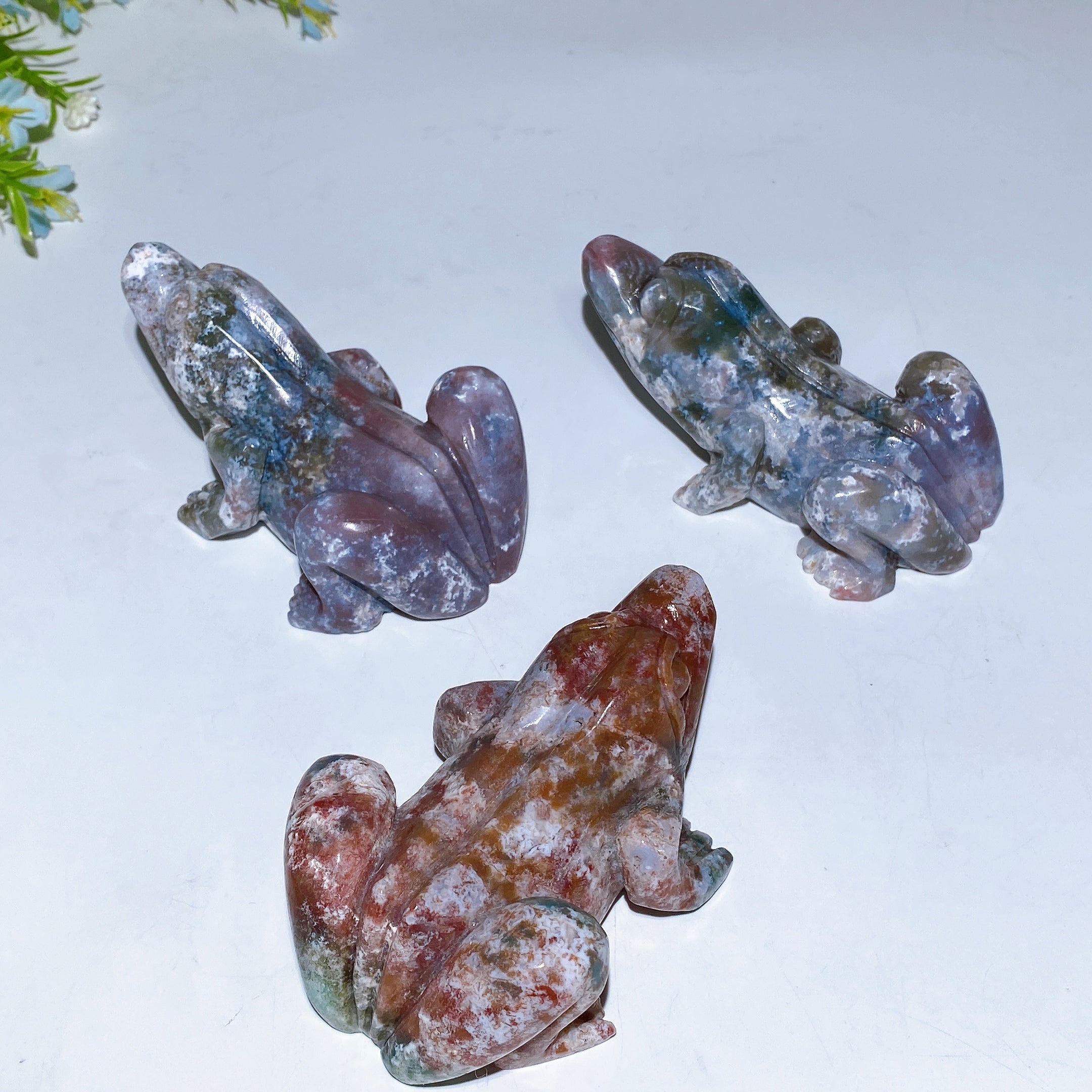
Sculpture de grenouille en jaspe océanique de 4,0 à 4,2 pouces pour la guérison
$49.90 $79.90
Bring Madagascar’s Ocean Jasper energy into your space with this healing frog carving, symbolizing positive transformation.
Explore ProductThe Different Veins and Scarcity
One of the most intriguing aspects of Ocean Jasper from Madagascar is the concept of "veins." Since the rediscovery in roughly 1999, several distinct veins have been mined out. For example, the first and second veins were famous for their translucent backgrounds and distinct pink and green orbs. Later finds, such as the roughly 5th or 6th veins, brought different characteristics, such as more opaque banding or different color mixes like yellow and cream.
Because these pockets are small and quickly depleted, specific looks of Ocean Jasper can become "extinct" on the market. Once a vein is tapped out, that specific variation of the stone is no longer produced by the earth in that location. This finite nature drives the collector's market and underscores why this stone is often considered an investment as well as a spiritual tool. For detailed geological contexts on mineral scarcity, resources like Mindat.org provide excellent scientific data on Jasper varieties.
Energetic Properties and Usage
Beyond its geological fascination, Ocean Jasper properties are highly valued in the crystal healing community. It is frequently referred to as the "Atlantis Stone" or the stone of joy. Its connection to the ocean imbues it with a soothing, rhythmic energy that mimics the ebb and flow of the tides.
Practitioners use it to release stress and invite positivity. It is believed to activate the Solar Plexus, Heart, and Throat chakras, facilitating the expression of joy and the release of negative emotions. Just as the sea washes away debris, Ocean Jasper is thought to help wash away emotional burdens, making it a perfect companion for meditation or deep emotional work.
Wear and Display the Energy of the Ocean

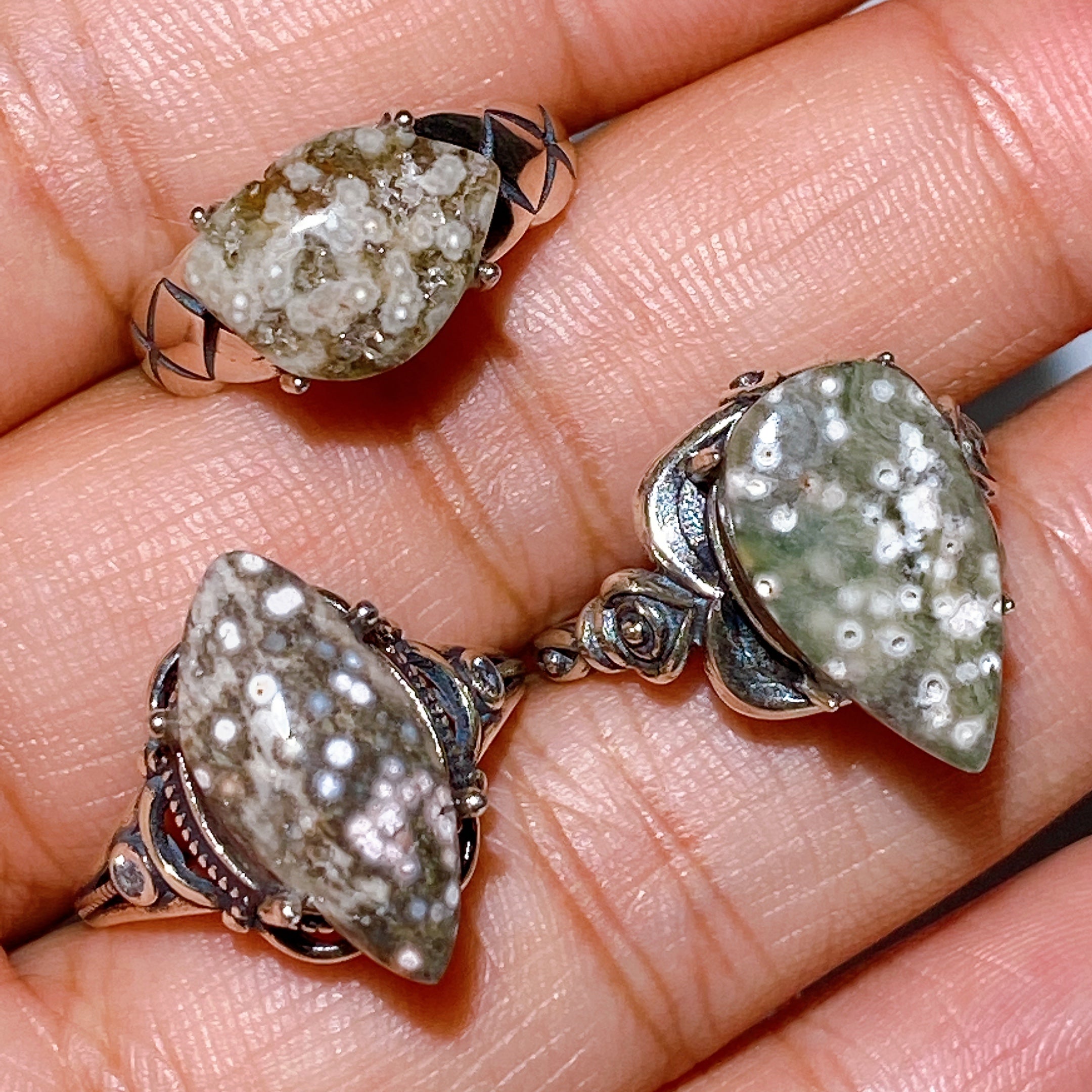
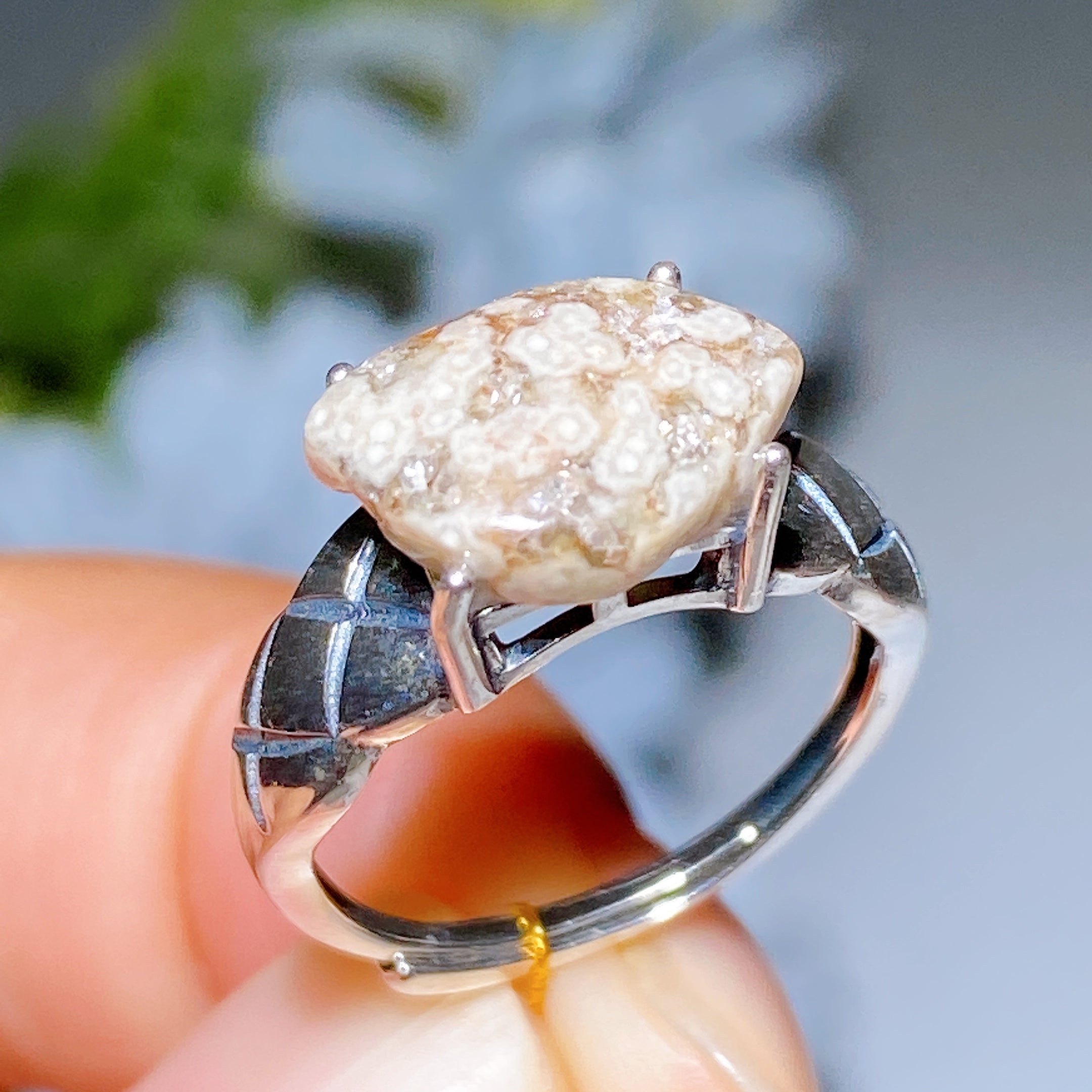
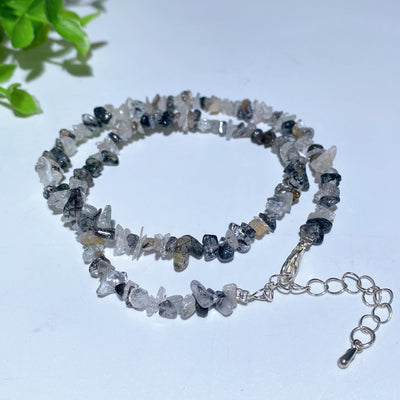
Wear an authentic Madagascar Ocean Jasper stone and feel connected to its origins and soothing properties every day. Learn more ➔

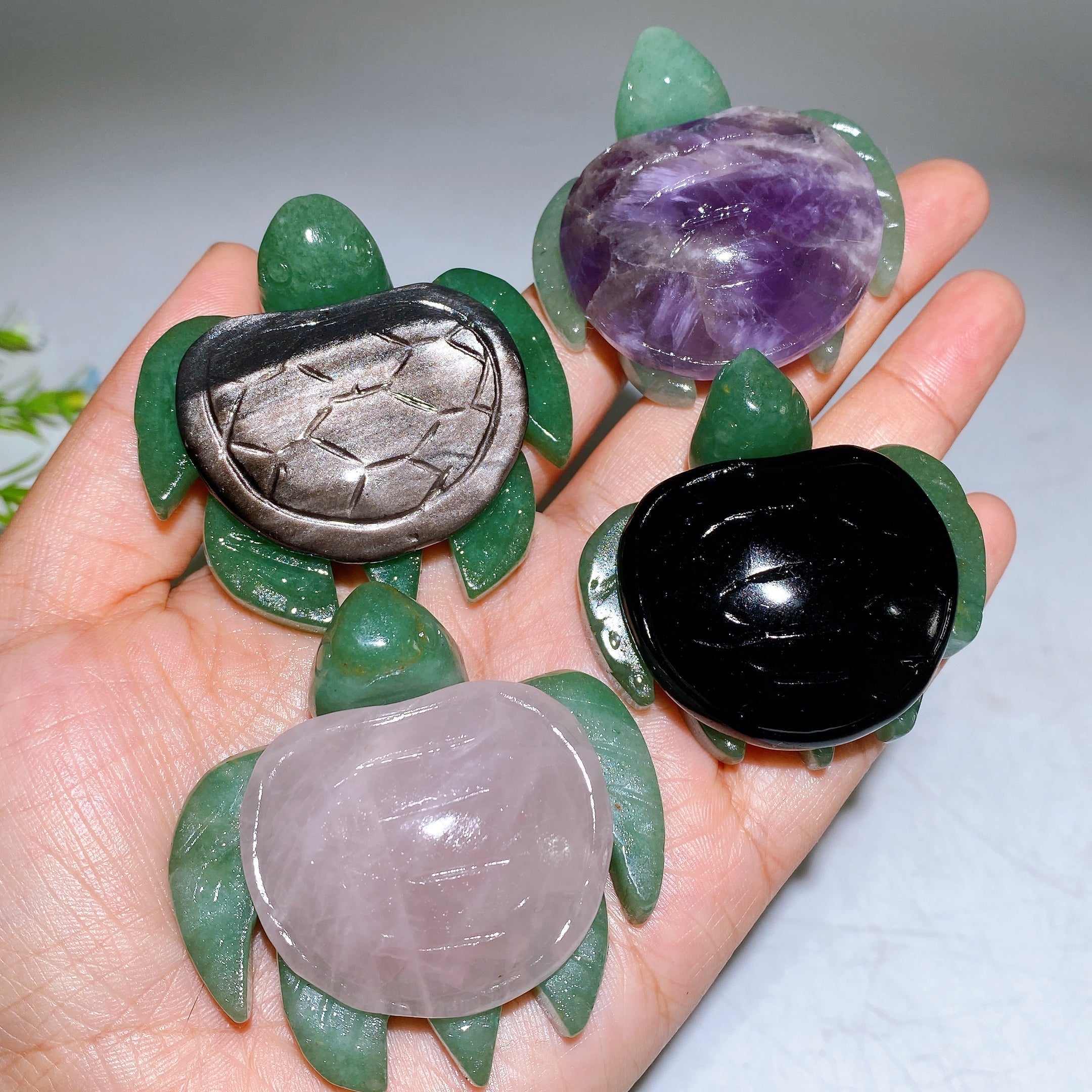
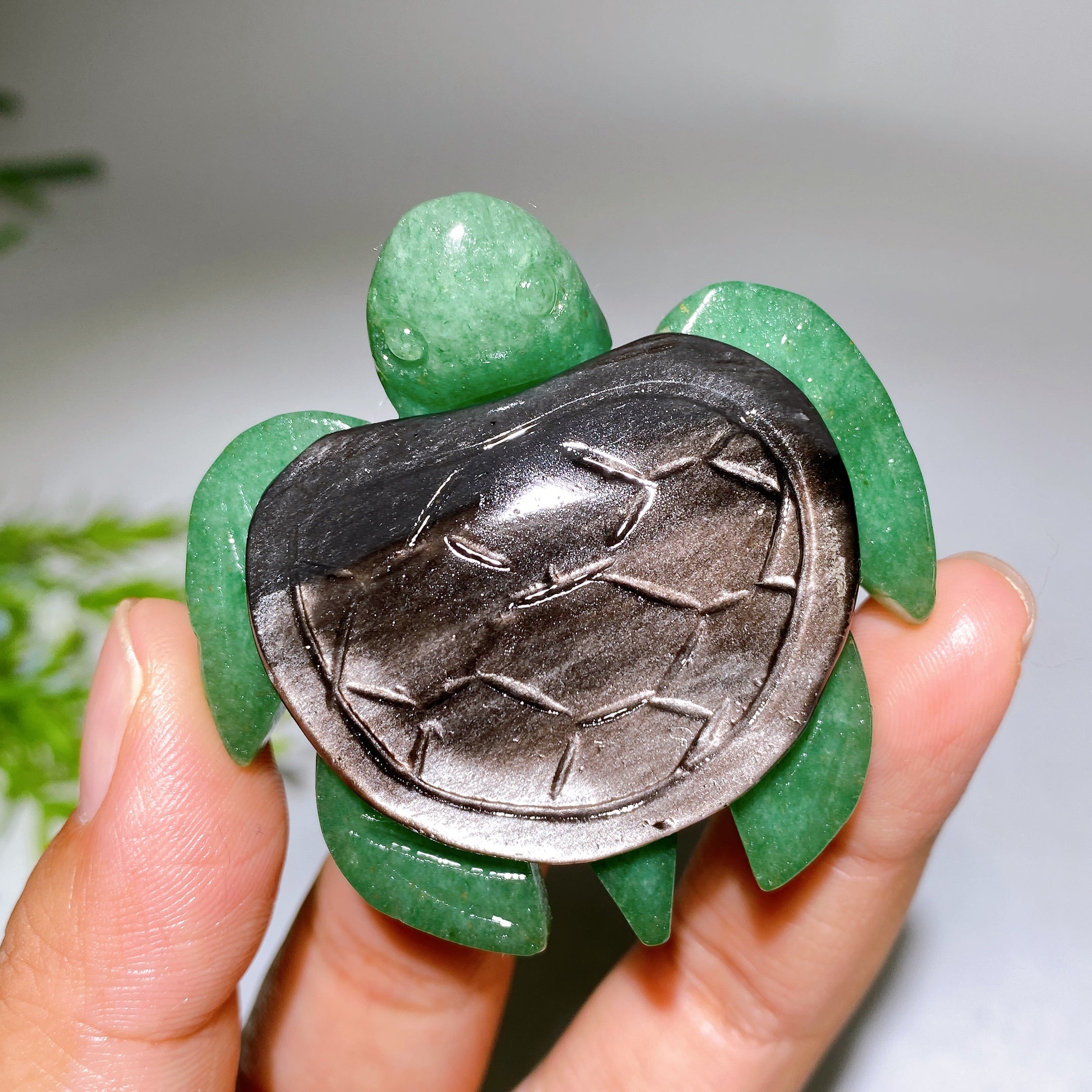
Showcase a beautiful Ocean Jasper turtle figurine—an inspiring example of Madagascar’s crystal artistry for collectors. Learn more ➔
Conclusion
Ocean Jasper from Madagascar serves as a beautiful reminder of the earth's complexity and the ocean's calming power. From the challenging low-tide mining efforts in Marovato to its intricate rhyolitic formation, every piece of this stone carries a deep connection to its source. Whether you are a collector seeking rare veins or a spiritual seeker looking for emotional release, the "Stone of Joy" offers a tangible link to the wild, natural beauty of Madagascar. As veins deplete, preserving and appreciating these stones becomes a way to honor the earth's limited and precious gifts.
Frequently Asked Questions about Ocean Jasper
Ocean Jasper is a rare orbicular jasper found exclusively along the coast of Madagascar, specifically in the Analalava district. It originates from rhyolitic volcanic flows that have been silicified over millions of years.
It is mined using artisanal methods along the shoreline. Miners can often only access the deposits during low tide, using hand tools to extract the stone from the rock face before the ocean covers the site again.
Its uniqueness lies in its "orbicular" patterns (spherical bulls-eyes) and wide range of colors. Being found in only one location on Earth adds to its rarity and desirability among collectors.
Metaphysically, it is known as the "Stone of Joy." It is believed to aid in releasing negative energy, reducing stress, and promoting feelings of happiness and interconnectedness.
Yes, it is considered rare. While some mining continues, many of the original and most famous veins are depleted. High-quality specimens are increasingly difficult to source.