For gemstone enthusiasts and spiritual collectors alike, the vibrant green hue of peridot is unmistakable. However, navigating the market to determine the fair peridot stone price can be complex without the right knowledge. Whether you are looking to acquire a piece for its metaphysical properties or considering a peridot investment, understanding the factors that influence value is essential. This guide dives deep into the pricing structures, quality indicators, and market trends to help you make an informed decision.
From commercial-grade stones found in affordable jewelry to rare, top-quality gems sought after by connoisseurs, the peridot value varies significantly. By examining the 4Cs—Color, Clarity, Cut, and Carat weight—along with origin, we can demystify what makes one stone worth ten times more than another. Read on to discover how to identify high-quality peridot and ensure you are paying a fair price for this ancient "Gem of the Sun."
Factors Influencing Peridot Stone Price
The price of peridot is not arbitrary; it is determined by a strict set of quality criteria. Unlike many other gemstones, peridot exists in only one color—green—but the shade and intensity of that green are the primary drivers of its worth.
To truly understand the peridot cost, one must look at color saturation. The most valuable stones exhibit a rich, grass-green color without any hint of brown or yellow. Stones that lean towards olive or brownish-green are generally less expensive. This distinction is crucial when evaluating peridot gem price per carat.
- Color: Pure grass-green is the ideal. Brown or yellow modifiers lower the value.
- Clarity: High-quality peridot should be "eye-clean," meaning no visible inclusions to the naked eye.
- Carat Weight: Prices jump significantly for stones over 5 carats due to rarity.
- Origin: Stones from Myanmar (Burma) and Pakistan often command higher premiums than those from Arizona or China.

Clarity and Cut
Most fine peridot is faceted to enhance its brilliance. Because peridot is a relatively transparent gemstone, inclusions are easily visible. Therefore, clarity is a significant factor in the peridot price per carat. Stones that are cloudy or heavily included are typically cut into cabochons (smooth, rounded domes) and are much more affordable than faceted gems. A skilled cut that maximizes light return can also elevate the stone's value, making it a more attractive peridot investment.

Coffret Bracelet et Boucles d'Oreilles Péridot Cléopâtre
$49.99 $59.99
Illuminate your style and aura with this radiant peridot set, perfect for those seeking value and vibrant gemstone energy.
Explore ProductPeridot Price Per Carat Guide
When discussing peridot worth, size matters immensely. Peridot is relatively abundant in smaller sizes, but large, gem-quality crystals are rare. Consequently, the price per carat increases exponentially as the stone gets larger.
| Quality Grade | Size Range | Estimated Price Per Carat |
|---|---|---|
| Commercial Quality | Under 2 cts | $20 - $80 |
| Fine Quality | 1 - 5 cts | $80 - $250 |
| Extra Fine / Top Gem | 5+ cts | $400 - $900+ |
It is important to note that these figures are estimates based on the current market. For the most accurate peridot appraisal, especially for vintage or large stones, consulting a professional gemologist is recommended. Authoritative sources like the Gemological Institute of America (GIA) provide extensive resources on grading standards that dictate these price points.
Is Peridot a Good Investment?
While diamonds and rubies are traditional investment staples, high-quality peridot is gaining attention. The peridot gemstone worth has seen steady appreciation, particularly for larger, untreated stones from renowned localities like Pakistan's Himalayan deposits. Unlike some gems that are routinely heat-treated to improve color, fine peridot is typically natural and untreated, a rarity in today's market that adds to its appeal for collectors.
To deepen your understanding of how to identify investment-grade stones, watch this expert breakdown on collecting peridot:
Investing in peridot requires patience and a discerning eye. The market is niche, but as the demand for untreated, colored gemstones rises, the peridot value for exceptional pieces is expected to follow suit. For those interested in buying peridot stone for investment, look for stones above 3 carats with excellent saturation and clarity.
How to Identify High-Quality Peridot
Ensuring you are buying authentic peridot involves careful inspection. One unique characteristic of peridot is its high double refraction. When you look closely through the table (top facet) of a peridot, you might see a doubling of the facet edges on the opposite side. This optical property is a good indicator of authenticity and helps distinguish it from glass imitations.

Furthermore, be wary of peridot jewelry value that seems too good to be true. Synthetic peridot exists but is rare; however, simulants like colored glass or cubic zirconia are common. Genuine peridot will often have small inclusions resembling "lily pads"—tiny disc-like fractures that are internal to the crystal. Recognizing these features protects your peridot investment.
Wearable Investments: Authentic Peridot Jewelry

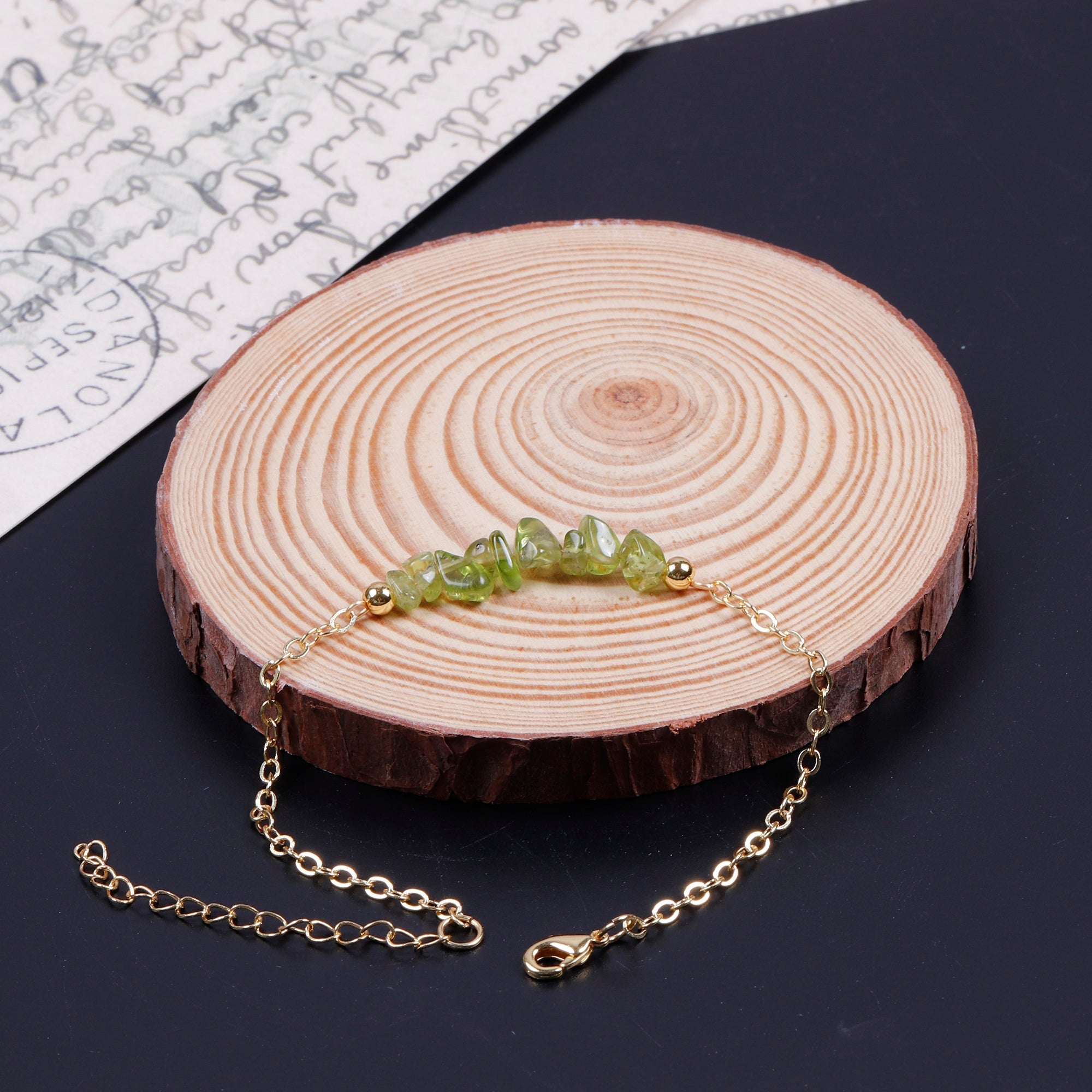
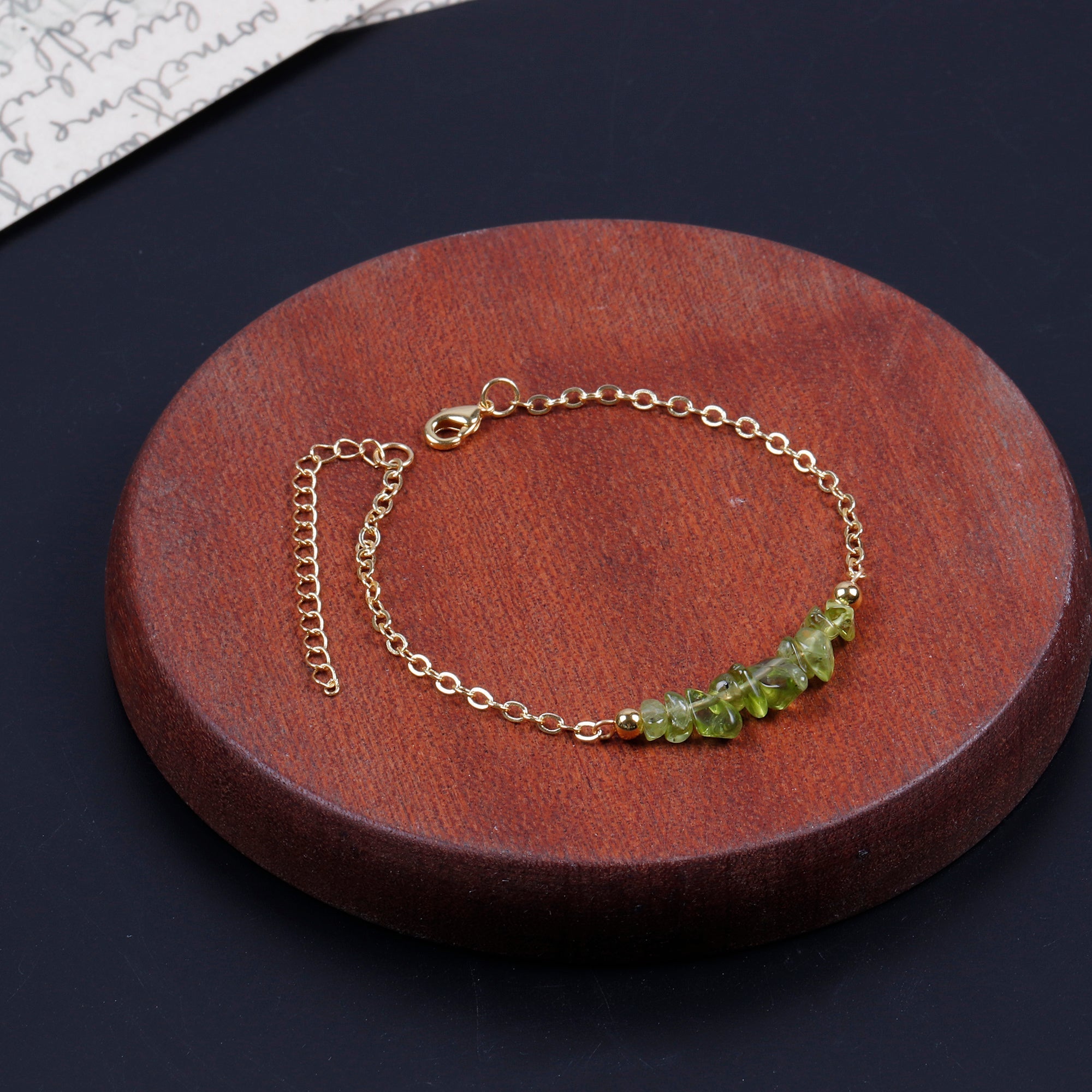
Wear this peridot and jade bracelet to attract prosperity and experience authentic peridot’s value for everyday luck. Learn more ➔

Enhance your investment in natural stones with this bracelet featuring genuine peridot among other premium healing gems. Learn more ➔
Where to Buy and Market Transparency
When you are ready to purchase, transparency is key. Reputable dealers should be open about the origin of the stone and whether any treatments have been applied. While most peridot is untreated, confirming this adds to the peridot gemstone worth.
Comparing prices across different vendors is smart practice. The peridot stone price can vary between online marketplaces, specialized gem shows, and high-end jewelry boutiques. For further reading on market trends and gemstone valuation, the International Gem Society (IGS) offers excellent data for collectors.

Conclusion
Understanding the nuances of peridot value empowers you to make purchases that are not only aesthetically pleasing but also financially sound. From the vibrant lime greens of Pakistan to the classic olive tones of Arizona, peridot offers a range of options for every budget. By focusing on color saturation, clarity, and authenticity, you can confidently navigate the market. Whether you are adding to a serious gem collection or selecting a meaningful piece of jewelry, paying the right peridot stone price ensures your investment retains its sparkle for years to come.
Frequently Asked Questions about Peridot Value & Investment
The price varies greatly by quality. Commercial grade stones (often pale or brownish) can cost between $20 and $80 per carat. High-quality, vibrant green gems typically range from $80 to $250 per carat. Rare, top-grade stones over 5 carats can command prices upwards of $400 to $900 per carat.
The primary factor is color; a saturated, pure grass-green is the most valuable. Other critical factors include clarity (eye-clean is preferred), carat weight (larger stones are rarer), cut quality, and origin (stones from Burma/Pakistan often have higher value).
Yes, particularly for high-quality specimens. While not as expensive as diamonds, fine peridot, especially in sizes over 5 carats with top color and no treatment, is considered a collectible gem with potential for value appreciation over time.
High-quality peridot has a vivid green color with no brown or yellow undertones. It should be transparent and free of inclusions visible to the naked eye. Excellent cutting will also enhance its brilliance and value.
Like many natural commodities, peridot value fluctuates with supply and demand. However, the price for fine, large, and untreated stones has historically trended upward due to their increasing scarcity and growing demand in the jewelry market.