For rockhounds and spiritual seekers alike, few stones capture the rugged beauty of the Great Plains quite like the prairie agate. As the official Nebraska state rock, this stone is not just a geological specimen; it is a piece of history formed millions of years ago, holding the earthy energy of the American Midwest. Whether you are a collector looking to identify a raw specimen or a crystal enthusiast seeking grounding vibrations, understanding this unique agate offers a deeper connection to the land.
While often overshadowed by the more flashy Fairburn agate, the prairie agate possesses a subtle, intricate beauty that rewards close inspection. In this guide, we will explore the origins, identification tips, and spiritual significance of this enduring stone, helping you appreciate why it holds such a special place in the hearts of collectors and healers.
What is a Prairie Agate?
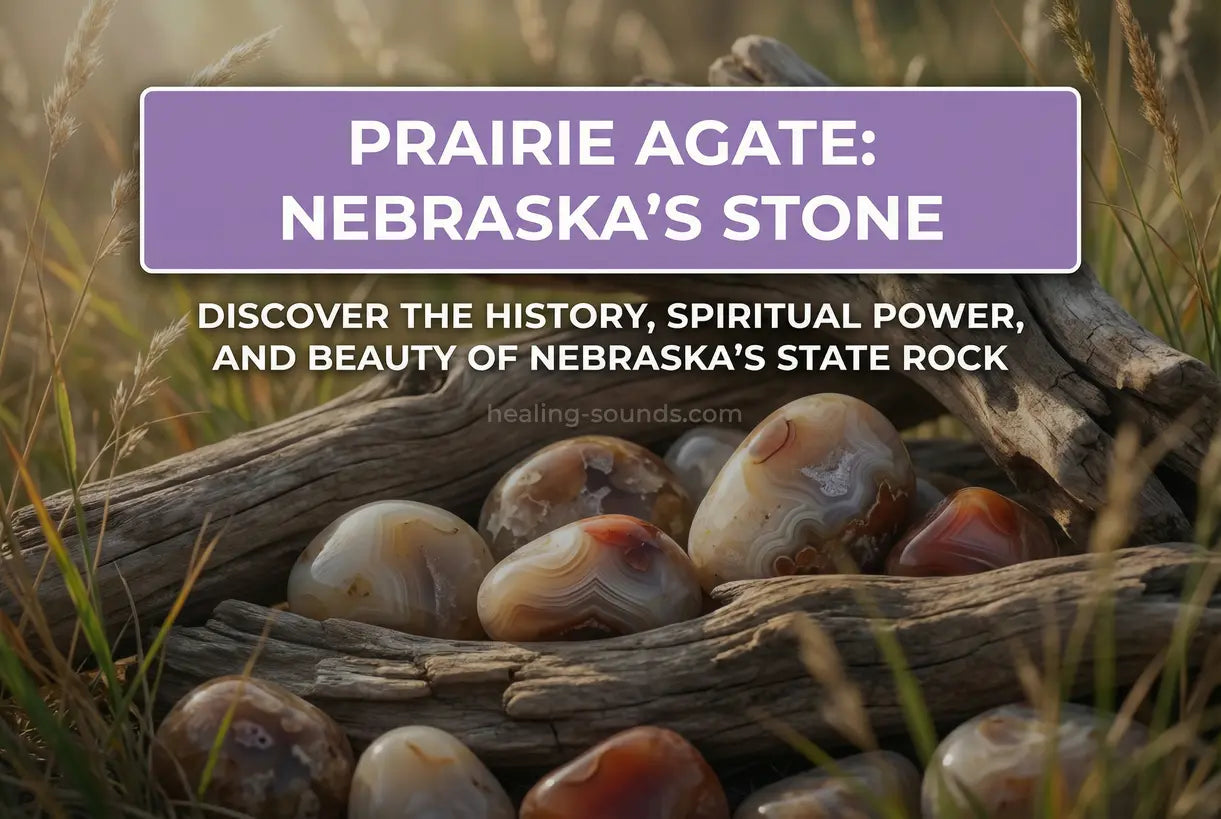
The prairie agate was designated as the official state rock of Nebraska in 1967, a testament to its abundance and cultural significance in the region. Geologically speaking, it is a variety of chalcedony, specifically a form of chert or jasper. These stones were formed in sedimentary layers, primarily within the Orellan Member of the Brule Formation, dating back to the Oligocene epoch.
Unlike typical agates that form inside gas bubbles of volcanic rock, prairie agates are often found as nodules in sedimentary limestone and clay. Over millions of years, silica-rich waters permeated these layers, creating the dense, hard stones we find today. Their durability allows them to weather out of the softer host rock, often ending up in riverbeds or exposed on the prairie surface.

Identifying Prairie Agate: Colors and Patterns
Agate identification can be tricky for beginners, but prairie agates have distinct characteristics. They typically exhibit a range of earthy tones, including reds, browns, tans, yellows, and occasionally varying shades of gray or blue-gray. The colors are derived from iron oxides and other minerals present during their formation.
One of the defining features of a prairie agate is its lack of the distinct, concentric "fortification" banding seen in other types. Instead, these stones often display swirled, mottled, or layered patterns. The texture is usually waxy or dull when raw but takes a brilliant, glass-like polish, making them a favorite for lapidary artists.
Key Identification Tips
- Hardness: roughly 6.5 to 7 on the Mohs scale.
- Luster: Waxy to dull in raw form; vitreous when polished.
- Patterns: Look for swirled or clouded jasper-like patterns rather than sharp bands.

Prairie Agate vs. Fairburn Agate
A common question among collectors concerns the difference between a prairie agate and a Fairburn agate. Both are found in similar regions, particularly in the Oglala National Grassland. However, the Fairburn agate is famous for its sharp, holly-leaf shaped fortification banding and vibrant colors. In contrast, the prairie agate is generally more subdued, leaning towards jasper with softer, less defined banding. While Fairburns are the state gem of South Dakota, the prairie agate proudly represents Nebraska.
Where to Find Prairie Agate in Nebraska
If you are planning a rockhounding trip, the northwest corner of Nebraska is the prime location. The Oglala National Grassland is a renowned hotspot for enthusiasts. Here, the erosion of the ancient badlands exposes new stones annually. Another excellent location is near Toadstool Geologic Park, where the unique landscape offers a glimpse into the prehistoric world.
When searching, look for stones that have a different texture and color than the surrounding sandstone or clay. The waxy luster of a broken or worn surface is often the best giveaway. Always ensure you are collecting on public land where rockhounding is permitted, or obtain permission from private landowners.






Spiritual Meaning and Healing Properties
Beyond their physical beauty, agates are revered in the metaphysical community for their stability and grounding influence. The agate meaning is deeply connected to the Earth's energy. Because prairie agates are born from sedimentary processes and have weathered the elements for eons, they are believed to carry a very slow, steady, and strengthening vibration.
Spiritual practitioners often use these stones to bring emotional, physical, and intellectual balance. The soothing colors of the prairie agate—reminiscent of dried grass and earth—are said to help center the wearer, relieving stress and bringing a sense of calm resilience. It is a stone of courage and protection, perfect for those feeling unmoored or anxious.
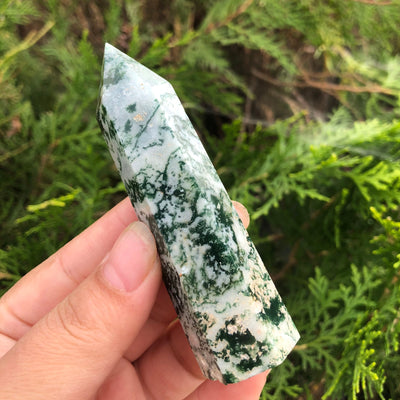
Tour de cristal d'agate mousse pour l'équilibre énergétique
$49.99 $59.99
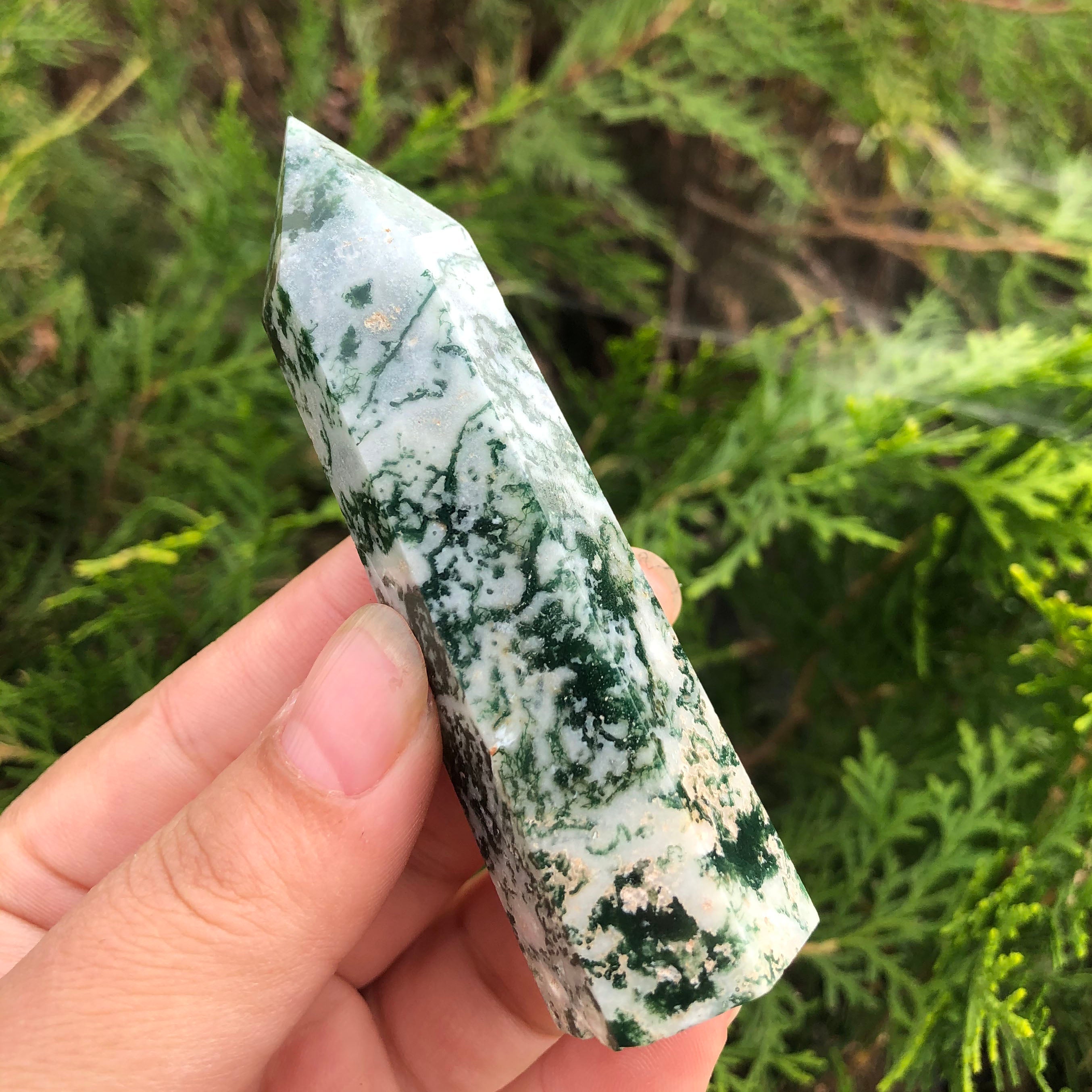
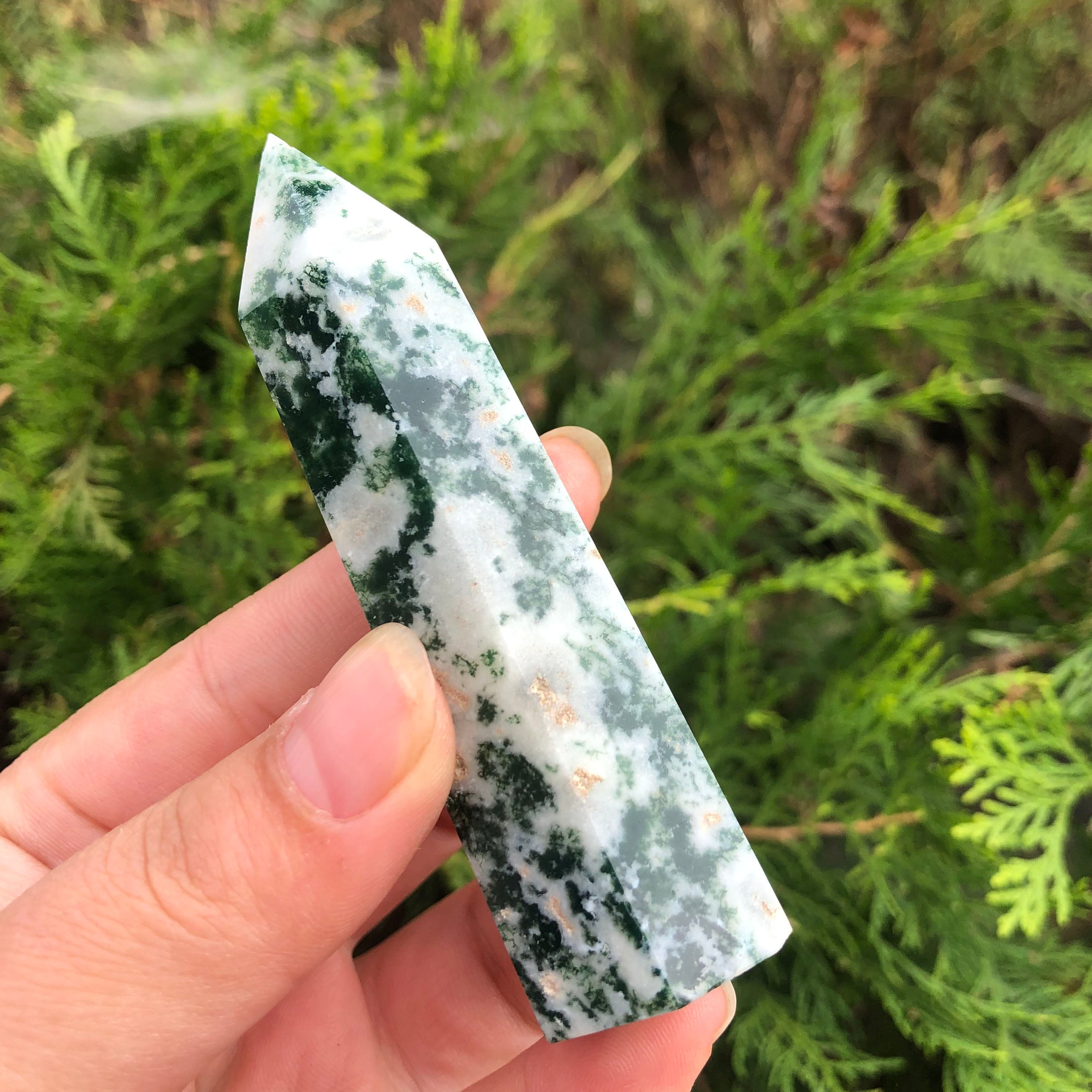
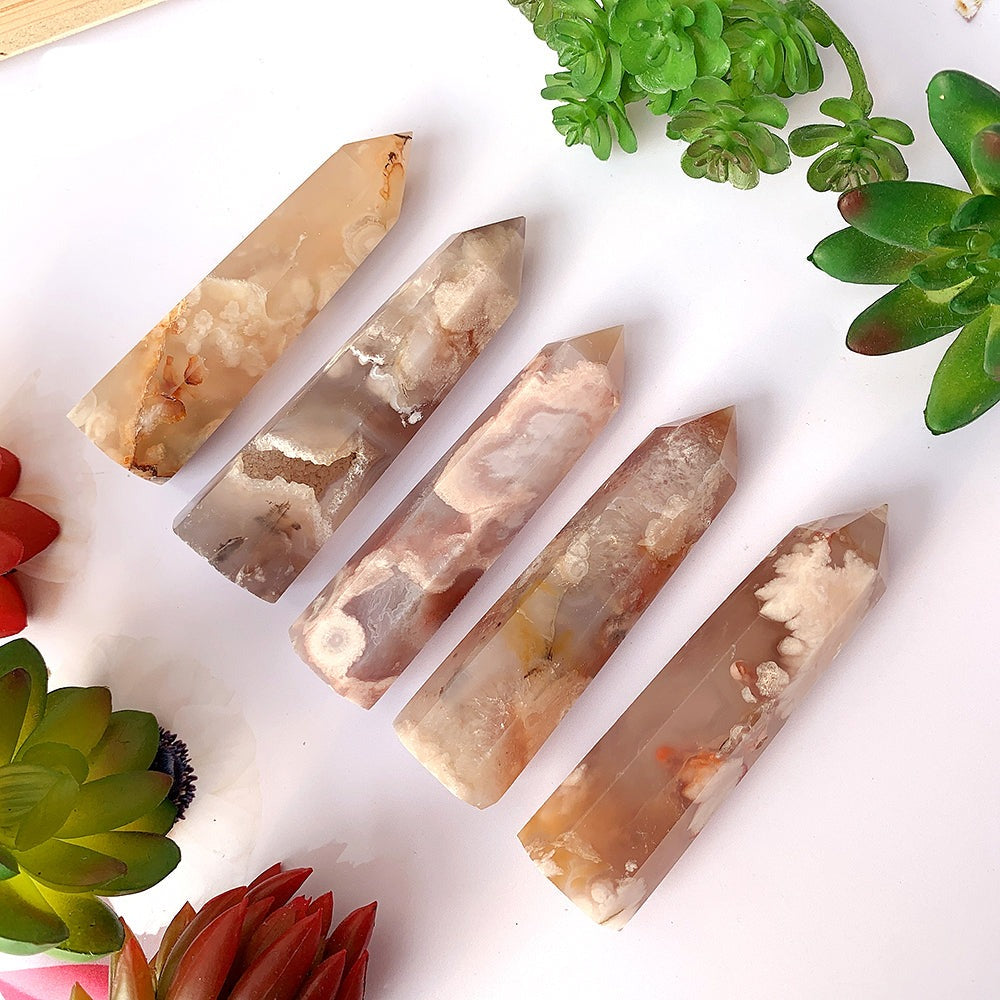
Explore Nebraska's agate connection with this Moss Agate tower, perfect for grounding and prairie-inspired energy work.
Explore ProductCollecting and Shaping: From Rough to Cabochon
For lapidary enthusiasts, the prairie agate is a joy to work with. Despite being hard, it cuts and polishes exceptionally well. Turning a rough, unassuming nodule into a gleaming cabochon reveals hidden depths and intricate landscapes within the stone. Because they are abundant and relatively inexpensive, they are excellent stones for beginners learning to tumble or cut.
In terms of value, while they may not fetch the high prices of rare Fairburns, high-quality prairie agates with unique patterns or vibrant colors are collectible. Their true worth often lies in the personal joy of discovery and the connection to the Nebraska landscape.
If you are interested in geology and state symbols, you can read more about Nebraska's geological history on the University of Nebraska-Lincoln School of Natural Resources website.
Enhance Your Collection with Agate Energy

Pyramide d'agate Force et Courage - Accent de méditation
$49.99
$59.99
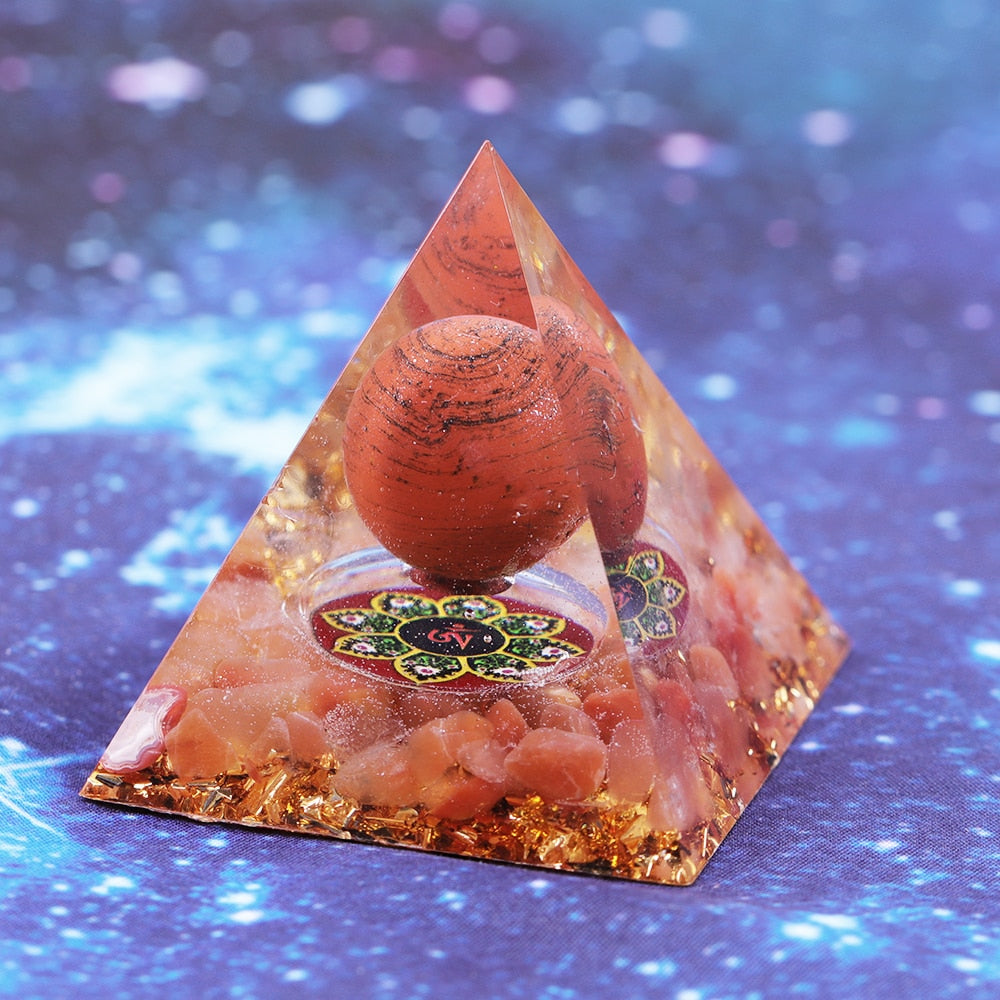
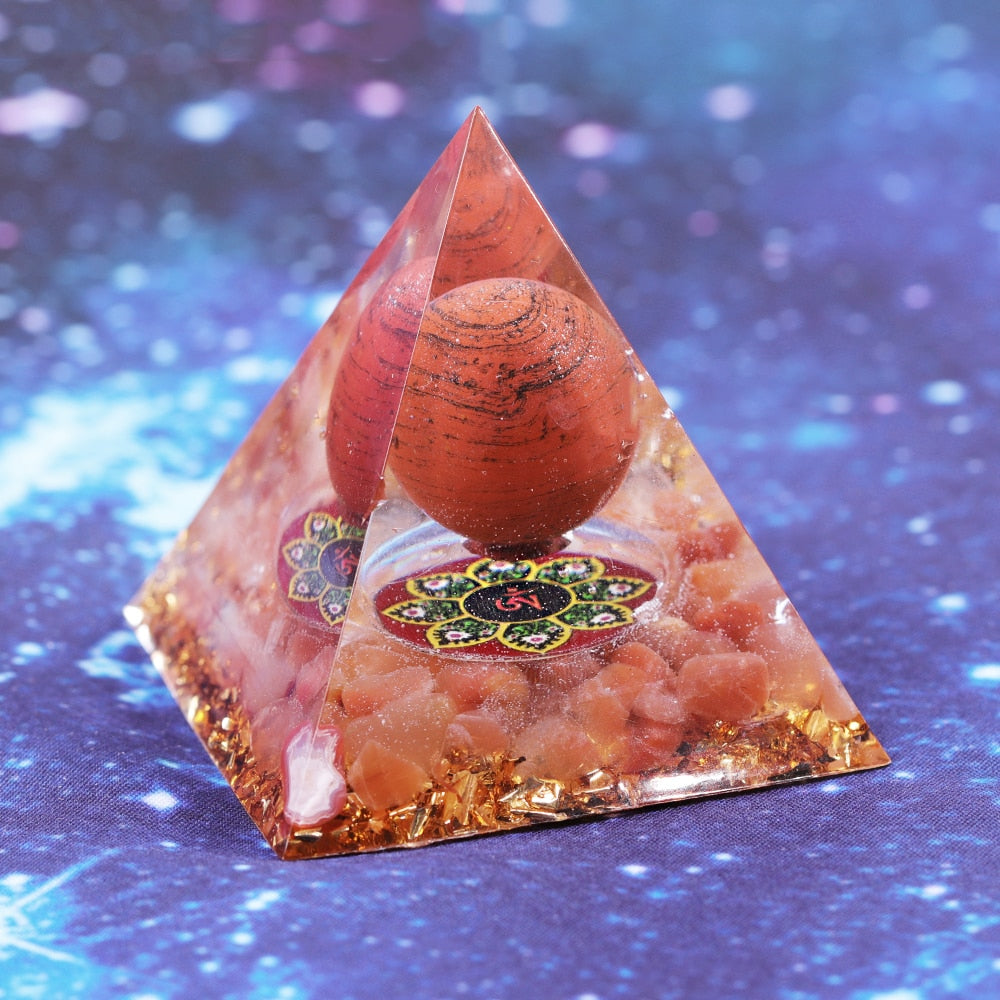
Channel the earthy power of agate with this pyramid, ideal for meditation and honoring Nebraska's state rock heritage. Learn more ➔

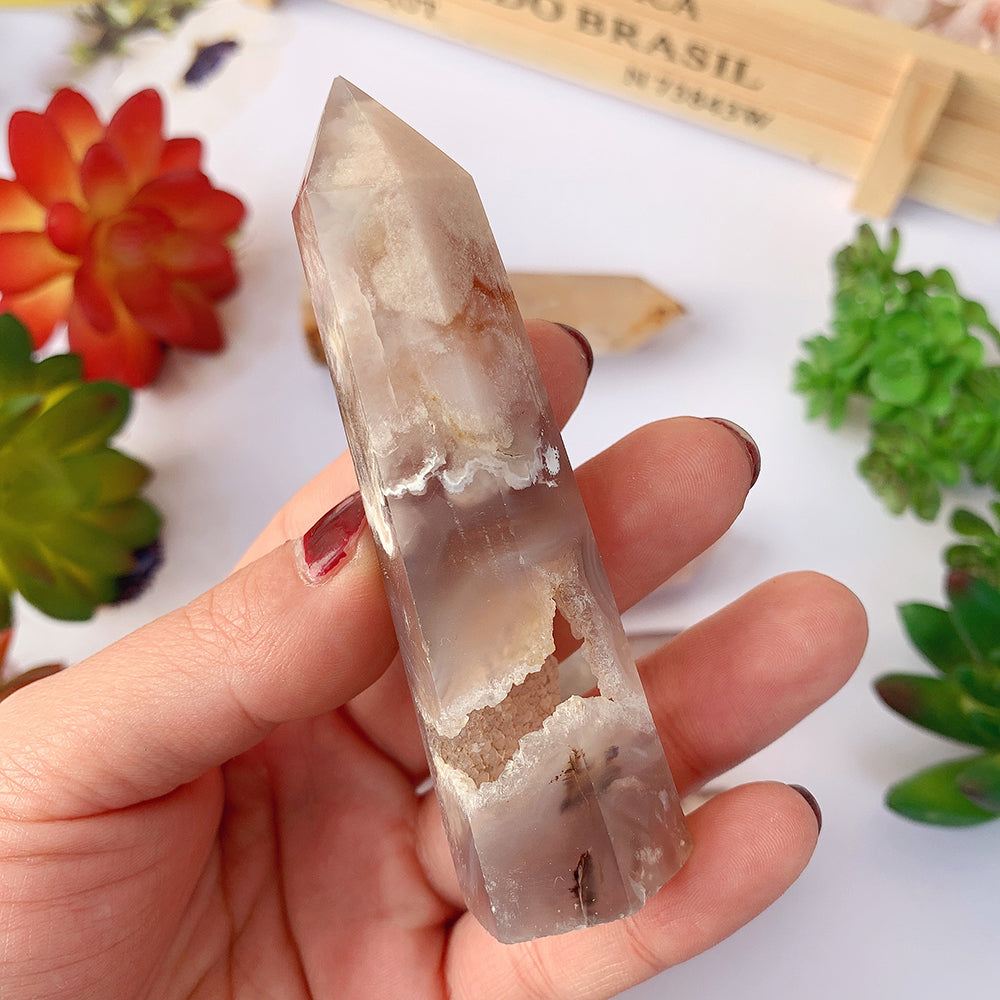
Tour d'agate rose Sakura pour une vie consciente
$39.99
$49.99
Bring mindful prairie serenity into your space with this soothing Pink Sakura Agate crystal tower, echoing agate's calming spirit. Learn more ➔
Conclusion
The prairie agate is more than just the Nebraska state rock; it is a symbol of the enduring spirit of the plains. Whether you are hunting for them in the grasslands, polishing them into jewelry, or using them for their healing properties, these stones offer a tangible connection to nature. Their subtle beauty reminds us to look closer at the world around us to find hidden treasures.
We invite you to explore the grounding energy of agate in your own life. Whether through a raw specimen found on a hike or a polished piece for your home, the stable vibration of this stone is a wonderful addition to any collection.
Frequently Asked Questions about Prairie Agate
A prairie agate is the official state rock of Nebraska. It is a type of chert or jasper (cryptocrystalline quartz) found primarily in the Oglala National Grassland. It is characterized by its hardness and earthy colors like reds, tans, and browns.
The main difference lies in the banding. Fairburn agates, the state gem of South Dakota, exhibit distinct, sharp "fortification" (holly-leaf style) banding. Prairie agates typically have swirled, mottled, or less defined jasper-like patterns and are generally more abundant.
Agates are widely known as grounding stones. Their spiritual purpose is to bring emotional, physical, and intellectual balance. They are believed to stabilize energy, improve concentration, and offer a sense of safety and security.
Prairie agates are most commonly found in northwestern Nebraska, specifically within the Oglala National Grassland. Areas around Toadstool Geologic Park are popular spots for rockhounds searching for these stones.
Yes, agates can be worth money, though values vary wildly. Common prairie agates are affordable and often sold by the pound for tumbling. However, rare specimens with exceptional colors, size, or unique patterns—like high-quality Fairburns—can fetch hundreds or even thousands of dollars.