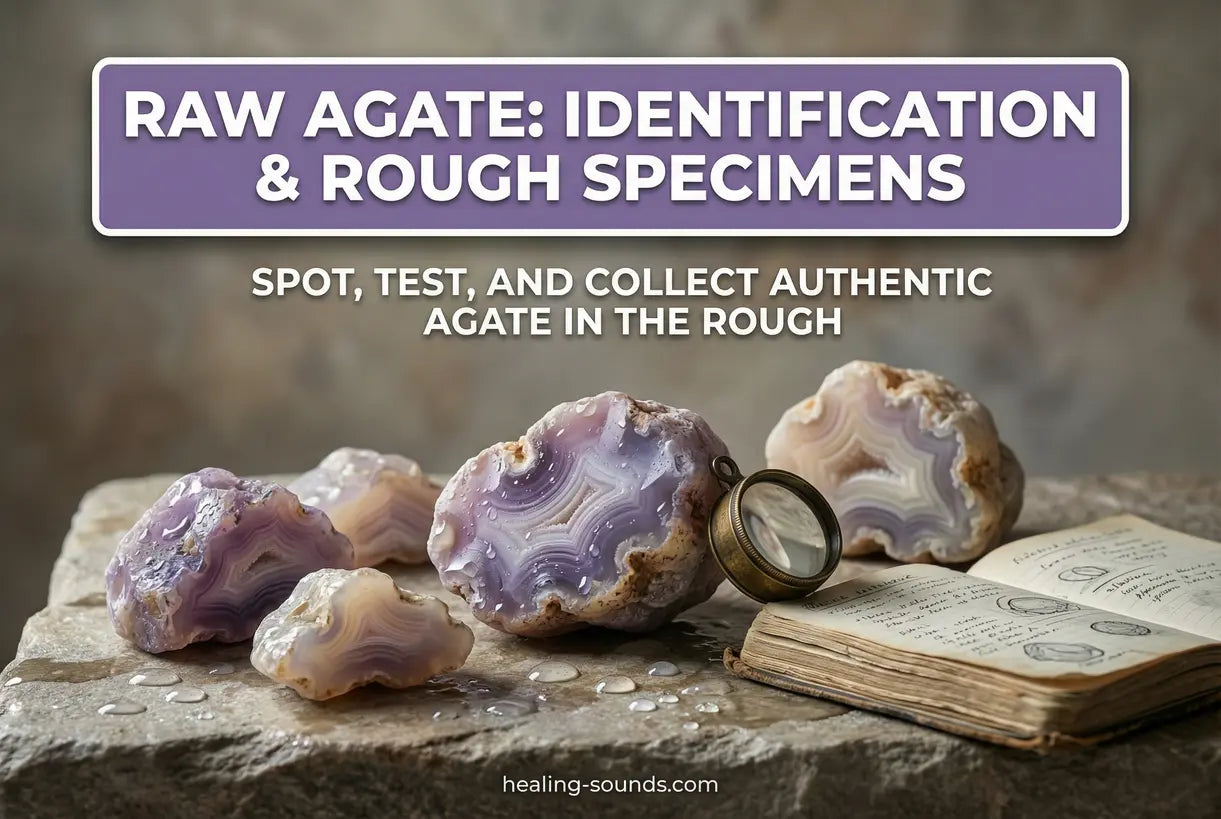
For rockhounds, crystal enthusiasts, and nature lovers, few things compare to the thrill of discovering a gemstone in its natural state. Raw agate is a treasure often hidden in plain sight, disguised by a rough, unassuming exterior that belies the stunning beauty within. Unlike the polished, shiny stones found in jewelry stores, unpolished agate requires a keen eye to spot among river rocks and gravel beds.
Whether you are walking along a beach, hiking a dry creek bed, or exploring a mine, knowing how to identify these stones is a valuable skill. This guide explores the essential features of rough agate, helping you distinguish authentic specimens from common look-alikes. We will dive into the tell-tale signs of raw agate identification, from its waxy luster to its unique fracture patterns, ensuring your collection grows with genuine, high-quality finds.
What is Raw Agate?
Agate is a variety of chalcedony, which is a cryptocrystalline form of quartz. While polished agates are famous for their intricate banding and vibrant colors, raw agate looks quite different. In the wild, these stones often appear dull, pitted, or covered in a "husk" or matrix rock. However, the magic of natural agate lies in its potential and the subtle clues it offers to the observant collector.
The term "rough" simply refers to the stone's unworked state. It hasn't been tumbled, cut, or polished. Finding agate specimens in this condition connects you directly to the geological processes that formed them millions of years ago, often within the cavities of volcanic rocks.

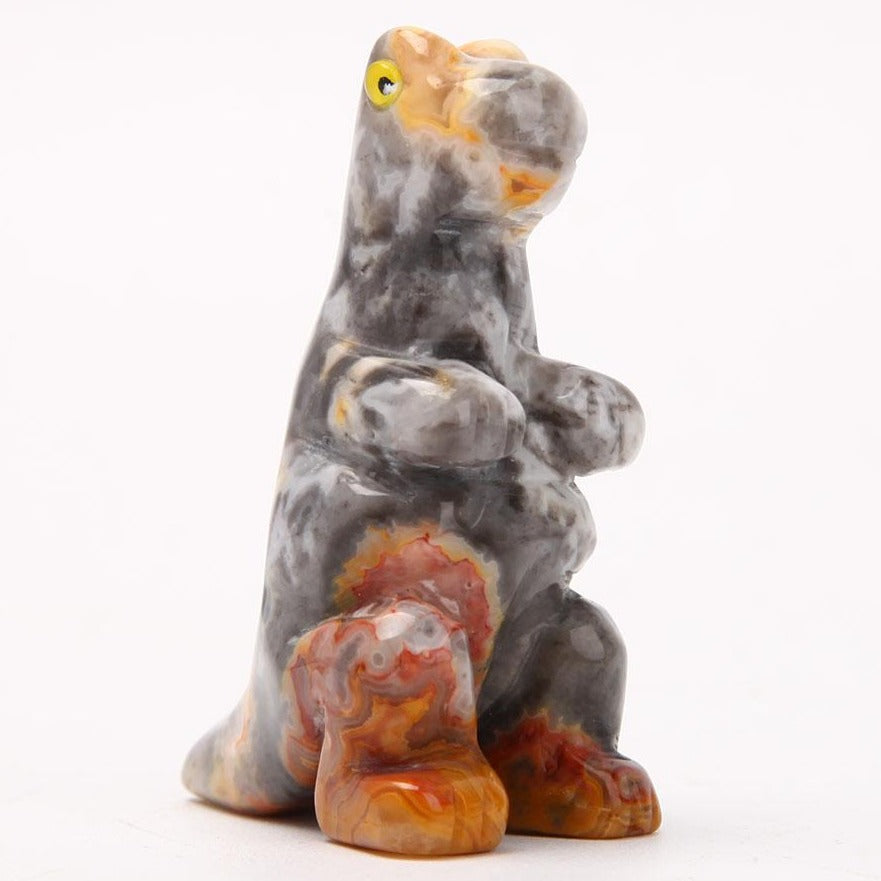
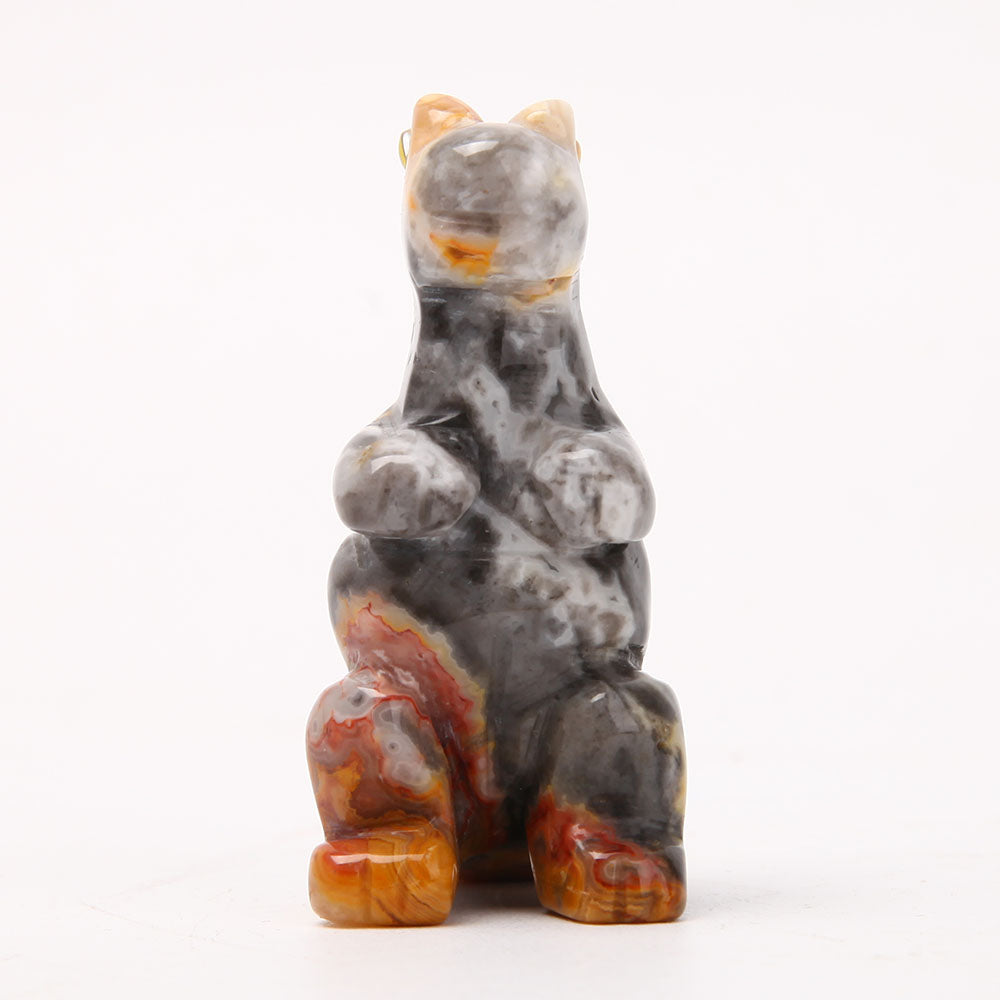
Sculpture en cristal de dinosaure Crazy Agate de 2,5 pouces
$129.90 $189.90
Experience the beauty of raw agate with this handcrafted dinosaur carving—perfect for collectors and earth energy lovers.
Explore ProductKey Features for Raw Agate Identification
Identifying rough agate in the field can be challenging because the exterior often hides the stone's true character. However, there are four primary indicators that experienced rockhounds look for: translucency, luster, fracture, and banding.

1. Translucency
One of the most reliable tests for raw agate identification is the light test. Unlike jasper or common river rocks, which are opaque, agate is typically translucent. If you hold the stone up to a strong light source (like the sun or a bright flashlight), you should see light passing through the edges or thinner sections. This glowing quality is a hallmark of chalcedony varieties.
2. Waxy Luster
Inspect any chipped or broken surfaces on the stone. Unpolished agate typically exhibits a waxy or greasy luster, similar to the sheen of a candle or a fingernail. It does not look like the sparkly, grainy texture of sandstone or granite, nor does it look like glass. This waxy appearance is due to the microscopic size of the quartz crystals that make up the stone.
3. Conchoidal Fracture
When agate breaks, it doesn't crumble or split along flat planes. Instead, it breaks with a conchoidal fracture. This means the broken surface will feature smooth, curved ripples that resemble the inside of a clam shell or the ripples in a pond. If you see these curved, shell-like patterns on a rough agate stone, you are likely holding a piece of chalcedony or high-quality quartz.
4. Banding
While not always visible on the outside, banding is the definitive feature of agate. On a raw agate specimen, you might see faint lines running across a broken edge. Sometimes, wetting the stone with water can make these bands more visible, revealing the layers of mineral deposition that characterize banded agate.

Common Look-alikes
Part of mastering raw agate identification is knowing what isn't agate. Several other rocks share the same environment and can easily fool a beginner.
- Jasper: Jasper is also a form of chalcedony, but it is opaque. Light will not pass through it, even at the edges. It is often solid red, yellow, or brown.
- Chert and Flint: These are very similar to agate in hardness and fracture (they also break conchoidally) but usually lack the distinct banding and translucency of high-quality agate. They often appear duller and more uniform in color.
- Common Quartz: While related, macro-crystalline quartz usually has visible crystal faces or a more glass-like (vitreous) luster compared to the waxy sheen of agate.
Testing Your Findings
Once you have brought your agate rough rock home, you can perform further tests to confirm your identification. One standard method is testing hardness. Agate is relatively hard, ranking about a 7 on the Mohs scale. This means it cannot be scratched by a steel knife or a copper coin, but it can scratch glass.
For a visual guide on selecting the best stones, watching expert rockhounds in action can be incredibly helpful. The video below demonstrates practical techniques for picking out high-quality rough stones.
The Value and Uses of Rough Agate
You might wonder, are agates worth money in their raw form? The answer varies. While common agates are affordable and abundant, rare varieties with unique landscape patterns, dendrites, or specific color combinations can fetch a high raw agate price. Collectors value agate specimens that show "windows" into the interior or have unique shapes intact.
Beyond their financial value, raw agate healing properties are highly prized in the wellness community. Many believe that keeping the stone in its natural state preserves its raw, grounding earth energy. Unlike tumbled stones, which have been processed, rough agate is thought to offer a more direct connection to nature, promoting stability, courage, and balance.

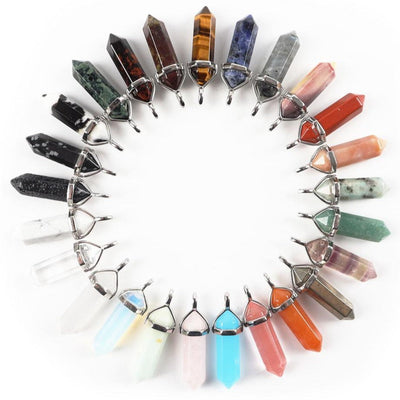
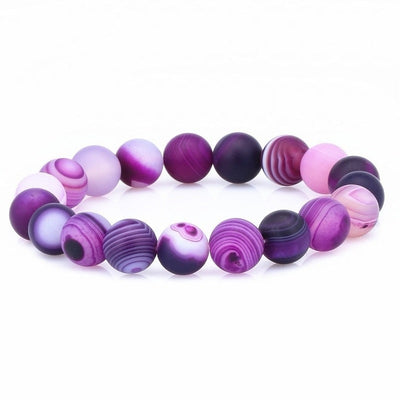
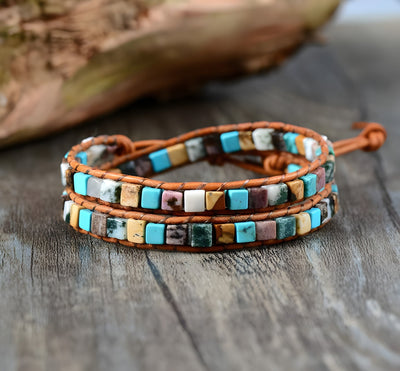
Enhance Your Space with Agate Energy

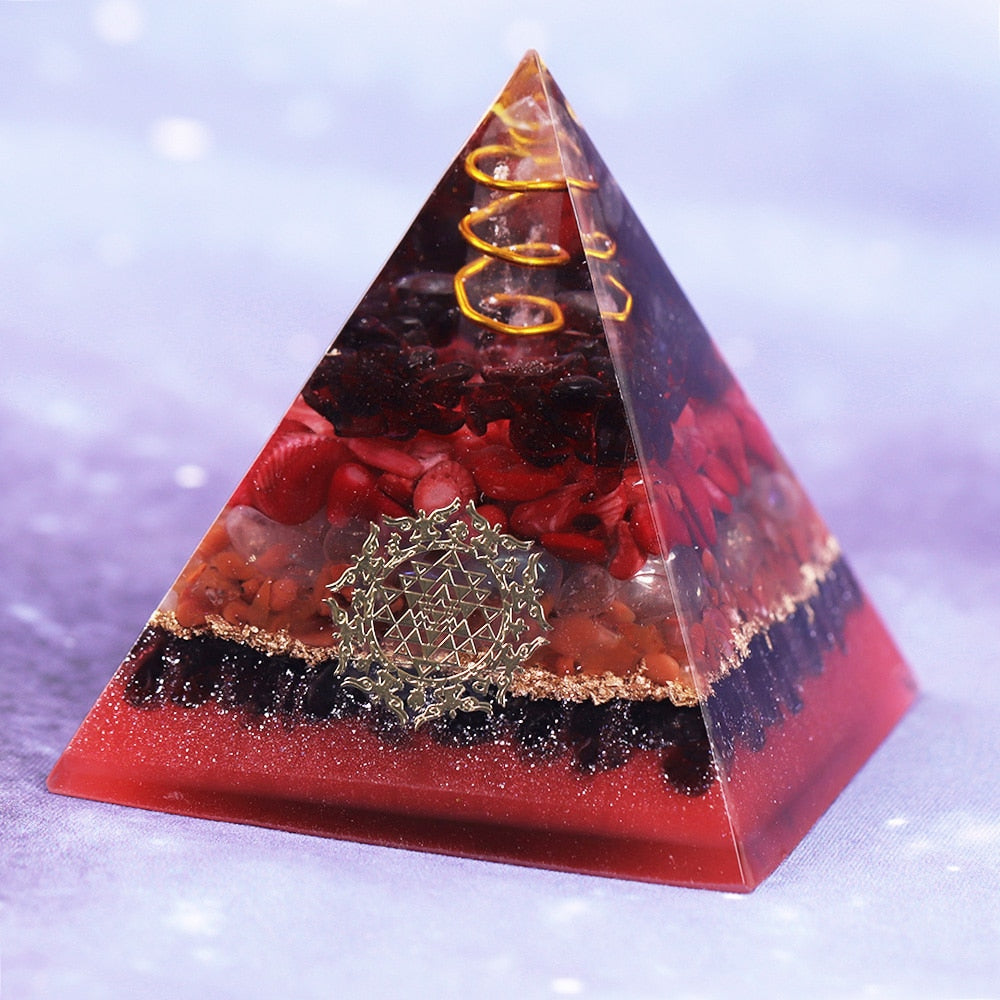
Pyramide d'orgonite en grenat de la Création Infinie
$49.99
$59.99
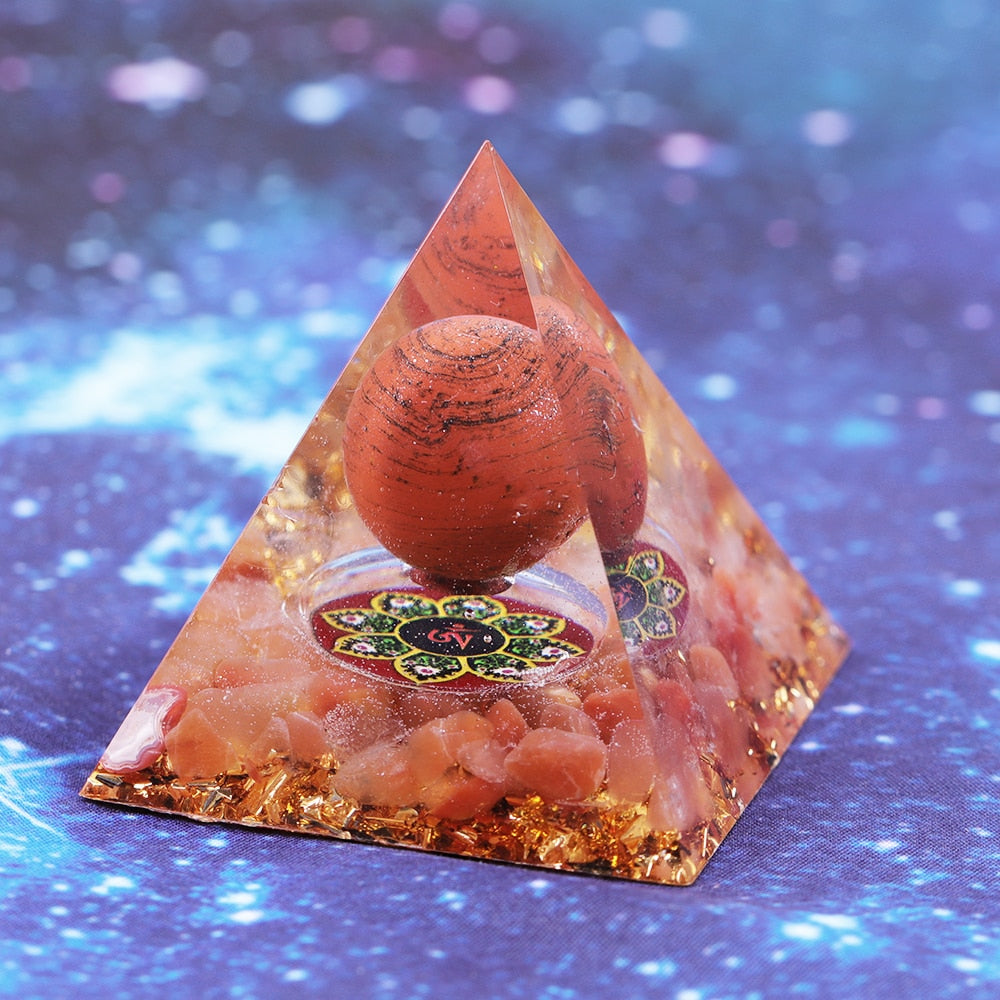
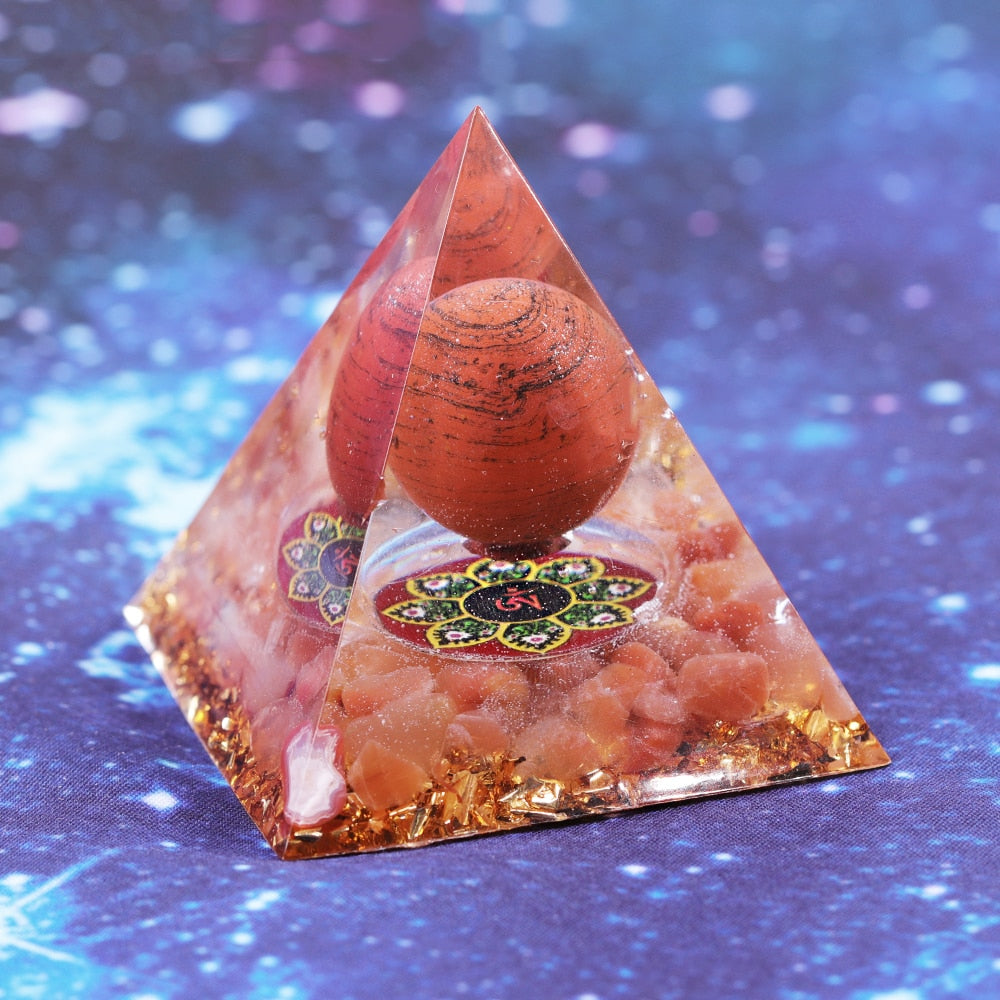
Harness the ancient energy of raw red agate and garnet within this orgonite pyramid for focus, balance, and space clearing. Learn more ➔

Pyramide d'agate Force et Courage - Accent de méditation
$49.99
$59.99
Featuring natural red agate, this meditation pyramid in rough stone form is ideal for inspiring courage and mindfulness in your space. Learn more ➔
Conclusion
Identifying raw agate is a rewarding journey that combines scientific observation with an appreciation for natural beauty. By looking for translucency, waxy luster, and conchoidal fractures, you can confidently distinguish authentic rough agate from other river stones. Whether you are collecting them for their geological uniqueness or their grounding metaphysical properties, these unpolished gems offer a tangible connection to the earth's ancient history. So next time you are outdoors, keep your eyes peeled—that dull, dusty rock at your feet might just be a hidden masterpiece waiting to be discovered.
Frequently Asked Questions about Raw Agate
To identify raw agates, look for translucency when held up to light, a waxy or greasy luster on broken surfaces, and a conchoidal (shell-like) fracture. Banding is a key indicator, though it may be faint on the rough exterior.
Common rocks mistaken for agates include jasper (which is opaque), chert, and flint. While they are geologically related and share similar hardness, these look-alikes lack the distinct banding and translucency found in true agate.
Metaphysically, raw agate is believed to possess strong grounding and stabilizing energies. Because it is unpolished, many practitioners feel it connects more deeply to the earth, promoting emotional balance, courage, and protection.
Yes, certain agates can be worth significant money, especially large specimens or those with rare patterns like landscape, fire, or plume agate. However, common varieties are generally affordable and accessible to beginning collectors.
You can test if a rock is agate by checking its hardness; it should scratch glass but not be scratched by a steel knife (Mohs hardness ~7). Additionally, checking for translucency with a bright light is a simple and effective field test.