Navigating the world of crystals and gemstones can be a spiritual journey, but it also comes with practical challenges. One of the most common concerns for enthusiasts and collectors is distinguishing real jade from the many imitations flooding the market. Whether you are seeking a piece for heart chakra healing or simply love the stone's aesthetic, knowing the difference between authentic jade and a clever fake is essential for your peace of mind and your wallet.
For centuries, jade has been revered not just for its beauty, but for its energetic properties. However, its popularity has led to an influx of treated stones, glass replicas, and dyed quartz sold as the real deal. In this guide, we will walk you through proven methods to identify genuine jade, empowering you to shop with confidence and connect with the true vibration of this ancient stone.
Understanding the Basics: Jadeite vs. Nephrite
Before diving into the tests, it is crucial to understand that "real jade" refers to two chemically different minerals: nephrite and jadeite. Both are considered authentic, but they have different characteristics. Nephrite is more common, typically darker green (or white), and incredibly durable. Jadeite is rarer, comes in a wider range of colors, and often commands a higher price point. Understanding which type you are looking at is the first step in jade identification.
Quick Tip for Buyers
- Nephrite: Often used in carvings and statues; feels slightly softer/waxier.
- Jadeite: Harder, glossier, and often used in high-end jewelry.
Visual Inspection: What Does Real Jade Look Like?
Your first line of defense against fake jade is a careful visual examination. Authentic stones are rarely perfect. If you see bubbles within the stone, it is almost certainly glass. Natural jade will often have minor imperfections, fibrous inclusions, or slight color variations that look like veins or roots.
Examine the surface texture. Real jade generally has a luster that is described as "greasy" or waxy (especially nephrite), whereas many fakes made of glass or treated quartz will have a high-gloss, vitreous shine. When you hold the stone up to the light, look for a consistent, solid color or natural, uneven patterns. If the color looks too vivid or "flat," proceed with caution.

The Touch Test: Temperature and Weight
One of the most immediate ways to spot genuine jade is through touch. Nature has given this stone a unique thermal property: it feels cold. When you pick up a piece of real jade jewelry or a carving, it should feel cool against your skin, even in a warm room. It will eventually warm up as you hold it, but it should take significantly longer than glass or plastic.
Additionally, jade is a dense stone. It has a high specific gravity, meaning it should feel heavier than it looks. If you toss a stone in the air and catch it, a real jade piece will land with a satisfying, solid weight. If it feels light or "hollow" like a plastic bead, it is likely a fake.

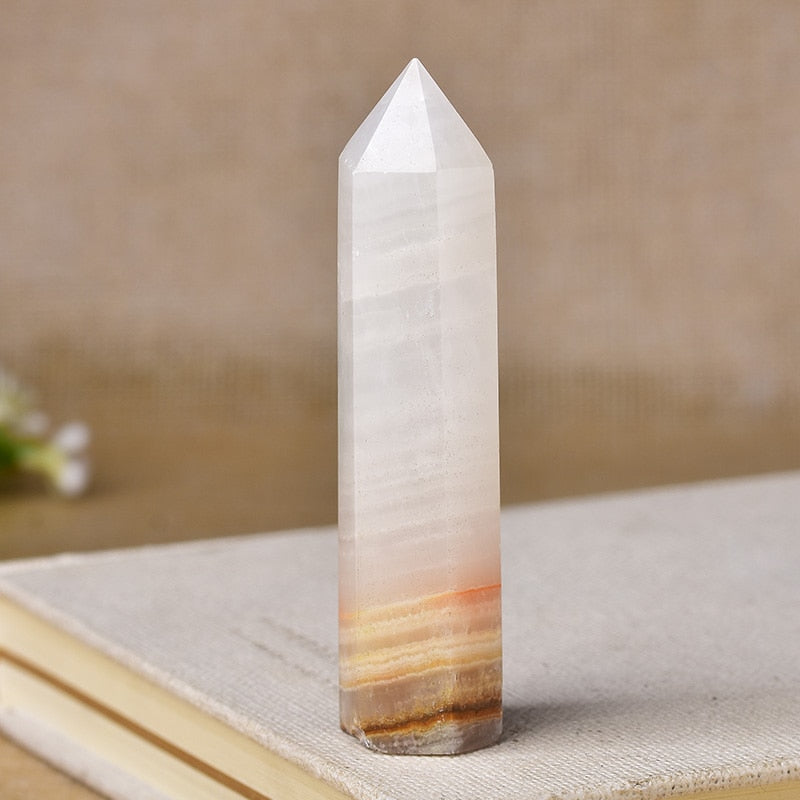
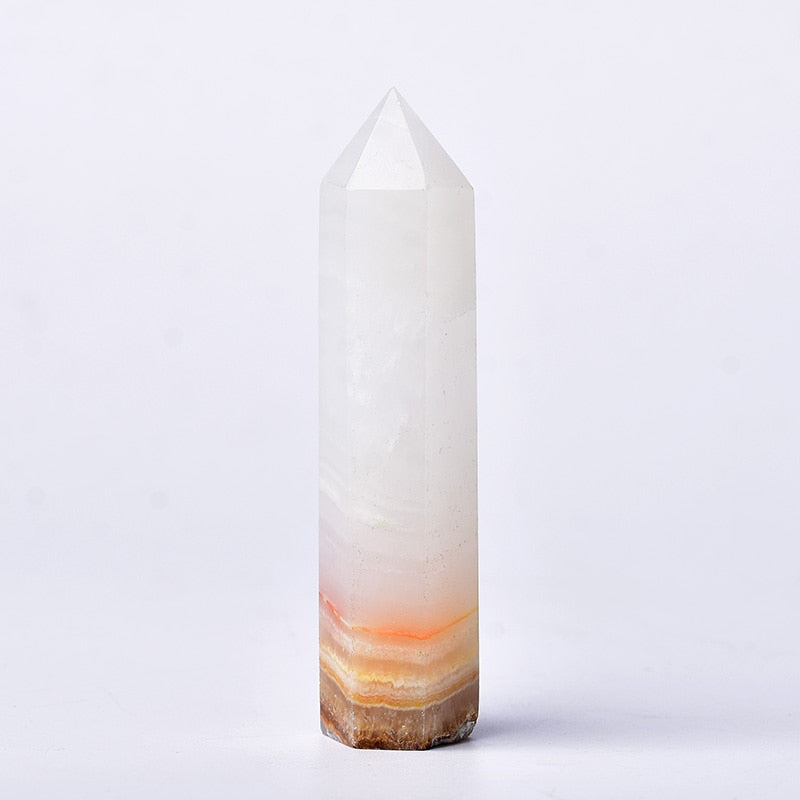
Tour de jade blanc afghan 2-3 pouces
$29.99 $39.99
Discover genuine white jade's tranquility—perfect for learning, meditation, and distinguishing authentic stones.
Explore ProductThe Sound Test: Listening for Resonance
For those interested in healing sounds and vibrations, this test is particularly relevant. When you gently tap a piece of real jade with another gemstone or a coin, it produces a high-pitched, resonant "clink" that sounds almost like a tiny bell. This is due to the stone's tightly interlocking microcrystalline structure.
In contrast, fake jade made from plastic or resin will produce a dull thud. Even glass, while it clinks, often lacks the depth of resonance found in jade. Note: Be very gentle with this test to avoid damaging your jewelry or the stone you are testing.
Advanced Identification: Light and Scratch Tests
If the basic sensory tests leave you unsure, you can move on to more specific methods. The "Scratch Test" is famous but risky. Authentic jade is very hard (harder than steel). Theoretically, you should not be able to scratch it with a steel knife or scissors. However, we recommend avoiding this on expensive jewelry as it can damage the finish or the setting. Instead, rely on the light test.

Holding your jade up to a bright light source allows you to see the internal structure. Genuine jade is usually translucent (but not transparent like clear glass). You should see an interwoven, fibrous structure inside, often resembling wisps of clouds or asbestos fibers. If the interior looks completely clean and uniform, or if you see round air bubbles, it is likely a synthetic imitation.
For a visual demonstration of these tests, watch the video below to see how experts differentiate between the real deal and common fakes.

Common Materials Used for Fake Jade
To identify the real thing, it helps to know what the "enemy" looks like. Manufacturers use various materials to mimic the appearance of natural jade. Some of the most common culprits include:
- Serpentine: A softer green stone that looks very similar but can be scratched easily.
- Aventurine Quartz: Often sold as "Indian Jade," it sparkles more than real jade due to mica inclusions.
- Glass: Often dyed green; look for bubbles and a warm feel.
- Resin/Plastic: Lightweight and warm to the touch; melts or smells like burning plastic if tested with a hot pin (destructive test).
When you are looking to buy authentic jade for your collection, stick to reputable sellers who are transparent about the stone's origin. Whether you are looking for a tower for your altar or a bracelet for daily wear, ensuring authenticity is key to receiving the stone's full benefits.
Enhance Your Collection with Authentic Jade

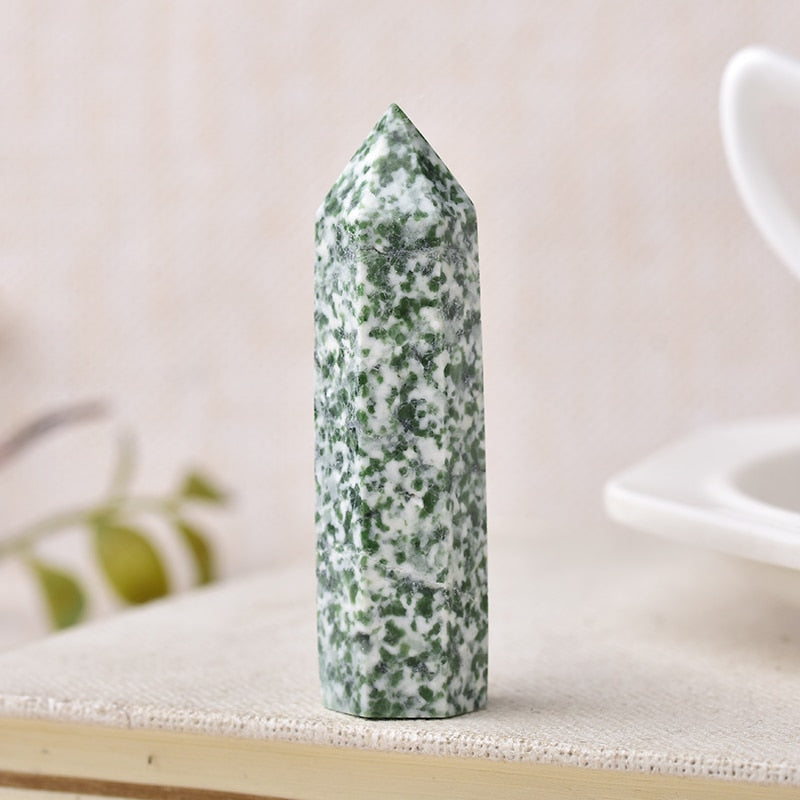
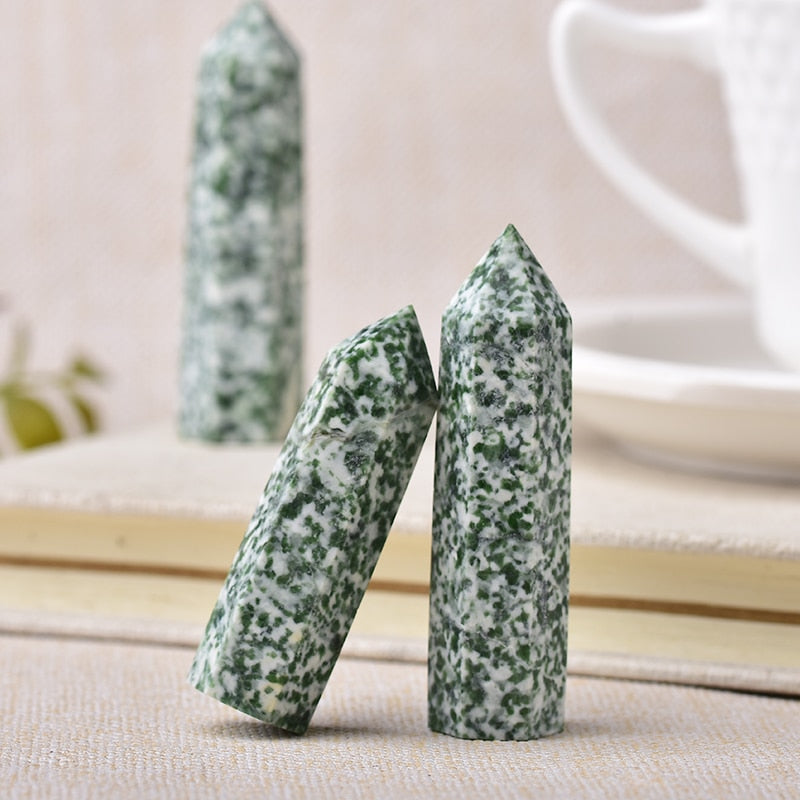
Tour de jade pour l'équilibre du chakra du cœur
$29.99
$39.99
Admire authentic green jade with this tower, ideal for visual ID tests and elevating your collection. Learn more ➔

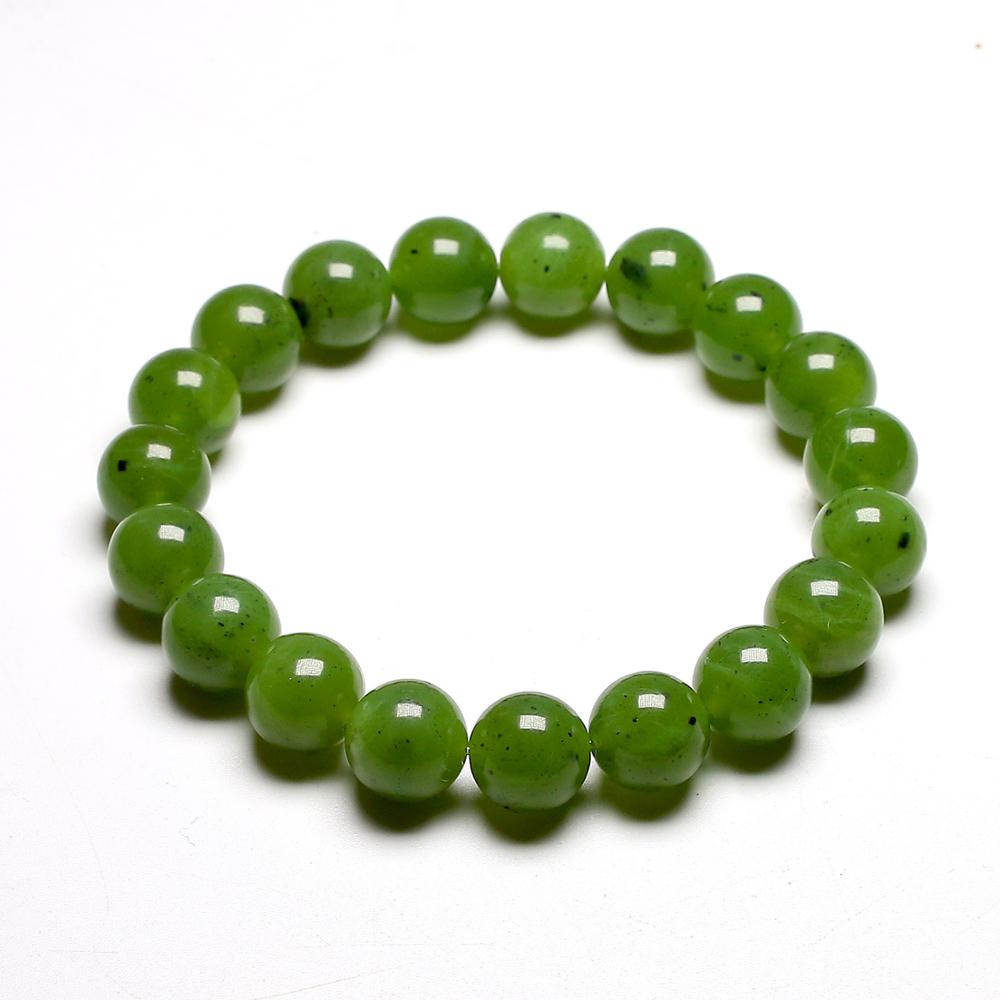
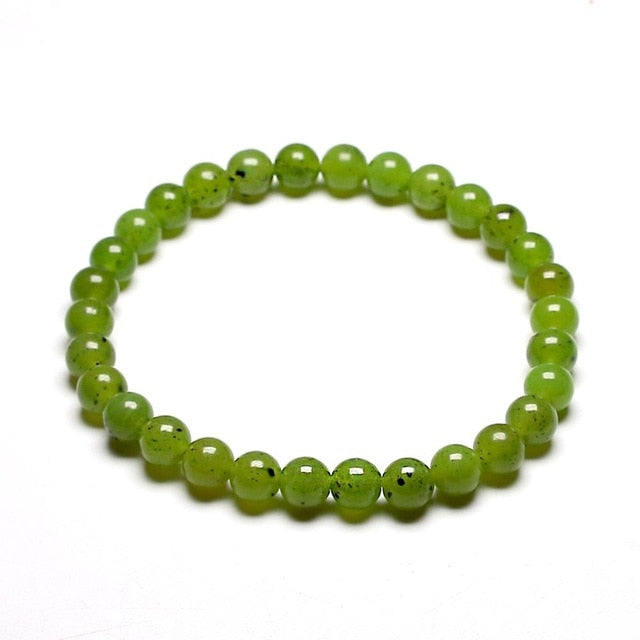
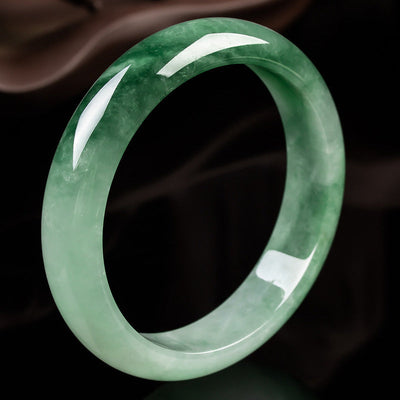
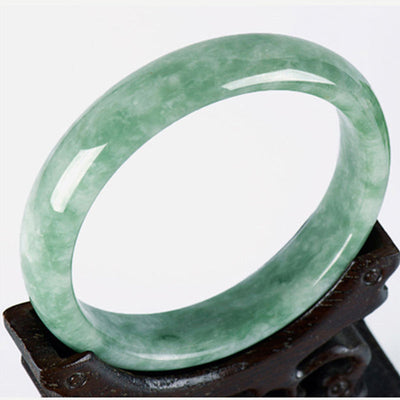
Wear a true jade bracelet daily to experience genuine quality and spot the difference from imitations. Learn more ➔
Summary Guide
Identifying jade requires patience and observation. While laboratory testing is the only way to be 100% certain (using spectroscopy), combining the visual, tactile, and sound tests gives you a very high probability of spotting a fake at home. Remember the key takeaways: real jade is cold, heavy, hard, and has a fibrous internal structure.

Conclusion
Differentiating between real vs. fake jade empowers you to make mindful decisions, ensuring that the crystals you bring into your life carry the authentic energy you seek. By paying attention to temperature, texture, weight, and sound, you can navigate the market with the eye of an expert. We invite you to explore our curated selection of authentic jade products, where purity and quality are always guaranteed.
Frequently Asked Questions about Real vs. Fake Jade
You can identify real jade by checking if it feels cold to the touch and heavy for its size. It should also have a fibrous internal structure when held up to light, rather than bubbles which indicate glass. A scratch test (carefully done) can also show its hardness compared to softer fakes.
The price of real jade varies drastically. Common Nephrite jade is often affordable, ranging from $30 to a few hundred dollars. High-quality Imperial Jadeite is incredibly rare and can cost thousands or even millions of dollars per carat.
Jade itself is not illegal. However, the U.S. has had sanctions in the past banning the import of jadeite and rubies mined in Burma (Myanmar) due to human rights concerns. It is important to check current regulations and verify the origin of the stone.
The most expensive color is a vibrant, emerald-green shade known as "Imperial Green." This color is found in high-quality Jadeite and is prized for its semi-transparent and intense saturation.
Jadeite is harder, denser, and comes in a wider variety of colors, including the prized Imperial Green. Nephrite is slightly softer, tougher (less prone to breaking), and usually occurs in dark green, white (mutton fat), or black shades.