For crystal collectors and jewelry enthusiasts, distinguishing between blue gemstones can be a challenge. Two of the most commonly confused stones are lapis lazuli and sodalite. At first glance, both appear as stunning, deep blue stones often polished into beads, spheres, or towers. However, knowing how to distinguish them is crucial, not only for ensuring you get what you pay for but also for understanding the unique metaphysical properties of each.
While they share a similar color palette, lapis lazuli and sodalite have distinct mineral compositions, textures, and identifying markers. Whether you are shopping for a new centerpiece or trying to identify a mystery stone in your collection, this guide will walk you through the key differences, covering color, inclusions, and mineral makeup.
Visual Identification: The Golden Fleck Test
The most immediate way to tell the difference between these two stones is to look closely at their inclusions. While both stones often contain white calcite, the presence of metal inclusions is the defining factor.
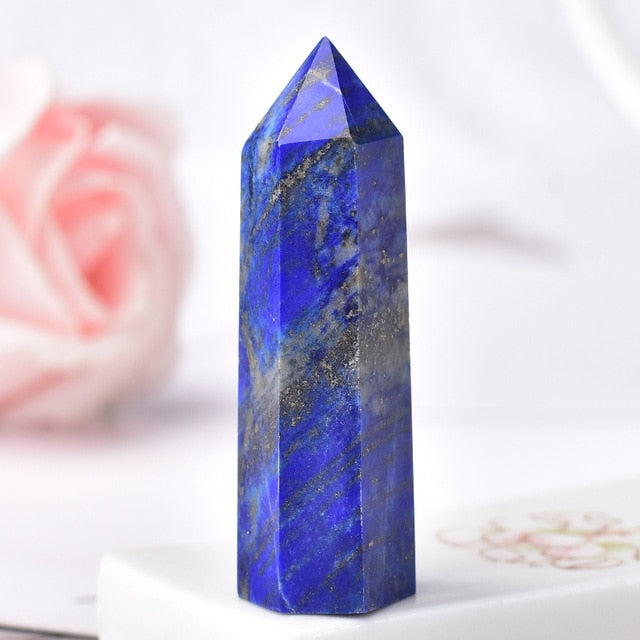
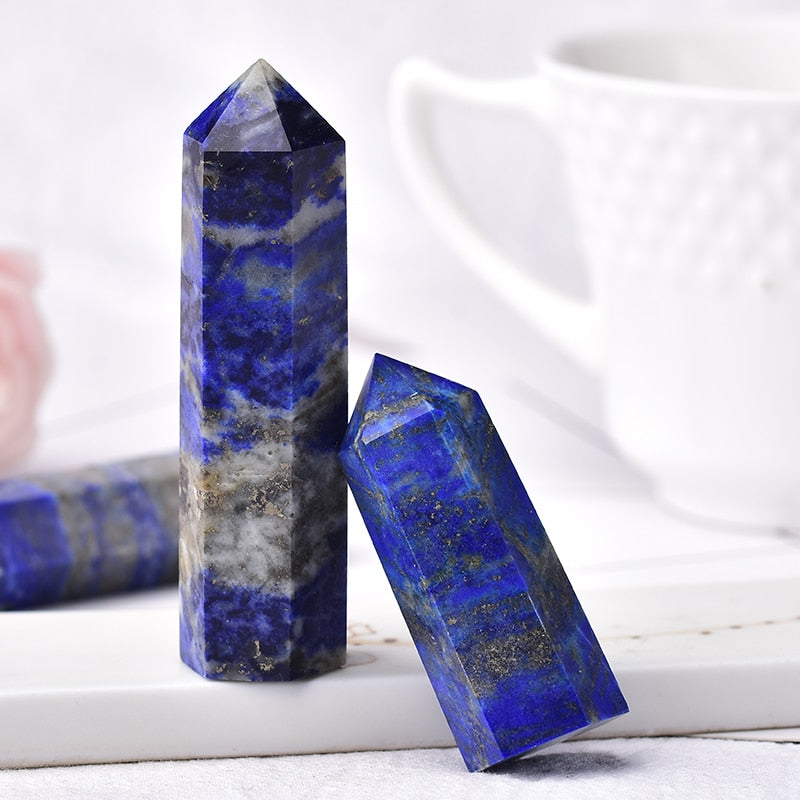
Lapis Lazuli is famous for its celestial appearance. It typically contains specks of pyrite, which look like tiny gold stars scattered across a blue night sky. If you see metallic gold glimmers within the stone, it is almost certainly lapis lazuli. The blue tends to be a rich, uniform ultramarine.
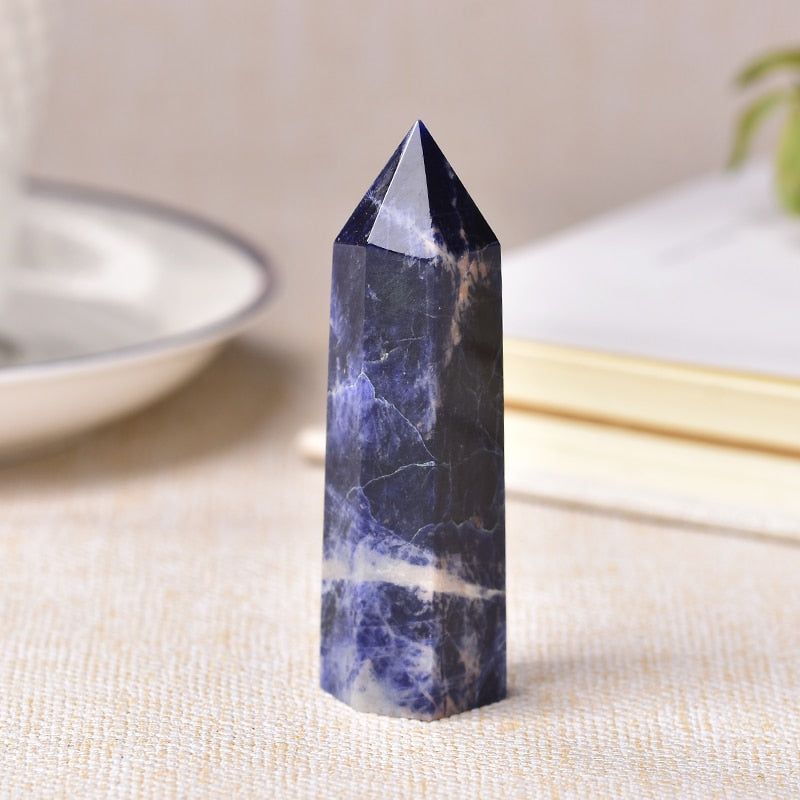
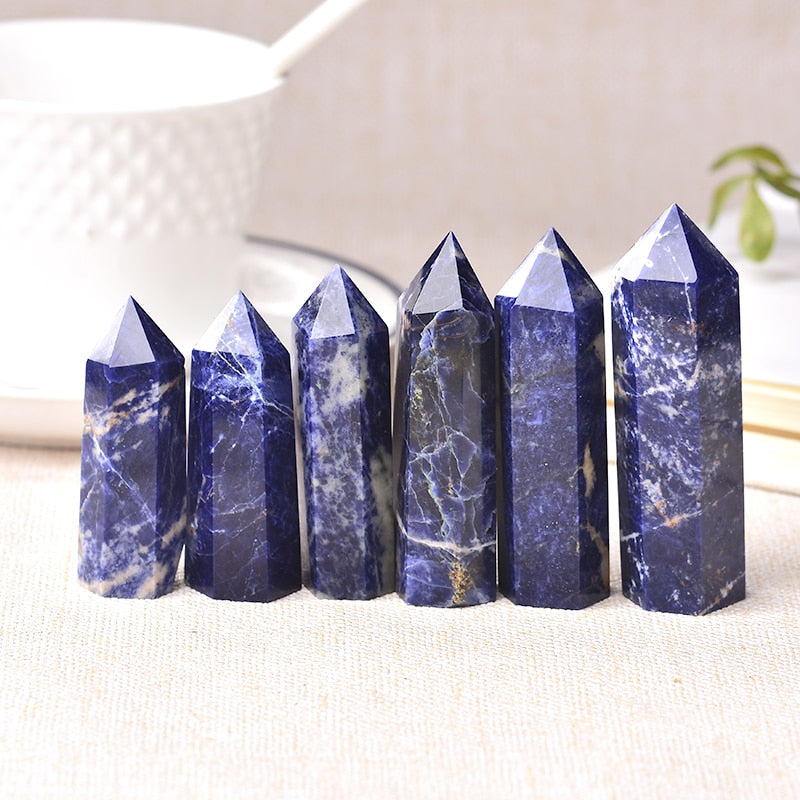
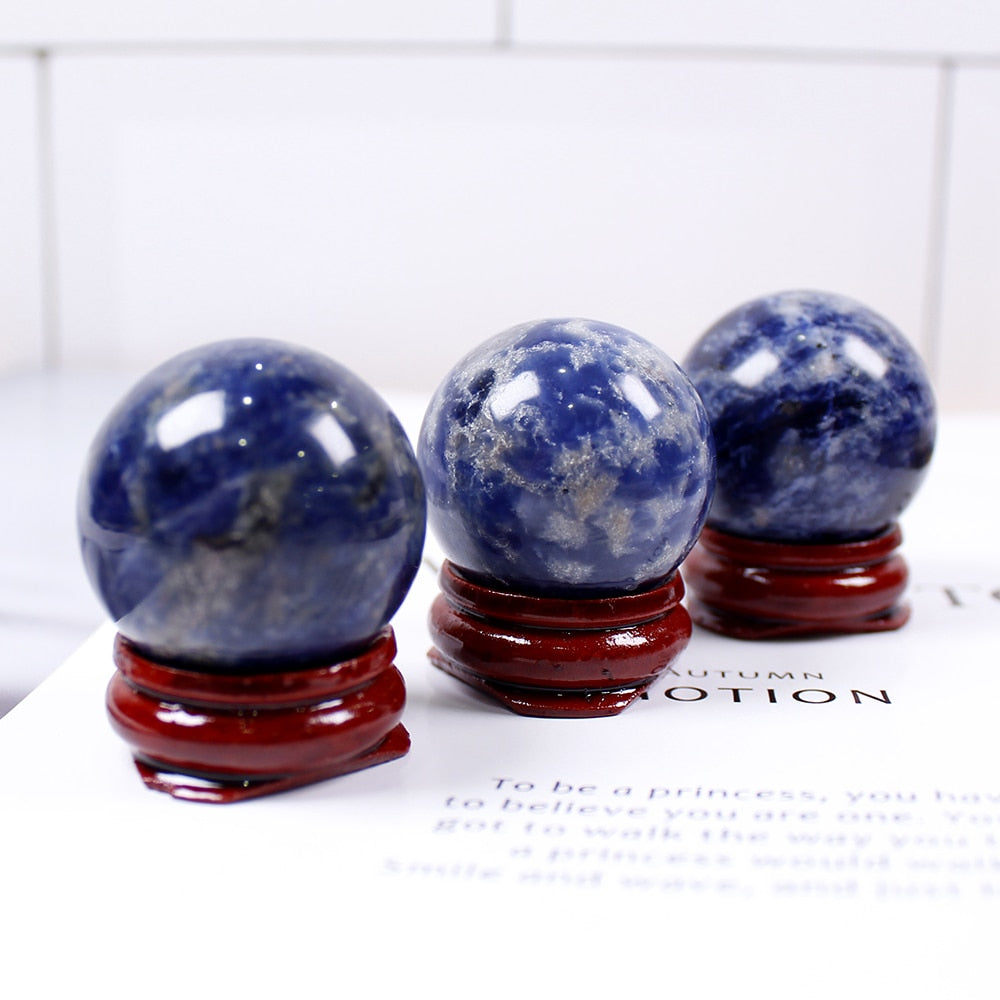
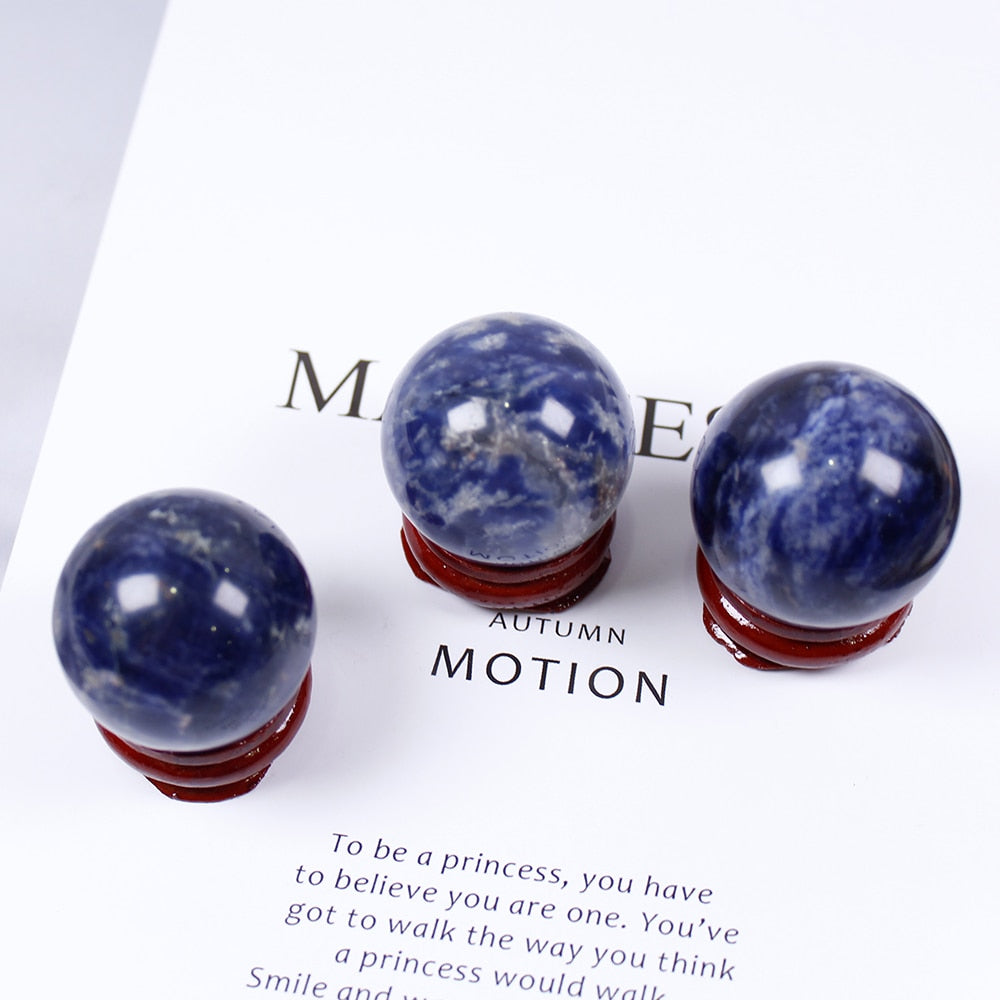
Sodalite, on the other hand, rarely contains pyrite. Instead, it is characterized by significant white veining or patches of calcite that streak through the stone. While Lapis can also have calcite, sodalite often looks more "cloudy" or mottled with grey and white. The blue of sodalite is often darker, bordering on royal blue-grey, rather than the vibrant ultramarine of high-quality lapis.

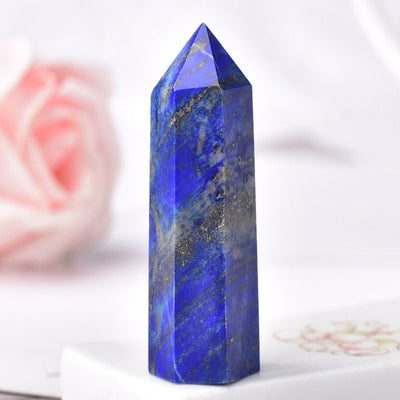
Tour de sagesse et de protection en lapis-lazuli
$29.99 $39.99
Spot the bold golden flecks of lapis lazuli with this striking crystal tower—perfect for hands-on identification practice.
Explore ProductMineral Composition and Hardness
To truly understand lapis lazuli identification, it helps to know what lies beneath the surface. Scientifically, they are quite different entities.
- Lapis Lazuli is not a single mineral but a rock (an aggregate). It is composed primarily of lazurite, calcite, and pyrite. Sodalite is actually one of the components found within lapis lazuli, which explains the confusion.
- Sodalite is a distinct mineral species in the feldspathoid group. It is a tectosilicate mineral.
Regarding hardness, they are quite similar, which can make scratch tests difficult for beginners. Lapis lazuli ranks between 5 and 5.5 on the Mohs scale, while pure sodalite is slightly harder, ranking between 5.5 and 6. However, a more reliable physical test is the streak test. When rubbed on a streak plate, lapis lazuli leaves a light blue streak, whereas sodalite typically leaves a white streak.
Quick Tip: If the stone has gold flecks, it's Lapis. If it has white veins and no gold, it's likely Sodalite.
For a deeper dive into mineral properties, reliable resources like Mindat.org provide extensive geological data on both stones.

Distinguishing Lookalikes and Value
Beyond the direct comparison of identify sodalite vs lapis lazuli, collectors often encounter other blue stones. A common search query involves sodalite blue quartz or blue quartz vs sodalite. Blue quartz (often Dumortierite Quartz) is generally harder (Mohs 7) and lacks the distinctive white veining of sodalite or the pyrite of lapis.
When it comes to value, Lapis Lazuli is historically the more expensive stone. High-grade lapis with intense blue color and minimal white calcite is considered a semi-precious gem. Sodalite is generally more abundant and affordable, making it an excellent entry point for new collectors or for larger decorative pieces like spheres and towers.
Compare Sodalite Specimens
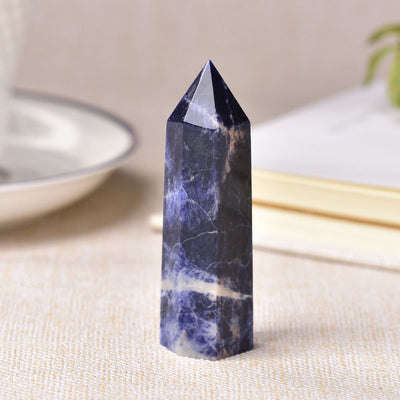
Get familiar with sodalite’s signature blue and white patterns with this polished crystal tower—ideal for direct comparison. Learn more ➔

Examine unique sodalite characteristics with this smooth sphere—great for crystal ID and meditation in one beautiful piece. Learn more ➔
Metaphysical Differences
While this article focuses on physical identification, many buyers are interested in the energy of these stones. Lapis Lazuli is the "Stone of Wisdom," historically associated with royalty, truth, and the Third Eye Chakra. It is used to stimulate intellect and higher learning.
Sodalite, while also connected to the Third Eye and Throat Chakras, is known as the "Stone of Peace." It is generally considered to have a calmer, more grounding energy than the intense vibration of Lapis. It promotes logical thinking and emotional balance, making it a favorite for meditation and calming panic attacks.

Conclusion
Learning to distinguish between lapis lazuli and sodalite enhances your appreciation for the unique geology of our planet. Remember to look for the "gold" (pyrite) to find Lapis, and look for the white veins and lack of shimmer to identify Sodalite. Both stones offer profound beauty and metaphysical benefits, earning them a rightful place in any crystal collection.
Frequently Asked Questions about Sodalite vs. Lapis Lazuli
The easiest visual method is checking for inclusions. Lapis Lazuli typically contains golden flecks of pyrite. Sodalite rarely has pyrite; instead, it features white veins or streaks of calcite.
The main difference lies in their composition. Lapis Lazuli is a rock composed of several minerals (lazurite, calcite, pyrite), whereas Sodalite is a specific mineral. Visually, Lapis is defined by gold pyrite specks, while Sodalite is defined by white calcite veins.
Generally, no. Sodalite does not typically contain pyrite inclusions. If you see metallic gold flecks in a blue stone, it is most likely Lapis Lazuli.
Yes, Dumortierite Quartz (often called blue quartz) can look like sodalite but is usually harder and lacks the distinct white veining. Azurite is another deep blue stone, though it is often more vibrant and usually associated with Malachite.
No, Sodalite is not blue quartz. They are chemically distinct. Sodalite is a feldspathoid mineral, while Quartz is a silicate. Sodalite is softer (5.5-6 Mohs) compared to Quartz (7 Mohs).