
Navigating the world of blue gemstones can be enchanting, yet confusing. Two of the most beloved stones, topaz and aquamarine, share a stunning palette of sky blues and ocean hues, leading many to wonder exactly how they differ. Whether you are a crystal healer seeking specific energetic properties or a jewelry lover looking for the perfect accessory, understanding the nuances of topaz vs aquamarine is essential.
While they may look similar at a glance, these gemstones hail from entirely different mineral families and offer distinct metaphysical benefits. In this guide, we will explore the core difference between topaz and aquamarine, their unique healing meanings, and how to harness the powerful topaz aquamarine combination for your spiritual growth.
Topaz vs. Aquamarine: Understanding the Core Differences
To the untrained eye, a cut blue topaz and a fine aquamarine might appear nearly identical. However, their physical and chemical compositions set them apart significantly. Aquamarine is a variety of the mineral beryl (the same family as emerald), while topaz is a silicate mineral of aluminium and fluorine.
One of the primary distinctions lies in their weight and density. Topaz is a much denser stone than aquamarine. If you were to hold a topaz and aquamarine stone of the exact same size, the topaz would feel noticeably heavier. This density often gives topaz a higher refractive index, meaning it can exhibit more sparkle or "fire" compared to the glassy, serene luster of aquamarine.

Furthermore, their origin stories differ. Aquamarine is most famously mined in Brazil, Pakistan, and Madagascar. Topaz is also found in Brazil, but significant deposits exist in Nigeria, Australia, and the United States. While natural blue topaz is rare (most on the market is treated colorless topaz), aquamarine’s blue is naturally occurring, often heat-treated merely to remove green overtones.
Metaphysical Meanings: Aquamarine Meaning vs Topaz
Beyond their physical beauty, the difference between topaz and aquamarine is profoundly felt in their energetic signatures. Both resonate with the Throat Chakra, facilitating clear communication, but they do so in different ways.
Aquamarine: The Stone of Courage and Flow
Aquamarine captures the soothing energy of the sea. It is renowned for its ability to calm an overactive mind, reduce stress, and quiet the internal chatter. Spiritually, it is a stone of "letting go," helping you to release resistance and flow with the tides of life. It inspires courage and is often used to protect travelers, especially those moving over water.
Blue Topaz: The Stone of Clarity and Articulation
Blue Topaz acts as a precise conductor of energy. It is known to channel energy to where it is most needed in the body. Metaphysically, it promotes truth and forgiveness. It helps you cut through uncertainty and articulate your thoughts with absolute clarity. While aquamarine soothes, topaz sharpens the mind and assists in complex problem-solving.

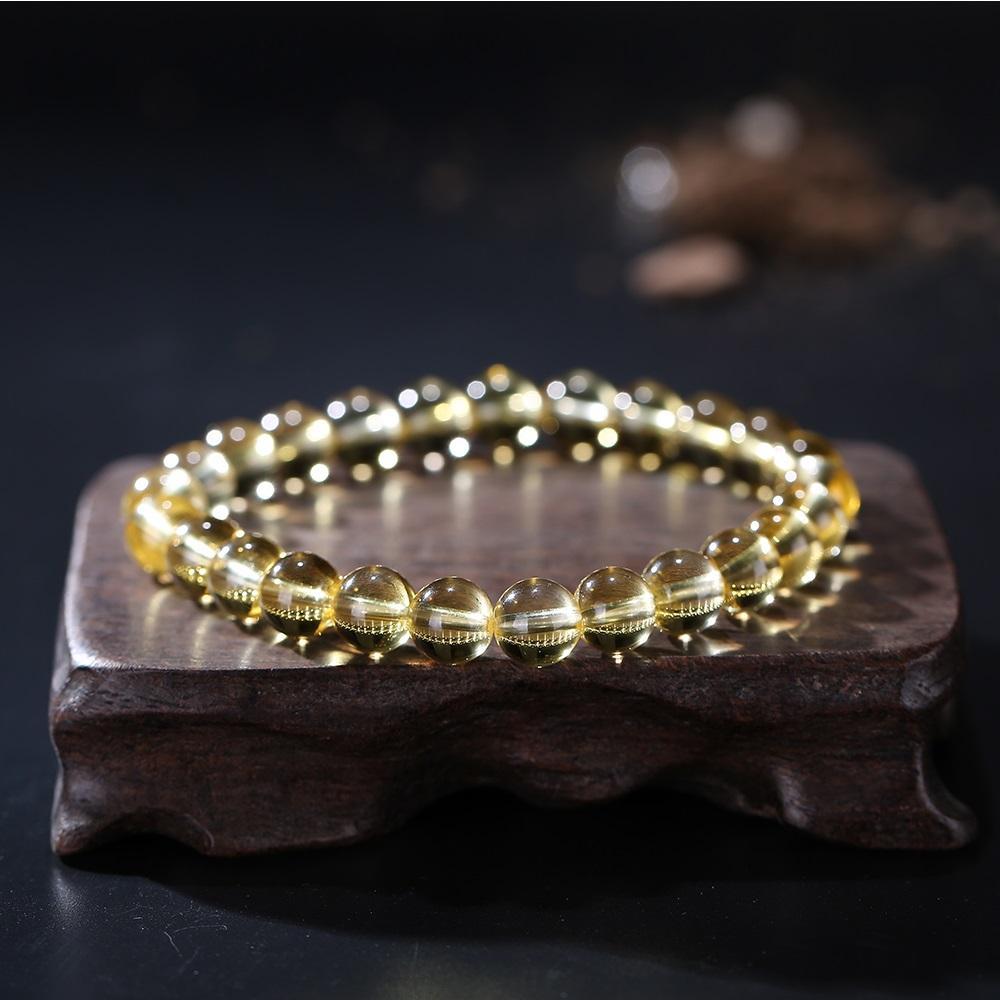
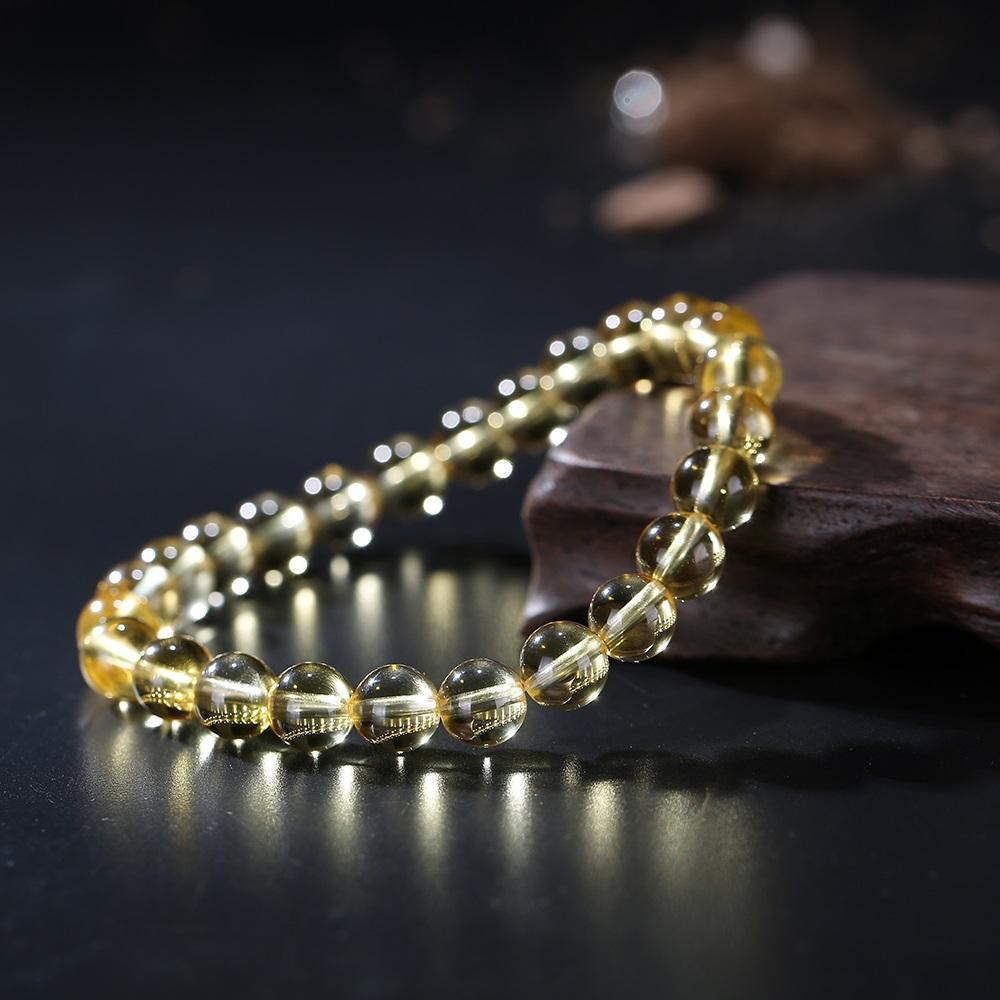
Bracelet Topaze - Améliore l'intuition et le calme
$79.99 $99.99
Experience the calming and intuitive energy of topaz—explore its unique properties for mindful comparison with aquamarine.
Explore ProductCan You Wear Topaz with Aquamarine?
A frequent question among crystal enthusiasts is: can you wear topaz with aquamarine? The answer is a resounding yes. Because both stones govern the Throat Chakra and share the cooling element of water (and wind for Topaz), they create a harmonious topaz aquamarine combination.

Wearing aquamarine topaz jewelry together can amplify your ability to communicate your emotional truth. Aquamarine soothes the emotions so they don't overwhelm you, while Topaz ensures those emotions are expressed clearly and effectively. This pairing is excellent for public speakers, teachers, or anyone navigating difficult conversations.
Durability and Daily Wear
When considering topaz jewelry vs aquamarine jewelry for daily wear, hardness is a key factor. Gemstone hardness is measured on the Mohs scale. Topaz ranks at an 8, making it very durable and resistant to scratching. Aquamarine ranks slightly lower at 7.5 to 8.
While both are hard enough for everyday jewelry like rings and bracelets, topaz has a property called "perfect cleavage," meaning it can split if struck hard at a specific angle. Aquamarine is generally tougher structurally despite being slightly softer on the surface. Therefore, both require care, but aquamarine is often considered slightly less brittle for active hands.

How to Tell Them Apart Visually
If you are looking at a gemstone and trying to determine if it is topaz or aquamarine, look at the color intensity and the sparkle.
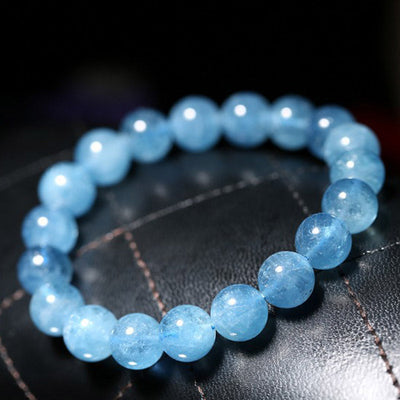
- Color Tone: Aquamarine usually possesses a greenish-blue hue, reminiscent of sea water. It is often pale and soft. Blue Topaz, especially the treated varieties (Swiss or London Blue), often displays a deeper, more saturated, and purely electric blue without green undertones.
- Refraction: Topaz is doubly refractive. If you look closely at the back facets through the top of the stone, you might see a doubling of the facet lines. Aquamarine is singly refractive and will not show this doubling effect.
- Inclusions: Aquamarine is often cleaner to the naked eye (Type I gem), but when inclusions occur, they look like long hollow tubes (called "rain"). Topaz inclusions often look like tears or breaks.

Harmonizing Your Crystal Collection
Whether you choose the calming flow of aquamarine or the articulate clarity of topaz, incorporating these stones into your life brings the soothing energy of the blue spectrum. For those looking to deepen their spiritual practice, combining these blue stones with high-vibration crystals like Amethyst can further enhance intuition and mental clarity.
Complete Your Crystal Set

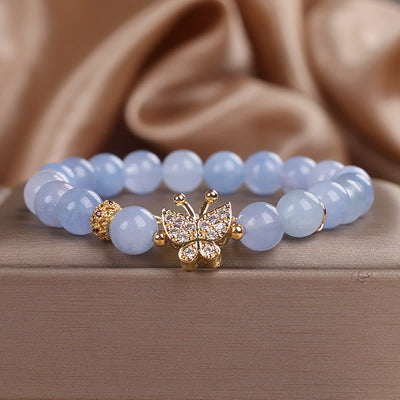
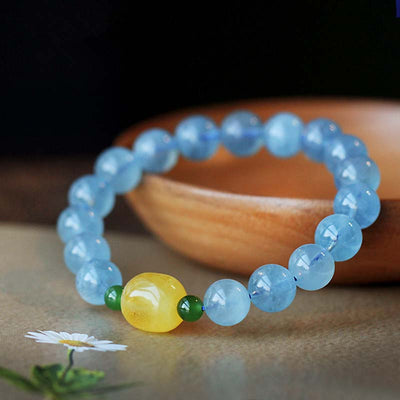
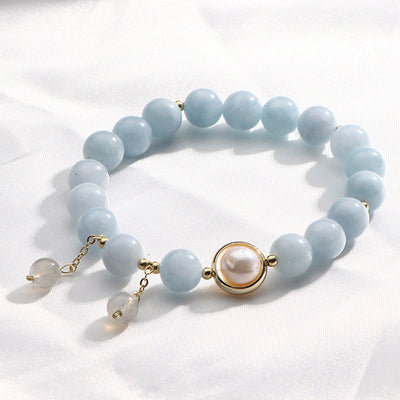
Embrace tranquility with this genuine aquamarine bracelet, a perfect piece to compare and pair with topaz jewelry. Learn more ➔
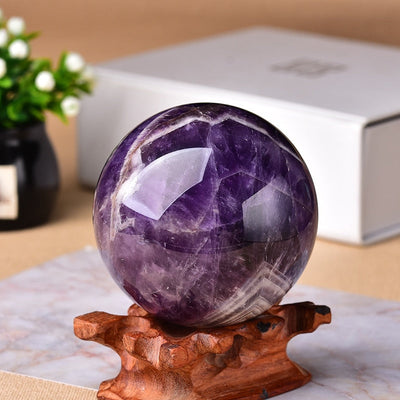
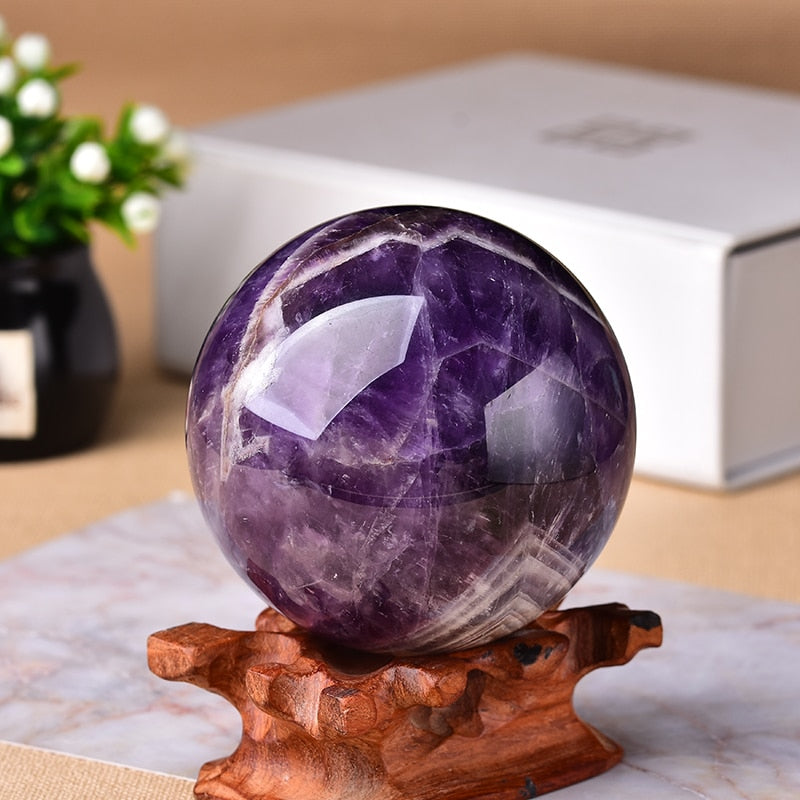
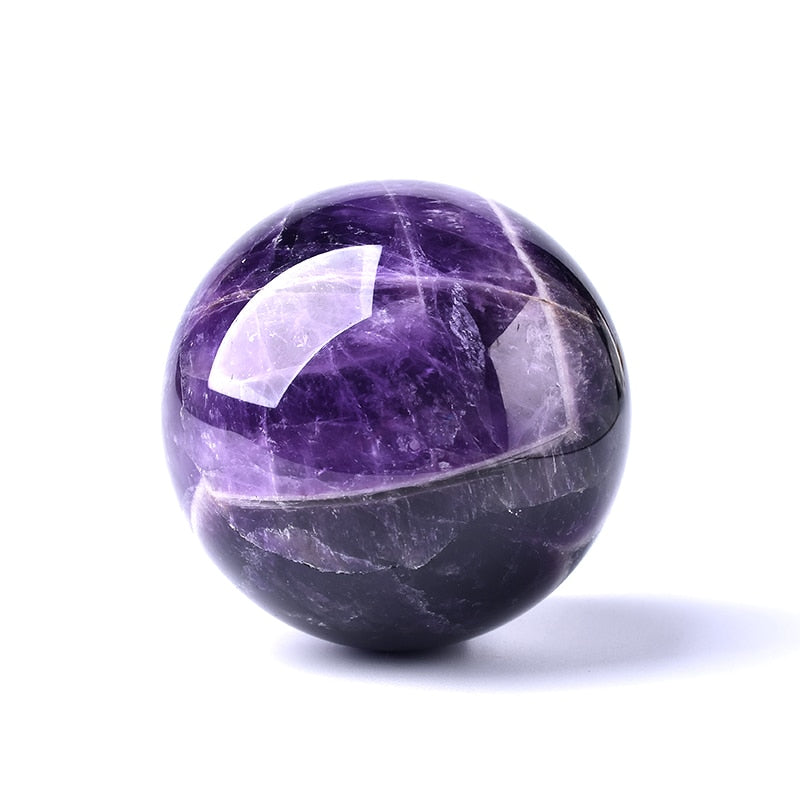
Sphère d'améthyste pour la sérénité et la clarté mentale
$49.99
$59.99
Add an energy-balancing amethyst sphere to your gemstone collection—perfect for harmonizing with both topaz and aquamarine. Learn more ➔
Conclusion
In the debate of topaz vs aquamarine, there is no wrong choice. Both gemstones offer stunning aesthetics and profound healing benefits. If you seek calm and courage, aquamarine is your ally. If you need clarity and sharper communication, topaz is the answer. For the ultimate energetic boost, don't hesitate to wear them together. Understanding the aquamarine and topaz difference allows you to curate a jewelry collection that not only looks beautiful but also supports your personal journey toward balance and mindfulness.
For more detailed gemological information, you can consult resources like the Gemological Institute of America (GIA) regarding aquamarine varieties.
Frequently Asked Questions about Topaz and Aquamarine
Neither is objectively "better"; it depends on your needs. Aquamarine is generally more valuable and rarer in nature, offering calming energy. Topaz is harder (8 on Mohs scale vs 7.5-8 for aquamarine) and often more affordable, known for clarity and brilliance.
Yes, they can be worn together beautifully. Energetically, they both support the Throat Chakra and complement each other well, balancing soothing emotions (aquamarine) with clear articulation (topaz).
The main physical differences are chemical composition and density. Aquamarine is a beryl mineral and feels lighter. Topaz is a silicate mineral and is much denser and heavier. Visually, Topaz often has higher refraction (more sparkle) than Aquamarine.
Yes, both are durable enough for engagement rings, though they require more care than diamonds. Topaz is slightly harder, resisting scratches better, but it can chip if hit hard. Aquamarine is tough but can accumulate surface scratches over many years of daily wear.
Both should be cleaned with warm, soapy water and a soft brush. Avoid ultrasonic cleaners for Topaz, as vibrations can cause it to split. Aquamarine is generally safe in ultrasonic cleaners unless it has liquid inclusions.