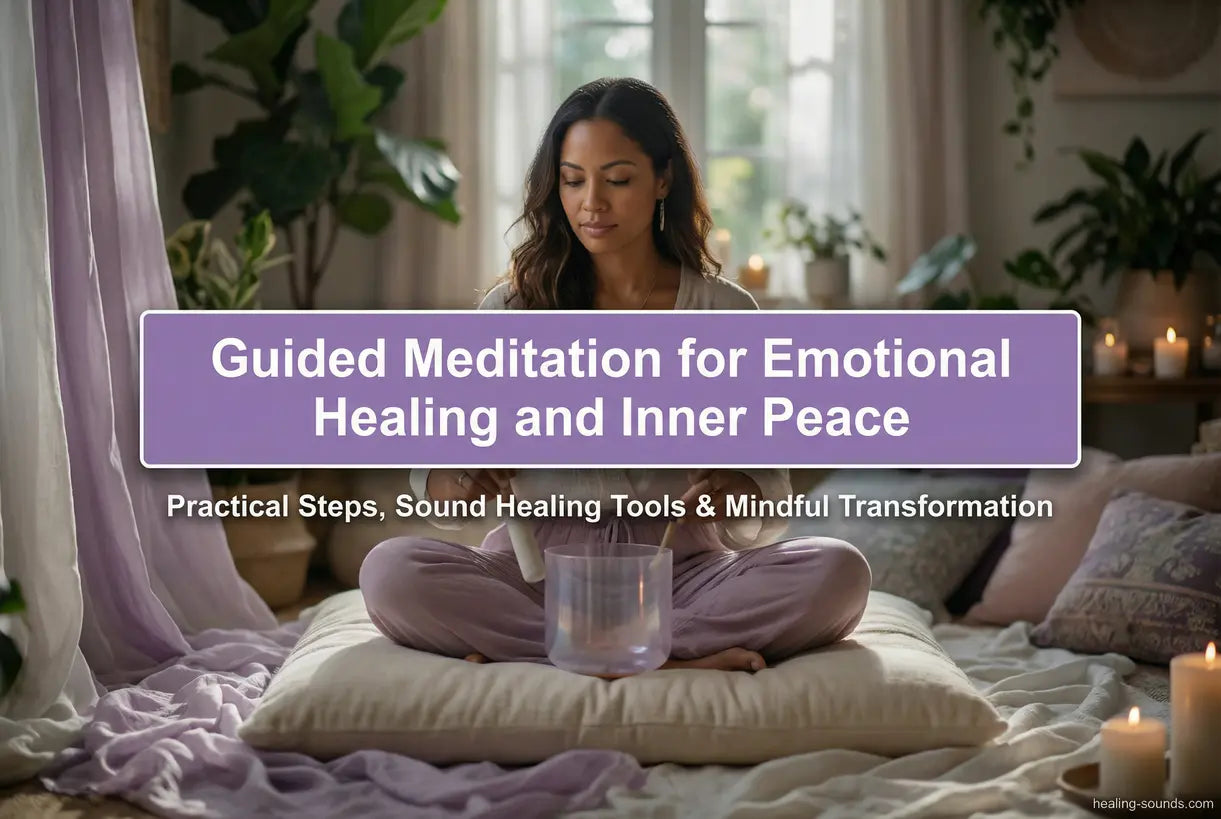
Life often presents us with waves of intense feelings, ranging from grief and anxiety to stress and overwhelm. While it is natural to want to avoid discomfort, true peace comes not from escaping these feelings but from moving through them. Meditation for emotional healing provides a safe, structured path to process these emotions, offering a sanctuary where you can acknowledge your pain without being consumed by it.
For many of us seeking balance in a chaotic world, the practice of turning inward is essential. Whether you are dealing with recent stress or deep-seated trauma, mindfulness offers a gentle way to restore your equilibrium. By incorporating guided meditation emotional healing techniques into your routine, you can begin to untangle the knots of distress, fostering a profound sense of inner peace and resilience.
Understanding the Connection Between Meditation and Emotions
Emotional healing is not a linear process; it is a journey of peeling back layers. When we hold onto stress, grief, or anger, these energies can become trapped in the body, manifesting as physical tension or mental fatigue. Inner peace meditation acts as a key to unlock these trapped energies. It shifts the nervous system from a state of "fight or flight" to "rest and digest," creating the physiological safety required for emotional release.

Scientific studies have shown that mindfulness practices can reduce activity in the amygdala, the brain's fear center, while thickening the prefrontal cortex, which governs emotional regulation. This means that regular practice doesn't just make you feel better in the moment; it literally rewires your brain to handle future stressors with greater grace. For a deeper dive into the science of emotion, resources like the American Psychological Association offer extensive research on mindfulness benefits.
Core Techniques for Emotional Release
Embarking on a journey of healing meditation techniques does not require you to be an expert. The goal is simple observation without judgment. Here are a few foundational approaches to help you process difficult emotions.
1. Body Scan for Emotional Awareness
Emotions often reside physically in the body—a tight chest, a knotted stomach, or clenched jaws. A body scan involves mentally sweeping through your body from head to toe. When you encounter tension, breathe into that space. Visualize the breath softening the edges of the pain. This form of mindfulness for emotional health connects the mind and body, allowing you to identify where you are holding onto emotional weight.
2. The "Naming" Technique
When an overwhelming emotion arises during your practice, simply acknowledge it. Mentally whisper "sadness," "anger," or "fear." Naming the emotion creates a tiny distance between you and the feeling. You realize that you are not the emotion; you are the sky, and the emotion is just a passing cloud.
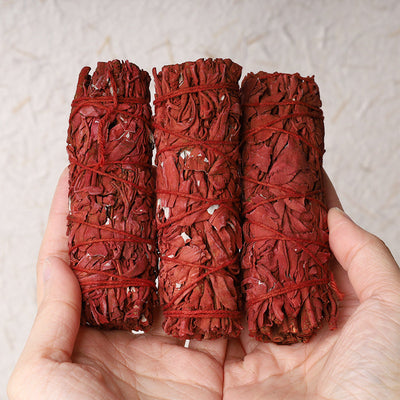
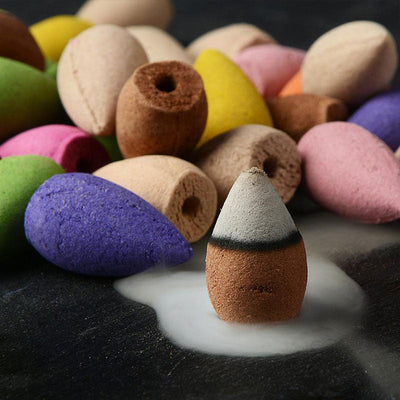
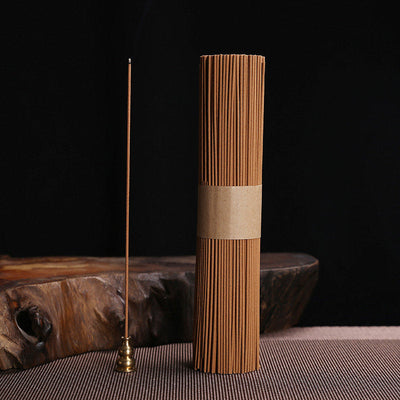


3. Visualizing Release
Visualization is a potent tool in meditation for emotional healing. Imagine your emotional pain as a heavy stone or a dark smoke. With every exhalation, visualize this heaviness leaving your body, dissolving into the earth or the air. With every inhalation, imagine drawing in a warm, golden light that fills the empty space with comfort and calm.
Guided Practice: A Journey Inward
Sometimes, silence is too loud when we are hurting. This is where guided meditation for healing becomes invaluable. A gentle voice can lead you safely through the corridors of your mind, ensuring you don't get lost in ruminating thoughts.
To assist you in this process, we have selected a powerful guided session designed specifically to facilitate emotional release and cultivate tranquility. Find a comfortable seat, close your eyes, and allow the guidance to wash over you.
Enhancing Healing with Sound Vibrations
Sound has been used for millennia to bypass the analytical mind and touch the emotional core. The vibrations from specific instruments can help dislodge trapped emotional trauma that talk therapy or silent meditation might miss. Integrating sound tools into your meditation techniques for healing can deepen your experience significantly.
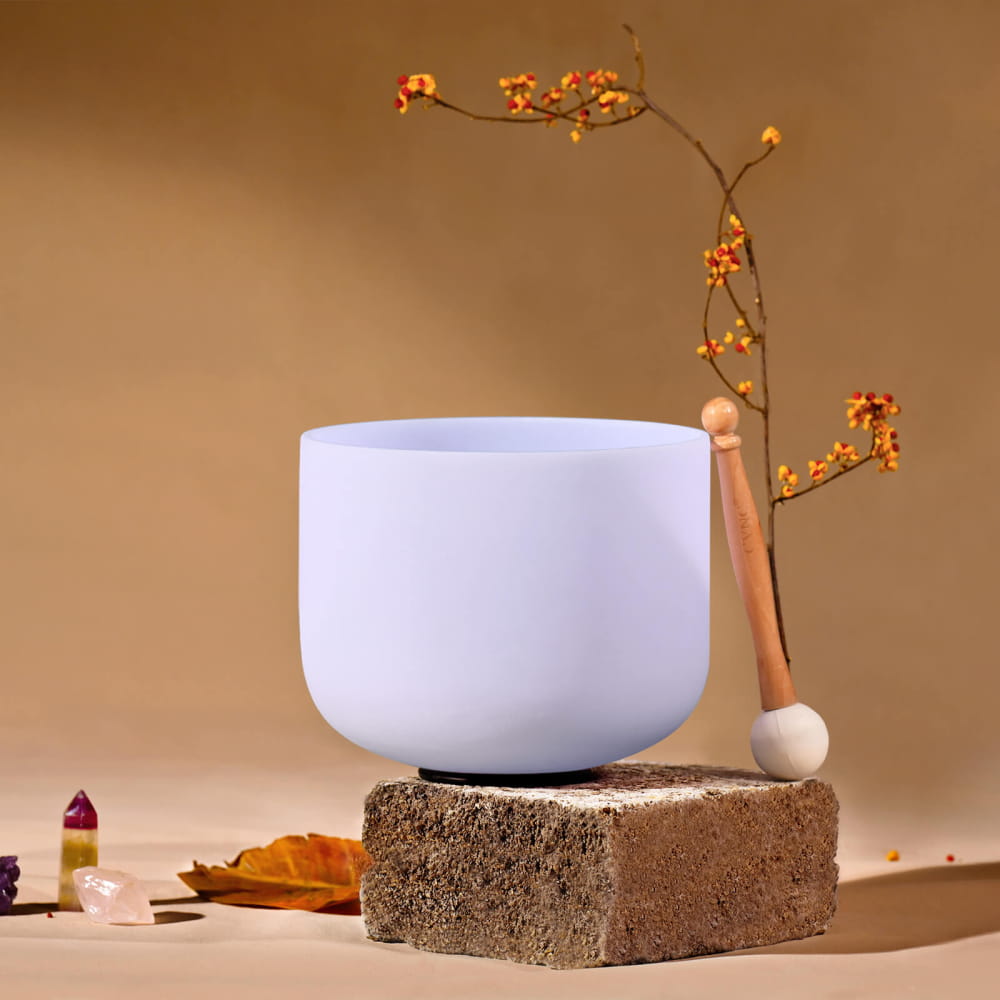
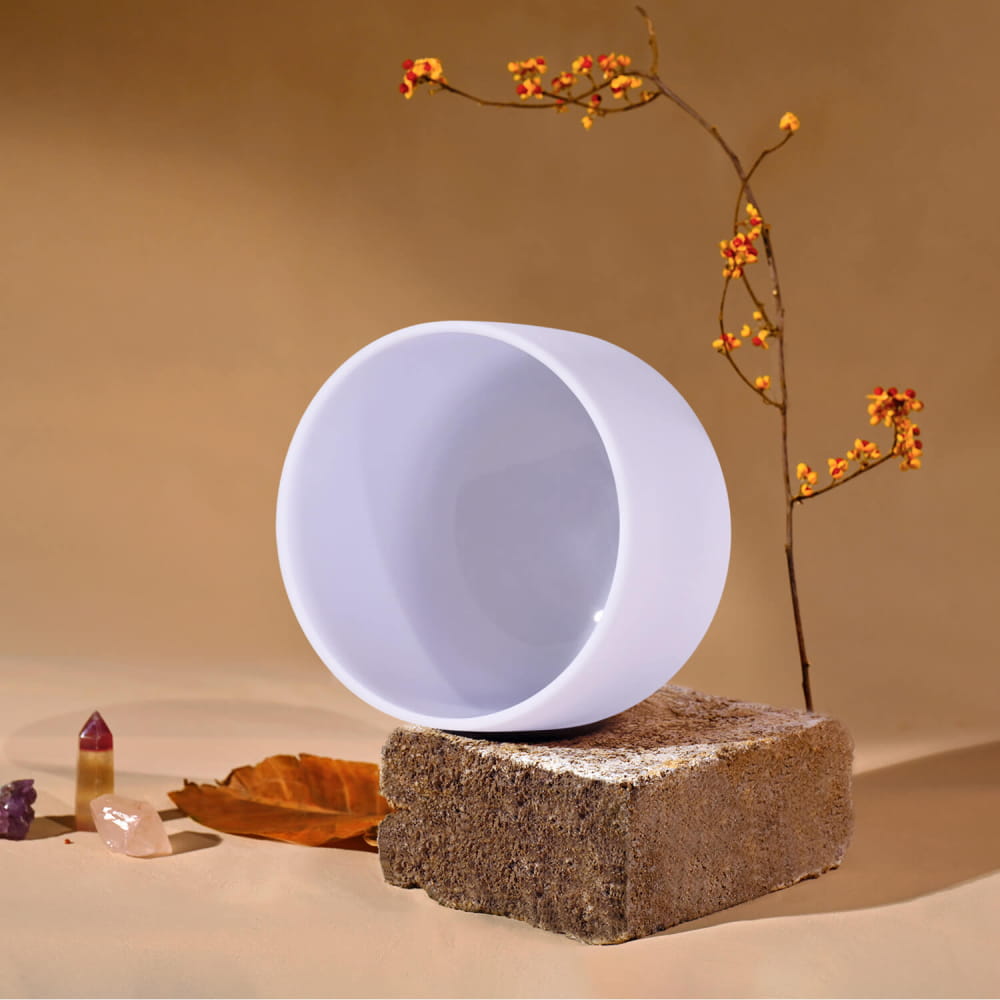
Crystal singing bowls, particularly those tuned to specific chakras or frequencies, are excellent companions for this work. For instance, amethyst is traditionally associated with peace, intuition, and emotional balance. Using a singing bowl during your practice can create a resonance that aligns your energy field, making it easier to let go of grief and embrace serenity.
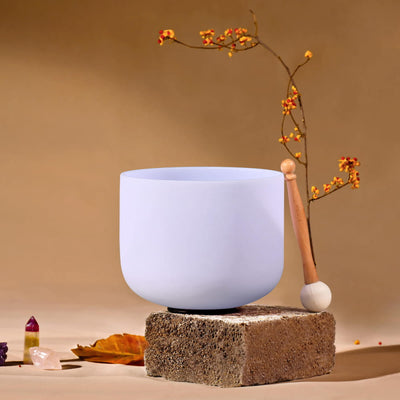
Bol chantant en cristal de fusion de pierres précieuses d'améthyste note B
$349.99 $419.99
Experience soothing sound vibrations for emotional healing with this amethyst crystal bowl, perfect for transformative meditation.
Explore ProductCreating a Sanctuary for Inner Peace
Your environment plays a crucial role in your ability to relax and open up emotionally. A cluttered or noisy space can keep the nervous system on high alert. To fully benefit from meditation for emotional release, try to curate a dedicated nook in your home. It doesn't need to be large—just a corner with a comfortable cushion, soft lighting, and perhaps elements of nature.

Consider incorporating sensory elements that signal safety to your brain. Soft textures, gentle scents like lavender, and soothing sounds all contribute to a healing atmosphere. Instruments like rainsticks are particularly effective; their sound mimics the falling rain, a white noise that naturally calms the mind and encourages a "washing away" of emotional debris.
Enhance Your Practice with These Tools

Bring the calming rhythm of gentle rain to your healing meditations and deepen emotional release using this handcrafted rainstick. Learn more ➔

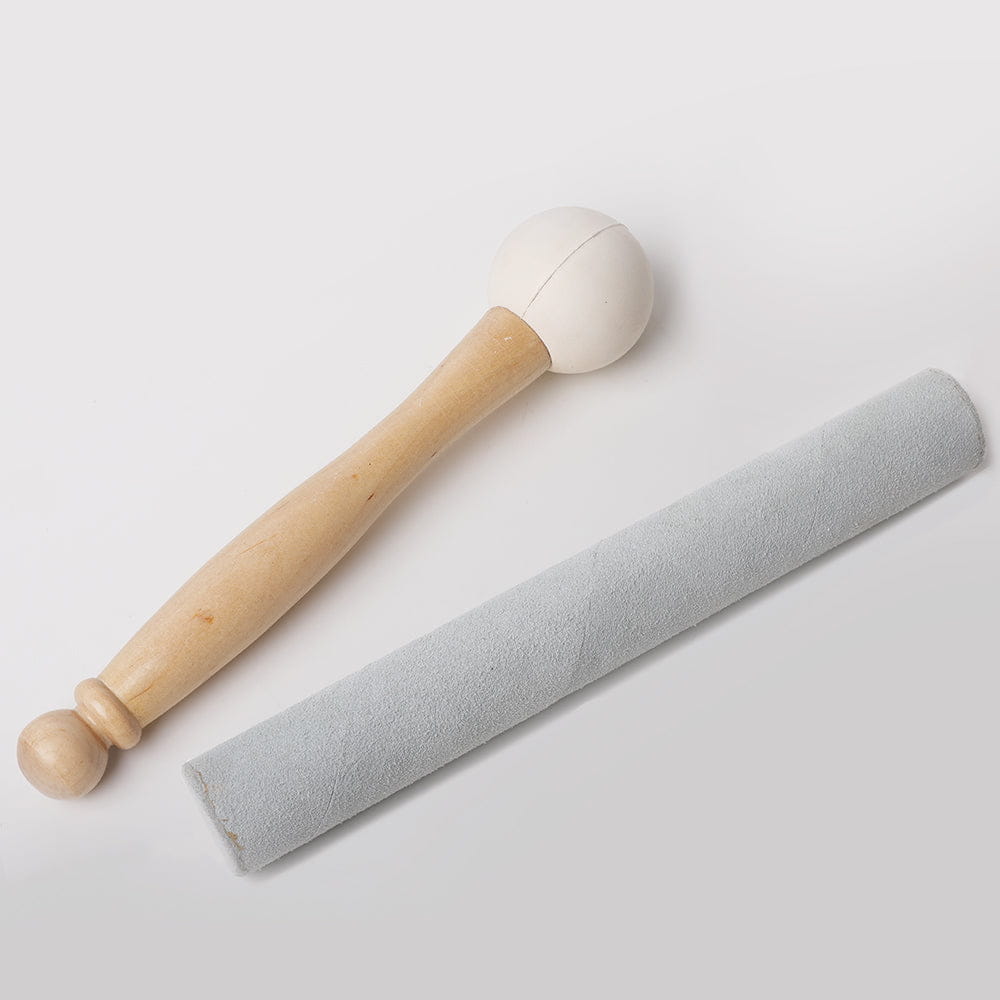
Enhance your meditation for emotional healing with these essential mallets, designed for pure sound and effortless crystal bowl play. Learn more ➔
Self-Compassion: The Heart of Healing
Perhaps the most critical component of meditation for emotional healing is self-compassion. We are often our own harshest critics, especially when we feel vulnerable. Healing requires us to place a hand over our heart and treat ourselves with the same kindness we would offer a dear friend.

When you meditate, you might encounter resistance or sudden waves of sadness. This is not a sign of failure; it is a sign of opening. Healing the heart meditation is about softening that resistance. By holding a crystal, like amethyst, or simply placing your palms on your chest, you physically signal to your body that you are present, you are safe, and you are loved.
- Be Patient: Emotional healing is a marathon, not a sprint.
- Stay Consistent: Even 5-10 minutes a day can create shifts over time.
- Accept All Feelings: Allow emotions to flow through you without judgment.
Conclusion
Adopting meditation for emotional healing is an act of profound self-love. It empowers you to face life's challenges with a grounded spirit and an open heart. By creating a dedicated space, utilizing supportive tools like sound bowls or rainsticks, and practicing mindfulness consistently, you can transform your relationship with your emotions. Remember, the goal is not to eliminate pain instantly, but to build the inner spaciousness where peace can reside alongside your experiences.
Frequently Asked Questions about Meditation for Emotional Healing
Releasing trapped emotional trauma often involves somatic practices that connect the mind and body. Techniques such as body scan meditations, breathwork, and movement therapies (like yoga) help discharge energy stored in the nervous system. Consistent mindfulness practice allows you to safely observe and process these suppressed emotions without being overwhelmed by them.
The "best" method is subjective, but a holistic approach is generally most effective. This includes meditation for emotional healing to regulate the nervous system, journaling to process thoughts, and somatic exercises to release physical tension. Combining these self-care practices with professional therapy or counseling provides a robust framework for recovery.
While the urge to numb pain is natural, numbing often prolongs suffering by trapping emotions in the body. Instead of numbing, try "titration"—processing the pain in very small, manageable doses through guided meditation. This allows you to feel the emotion safely without being flooded, gradually reducing its intensity over time.
To meditate for emotional release, sit in a quiet space and focus on your breath. When an emotion arises, identify it (e.g., "this is anger") and locate where you feel it in your body. Breathe into that specific area, visualizing the breath loosening the knot of tension. Allow the emotion to be present without judging it or trying to fix it immediately.
Yes, meditation is a powerful tool for emotional healing. Regular practice lowers cortisol levels, improves emotional regulation, and increases self-awareness. By consistently creating a state of inner calm, you provide your mind and body with the necessary conditions to process past traumas and build resilience against future stressors.