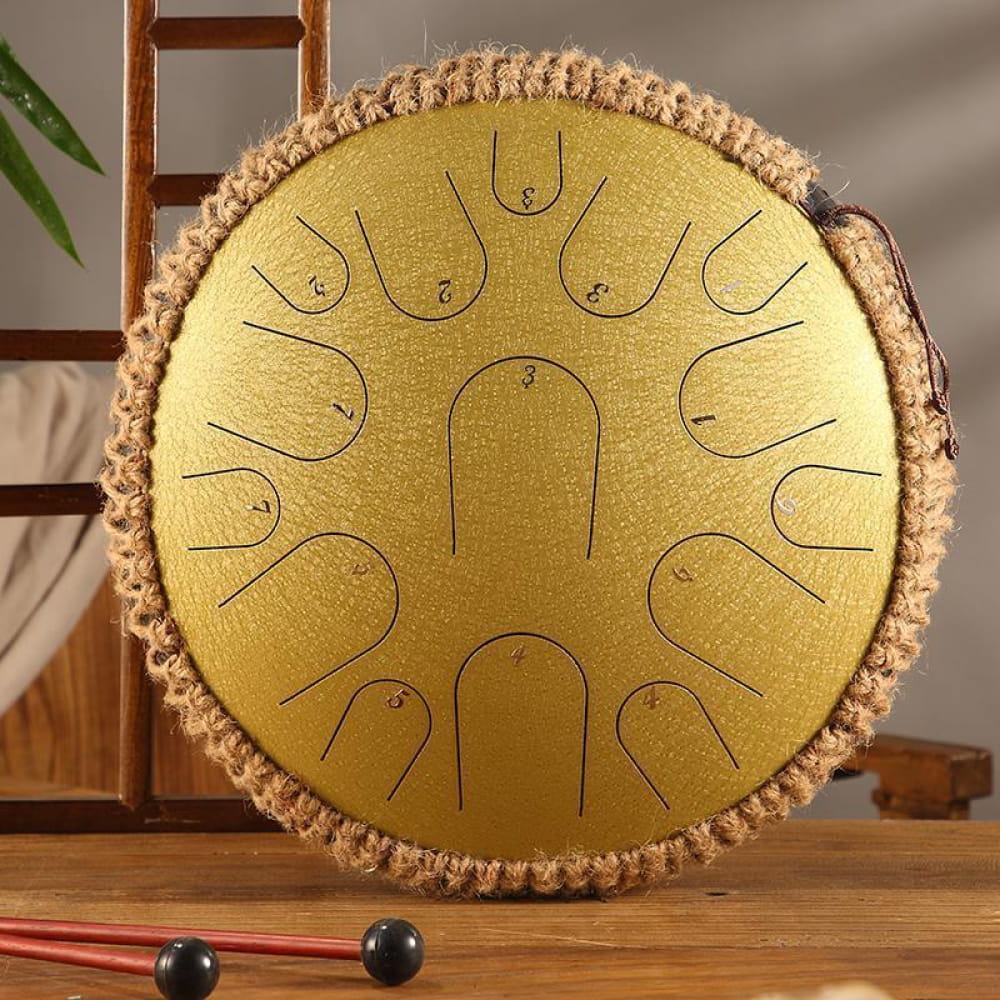
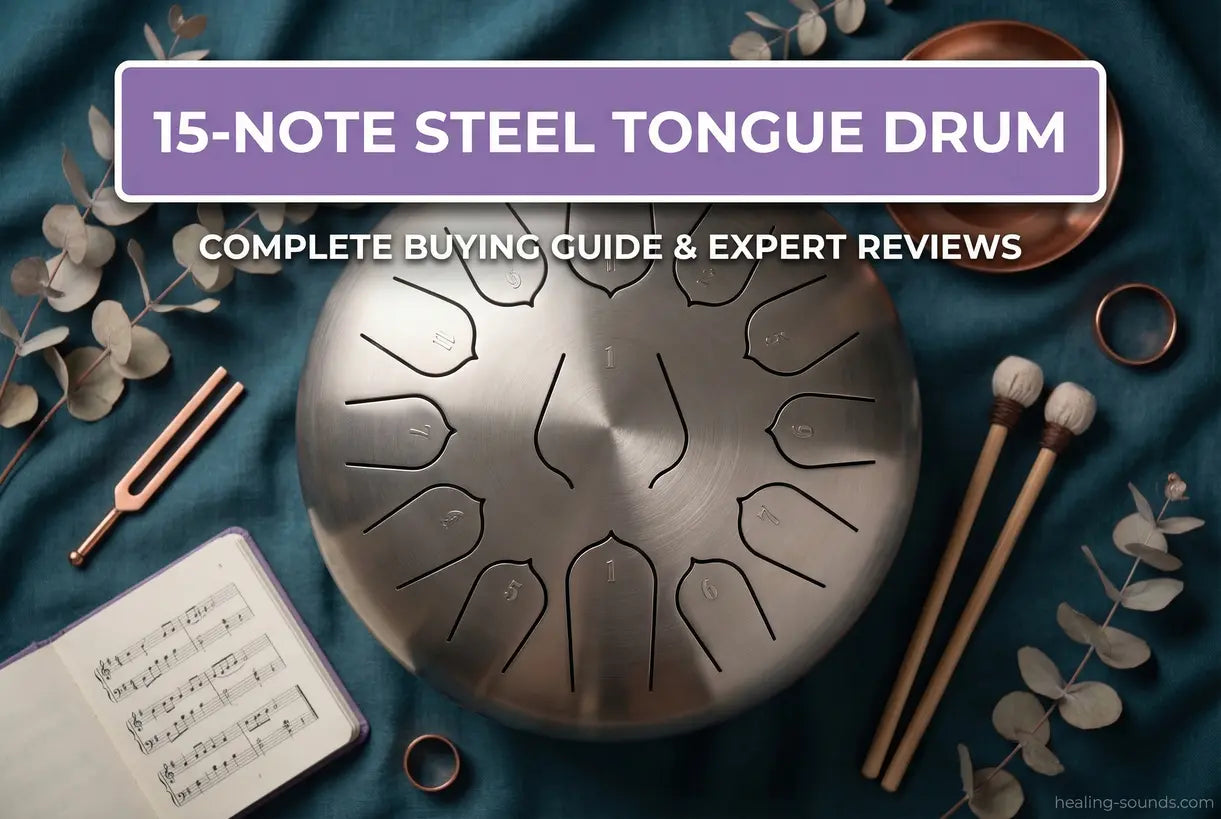
Choosing your first (or next) melodic instrument can feel overwhelming with so many options flooding the market. When you've decided that the ethereal, resonant tones of a 15 note steel tongue drum are calling to you, the next challenge becomes clear: Which one should you actually buy? Not all steel tongue drums are created equal, and selecting the right configuration can mean the difference between a frustrating first experience and a lifelong passion for this meditative art form.
If you've been researching steel tongue drum 15 notes configurations, you've likely noticed they command a premium over their 8-note or 11-note counterparts. This comprehensive tongue drum buying guide cuts through the noise to help you understand exactly what you're investing in—and more importantly, which specific model aligns with your musical goals and practice style.
What Is a 15-Note Steel Tongue Drum?
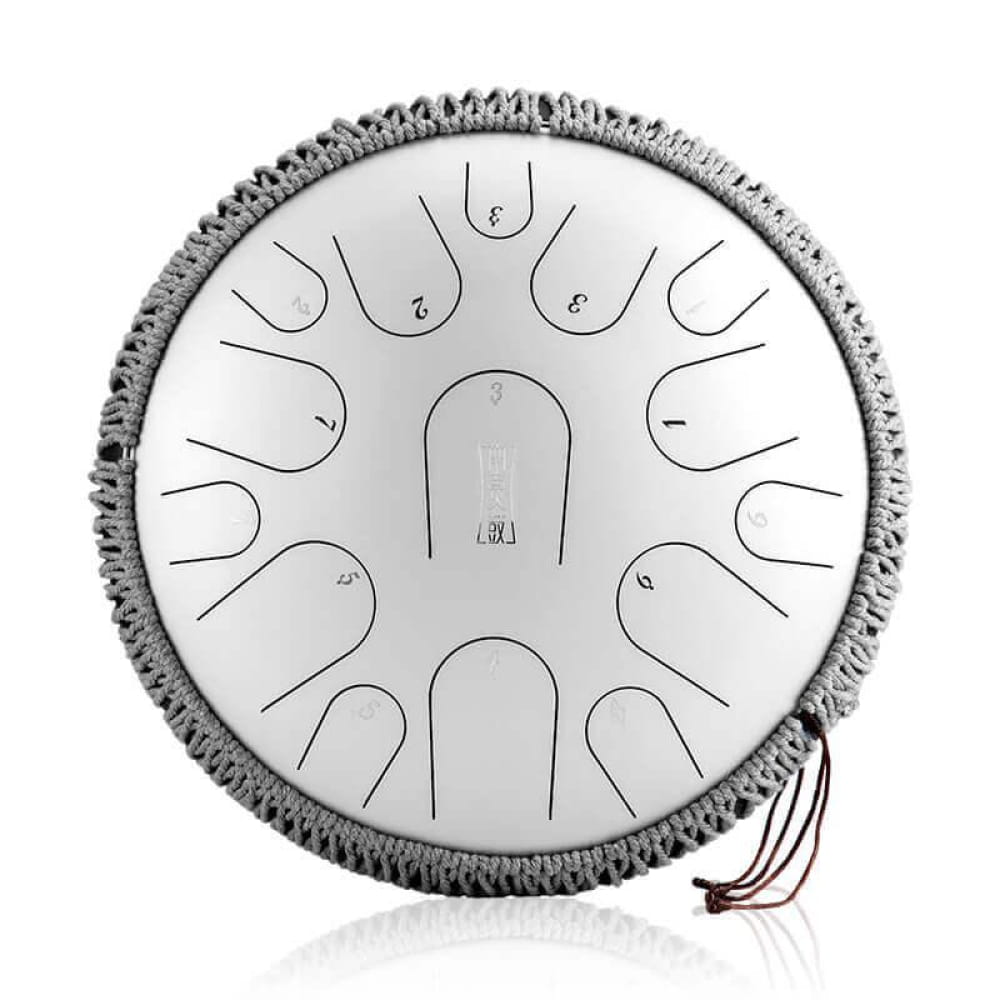
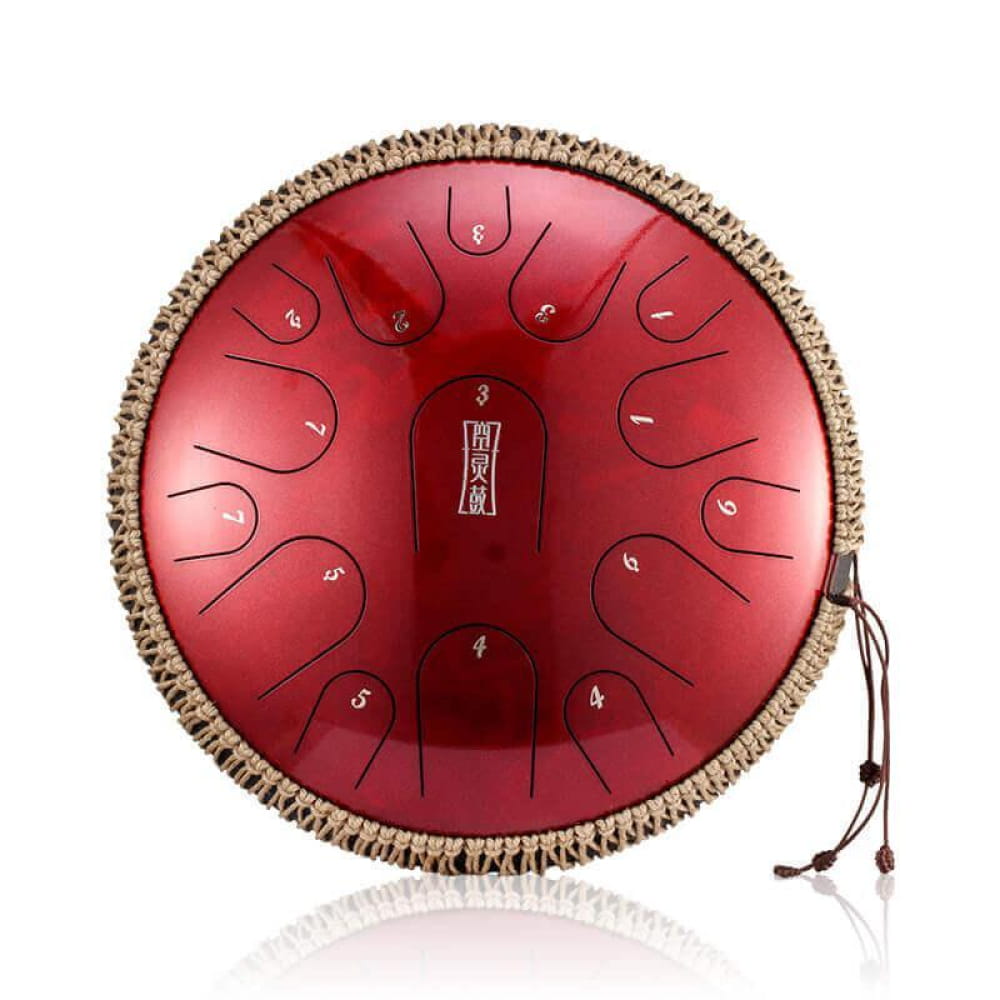
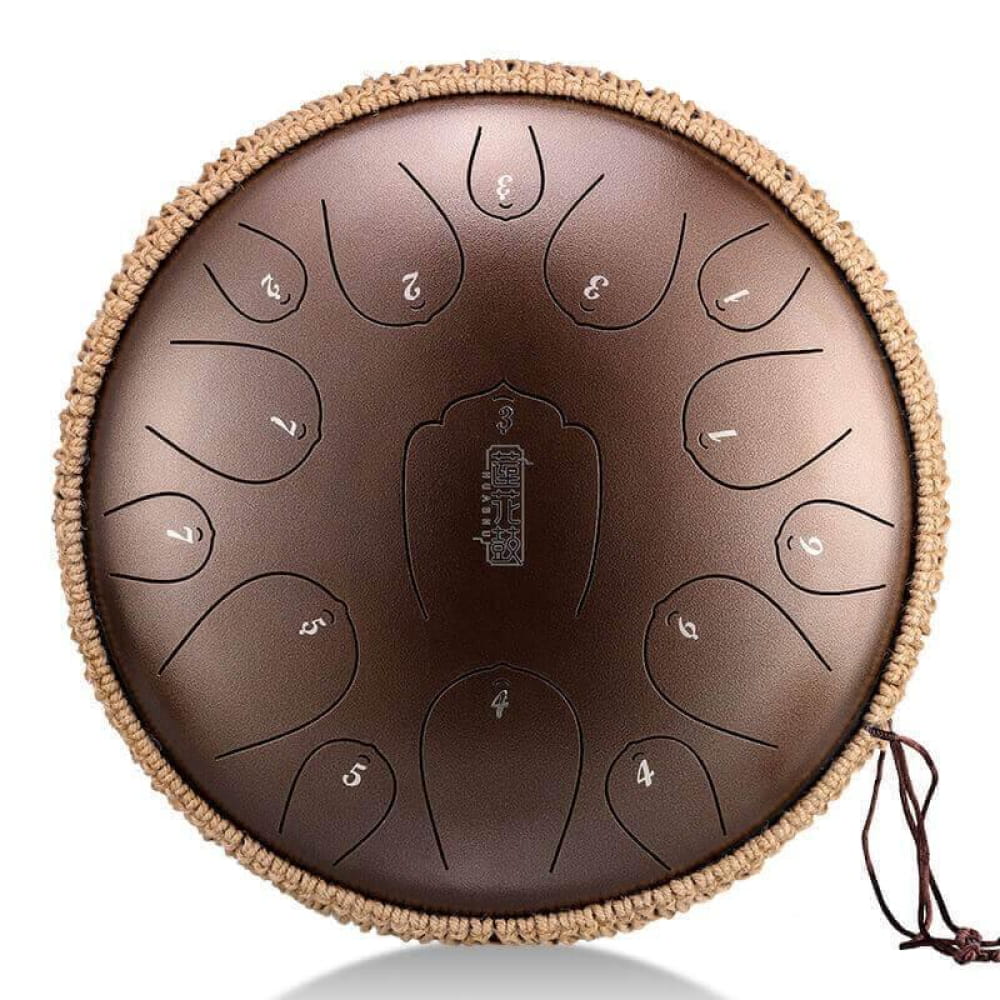
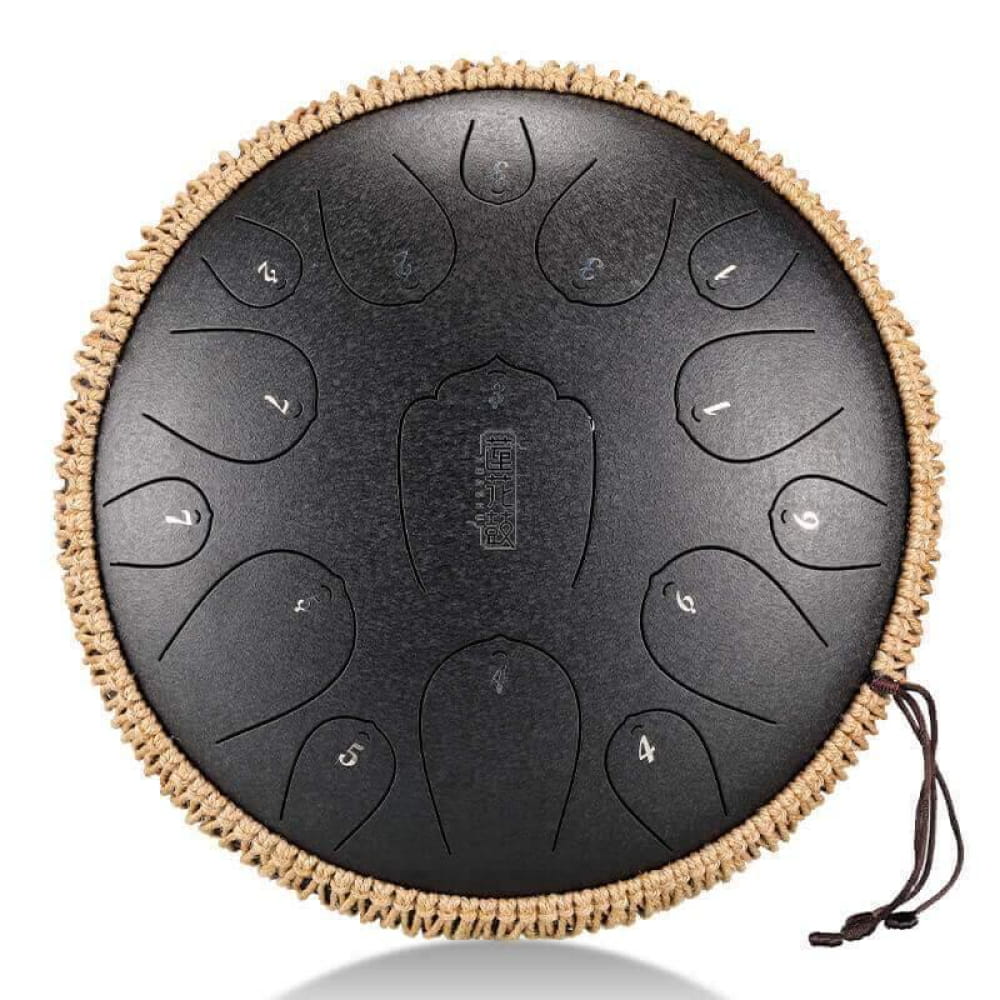
A 15 note tongue drum is a percussive melodic instrument crafted from hardened steel, featuring fifteen precisely tuned tongues (or keys) that produce distinct musical notes when struck. Unlike smaller configurations, a 15-note model typically spans approximately two full octaves, giving you significantly more musical range for improvisation, composition, and emotional expression.
The instruments in this category are generally larger than entry-level options, with diameters ranging from 13 to 14 inches. This expanded surface area accommodates the additional tongues while maintaining the resonant sustain and harmonic overtones that make steel tongue drums so beloved in sound healing and meditation communities.

15 Note vs Other Configurations: Why More Notes Matter
Understanding whether the 15-note configuration suits your needs starts with comparing it to the more common alternatives.
11 Note vs 15 Note Tongue Drum
The most significant difference between an 11-note and a 15 note tongue drum comes down to musical versatility. While an 11-note model covers approximately one and a half octaves, the 15-note version extends your range to encompass fuller chord progressions and more complex melodic passages.
Consider this practical example: with 11 notes, your compositional choices remain somewhat predictable—beautiful, but limited. The 15-note configuration opens doors to playing actual songs, exploring jazz-influenced improvisation, and creating layered soundscapes that evolve rather than loop repetitively. If you're asking yourself, "What is the difference between 11 note and 15 note tongue drum?" the answer ultimately lies in your ambition as a creator.
Key Insight: Players who start with 15-note drums report higher long-term satisfaction rates, likely because they grow into the instrument rather than outgrowing it within months.
Essential Buying Guide: What to Look For in a 15-Note Tongue Drum
Not all steel tongue drum 15 notes models deliver the same quality of experience. Before committing to a purchase, evaluate these critical factors:
Material Quality: Titanium vs Carbon Steel
The metal composition directly impacts tone, durability, and price.
- Titanium Steel: Offers brighter, more crystalline tones with exceptional sustain. Titanium models often feel more responsive to lighter touch, making them excellent for meditative playing.
- Carbon Steel: Delivers warmer, earthier tones with a robust attack. Carbon steel drums tend to project more volume, suiting group settings and outdoor playing.
Size Considerations
A 13-inch 15 note tongue drum provides portability while sacrificing minimal resonance—a compromise that works well for travel practitioners. The 14-inch models offer fuller harmonics and deeper bass response that serious enthusiasts often crave.
Tuning and Key Selection
The key fundamentally determines the mood and practical applications of your instrument. We'll explore keys more deeply in a dedicated section below, but understand that this choice affects everything from the songs you can play to the emotional quality of your sound healing sessions.
Build Quality and Craftsmanship
Inspect for consistent tongue thickness, smooth edges, and precise tuning. Quality craftsmanship ensures your best steel tongue tongue drum investment maintains its pitch stability over years of playing rather than detuning within months.
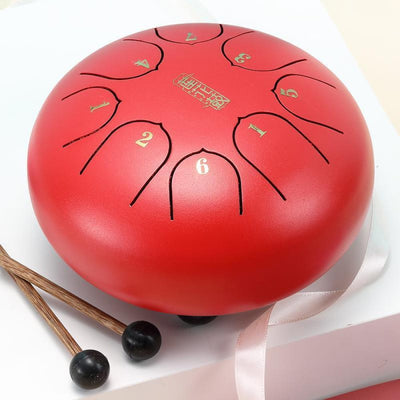
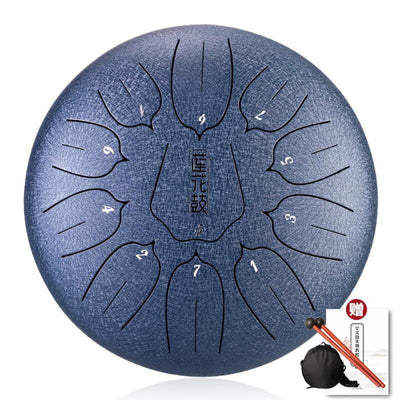
Our Top Recommended 15-Note Steel Tongue Drums
After evaluating dozens of models against criteria like tonal purity, construction durability, and value for investment, these three instruments consistently rise to the top for different player profiles.

Tambour à langue en acier titane de 14 pouces, 15 notes pour la méditation du yoga
$189.99 $275.00
Discover rich, resonant tones with this 14-inch 15-note titanium steel tongue drum. Perfect for yoga, meditation, and creating beautiful melodies. Available in multiple colors and tunings.
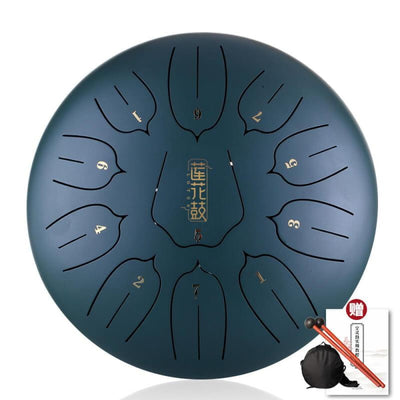
Explore ProductThe 14 Inch Titanium Steel Tongue Drum, 15 Note for Yoga Meditation represents an exceptional entry point into the 15-note category. Its titanium construction delivers those ethereal, long-sustaining tones that meditation practitioners crave. The generous 14-inch diameter provides the harmonic depth that's often missing in smaller 15-note alternatives.
What separates this model from competitors is its balance of size and playability. While offering expansive sonic territory, the layout remains intuitive for players transitioning from 8 or 11-note drums. The included mallets and tuning stability make it an investment that pays dividends in consistent practice sessions.
More Excellent Options for Different Needs
Expand Your Musical Possibilities

Experience serene melodies with this premium 13-inch carbon steel tongue drum featuring 15 precise notes. Includes sheet music and comes in stunning color options for all skill levels. Learn more ➔

Unleash your musical creativity with this versatile 14-inch titanium steel tongue drum featuring 15 notes in both D and C Major. Perfect for beginners and professionals alike. Learn more ➔
The 13 Inch Carbon Steel Tongue Drum, 15 Notes in C Key appeals to players prioritizing portability without sacrificing the expanded range that makes 15-note instruments special. Its carbon steel construction offers that grounded, rich warmth perfect for grounding meditation practices. The inclusion of sheet music removes the intimidation factor for beginners wondering, "Is a 15 note tongue drum good for beginners?"
For those seeking maximum flexibility, the 14" Titanium Steel Tongue Drum, 15 Notes in D & C Major stands unique. Having both keys available means you can match the mood of different settings—from the bright, uplifting character of C Major to the introspective warmth of D Major. This dual-key feature eliminates the paralyzing "which key should I choose" dilemma.

Understanding Keys: What Key Is Best for Steel Tongue Drum?
One of the most frequently asked questions in any steel tongue drum comparison centers on key selection. While personal preference ultimately guides the decision, certain keys offer distinct advantages.
C Major: The Beginner's Friend
C Major contains no sharps or flats, making it the most accessible key for music theory newcomers. The best steel tongue drum for absolute beginners often comes in C Major because every note sounds harmonically pleasing with every other note—you literally cannot play a wrong note. This builds confidence and encourages experimentation without the fear of dissonance.
D Major: The Emotional Depth
D Major carries a slightly more complex, contemplative character. Many experienced players gravitate toward this key for sound healing work because its resonance seems to facilitate deeper emotional release in listeners. If your practice focuses on therapeutic applications, D Major deserves serious consideration.
For a deeper exploration of how different scales affect consciousness and emotional states, the Healthline research on music therapy benefits provides valuable scientific context.
Is a 15-Note Tongue Drum Good for Beginners?
This question generates considerable debate in percussion communities. Here's the nuanced truth: while an 8-note drum offers simpler layouts, starting with a 15 note handpan drum configuration actually accelerates long-term musical development.
The 15-note layout familiarizes beginners with complete scales rather than limited pentatonic selections. From day one, you learn genuine music theory concepts that transfer to other instruments. The initial complexity pays dividends when you realize you haven't outgrown your instrument within three months.
However, absolute novices should approach the 15-note configuration with modest expectations. Your first week involves mapping the note layout under your fingers—perfectly normal and part of the learning curve. The best approach involves starting with simple patterns on a subset of notes, gradually expanding your range as muscle memory develops.
Beginner Recommendation: Start with a C Major 15-note drum. The forgiving nature of this key means your early explorations will sound musical even while you're still learning the layout.
How Many Notes Should a Tongue Drum Have?
Answering "How many notes should a tongue drum have?" requires honest self-assessment of your goals. Here's a quick framework:
| Note Count | Best For | Limitations |
|---|---|---|
| 8 Notes | Complete beginners seeking instant gratification | Outgrown quickly; limited songs playable |
| 11 Notes | Casual players wanting moderate range | Chords often impossible; still restricted repertoire |
| 15 Notes | Serious practitioners, sound healers, composers | Higher price point; steeper initial learning curve |
If you envision yourself playing this instrument regularly for years, the 15-note configuration offers the only path that won't leave you frustrated by limitations six months from now.
Expert Tips for Getting Started
Once you've selected your ideal 15 note steel tongue drum, these practices will accelerate your comfort and capability:
- Master the note layout first: Before attempting songs, spend time simply striking each tongue while naming the note. Create a mental map until you can find any note without looking.
- Practice scales daily: Even five minutes of scale runs builds finger coordination and ear training.
- Record yourself: The instrument sounds different from the player's perspective versus the listener's. Recording reveals resonance patterns you'd otherwise miss.
- Experiment with mallets vs fingers: Hand playing offers intimacy and control; mallets provide projection and consistent attack.
For authoritative instruction on handpan and tongue drum techniques, Musician's Friend guide to handpan playing contains transferable principles applicable to steel tongue drums.

Why the Right 15-Note Steel Tongue Drum Elevates Your Practice
Investing in a quality 15 note steel tongue drum transcends mere instrument acquisition—it represents a commitment to your creative and spiritual evolution. The expanded range of 15 notes transforms this instrument from a simple meditation aid into a legitimate compositional tool capable of expressing complex emotions and intricate musical ideas.
The models featured in this tongue drum review represent the product of careful selection based on craftsmanship, tonal purity, and real-world durability. Whether you choose the resonant titanium warmth of our top recommendation or the portable carbon steel option for your traveling practice, you're choosing an instrument that will serve your musical journey for years to come.
Remember that the best steel tongue drum isn't necessarily the most expensive—it's the one that inspires you to play daily, explore fearlessly, and connect deeply with the music that flows through you.
Frequently Asked Questions About 15-Note Steel Tongue Drums
A 15 note steel tongue drum is a melodic percussion instrument made from hardened steel featuring fifteen tuned tongues that produce distinct musical notes when struck. Typically spanning approximately two octaves, these instruments offer significantly more musical range than 8 or 11-note models, allowing for complex melodies, chord progressions, and improvisational possibilities. They are popular in meditation, sound healing, and contemporary music applications.
The ideal number of notes depends on your goals and experience level. Eight-note drums suit absolute beginners seeking instant musical results, while 11-note models offer moderate range for casual players. Fifteen-note tongue drums provide the most versatility for serious practitioners, composers, and sound healers who want to play complex songs and explore full musical expression without outgrowing their instrument.
Yes, a 15 note tongue drum can be excellent for beginners, though it requires a slightly steeper initial learning curve than smaller models. While the layout takes time to memorize, starting with 15 notes teaches proper music theory from day one and prevents the frustration of outgrowing a limited instrument within months. Beginners should consider choosing a C Major tuning, as it contains no wrong notes and builds confidence through consistently pleasant sounds.
The primary difference is musical range and versatility. An 11-note tongue drum typically covers about one and a half octaves, limiting compositional possibilities and chord voicings. A 15-note model spans approximately two full octaves, enabling fuller chord progressions, more complex melodies, jazz-influenced improvisation, and actual song playing. The 15-note configuration also generally features larger sizes (13-14 inches) that produce deeper bass response and richer harmonic overtones.
C Major is widely considered the best key for beginners because it contains no sharps or flats—every note harmonizes beautifully with every other note, making dissonance impossible. D Major offers a slightly more contemplative, emotional quality that many experienced players and sound healers prefer. Other popular keys include G Major for balanced brightness and E Minor for introspective, melancholic atmospheres. Your choice should align with the emotional quality you want to create and the musical contexts where you'll play most often.