
Learning how to play tongue drum opens a gateway to creating beautiful, meditative music without years of formal training. This captivating steel instrument produces ethereal tones that resonate deeply, making it perfect for beginners seeking a mindful musical practice. Whether you want to enhance your meditation sessions, explore sound healing, or simply play soothing melodies at home, this guide will walk you through everything you need to know to start your tongue drum journey today.
The steel tongue drum stands out as one of the most beginner-friendly instruments available. Unlike traditional drums that require complex rhythms or string instruments demanding finger coordination, a tongue drum allows you to create harmonious sounds immediately by simply striking the numbered tongues. As you progress through this tutorial, you'll discover how the right instrument can accelerate your learning and make every practice session a joy.
Understanding Your Steel Tongue Drum
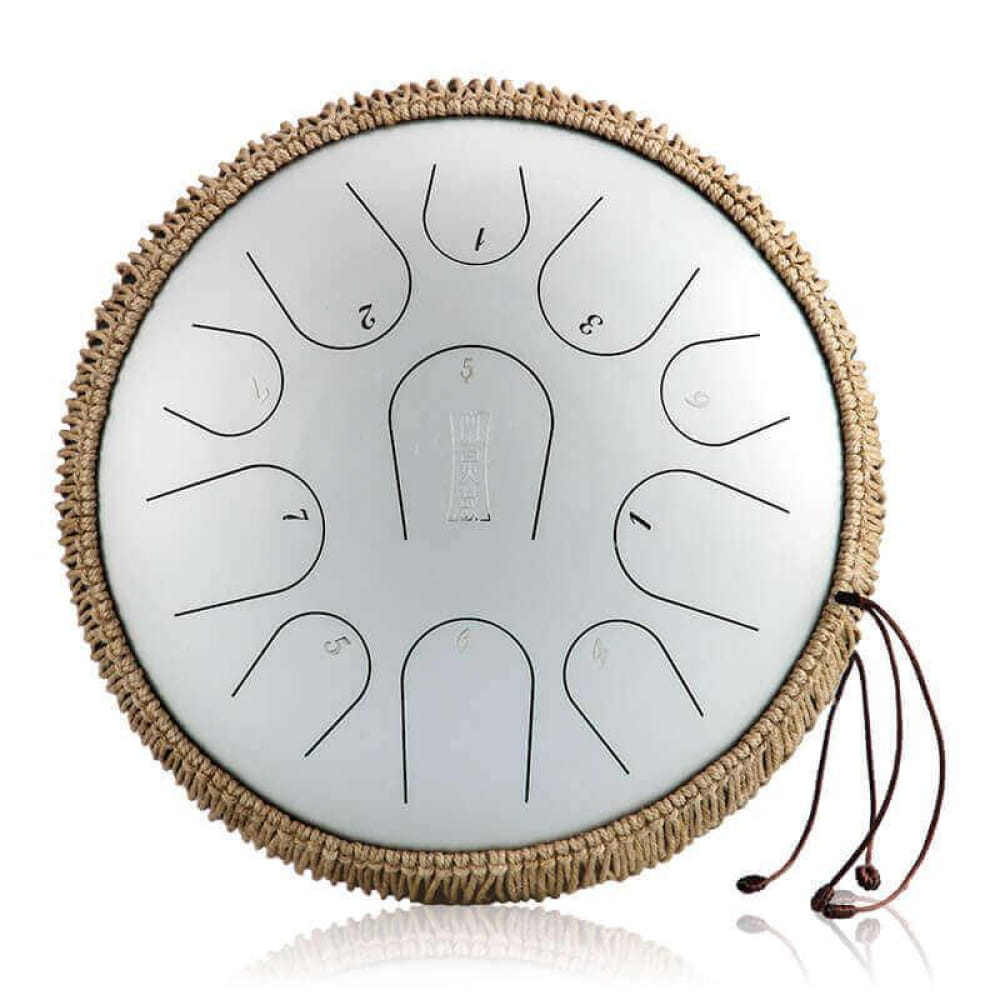
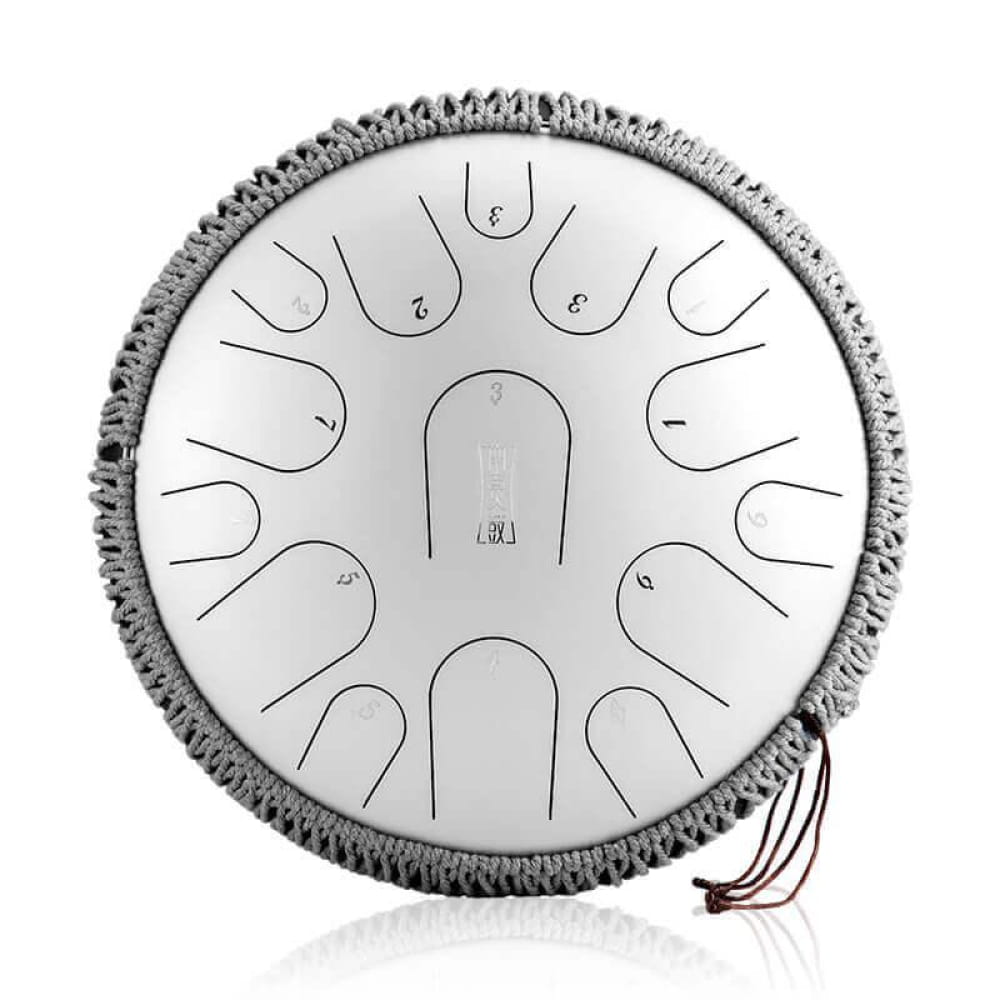
Before diving into playing techniques, it's essential to understand what makes your instrument unique. A steel tongue drum consists of hollow steel with carefully cut tongues of varying lengths and sizes. Each tongue produces a specific musical note when struck, and these notes are arranged in scales that naturally harmonize together.
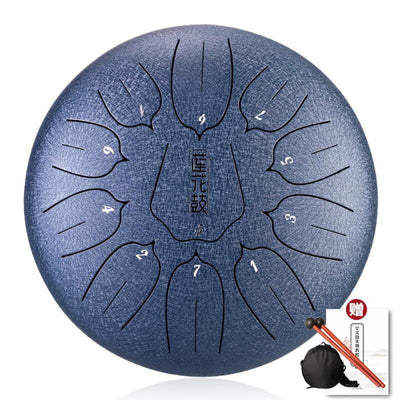
Most beginner-friendly tongue drums use the C Major scale, which means every note you play will sound pleasant together. This intuitive design eliminates wrong notes, allowing you to improvise freely without musical knowledge. The tongues are typically numbered or marked with their corresponding notes, making it easy to follow sheet music and tutorials.

How to Read Tongue Drum Notes
Reading tongue drum notation is remarkably simple compared to traditional sheet music. Most tongue drum sheet music uses a number system where each number corresponds to a specific tongue on your drum. The number 1 typically represents the lowest note, with numbers increasing as the pitch rises.
Some sheet music may also include traditional note names (C, D, E, F, G, A, B) corresponding to the scale of your drum. When you purchase a quality instrument like the 14 Inch Titanium Steel Tongue Drum, C Major 11 Note for Meditation, you'll receive beginner-friendly notation that makes learning fast and intuitive.
Understanding the Note Layout
The notes on a tongue drum are arranged in a specific pattern designed for ergonomic playing. Typically, the lowest note sits at the center or top, with higher notes arranged around it. This layout allows your hands to move naturally between notes, creating flowing melodies without awkward hand positions. Spend a few minutes familiarizing yourself with the location of each numbered tongue before attempting your first song.
Essential Techniques for Beginners
Mastering a few fundamental techniques will dramatically improve your sound quality and playing comfort. These foundational skills form the basis of all tongue drum playing, from simple melodies to complex compositions.
Holding Your Mallets Correctly
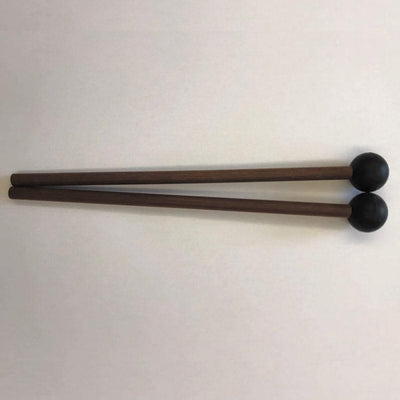
Most beginners start with rubber-tipped mallets included with their drum. Hold the mallet between your thumb and index finger, allowing it to rest gently against your middle finger for support. Your grip should be relaxed—imagine holding a paintbrush rather than a hammer. Let the mallet rebound naturally after each strike rather than forcing it into the steel.

Striking Technique
Strike the tongues gently in the center for the clearest tone. Hitting too hard can create harsh overtones, while striking too softly may not produce enough volume. Aim for a sweet spot that produces a clear, resonant sound without excessive force. Practice alternating strikes between your dominant and non-dominant hand to develop coordination.
Finger Playing Method
As you advance, you may want to experiment with playing using your fingers instead of mallets. This technique creates a softer, more intimate sound perfect for meditation and personal practice. Use the pads of your fingers to strike the tongues, keeping your nails away from the steel to avoid unwanted clicking sounds.

14 Inch Titanium Steel Tongue Drum, C Major 11 Note for Meditation
$179.99 $261.00
Perfect for beginners, this 11-note C Major tongue drum offers an intuitive layout and comes with sheet music to help you start playing beautiful melodies right away.
Explore ProductYour First Tongue Drum Songs
Now that you understand the basics, it's time to play your first melodies. These simple patterns will help you develop rhythm, coordination, and confidence as you learn how to play tongue drum effectively.
Song 1: Simple Scale Exercise
Start by playing the notes in ascending order: 1-2-3-4-5-6-7-8. Once comfortable, try descending: 8-7-6-5-4-3-2-1. This exercise helps you memorize note locations while developing smooth transitions between tongues. Practice slowly at first, then gradually increase your speed as confidence builds.
Song 2: Twinkle Variation
Try this simple pattern using numbers: 1-1-5-5-6-6-5, then 4-4-3-3-2-2-1. This creates a familiar melody using just seven notes. The repetition builds muscle memory while the predictable pattern helps you internalize the relationship between different tongues.
Song 3: Ostinato Pattern
An ostinato is a repeating musical phrase. Try alternating between notes 1 and 5 in a steady rhythm. This simple pattern creates a hypnotic, meditative sound perfect for relaxation. Once comfortable, add note 3 to create a three-note pattern that sounds surprisingly complex.
Steel Tongue Drum vs. Other Drums
Understanding what makes the steel tongue drum unique helps appreciate why it's such an excellent choice for beginners. Unlike hand drums that require complex hand techniques and years of practice to produce melodic content, a tongue drum offers immediate musical gratification. Each tongue is precisely tuned to create harmonious intervals with every other tongue.
Traditional drum kits demand coordination of multiple limbs and complex rhythm patterns. Frame drums and djembes focus primarily on percussive rhythms rather than melody. The tongue drum bridges these worlds, offering percussive playability with built-in melodic harmony. This unique characteristic means you can create complete, satisfying musical pieces as a complete beginner.

Beginner-Friendly Tongue Drums to Start Your Journey

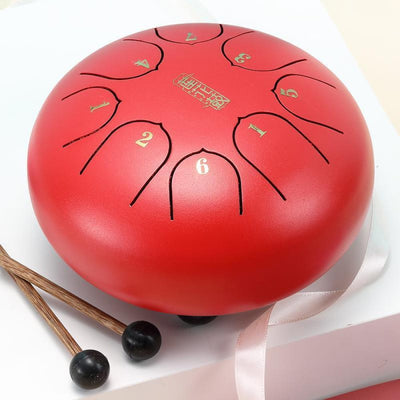
6" Carbon Steel Tongue Drum, 11 Notes in C/D Major
$79.99
$99.99
An affordable and compact option for beginners, featuring 11 notes in C/D Major with included sheet music to kickstart your tongue drum journey. Learn more ➔

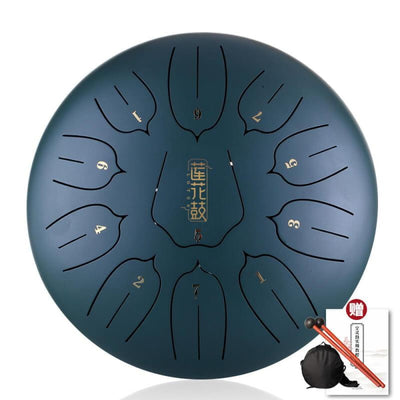
14 Inch Titanium Steel Tongue Drum, 15 Note for Yoga Meditation
$189.99
$275.00
Expand your musical range with this 15-note drum, perfect for beginners ready to explore more notes and create complex, soothing melodies. Learn more ➔
Building Your Skills: Practice Tips
Consistent, mindful practice accelerates your progress more than long, infrequent sessions. Aim for 15-20 minutes daily rather than occasional hour-long marathons. This approach builds muscle memory while keeping your practice enjoyable rather than overwhelming.
Record yourself playing to track improvement over time. Even beginners notice rapid progress when they compare recordings from different weeks. Don't rush through exercises—playing slowly with precision matters more than speed. Focus on clean strikes, steady rhythm, and smooth transitions between notes.

Creating a Practice Routine
Structure your practice sessions for maximum benefit. Start with five minutes of warm-up scales to activate muscle memory. Spend ten minutes learning new material or reviewing challenging sections. Conclude with five minutes of free play, improvising without sheet music to develop your musical intuition and personal style.
Common Beginner Mistakes to Avoid
Every new player encounters challenges, but knowing common pitfalls helps you avoid them. One frequent mistake is striking the drum too hard, believing volume equals better sound. The tongue drum sings beautifully with gentle touch—let the instrument's resonance do the work.
Another common error is neglecting proper posture. Sit comfortably with the drum at a height where your arms can move freely without hunching shoulders. Tension in your body translates to tension in your playing, so stay relaxed and breathe naturally throughout your practice.
Conclusion: Your Musical Journey Begins
Learning how to play tongue drum offers a uniquely accessible path into music creation. With just a few basic techniques, you can produce captivating melodies that soothe the mind and inspire creativity. The steel tongue drum removes the barriers that often frustrate traditional instrument learners while delivering deeply satisfying musical experiences.
The journey from complete beginner to confident player happens faster than you might imagine. By following the techniques outlined in this guide and practicing consistently, you'll soon find yourself improvising melodies and perhaps even composing your own songs. The meditative quality of tongue drum playing makes every practice session as beneficial for your wellbeing as it is for your musical skills.
At Healing Sounds, we believe everyone deserves access to the transformative power of music. Our carefully curated collection of beginner-friendly tongue drums ensures you start with an instrument that responds to your touch and grows with your abilities. Whether you choose the intuitive 14 Inch Titanium Steel Tongue Drum or explore our other options, you're taking the first step toward a rewarding musical adventure that will bring joy for years to come.
Frequently Asked Questions About Learning Tongue Drum
Tongue drum notes are typically read using a simple number system where each number corresponds to a specific tongue on your drum. Number 1 usually represents the lowest note, with higher numbers indicating higher pitches. Some sheet music also includes traditional note names (C, D, E, F, G, A, B). Most beginner tongue drums come with easy-to-follow notation guides that make learning intuitive even without prior musical experience.
The best beginner tongue drum songs include simple scale exercises (playing notes 1-8 ascending and descending), familiar melodies like "Twinkle Twinkle Little Star" adapted to number notation, and basic ostinato patterns repeating two or three notes. These exercises build coordination while sounding pleasant. Many beginner tongue drums include songbooks with progressively challenging pieces designed specifically for new players.
Unlike traditional drums that produce rhythmic patterns without specific pitches, steel tongue drums are tuned melodic instruments. Each tongue produces a precise musical note, and the tongues are arranged in scales where every note harmonizes with the others. This means beginners can create beautiful melodies immediately without wrong notes. Tongue drums also require minimal technique compared to hand drums, making them far more accessible for complete beginners while still offering depth for advanced players.
Beginners should first master holding mallets correctly with a relaxed grip, striking tongues gently in the center for clear tones, and basic coordination between both hands. Focus on clean, controlled strikes rather than speed. Learning to strike and immediately release allows the note to resonate fully. Once comfortable with mallets, beginners can experiment with finger playing for softer sounds. These foundational techniques form the basis for all advanced tongue drum playing.
Most beginners can produce pleasing melodies within their first hour of playing a tongue drum. Basic competency—with the ability to play simple songs smoothly—typically develops within 2-4 weeks of consistent 15-20 minute daily practice. Advanced techniques and improvisation skills continue developing over months and years. The tongue drum's intuitive design makes it one of the fastest instruments to learn, offering immediate musical gratification that motivates continued practice and skill development.