For millions of years, the spiral shells of ammonites have been preserved in the earth, transforming into stunning relics of prehistoric life. Today, these fossils are highly sought after by collectors, interior designers, and crystal healing enthusiasts alike. If you are looking to acquire one of these ancient treasures, understanding the ammonite fossil price landscape is essential. Whether you are seeking a small, affordable piece for your desk or a museum-quality ammonite slab for display, knowing what drives value will ensure you make a smart investment.
The market for fossils is vast, ranging from common finds to incredibly rare gem-quality specimens. In this guide, we will explore the factors that determine ammonite fossil value, how to identify a real ammonite, and what you can expect to pay for different types of specimens. From raw shells to the most expensive ammonite fossil varieties featuring iridescent ammolite, we cover everything you need to know to buy with confidence.
Key Factors Influencing Ammonite Fossil Value
Not all ammonites are created equal. When evaluating a piece, several distinct characteristics influence the final price tag. While a small ammonite fossil price might be just a few dollars, rare specimens can command thousands. Here is what professional collectors look for.
- Size: Generally, larger specimens are rarer and more valuable.
- Preservation: Intact shells with distinct ridges and sutures fetch higher prices.
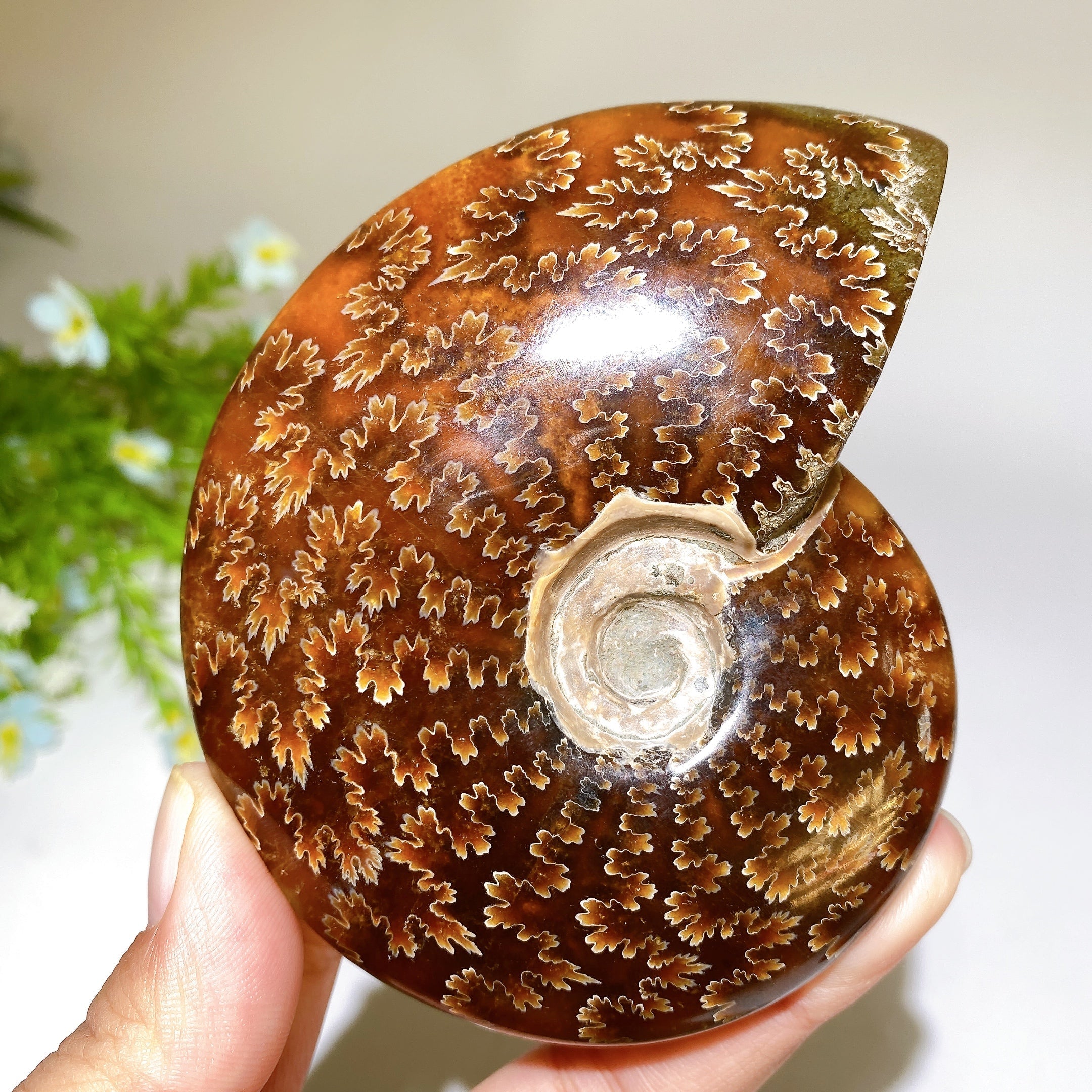
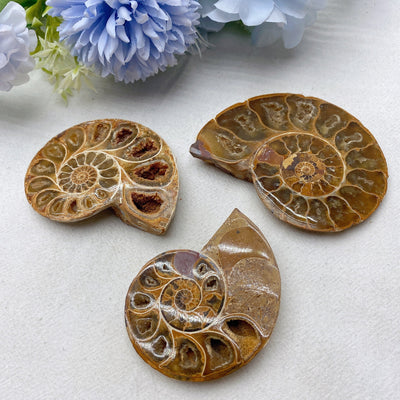
- Polishing: A polished ammonite fossil often reveals stunning internal chambers, increasing aesthetic value.
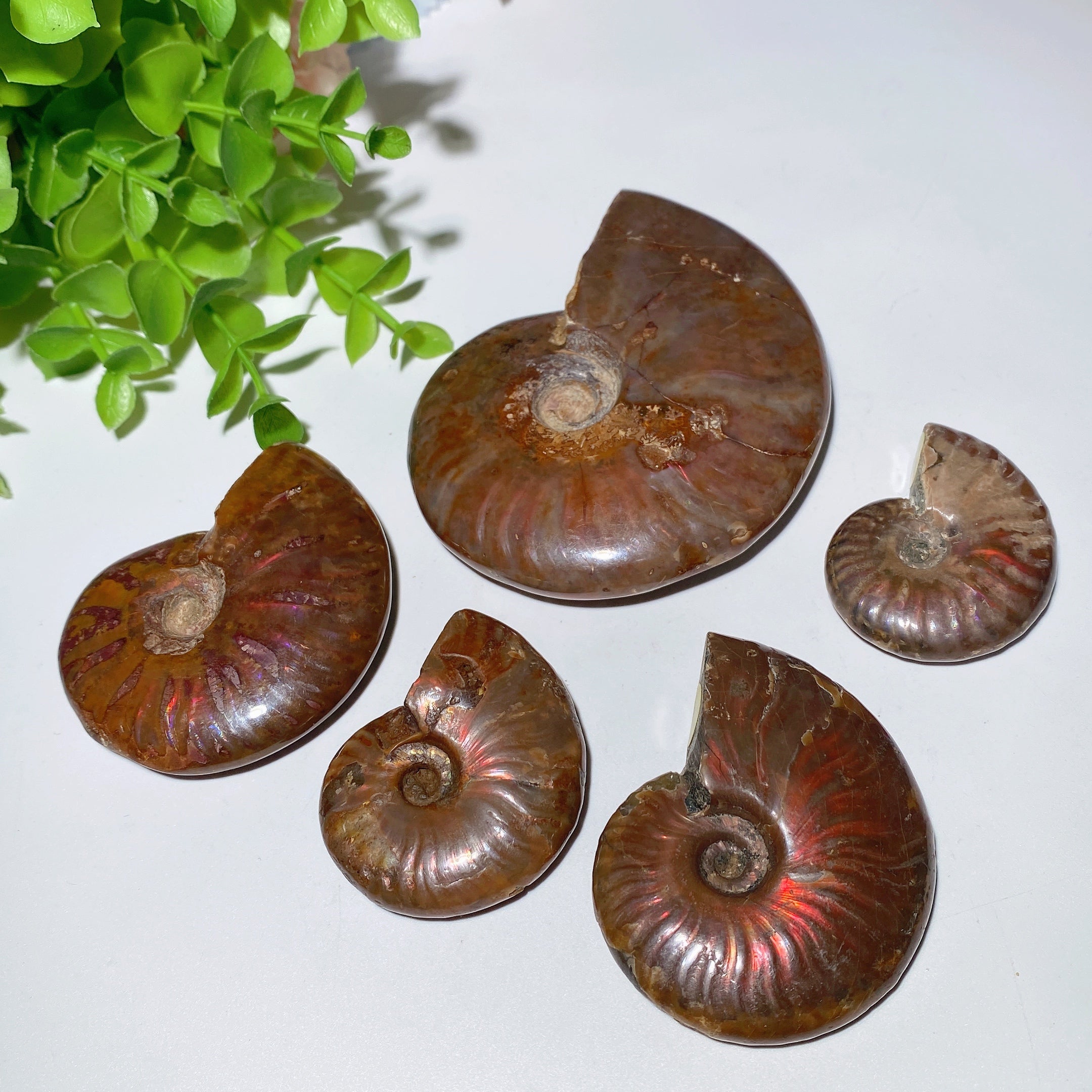
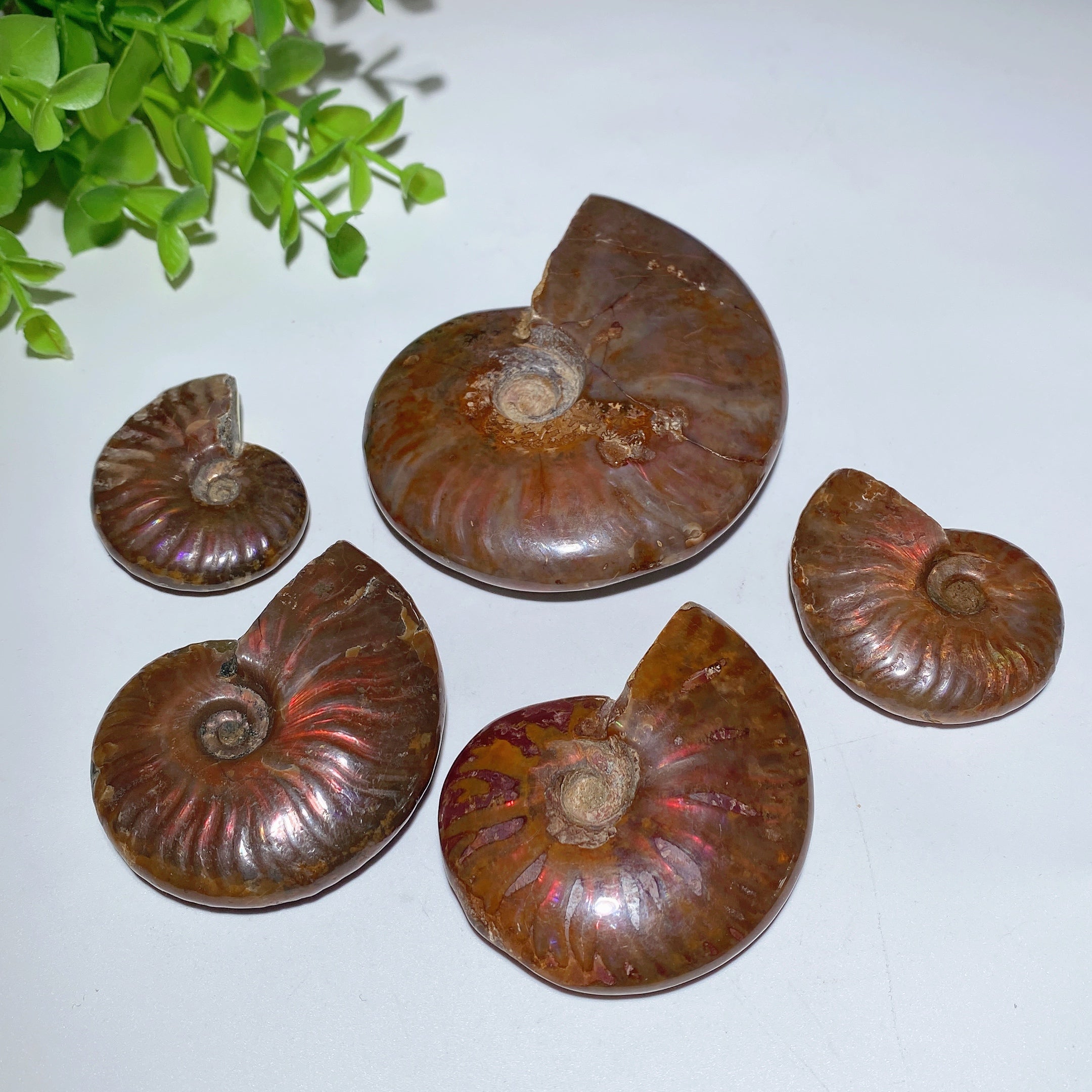
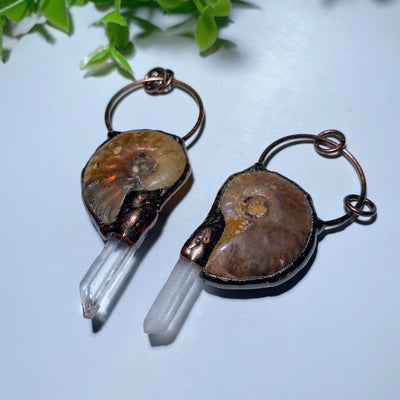
- Iridescence: The presence of "fire" or gem-quality ammolite dramatically increases the price per gram.
Understanding these variables helps explain why you might see a vast difference in ammonite fossil price per kg or per individual piece across different sellers.

Price Ranges: What Should You Expect to Pay?
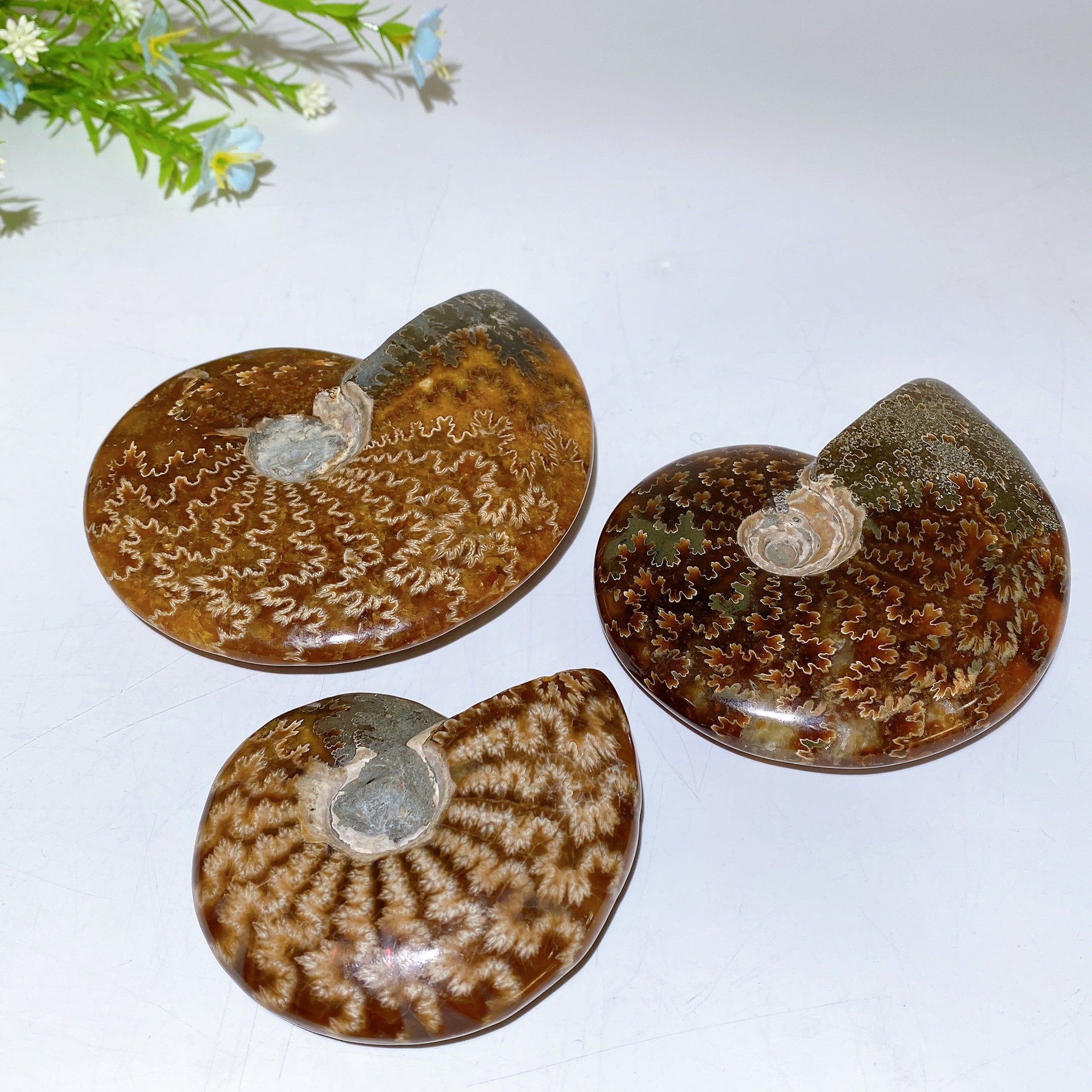
The ammonite fossil price varies significantly based on the tier of quality you are looking for. Entry-level fossils, often from Madagascar or Morocco, are widely available and affordable. These usually consist of cut and polished pairs or small whole shells. A basic polished ammonite fossil in the 1 to 3-inch range typically costs between $10 and $50.
Mid-range specimens, which are larger (4 to 8 inches) and feature better definition or distinct suture patterns (the leaf-like lines on the shell), can range from $50 to $300. This is the "sweet spot" for most casual collectors and home decorators.
At the high end, we enter the realm of investment pieces. A large ammonite fossil price for a specimen exceeding 15 inches can easily surpass $1,000. If the fossil exhibits significant iridescence—flashes of red, green, and blue caused by the gemstone Ammolite—the value skyrockets. These rare Canadian ammonites are often priced by the square centimeter or carat, comparable to precious gemstones.

Spécimen de cristal d'ammonite poli en spirale de 2,8 à 5,5 pouces
$29.90 $39.90
Experience the wonder of an authentic, polished ammonite fossil specimen—perfect for display or crystal healing energy practices.
Explore ProductThe Rarity of Gem-Quality Ammonites
While standard brown and tan fossils are abundant, gem-quality ammonites are a different story. Found primarily in the Bearpaw Formation of North America, these fossils have been mineralized with aragonite, creating a stunning play of color. This material is officially recognized as the gemstone Ammolite.
Because these are finite resources, their value appreciates over time. Finding a massive, intact gemstone fossil is an event that makes headlines in the geological world. To understand the magnitude of these discoveries, watch the video below about a significant fossil find.
Polished vs. Rough: Aesthetic and Value Differences
Collectors often debate between raw and polished specimens. A raw ammonite retains its natural, earthy texture, appealing to those who want a direct connection to the fossil's original state. However, a polished ammonite fossil is often preferred for interior decor and jewelry.
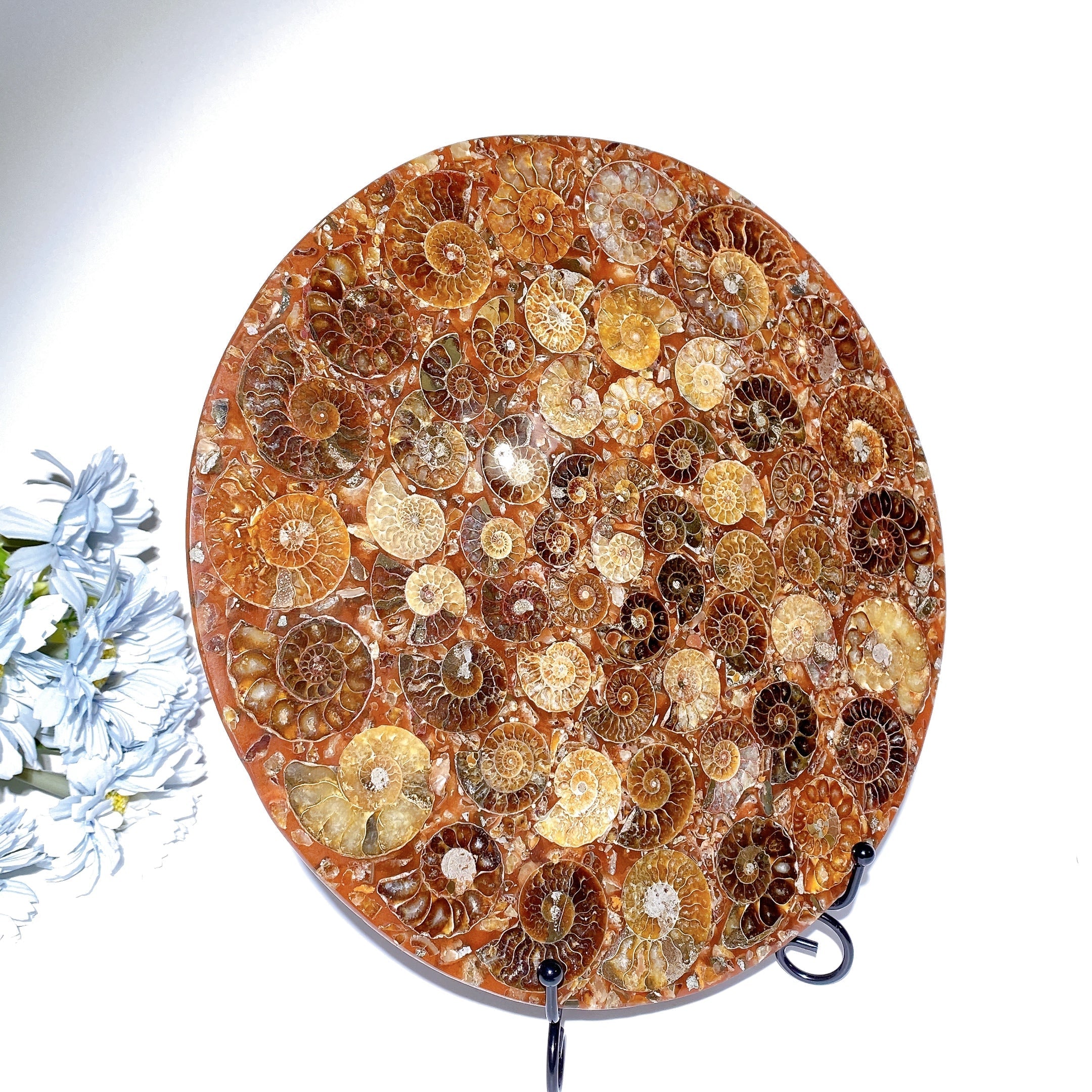
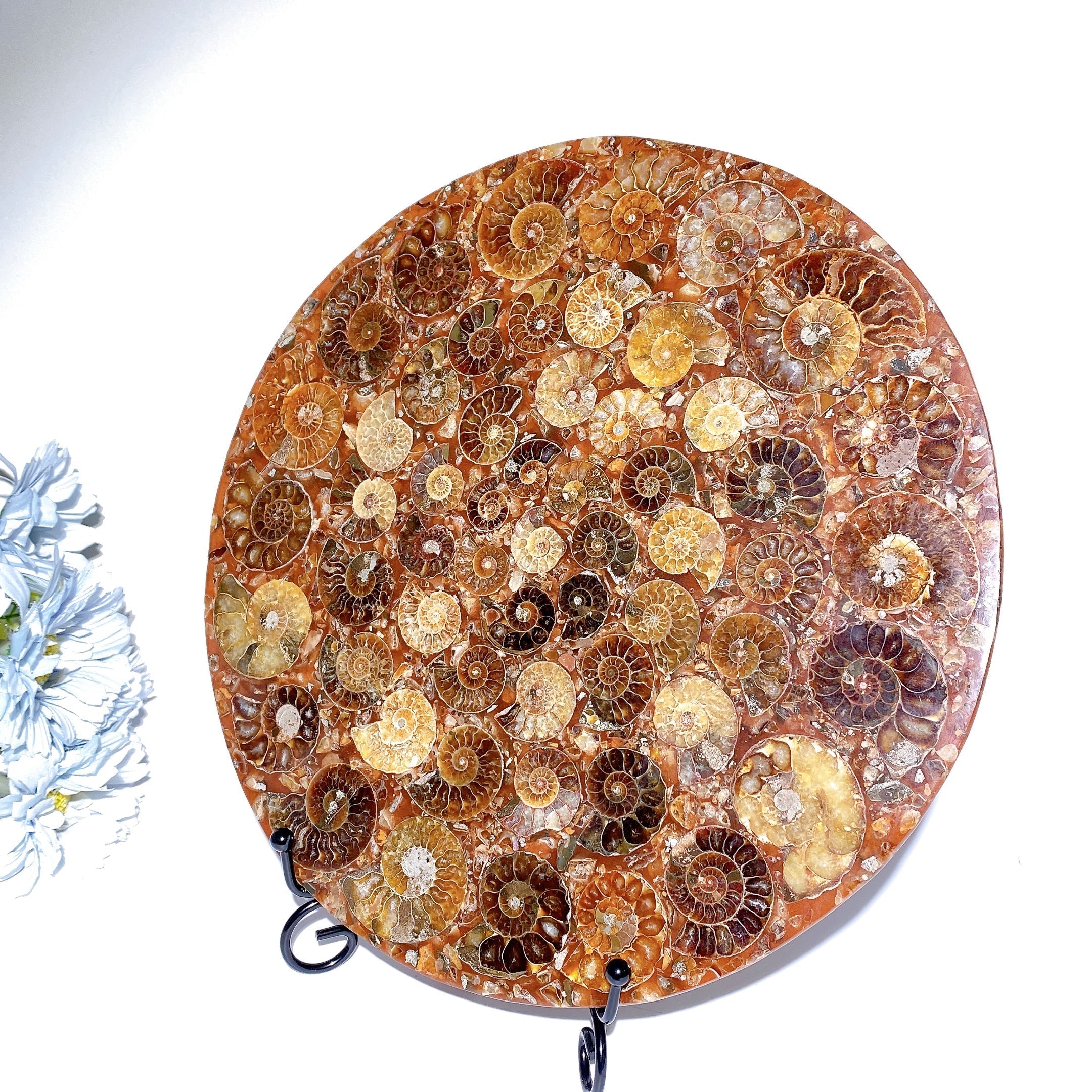
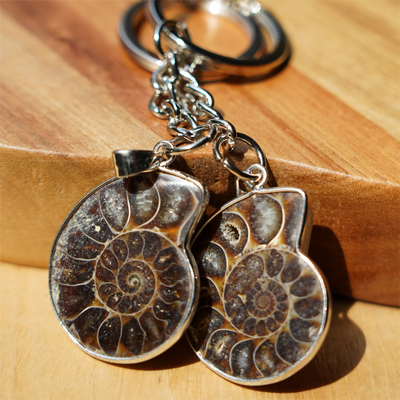
Polishing removes the rough outer layer to reveal the intricate internal chambers, which may be filled with calcite, pyrite, or quartz. An ammonite slab is created by slicing the spiral in half and polishing the face. These slabs are popular because they display the golden spiral geometry (Fibonacci sequence) perfectly, making them excellent tools for meditation and Feng Shui.

How to Identify a Real Ammonite
With the rise in popularity of fossils, the market has seen an increase in replicas. Knowing how to tell if ammonite is real is crucial before making a purchase. Genuine fossils will have natural imperfections. If a specimen looks too perfect, or if multiple pieces look identical in pattern, they may be casts made of resin.
A real ammonite is heavy and feels like stone (because it is). If it feels light or plastic-like, it is likely a fake. Furthermore, the complex suture patterns—the fern-like lines on the surface—are incredibly difficult to fake convincingly. For high-value purchases, always buy from reputable dealers who specialize in geological history rather than general souvenir shops.
Buying Guide for Collectors
When starting your collection, consider your primary goal. Are you looking for a healing tool, a decorative centerpiece, or an investment? For healing, smaller hand-held spirals are excellent. For investment, look for large sizes, rare species, or high iridescence.
Always examine the fossil under good light. Check for repairs or reconstruction; it is common for large fossils to have some repair work, but this should be disclosed and reflected in the ammonite fossil value. A completely reconstructed area lowers the price significantly compared to a pristine natural find.

Start Your Collection
Whether you are looking for a museum-grade display piece or a starter crystal, we have curated a selection of authentic fossils. Explore our recommended pieces below to bring ancient energy into your home.
Featured Authentic Ammonites

Présentoir en cristal d'ammonite polie ronde de 25 cm
$89.90
$129.90
Elevate your collection with a museum-quality, polished ammonite slab—an impressive showpiece for fossil enthusiasts and decor lovers. Learn more ➔

Bring ancient energy into your space with this affordable, polished real ammonite fossil—ideal for gifts or personal display. Learn more ➔
Conclusion
Investing in an ammonite is more than just buying a rock; it is acquiring a piece of Earth's deep history. The ammonite fossil price you pay reflects the rarity, beauty, and preservation of that history. Whether you are drawn to the flashing colors of ammolite or the sacred geometry of a simple polished spiral, these fossils offer timeless beauty and grounding energy.
By focusing on size, preservation quality, and buying from trusted sources, you can ensure that your collection holds both its monetary and spiritual value for years to come. Start small or aim for a centerpiece—either way, the ancient energy of the ammonite is a powerful addition to any space.
Frequently Asked Questions about Ammonite Fossil Value
Yes, ammonite fossils can be legally sold and are traded globally. They are abundant and not typically restricted like some vertebrate fossils (e.g., dinosaur bones) in certain countries. However, export restrictions may apply to specific rare types, such as Canadian Ammolite, depending on local regulations.
Common ammonite fossils are not rare; they are found in large numbers in places like Madagascar, Morocco, and the UK. However, large, museum-quality specimens, perfect iridescent shells (Ammolite), and specific rare species are considered scarce and command high prices.
While many are affordable, expensive ammonites are priced based on rarity, size, and beauty. The presence of gem-quality iridescence (Ammolite) drastically increases cost. Additionally, the labor required to excavate, clean, and polish these delicate fossils adds to their final market value.
A real ammonite will feel heavy and stone-like. Look for intricate, non-repetitive details in the chambers and suture lines. Fakes often look too uniform or have air bubbles from casting. Iridescence in real fossils shifts color as you move it, whereas painted fakes appear flat.
Large ammonite fossils (over 12-15 inches) typically start around $500 and can go up to $50,000 or more depending on quality. Factors like the presence of pearlescent shell, lack of damage, and distinct pattern definition play a huge role in the valuation of large pieces.