When diving into the world of healing crystals and jewelry, few comparisons cause as much confusion as the aventurine goldstone debate. At first glance, both stones captivate with their glittering surfaces and rich colors. However, for the holistic wellness seeker or the discerning jewelry buyer, knowing the distinction is crucial. One is a gift from the earth's crust, while the other is a dazzling feat of human alchemy.
Understanding the aventurine goldstone difference goes beyond just aesthetics; it impacts the energetic properties you invite into your life and the value of the pieces you purchase. Whether you are looking to balance your heart chakra or ignite your ambition, learning to distinguish the natural "aventurescence" of quartz from the metallic glitter of glass will empower you to make wise choices.
The Core Difference: Natural Mineral vs. Man-Made Glass
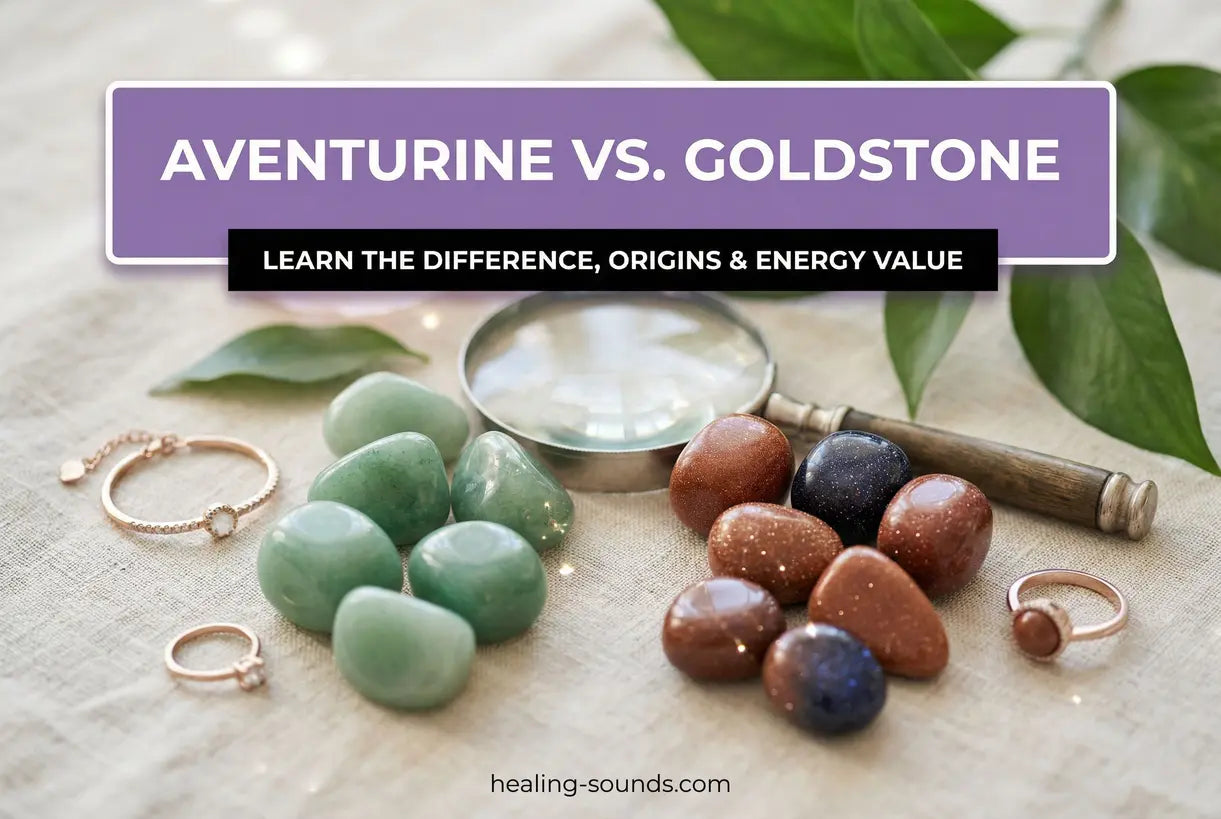
The primary distinction between these two materials lies in their origin. Aventurine is a natural mineral, specifically a variety of translucent quartz. It forms deep within the earth and contains tiny inclusions of plate-like minerals (usually mica or fuchsite) that give it a shimmering effect known as "aventurescence." Because it is a product of nature, the sparkle is often subtle, organic, and unevenly distributed.
In contrast, Goldstone is not a stone in the geological sense. It is a man-made glass, created in a low-oxygen reducing atmosphere. The manufacturing process involves melting silica, copper oxide, and other metal oxides. When the glass cools, the copper ions reduce to elemental copper, forming triangular or hexagonal crystals that create that iconic, intense sparkle. While it is often sold alongside natural crystals, goldstone is technically a synthetic material, albeit one with a rich history dating back to 17th-century Venice.

Visual Identification: Texture and Sparkle
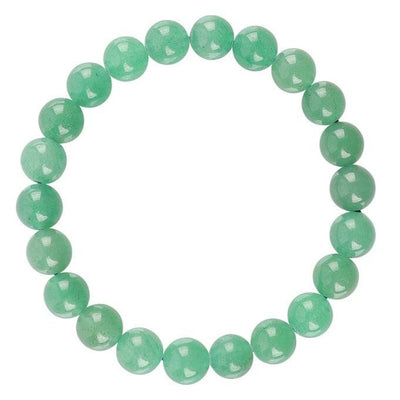
If you are holding a piece of jewelry and wondering if it is aventurine or goldstone, look closely at the texture and the quality of the shimmer. Natural aventurine typically presents a softer, more "sugary" appearance. The inclusions are random, and you may see bands of color or other natural imperfections within the stone. Green is the most common color, caused by fuchsite inclusions, though it can also occur in blue, red, and peach.
Goldstone, conversely, is uniform. The sparkles (which are actual copper crystals) are suspended evenly throughout the glass, creating a depth that looks like a starry galaxy. The background is usually opaque. The most common variety is reddish-brown (resembling a sunstone), but you will also frequently find dark blue goldstone (containing cobalt) and green goldstone (containing chromium).
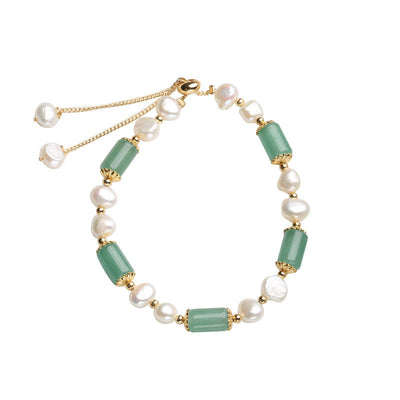
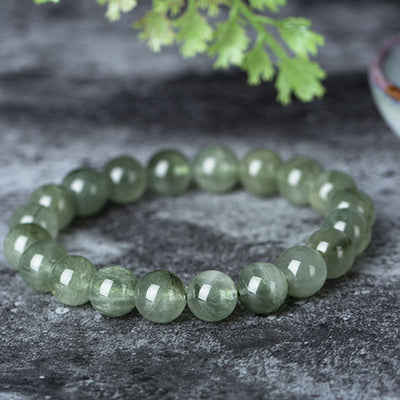
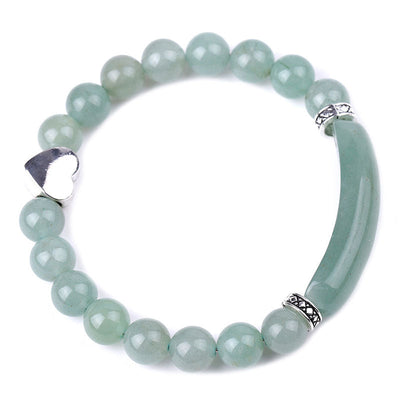
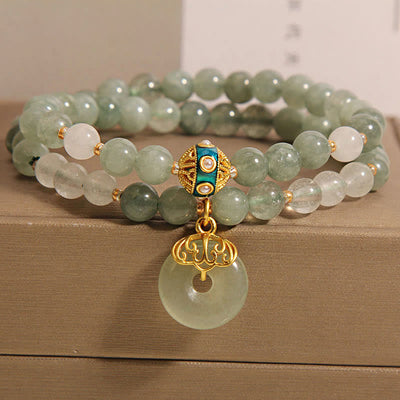

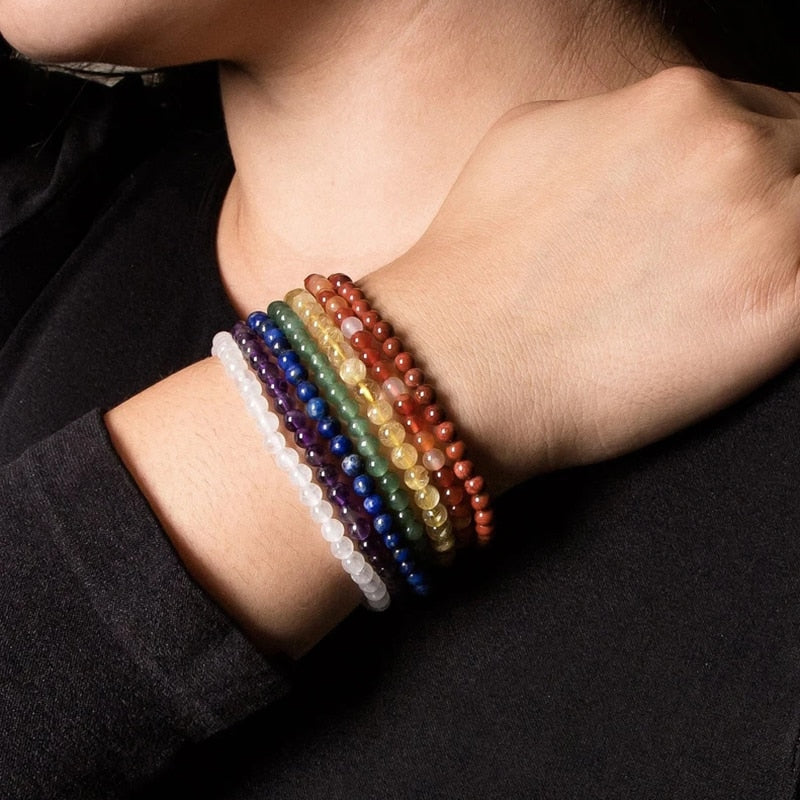
Collection de bracelets en pierres de chakra
$59.99 $79.99
Discover the beauty of both aventurine and goldstone with this chakra gemstone bracelet set, perfect for mindful energy balance.
Explore ProductMetaphysical Properties: Heart vs. Ambition
For energy healers and crystal enthusiasts, the aventurine goldstone meaning differs significantly based on their composition. Since aventurine is a natural crystal, it carries the stable, healing vibration of the earth.
- Green Aventurine: Known as the "Stone of Opportunity," it is deeply connected to the Heart Chakra. It is thought to attract luck, abundance, and emotional calm. It is a comforter and heart healer, used to clear emotional blockages.
- Goldstone: Although man-made, it is highly regarded in the metaphysical community. The copper content is a powerful conductor of energy. Goldstone is often called the "Stone of Ambition." It is believed to help generate energy, courage, and a positive attitude. It is linked to the Root Chakra (grounding) and the Sacral Chakra (creativity).
| Feature | Aventurine | Goldstone |
|---|---|---|
| Origin | Natural Earth Mined (Quartz) | Man-Made (Glass with Copper) |
| Appearance | Translucent, soft shimmer | Opaque, intense glitter (Galaxy-like) |
| Chakra | Heart (Green), Third Eye (Blue) | Root (Brown), Throat (Blue) |
| Key Benefit | Luck, Healing, Growth | Ambition, Drive, Confidence |

The Blue Variation: Blue Aventurine vs. Blue Goldstone
One of the most common queries relates to the blue varieties of these stones. Blue aventurine goldstone comparisons are frequent because both resemble a night sky, but the vibes are distinct. Blue Aventurine is a natural quartz that includes Dumortierite, giving it a muted, denim-blue hue. It is an authentic stone used for enhancing communication and psychic abilities.
Blue Goldstone, often trade-named "Blue Sandstone," is glass infused with cobalt or manganese. It is incredibly sparkly and dark, looking almost like a deep space photograph. While Blue Aventurine calms the mind, Blue Goldstone is used to uplift thoughts and connect with the astral realm through its copper-conductive properties.
Balance Your Energy with These Selections

Showcase goldstone’s sparkle with this blue sandstone (goldstone) and lava rock bracelet, ideal for protection and grounding. Learn more ➔

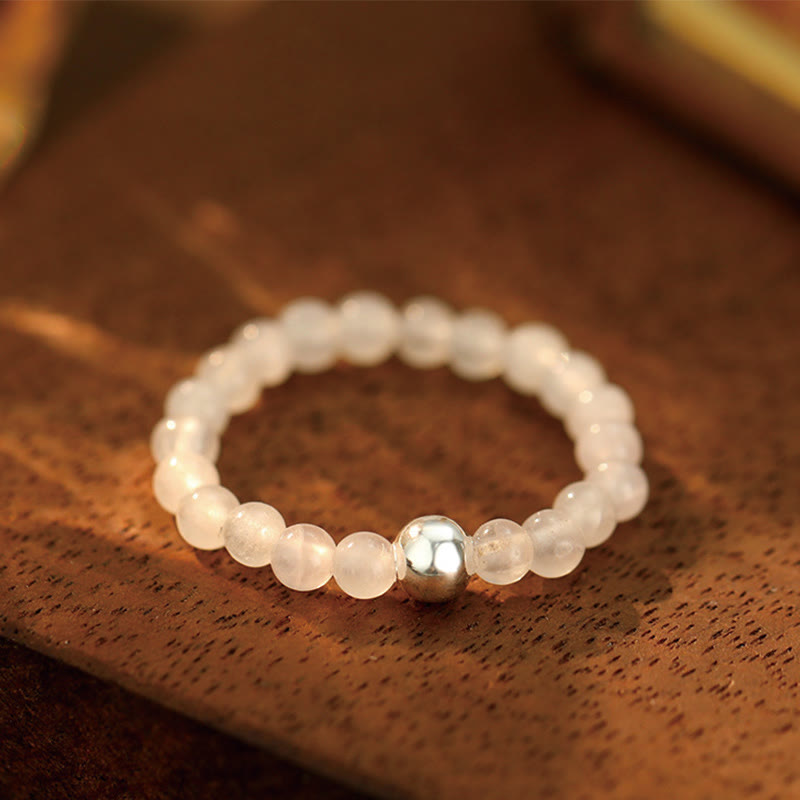
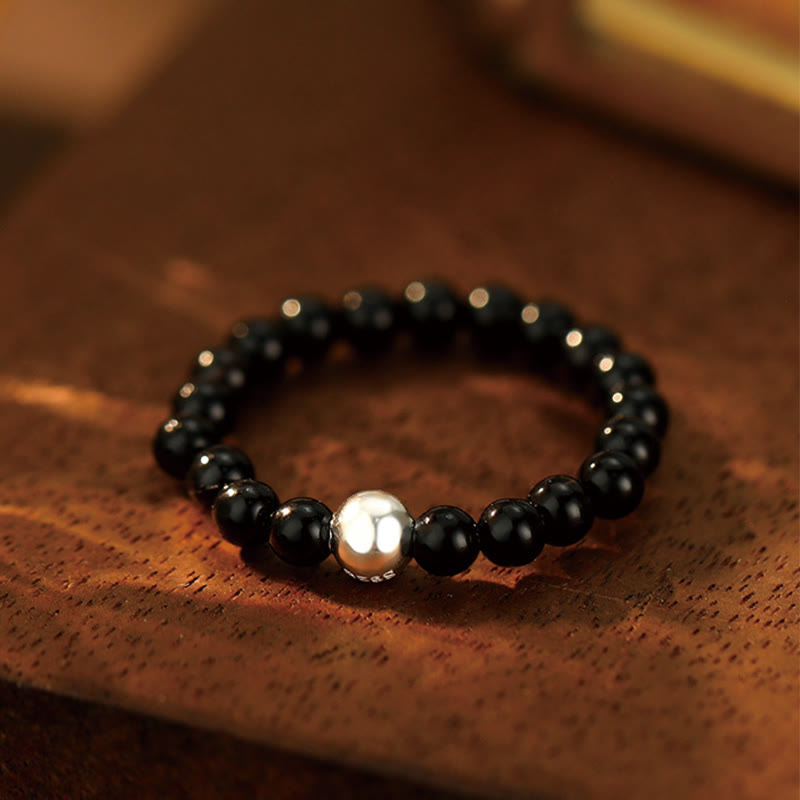
Add a pop of color to your collection with this ring, available in aventurine and goldstone variants for unique energy pairing. Learn more ➔
Value and Authenticity: Real Gem or Glass?
Is goldstone a "fake"? In the gemological sense, yes—it is not a natural mineral. However, it is a legitimate material with a recognized market value and history. The aventurine goldstone value tends to be comparable for tumbled stones and beads, though high-quality, gem-grade aventurine will generally command a higher price than goldstone. Goldstone is affordable and durable, making it excellent for fashion jewelry.
When shopping, be wary of sellers marketing Goldstone as "natural sunstone" or "natural sandstone." Authentic Sunstone is a different, more expensive natural mineral (feldspar) with a different type of glitter (schiller). If the sparkles are perfectly uniform and the matrix is totally opaque glass, you are looking at Goldstone.

Conclusion
Whether you are drawn to the earthy, lucky vibrations of natural aventurine or the fiery, ambitious sparkle of man-made goldstone, both have a place in a crystal lover's collection. Understanding the difference ensures that you respect the origins of your stones and utilize their unique energies effectively. For luck and heart healing, turn to the natural green depths of aventurine. for a boost of confidence and drive, let the copper-infused galaxy of goldstone light your way.
Frequently Asked Questions about Aventurine and Goldstone
Blue Aventurine is a natural quartz crystal containing Dumortierite, giving it a subtle blue color and natural energy. Blue Goldstone is man-made glass infused with cobalt or manganese, known for its intense, starry sparkle and uniform appearance.
Technically, no. Goldstone is a man-made glass containing suspended copper crystals. While it is not a natural mineral found in the earth, it is considered a valid material in jewelry and energy work due to the conductive properties of the copper within it.
Aventurine, particularly Green Aventurine, is known as the "Stone of Opportunity." It is used to attract luck, abundance, and prosperity. It also soothes the heart, promotes emotional healing, and encourages personal growth.
Yes, Aventurine is a real gemstone. It is a variety of quartz characterized by its translucency and the presence of platy mineral inclusions (like mica) that give it a shimmering or glistening effect.
Real aventurine will have a somewhat irregular texture and color distribution. The sparkles (aventurescence) should appear to be inside the stone but not perfectly uniform. If the stone looks too perfect, has bubbles, or the sparkles are identical in size and spacing, it may be glass or dye.