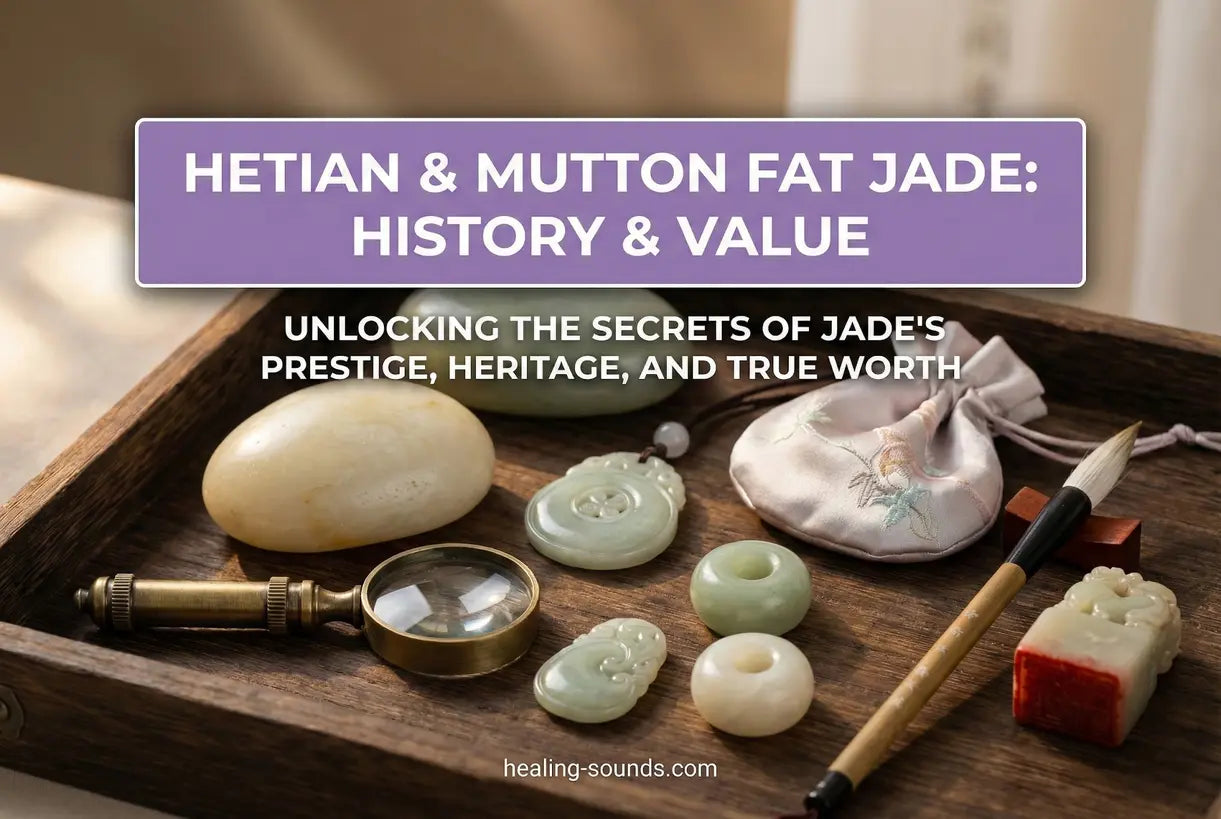
For centuries, Hetian jade has been revered not merely as a gemstone, but as the physical embodiment of virtue, endurance, and spiritual purity. Often called the "Stone of Heaven," this exquisite variety of jade nephrite holds a place of honor in Eastern culture that rivals the value of diamonds in the West. For collectors and spiritual seekers alike, understanding the deep history and significant value of this stone is the first step to appreciating its quiet, oily luster.
Whether you are drawn to the creamy perfection of mutton fat jade or simply curious about the investment potential of these ancient stones, this guide explores the origins, pricing factors, and unique energetic properties of true Hetian jade. Discover why this gemstone remains a symbol of imperial power and how to distinguish authentic pieces in a market filled with imitations.
What is Hetian Jade? A Historical Overview
Hetian jade is a premier variety of nephrite jade, named after the Hetian (or Hotan) region in Xinjiang, China, located near the majestic Kunlun Mountains. Unlike the glassy brilliance of jadeite, nephrite is prized for its warm, waxy, or "greasy" luster. Historically, it was the jade of emperors, used for royal seals, ritual objects, and intricate jewelry long before jadeite was introduced from Burma.
The cultural significance of this stone cannot be overstated. In ancient texts, it was said that "gold has a price, but jade is priceless." This specific type of nephrite is renowned for its toughness and durability, symbolizing the resilience of the human spirit. The mining of river jade in the White Jade River (Yurungkash) has been documented for millennia, making every authentic piece a fragment of history.
Did you know? The 2008 Beijing Olympic medals were embedded with Hetian jade to symbolize nobility and honor, showcasing its enduring cultural status on a global stage.
To better understand the varieties and hierarchy of this gemstone, refer to the breakdown below.

The Jewel of Kings: Understanding Mutton Fat Jade
Among the various colors and grades, mutton fat jade represents the pinnacle of quality. It is a specific type of white Hetian jade known for its incomparable texture. The term "mutton fat" refers to its resemblance to congealed sheep fat—dense, pure white, and possessing an oily sheen that feels almost alive to the touch.
True mutton fat jade is exceptionally rare. It must be white but not stark or watery; instead, it glows with a thick, warm translucency. This variety is almost exclusively reserved for high-end art and significant investment pieces. Its purity is associated with the Confucian virtue of benevolence, making it the ultimate status symbol for collectors who value spiritual depth alongside material wealth.
The texture is the defining characteristic. While lesser jades might feel glassy or cold, high-quality mutton fat jade feels unctuous and smooth, a tactile quality that enthusiasts describe as "sticky" or "warm."

Hetian Jade Value and Pricing Factors
Determining Hetian jade value is a complex art that goes beyond simple carat weight. The Hetian jade price has skyrocketed in recent decades due to resource depletion in the Yurungkash River. When evaluating a piece, experts look at four main criteria: texture, color, carving, and origin.
- Texture (The Oiliness): This is paramount. The stone should look moist and greasy, not dry or crystalline. The finer the structure, the higher the value.
- Color: While white (especially mutton fat) is the most famous, Hetian jade also comes in green, yellow, sugar (brown), and black (ink jade). Uniformity and saturation drive the price up.
- Origin: "Seed jade" (river jade) is smoother and more valuable than "mountain jade" (quarried jade) because natural river tumbling creates a superior skin and texture.
Authentic pieces are considered stable assets, often appreciating over time. According to the Gemological Institute of America (GIA), the distinction between nephrite and jadeite is crucial for valuation, with top-tier nephrite now commanding prices that rival fine art.

Bague élastique en jade Hetian naturel, agate rouge et perle
$28.90 $41.90
Adorn your hand with authentic Hetian jade to attract abundance and wisdom, perfect for energy and value lovers.
Explore ProductProperties and Benefits of Hetian Jade
Beyond its financial worth, the spiritual Hetian jade properties attract those seeking balance and harmony. Energetically, it is believed to nourish the owner. The concept of "people raising jade, and jade raising people" suggests a symbiotic relationship where the stone absorbs negative energy and radiates calmness.
As a jade nephrite, it resonates with the Heart Chakra, promoting emotional healing and stability. It is traditionally worn to attract good luck, ward off evil spirits, and foster wisdom. Unlike the sharp, piercing energy of some crystals, the energy of Hetian jade is described as slow, steady, and grounding—perfect for alleviating anxiety in a chaotic world.
Hetian Jade vs Jadeite
A common question arises regarding Hetian jade vs jadeite. While both are "jade," they are chemically different. Jadeite is harder and comes in vivid emerald greens and lavenders, often preferred for flashy jewelry. Hetian jade (nephrite) is softer but tougher (less prone to shattering) and is valued for its inner glow and subtle elegance rather than surface brilliance.

How to Identify Authentic Hetian Jade
With the rising Hetian jade price, the market has seen an influx of substitutes like glass, quartz, or lower-grade nephrite from other regions masquerading as premium Xinjiang jade. Identifying authentic stone requires a keen eye and sometimes professional tools.
Real Hetian jade is heavy for its size due to its density. It should feel cool to the touch initially and warm up slowly. If you hold it up to the light, the structure should appear interwoven and fibrous, like felt, rather than bubbly (which indicates glass). Furthermore, authentic mutton fat jade is rarely "paper white"; it usually has a subtle yellowish or creamy undertone.
Expert Tip: Look for the "orange peel" effect on the surface of raw river jade seeds. This natural microporosity is a hallmark of genuine river-tumbled stones that is difficult to fake convincingly.

Collectors should also be wary of stones labeled simply as "white jade" without the Hetian designation. Certification from reputable gem labs is highly recommended for high-value items.
Curated Hetian Jade Treasures

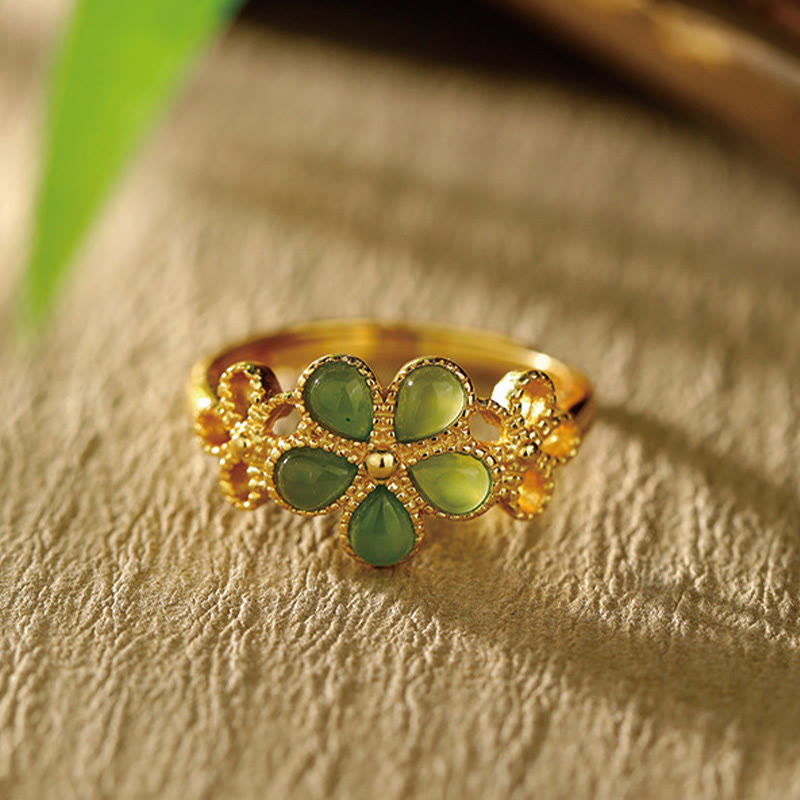
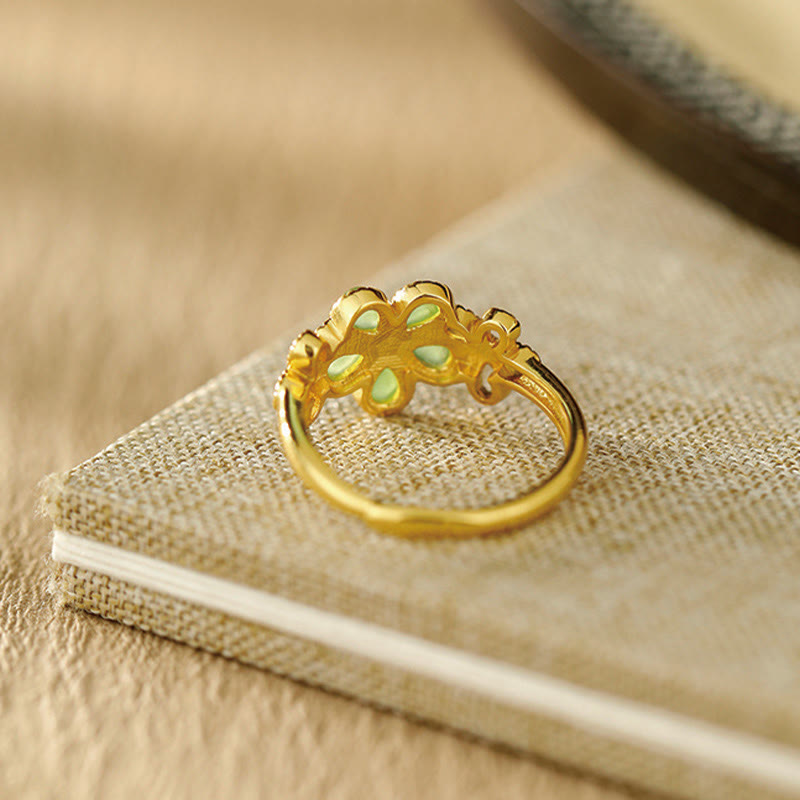
Showcase Hetian jade’s prestige and value with this exquisite prosperity ring—a heritage treasure for collectors. Learn more ➔

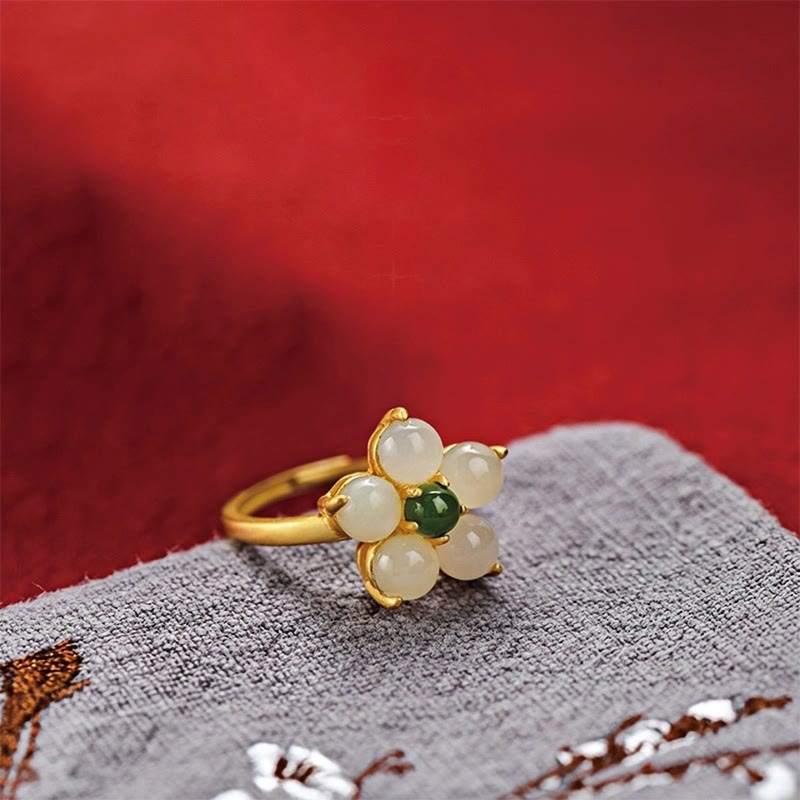
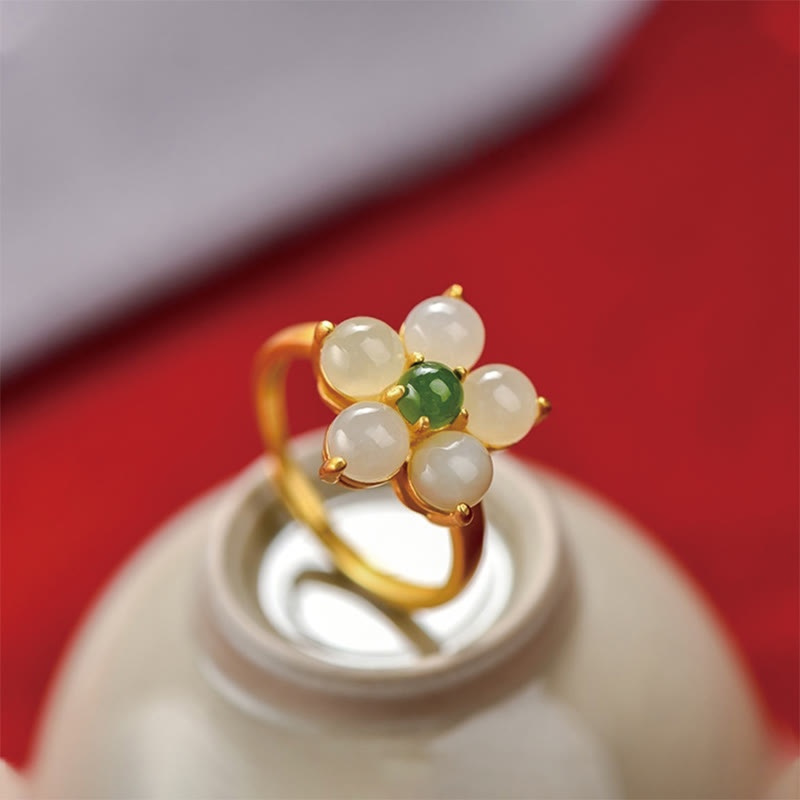
Symbolize renewal and prestige with this hand-carved Hetian jade peach blossom ring, blending history with elegance. Learn more ➔
Conclusion
The allure of Hetian jade lies in its unique ability to bridge the gap between history, art, and spirituality. Whether you are captivated by the investment potential of rare mutton fat jade or drawn to the grounding energy of a simple nephrite bracelet, these stones offer a connection to the earth that few other gems can match. As you explore the world of fine jade, remember that true value is found not just in the price tag, but in the stone's ability to bring a sense of peace and nobility to your life.
Frequently Asked Questions about Hetian Jade & Mutton Fat Jade
Yes, Hetian jade is authentic jade. It is a premium variety of nephrite jade mined in the Hotan (Hetian) region of Xinjiang, China. It is historically considered the "true jade" of Chinese culture, distinct from Burmese jadeite.
"Better" depends on preference. Jadeite is preferred for its bright, vivid colors and glass-like shine, making it popular for modern jewelry. Hetian jade (nephrite) is valued for its toughness, warm "oily" luster, and deep historical significance. Hetian jade is often considered more culturally valuable in traditional Chinese contexts.
Yes, high-quality Hetian jade, especially the "mutton fat" variety, is extremely valuable. Prices for top-grade river jade (seed jade) can exceed gold by weight due to its scarcity and high demand in the Asian art and investment markets.
Beyond its beauty, Hetian jade is believed to possess energetic properties that promote emotional balance, calmness, and protection. It is often worn to ward off negative energy and is said to support the Heart Chakra.
The high price is driven by limited supply and high cultural demand. The primary source, the White Jade River, has been extensively mined for centuries, making high-quality "seed" jade incredibly rare. This scarcity, combined with its status as a heritage investment, keeps prices high.