For those who feel a deep, resonant connection to the natural world, few gemstones capture the essence of earth's lush beauty quite like Indian Moss Agate. Often celebrated as the "Gardener’s Stone," this semi-precious gem is not just a visual marvel of green, fern-like inclusions suspended in milky chalcedony; it is a geological snapshot of ancient volcanic activity. Whether you are a collector fascinated by stone origins or a seeker of spiritual grounding, understanding the roots of this stone deepens its value.
In this guide, we explore the specific origins, unique visual characteristics, and the grounding energy that makes Indian moss agate a staple in the world of crystal healing. We will also clarify how it differs from other varieties, such as Java moss agate, helping you identify authentic pieces for your collection or spiritual practice.
The Geological Origins of Indian Moss Agate
Despite its name, moss agate is not technically an agate in the strictest scientific sense, as it lacks the concentric banding typical of the agate family. Instead, it is a variety of Chalcedony, a mineral in the quartz group. Indian Moss Agate is primarily sourced from the weathered volcanic rocks of the Deccan Traps in India. This vast geological formation provides the perfect conditions for the creation of these silica-rich minerals.
The "moss" seen within the stone is actually formed by dendritic inclusions of manganese or iron oxide, and minerals like chlorite or hornblende. Over millions of years, these minerals grow into fern-like or moss-like patterns within the cooling silica gel, creating the distinct organic look that nature lovers adore. Unlike other stones that are mined in massive distinct blocks, these are often found as nodules in riverbeds or soil, tumbled naturally by the elements before they are even polished by human hands.
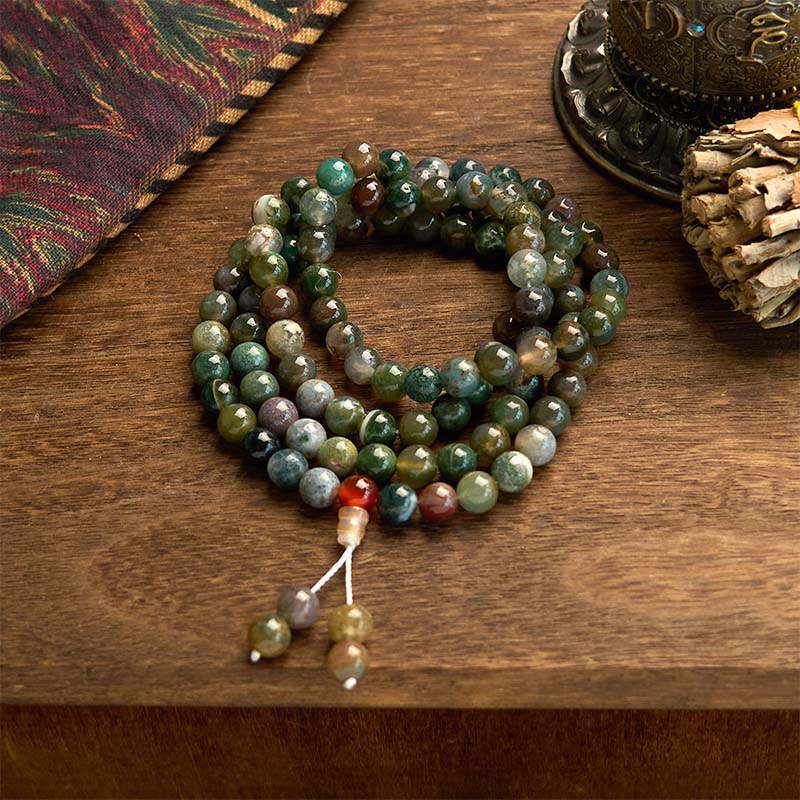
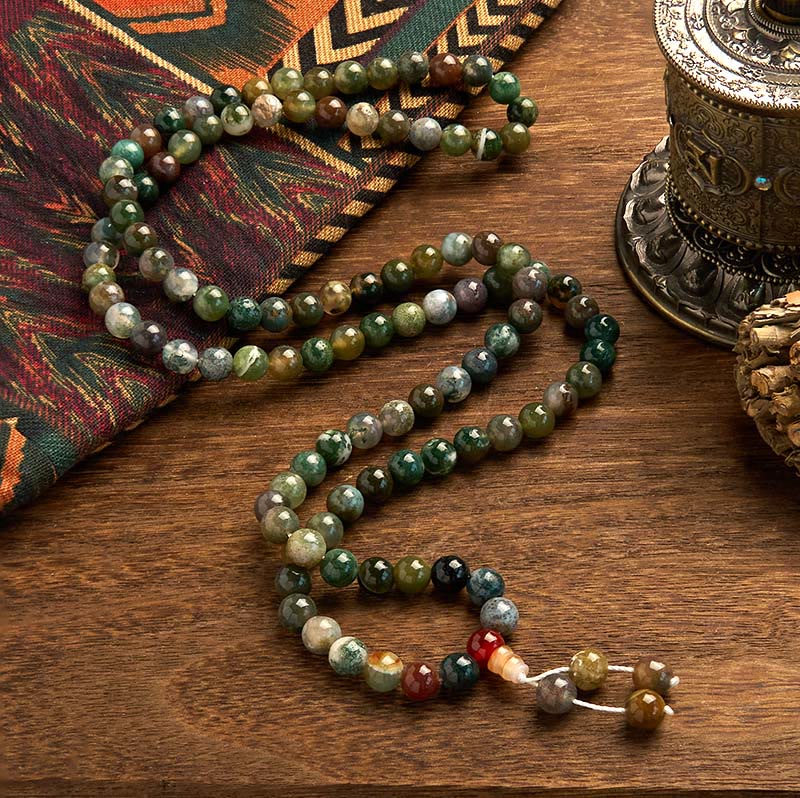
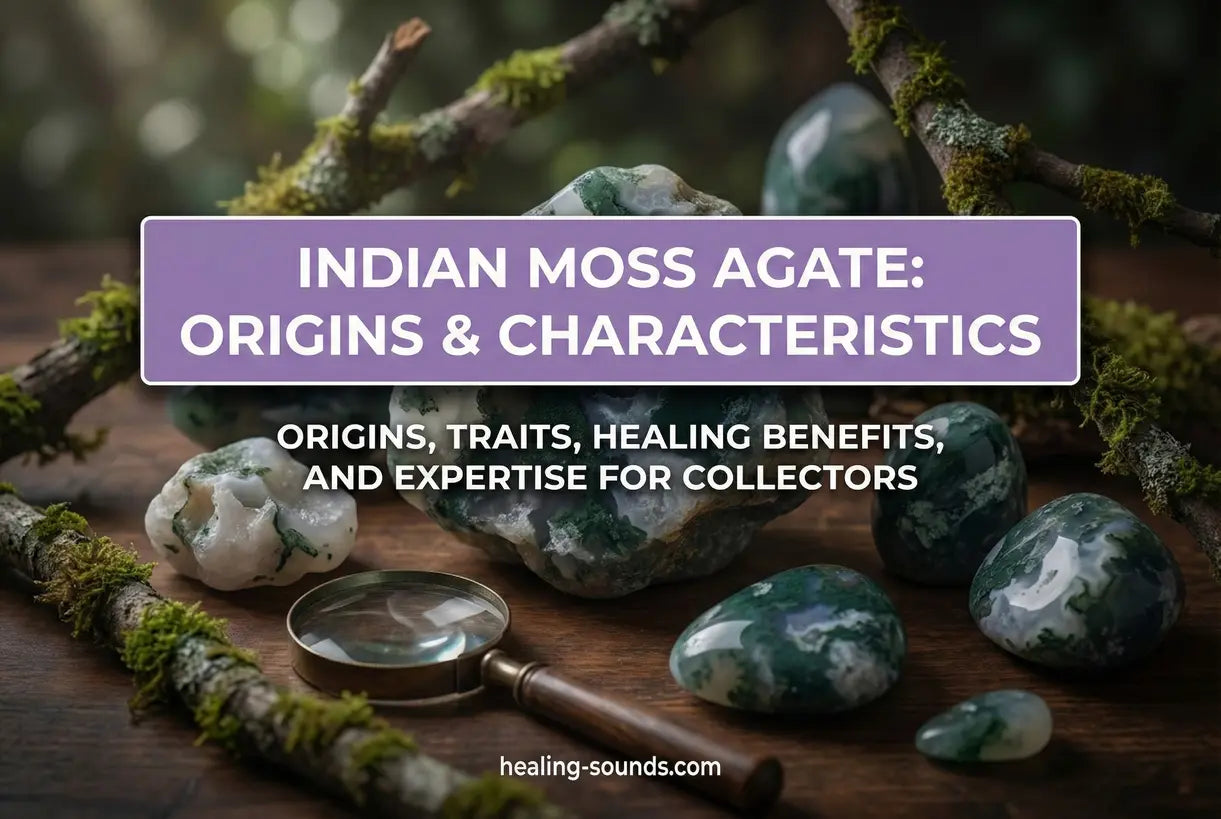
To visualize the intricate details of these stones, observe the textures in the image below. The interplay between the translucent quartz body and the opaque mineral inclusions is what defines high-quality specimens.

Identifying Characteristics and Unique Traits
When identifying Indian moss agate characteristics, look for a specific color palette. While moss agates from other regions can feature reds, browns, or yellows, the classic Indian variety is predominantly white, clear, or grey with striking green dendritic inclusions. These green patterns can range from deep forest hues to light, grassy shades.
The transparency is a key indicator of quality. A high-grade piece will have a certain depth, looking almost like a three-dimensional landscape trapped in ice. This depth distinguishes it from lower-quality opaque stones where the inclusions are less visible. Authenticity is also determined by the temperature of the stone; like all genuine quartz varieties, it should feel cool to the touch initially.

Bracelet Mala de guérison multi-tours en agate mousse de 108 perles de 8 mm
$25.90 $37.90
Experience the natural beauty and grounding energy of Indian Moss Agate with this versatile 108 bead mala bracelet.
Explore ProductIndian Moss Agate vs. Java Moss Agate
A common question among collectors concerns the difference between Indian moss agate and other regional varieties, particularly Java moss agate from Indonesia. While both are beautiful, they possess distinct aesthetic vibes.
- Indian Moss Agate: Typically features classic green "moss" floating in a clear or milky white base. The patterns are often delicate, resembling ferns or seaweed.
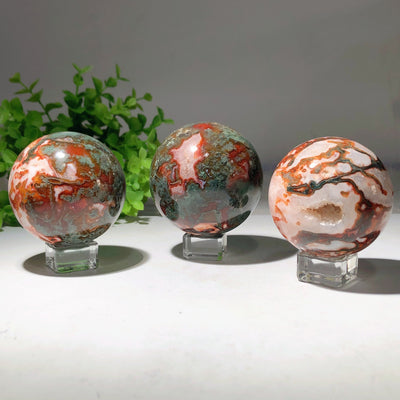
- Java Moss Agate: Often more colorful and opaque. It can display dramatic scenes with plumes of red, gold, and orange alongside the green, and the stone itself is frequently denser or less translucent.
Understanding these differences helps in selecting the right stone for your intent. If you seek pure, green-ray energy associated with nature and growth, the Indian variety is often the preferred choice. For a quick visual breakdown of these characteristics, refer to the infographic below.

Metaphysical and Healing Properties
In the realm of crystal healing, Indian moss agate properties are centered around stability, persistence, and grounding. Known as a stone of new beginnings, it is strongly linked to the Heart Chakra. It is believed to refresh the soul and enable you to see beauty in all you behold.
Practitioners use this stone to reduce sensitivity to weather and environmental pollutants. Emotionally, it is used to release fear and stress, encouraging trust and hope. It is particularly helpful for those suffering from depression or brain imbalances, as its steady, slow frequency brings a sense of calm and emotional balance. For more scientific context on the mineral composition of agates, you can visit Mindat.org.
Furthermore, it is considered a stone of abundance. By grounding the user and connecting them to the energy of the earth, it is said to attract wealth and improve self-esteem. This makes it an excellent companion for small business owners and those starting new ventures.
Working with Indian Moss Agate
Integrating this stone into your daily life can be as simple as carrying a tumbled stone in your pocket or wearing it as jewelry. Because it scores a 6.5 to 7 on the Mohs hardness scale, it is durable enough for daily wear in rings, bracelets, and pendants.
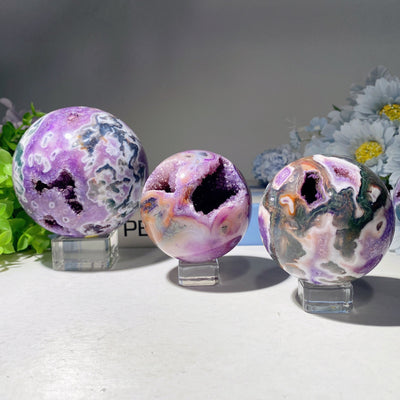
When engaging in meditation or geological exploration, setting up a dedicated space can enhance your connection to the stone. The image below captures the essence of working with these natural wonders—examining their raw beauty and preparing them for use.

Combining with Other Stones
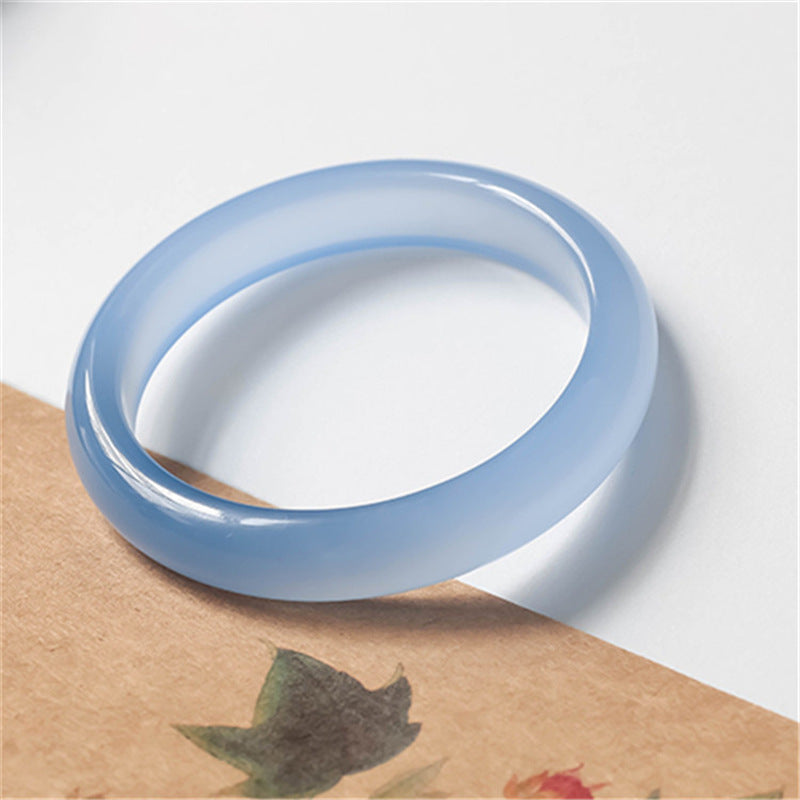
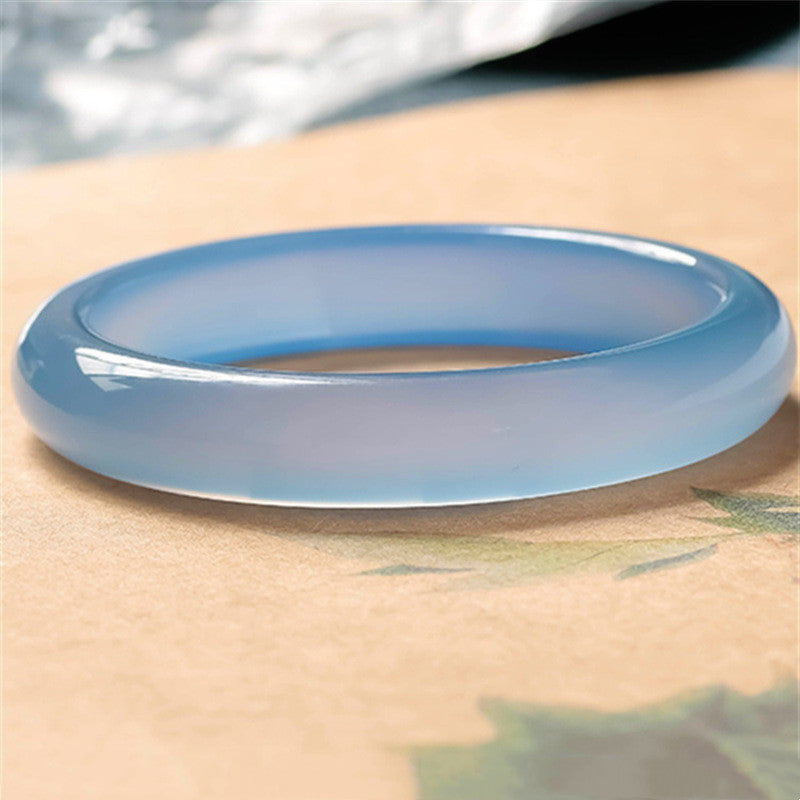
While Moss Agate is powerful on its own, it pairs beautifully with other members of the Chalcedony family. Blue Chalcedony, for instance, adds a layer of serene communication to the grounding growth of Moss Agate. Together, they create a balanced flow of energy between the heart and throat chakras.
Complementary Chalcedony Jewelry

Bracelet Équilibre Émotionnel en Calcédoine Bleue 54 mm
$99.90
$142.90
Embrace the chalcedony family’s calming essence—discover how blue stones compare with moss agate’s properties. Learn more ➔

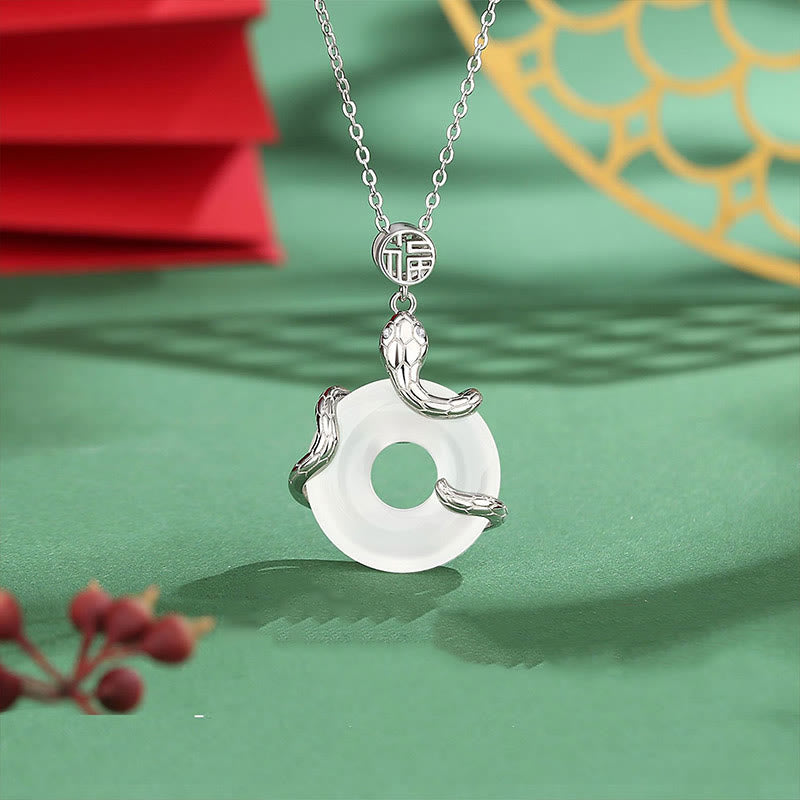
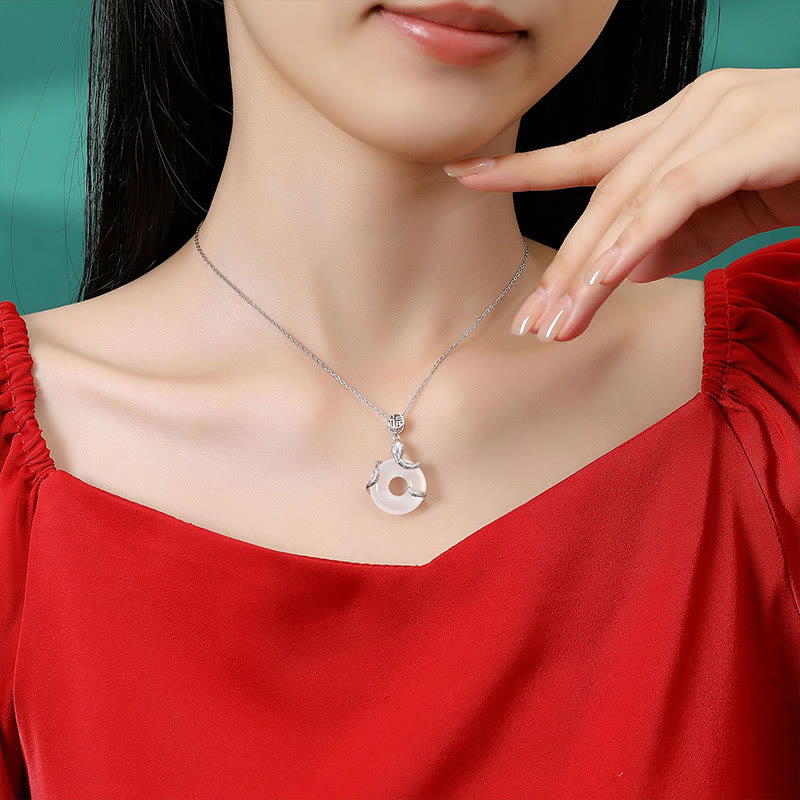
Explore agate’s spiritual lineage with this chalcedony peace buckle necklace symbolizing harmony and fortune. Learn more ➔
Conclusion
Indian Moss Agate offers a unique bridge between the physical and spiritual worlds. Its origins in the volcanic earth of India imbue it with a deep, stabilizing history, while its lush, green characteristics remind us of nature's persistence and beauty. Whether you wear it for emotional balance, use it to attract abundance, or simply admire its geological complexity, this stone is a timeless addition to any collection.
By understanding the nuances of its origin and properties, you ensure that every piece you choose resonates with authenticity and purpose. Embrace the grounding energy of the earth and let your spirit flourish.
Frequently Asked Questions about Indian Moss Agate
Indian Moss Agate is primarily known as the "Gardener's Stone" and is celebrated for its connection to nature, agriculture, and new beginnings. It is prized for its ability to foster emotional balance, stability, and abundance.
Unlike most agates which feature concentric banding, Indian Moss Agate is characterized by dendritic (fern-like) inclusions of green minerals like chlorite or hornblende suspended in milky or clear chalcedony. It lacks the striping seen in traditional banded agates.
Spiritually, it is used to balance the Heart Chakra, ground the soul, and release fear or stress. It is believed to improve self-esteem, strengthen positive personality traits, and help the wearer see beauty in their surroundings.
As the name implies, it is sourced primarily from India. It is typically found in the weathered volcanic rocks and riverbeds of the Deccan Traps region, where the specific mineral conditions allow for the formation of its unique green inclusions.
Genuine Indian Moss Agate will have inclusions that appear deep inside the stone, creating a 3D effect, rather than painted on the surface. Being a form of quartz (chalcedony), it should also feel cool to the touch and have a hardness of about 6.5-7 on the Mohs scale.