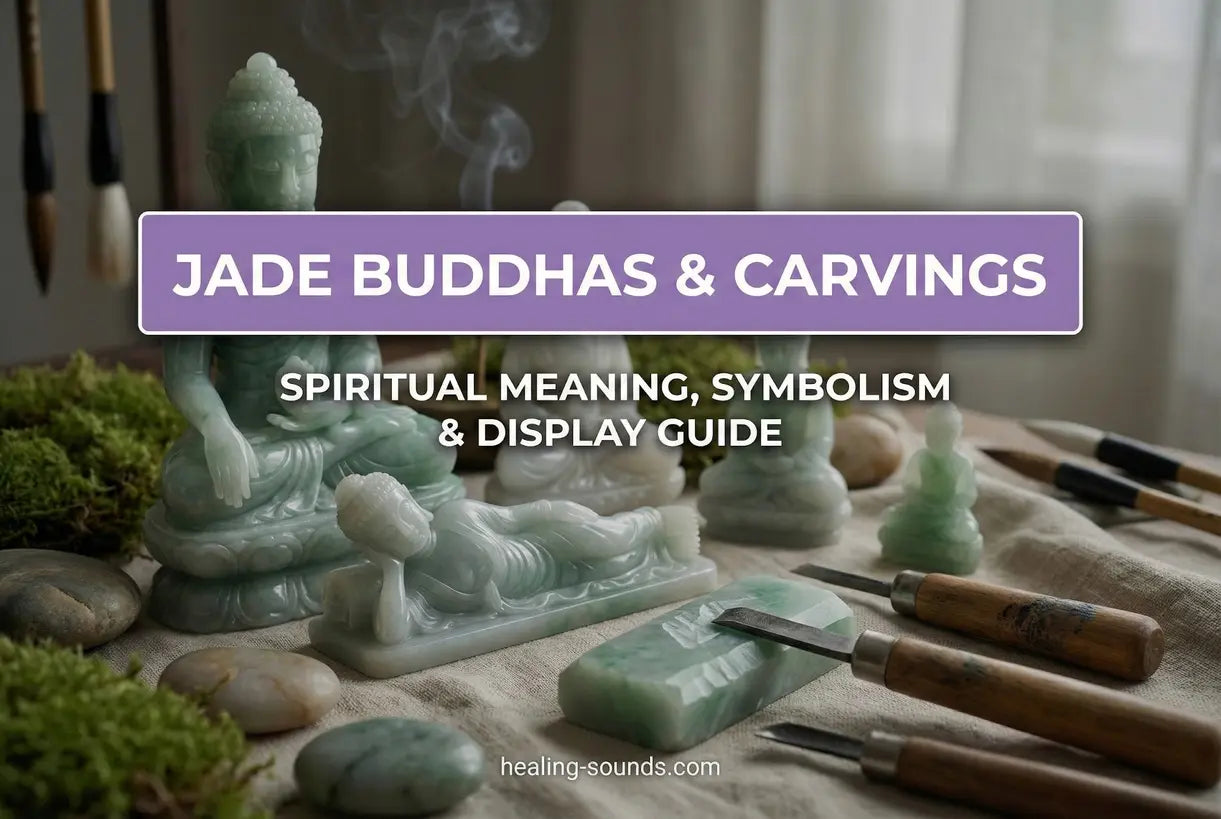
For centuries, the jade buddha has stood as a profound symbol of serenity, spiritual healing, and divine protection. Whether you are an avid crystal collector drawn to the intricate details of a jade sculpture or a spiritual seeker looking to anchor peace in your home, these sacred artifacts bridge the gap between earthly beauty and higher consciousness. Beyond their aesthetic appeal, the union of the "Stone of Heaven" (jade) and the Enlightened One creates a powerful talisman for prosperity and balance.
Navigating the world of jade art can be complex, from distinguishing a real jade buddha from imitation to understanding the specific meanings behind different poses. In this guide, we will explore the rich history of jade carving, the spiritual significance of these statues, and how to care for them to maximize their energetic benefits.
The Meaning & Symbolism of the Jade Buddha
The jade buddha meaning is deeply rooted in the synergy between the material and the deity. Jade, revered in Eastern cultures for thousands of years, represents purity, moral integrity, and longevity. When carved into the image of the Buddha, these properties are amplified, creating a vessel for compassion and enlightenment.
Owning a jade buddha statue is believed to bring harmony to the household and shield the owner from negative energies. Different colors of jade can also influence the specific intent; green jade is traditionally associated with healing and abundance, while white jade symbolizes absolute purity and clarity of mind.

The Art of Jade Carving: History and Craftsmanship
The tradition of jade carving is an ancient discipline that requires immense skill and patience. Unlike softer stones, jade is incredibly durable and tough, meaning it cannot be carved in the traditional sense but must be abraded using harder substances like diamond dust or quartz sand. This laborious process imbues every jade sculpture with a sense of dedication and mindfulness, mirroring the Buddhist path of persistence and discipline.
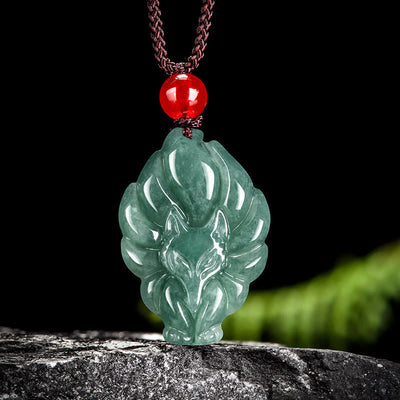
Artisans often spend weeks or even months on a single piece, ensuring that the spiritual essence of the stone is preserved. A high-quality jade carving will exhibit a smooth, lustrous polish and fluid lines that seem to make the stone glow from within. While the Buddha is a central subject, this artistry extends to other auspicious symbols meant to bring luck and protection.


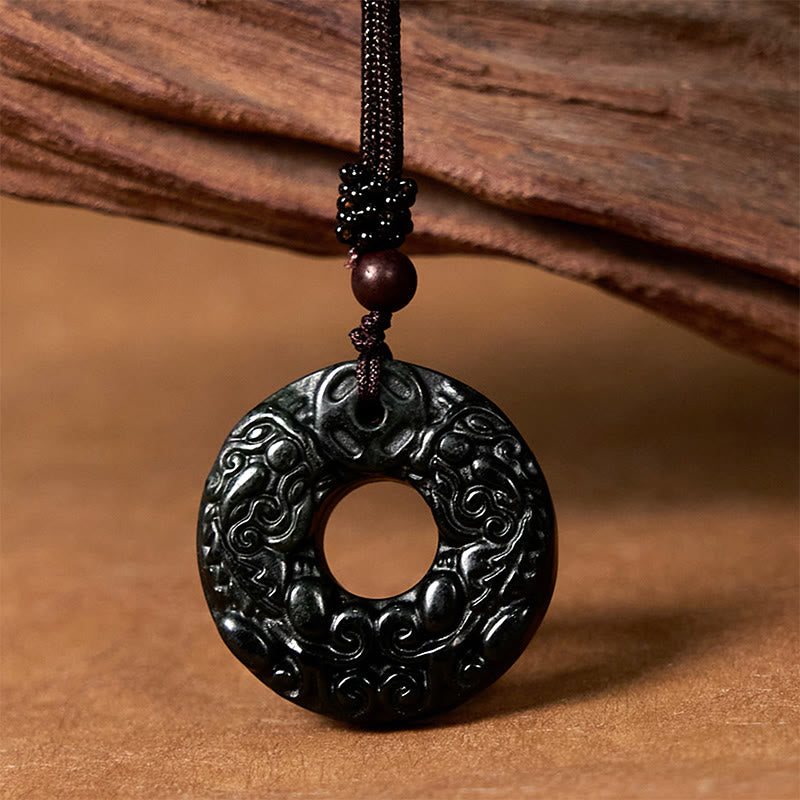
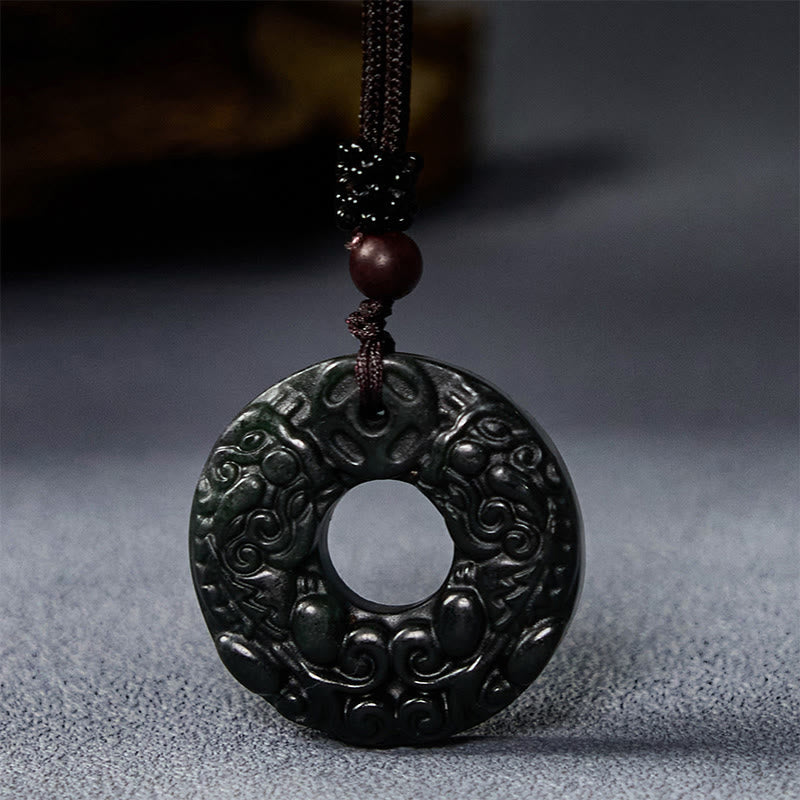
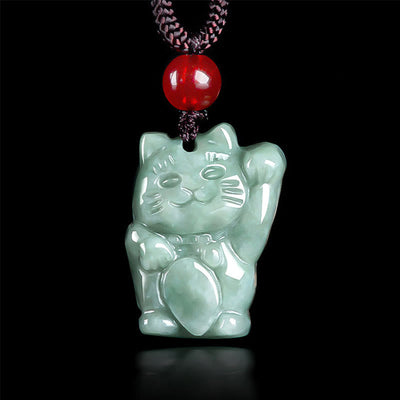
Collier pendentif porte-bonheur en jade vert à neuf queues
$46.90 $67.90
Bring ancient wisdom and protection into your space with this green jade carving, symbolizing luck and prosperity.
Explore ProductHow to Tell if a Jade Buddha is Real
With the popularity of jade buddha jewelry and statues, the market is unfortunately flooded with imitations made of glass, plastic, or dyed quartz. Knowing how to identify a real jade buddha is essential for any collector. Authentic jade is cool to the touch and warms up slowly when held, unlike plastic which warms instantly.
- The Scratch Test: Real jade is harder than steel. It should not scratch easily with a metal object (though proceed with caution).
- The Sound Test: When gently tapped, real jade produces a high-pitched, bell-like resonance, whereas plastic or glass sounds dull.
- Inclusions: Natural jade often has slight imperfections or fibrous structures visible within, whereas glass bubbles indicate a fake.
For high-value items, seeking certification from a reputable organization like the Gemological Institute of America (GIA) is the most reliable method of verification.
Placement & Care: Where to Put Jade Buddha?
According to Feng Shui principles, the placement of your jade buddha statue significantly impacts its ability to radiate positive energy. The statue should be treated with the utmost respect and never placed on the floor, in a bathroom, or in a kitchen. Ideally, it should be elevated on a shelf or altar, at least 30 inches off the ground.
A popular question is, "Where to put jade Buddha for prosperity?" The best location is facing the main entrance of your home, allowing the Buddha to greet energetic flow (Chi) entering your space and neutralize any negativity. If you have a jade buddha necklace or other wearable carvings, keep them clean by wiping them with a soft cloth and occasionally recharging them under moonlight.

Beyond the Statue: Jade Jewelry and Figurines
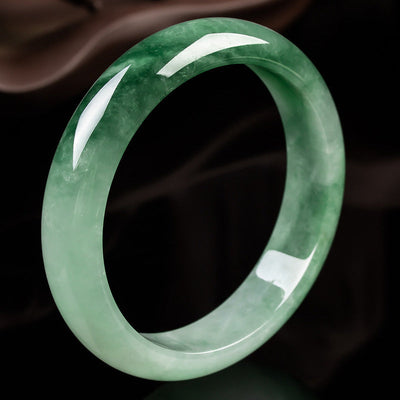
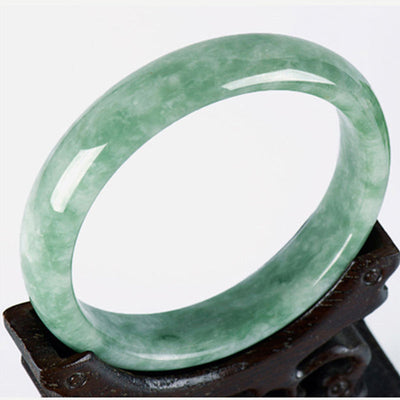
While large statues are magnificent for the home, many people choose to carry the energy of the Buddha with them. A jade buddha necklace or small figurine allows you to maintain a connection to mindfulness throughout the day. These pieces often serve as personal amulets, reminding the wearer to breathe and remain centered during stressful moments.
Whether you choose a traditional green jade buddha or explore other variations like yellow or black jade, the key is to select a piece that resonates with your personal intention. Explore our curated selection of jade artifacts designed to bring protection and calm to your daily life.
Sacred Jade for Protection & Altars

Experience the powerful protective energy of traditional jade with this hand-carved necklace—perfect for mindful wear or display. Learn more ➔

Discover the radiance of jade sculpture with this hand-carved figurine, ideal for altars, meditation, or gifting spiritual energy. Learn more ➔
Conclusion
Incorporating a jade buddha into your life is more than a decorative choice; it is an invitation for peace, luck, and spiritual grounding. Whether displayed on a home altar or worn close to the heart as a jade buddha necklace, these timeless carvings serve as daily reminders of inner strength and compassion. By understanding the history and care behind these pieces, you honor the craftsmanship and the ancient wisdom they represent.
Frequently Asked Questions about Jade Buddhas
The jade Buddha symbolizes peace, protection, longevity, and good luck. The combination of jade (representing purity and moral integrity) and the Buddha image creates a powerful spiritual talisman for harmony and enlightenment.
Real jade feels cold to the touch and heavy for its size. You can also look for natural inclusions or fibers within the stone; bubbles usually indicate glass. A scratch test (real jade is harder than steel) can also be used, but must be done carefully.
Ideally, place your jade Buddha on an elevated shelf or altar facing the main entrance of your home to welcome positive energy. Avoid placing it on the floor, in the bathroom, or in the kitchen.
Not always. The term "Buddha stone" can sometimes refer to jade, but it is also used for other green stones like aventurine, serpentine, or even dyed glass. It is important to verify the specific mineral type before purchasing.
In Buddhism, the painstaking process of carving jade represents the spiritual journey of self-cultivation and discipline. The durability of jade symbolizes the eternal nature of the Dharma (teachings) and the indestructibility of the enlightened mind.