When most people think of aventurine, they visualize the lush, shimmering green stone that has become a staple in crystal collections worldwide. However, the world of aventurine colors extends far beyond the classic verdant hue. For the discerning collector and spiritual seeker, raspberry aventurine represents a unique and captivating find. This guide dives deep into the rare spectrum of this sparkling gemstone, exploring its unique properties, identification, and the mystical allure of its less common varieties.
Whether you are looking to expand your healing toolkit or simply admire the geological diversity of quartz-based minerals, understanding the different types of aventurine opens a new door to energy work. From the creative vibration of raspberry tones to the calming depths of teal aventurine, these rare specimens offer distinct metaphysical benefits that complement the abundance energy of the traditional green stone.
What is Raspberry Aventurine?
Raspberry aventurine is a distinct and less common variety of the aventurine family. Unlike the green variety, which owes its color to fuchsite inclusions, raspberry aventurine typically derives its rich, reddish-pink to purplish hue from inclusions of lepidolite, hematite, or goethite. These mineral inclusions not only create its signature berry-like color but also contribute to the stone's characteristic glimmer, known as aventurescence.
Geologically, this stone is a form of quartzite. The specific conditions required to form this color palette make it significantly rarer than its green or orange counterparts. For collectors, finding a high-quality piece of raspberry aventurine is often a highlight, as it combines the durability of quartz with a soft, sophisticated aesthetic that stands out in any display.

Metaphysical Properties of Raspberry Aventurine
In the realm of crystal healing, raspberry aventurine metaphysical properties are closely tied to the higher heart and sacral chakras. While green aventurine is the "Stone of Opportunity," the raspberry variety is often viewed as a stone of inspired creativity and emotional resilience. Its energy is believed to be more active and stimulating than the calming blue or green types.
Key Healing Benefits
- Ignites Creativity: Helps overcome artist's block and stimulates the imagination.
- Emotional Balance: Encourages moving past old grievances and embracing the present moment.
- Vitality: Associated with boosting energy levels and motivation, similar to the effects of ruby or garnet but with a gentler quartz vibration.
Practitioners often use raspberry aventurine in grids dedicated to manifesting passion projects or revitalizing relationships. It is thought to merge the grounding energy of the earth with the uplifting vibration of the heart, creating a balanced state of joyful productivity.
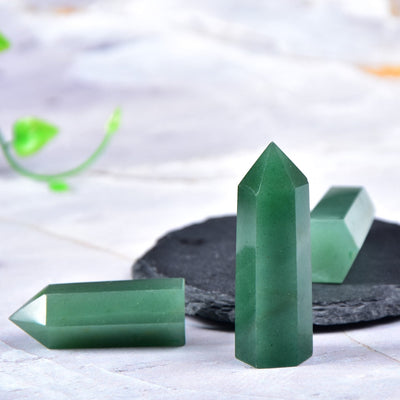
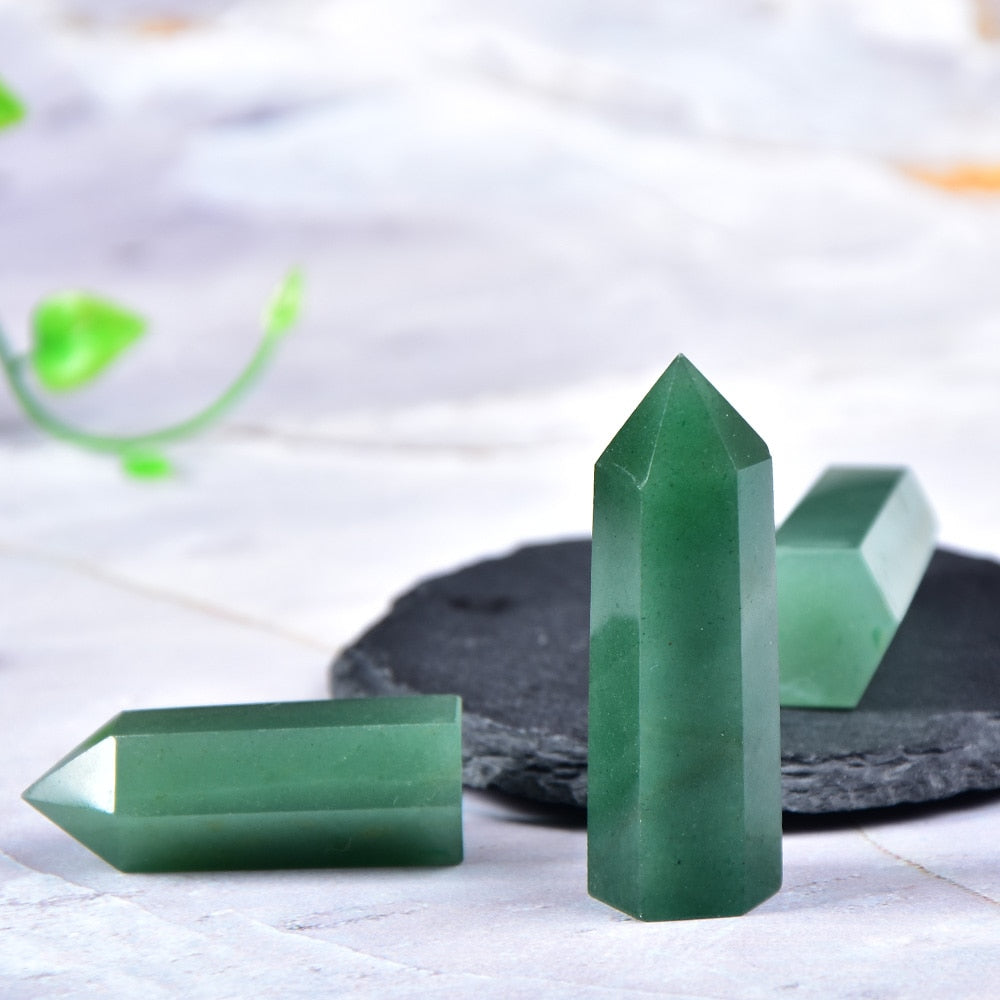
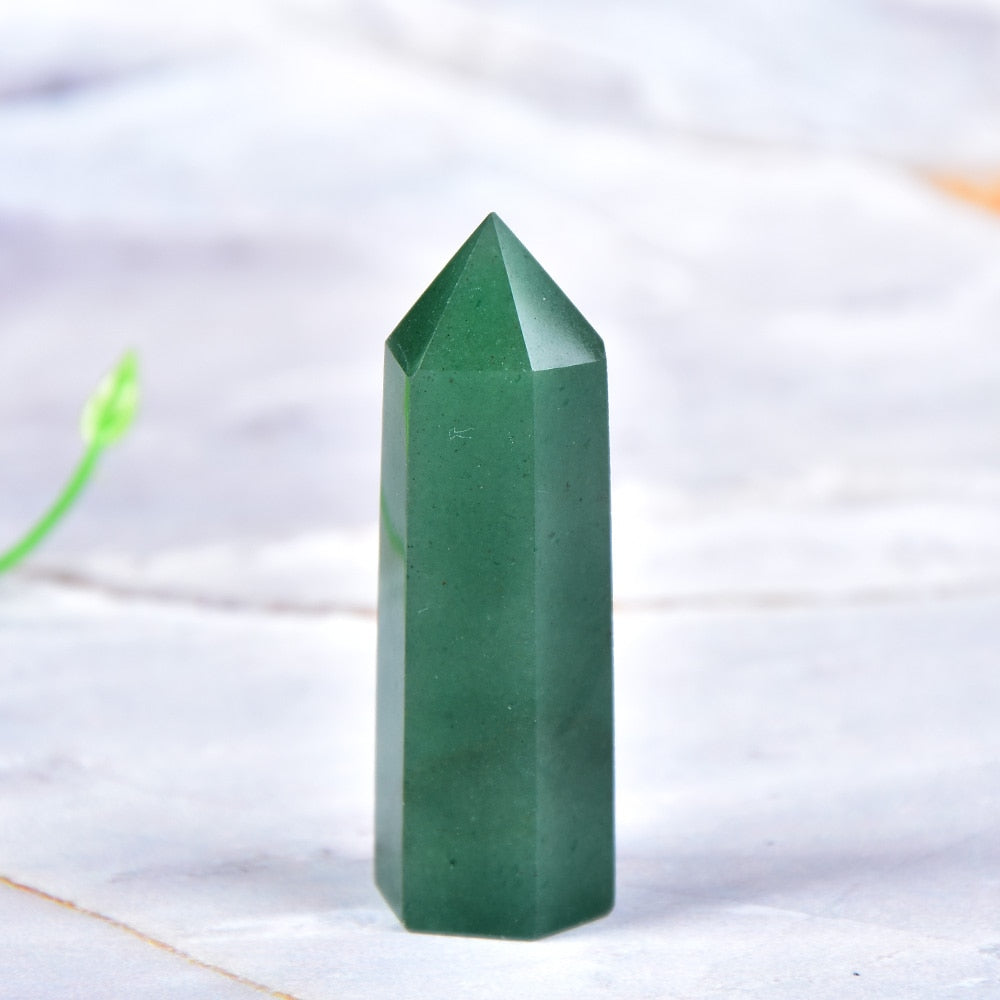
Tour de cristal d'aventurine verte - Méditation et équilibre
$29.99 $39.99
Deepen your knowledge of aventurine with this striking green aventurine crystal tower—ideal for meditation and crystal collections.
Explore ProductExploring Other Rare Aventurine Colors
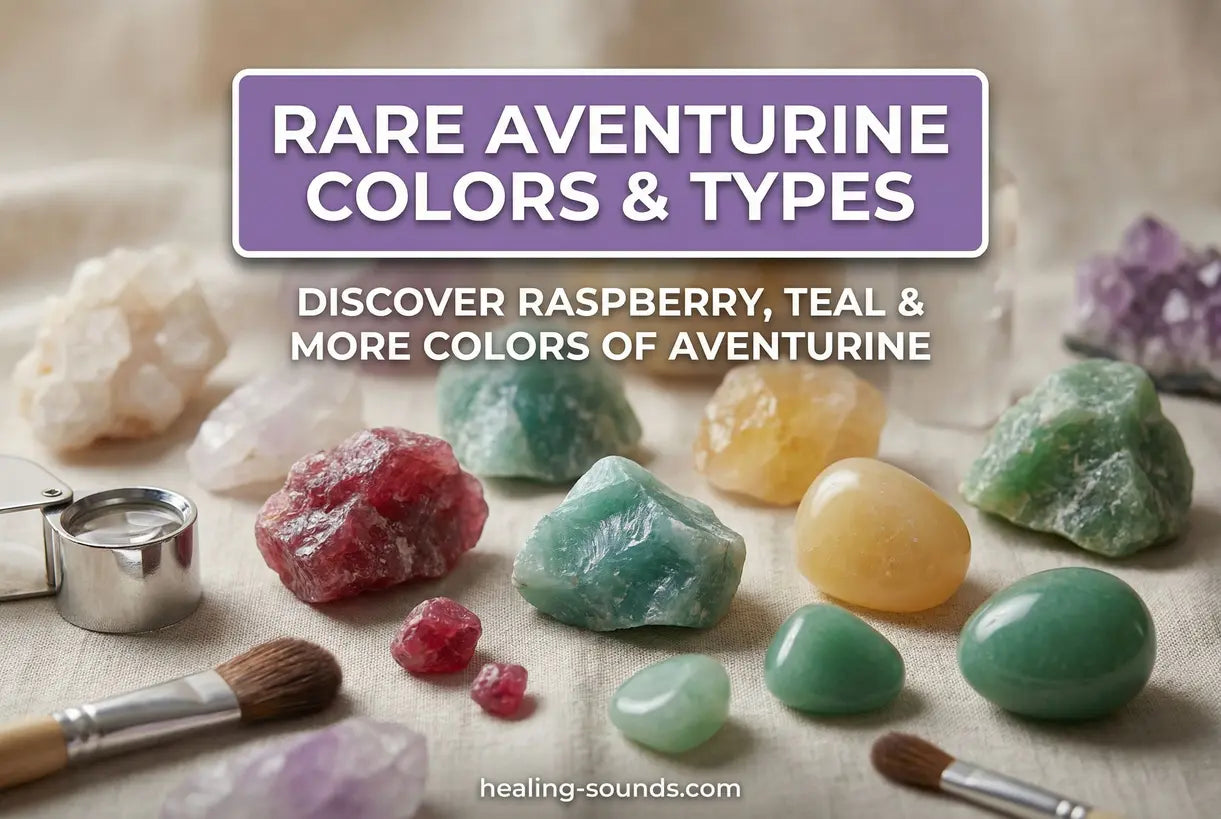
While raspberry aventurine is a stunning rarity, it is not the only unique member of this mineral family. Collectors often seek out a full spectrum of rare aventurine types to complete their energetic toolkit.
Teal Aventurine
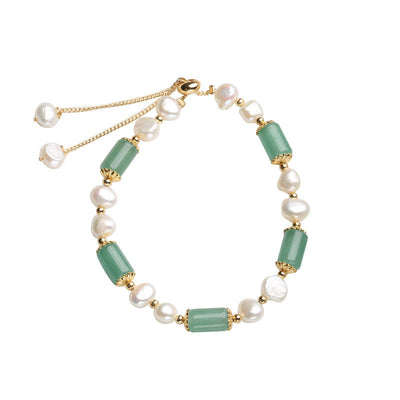
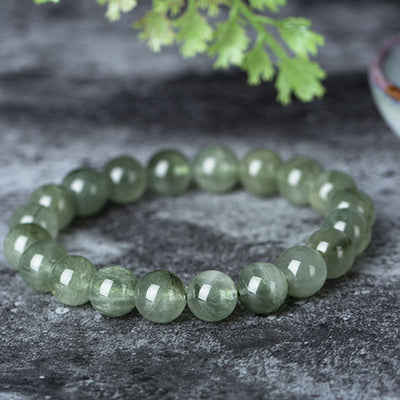
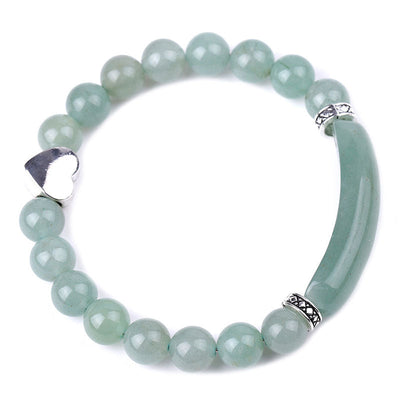
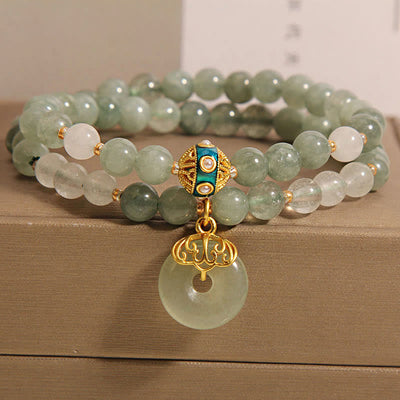
Often confused with Amazonite or dyed quartz, genuine teal aventurine is a natural marvel. Its blue-green coloration is distinct and soothing. When discussing teal aventurine healing, it is often associated with the throat chakra, facilitating truthful communication combined with heart-centered compassion. It bridges the gap between thought and feeling, making it an excellent stone for mediators and counselors.
Blue Aventurine
Deep blue aventurine owes its color to inclusions of dumortierite. It is a powerful stone for self-discipline and inner strength. Unlike the vibrant raspberry type, blue aventurine is introspective, helping to calm a hyperactive mind and enhance mental focus.
Is It Natural or Dyed?
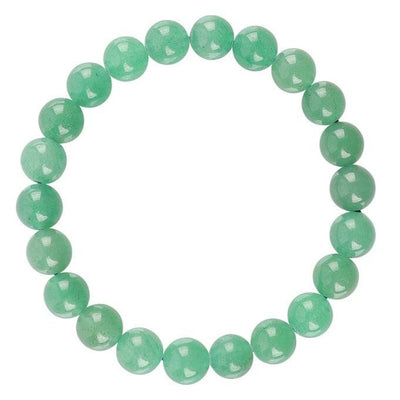
A common concern when shopping for different types of aventurine is authenticity. With colors as vivid as raspberry or teal, skepticism is healthy. Natural aventurine will almost always exhibit aventurescence—a glittering effect caused by light reflecting off tiny mineral platelets inside the stone. If a stone is uniformly colored without this sparkle, or if the color concentrates in cracks, it may be dyed quartzite rather than natural aventurine.

Identification and Collector Value
Identifying rare aventurine requires a keen eye. The presence of mica inclusions (fuchsite, lepidolite) is the tell-tale sign. For raspberry aventurine, look for a dusty rose to deep reddish-purple sparkle. This stone is generally more opaque than rose quartz and possesses the signature glitter that rose quartz lacks.
In terms of value, rare colors like raspberry, uniform teal, and vibrant orange (often called "peach aventurine" but more sparkly) command higher prices than standard green or gray varieties. For the dedicated collector, the origin also matters; specific mines in Brazil, India, and Russia produce different color variations dependent on the local geology.
To learn more about the mineralogical composition of aventurine and its quartz base, reputable sources like Mindat.org provide excellent scientific data on inclusions and hardness.
Expand Your Crystal Collection
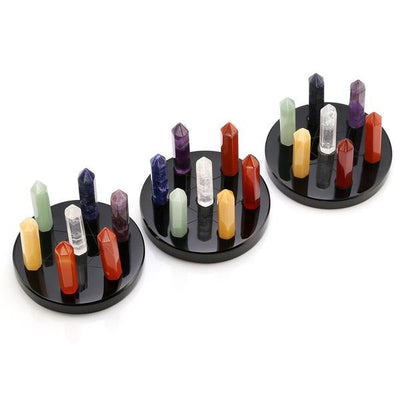
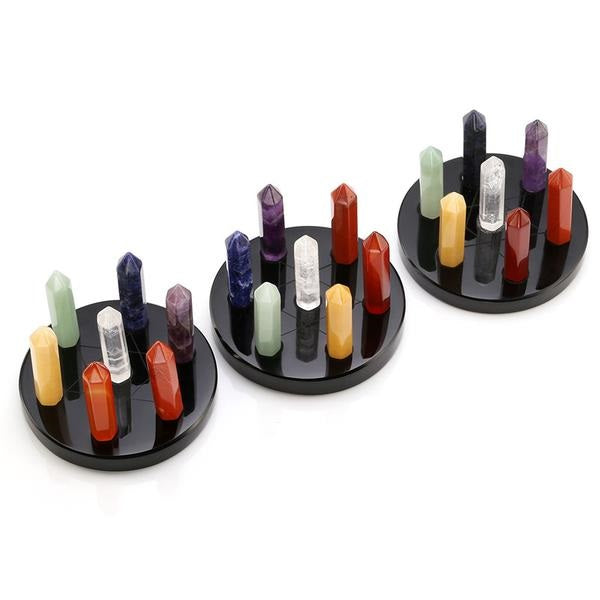
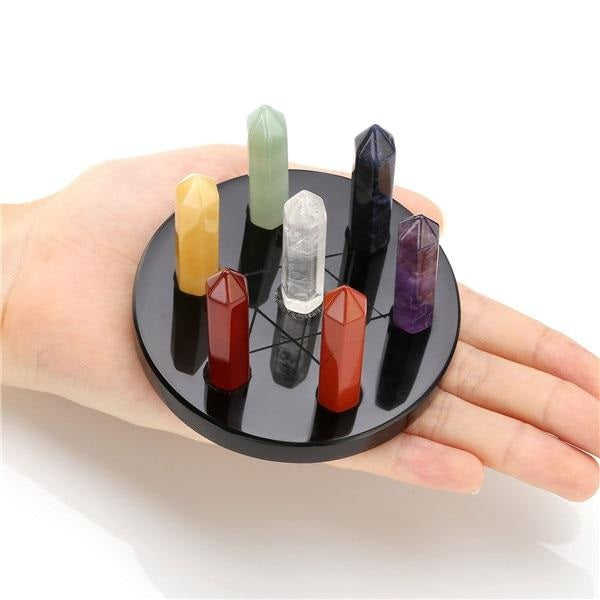
Experience the rare spectrum of aventurine with this chakra wand, featuring multiple colors and excellent for energy healing rituals. Learn more ➔

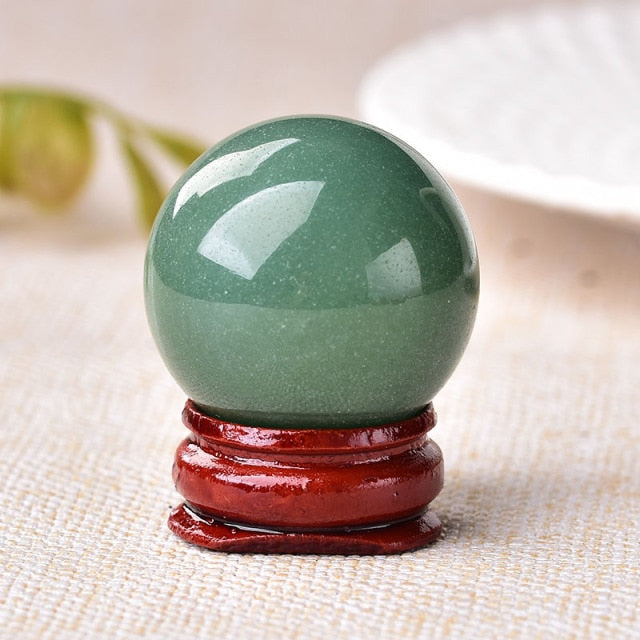
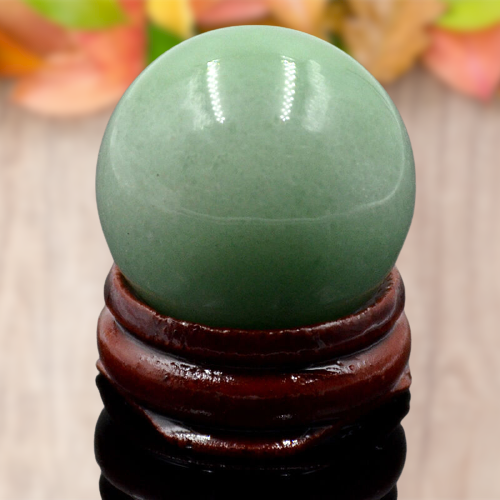
Boule de cristal d'aventurine - Fortune et harmonie
$29.99
$39.99
Explore the unique appeal of aventurine with this collector-quality crystal ball, perfect for scrying and home harmony. Learn more ➔
Integrating Rare Aventurine into Your Life
Working with raspberry aventurine and other rare types can be a delightful experience. Because of their unique vibrations, they are excellent for specific intentions where general green aventurine might feel too broad. Use raspberry aventurine during meditation when you need to spark joy or passion. Place it on your work desk to invite creative solutions to complex problems.
For those interested in aventurine identification and study, keeping a variety of colors allows for direct comparison. Examining the texture and shimmer of a raspberry specimen alongside a teal or blue one reveals the fascinating diversity of nature's artistry. These stones remind us that abundance comes in many forms—not just financial wealth (green), but also emotional richness (raspberry) and peaceful expression (teal).

Conclusion
Exploring the world of rare aventurine colors reveals a spectrum of healing possibilities often overlooked in favor of the common green variety. Raspberry aventurine, with its unique sparkle and heart-centered creative energy, is a gem worth hunting for. Whether you are drawn to the soothing properties of teal aventurine or the vibrant zest of raspberry types, expanding your collection to include these unique stones enriches both your spiritual practice and your appreciation for the natural world.
Frequently Asked Questions about Rare Aventurine Types
While green is the most common, aventurine occurs in several colors including raspberry (pink/red), blue, teal, orange (peach), yellow, grey, and brown. The color depends on the specific mineral inclusions within the quartz, such as fuchsite for green or hematite for red/raspberry.
Raspberry aventurine is primarily used for stimulating creativity, boosting vitality, and balancing emotions. It resonates with the higher heart and sacral chakras, helping to merge passion with compassion and inspiring a joyful approach to life.
Genuine teal aventurine exists, but it is rare. It is often confused with Amazonite or dyed quartz. Natural teal aventurine should show characteristic aventurescence (sparkle). If the color is extremely uniform, unnatural, or concentrates in cracks, it may be dyed.
Green and orange aventurine are abundant and affordable. Blue and yellow varieties are less common. Raspberry and teal aventurine are considered quite rare, especially in high-quality specimens with good clarity and shimmer, making them more sought after by collectors.
Each rare color carries unique properties: Blue aids in self-discipline and mental focus; Teal facilitates truthful communication and emotional healing; Raspberry enhances creativity and vitality; Yellow promotes optimism and self-worth.