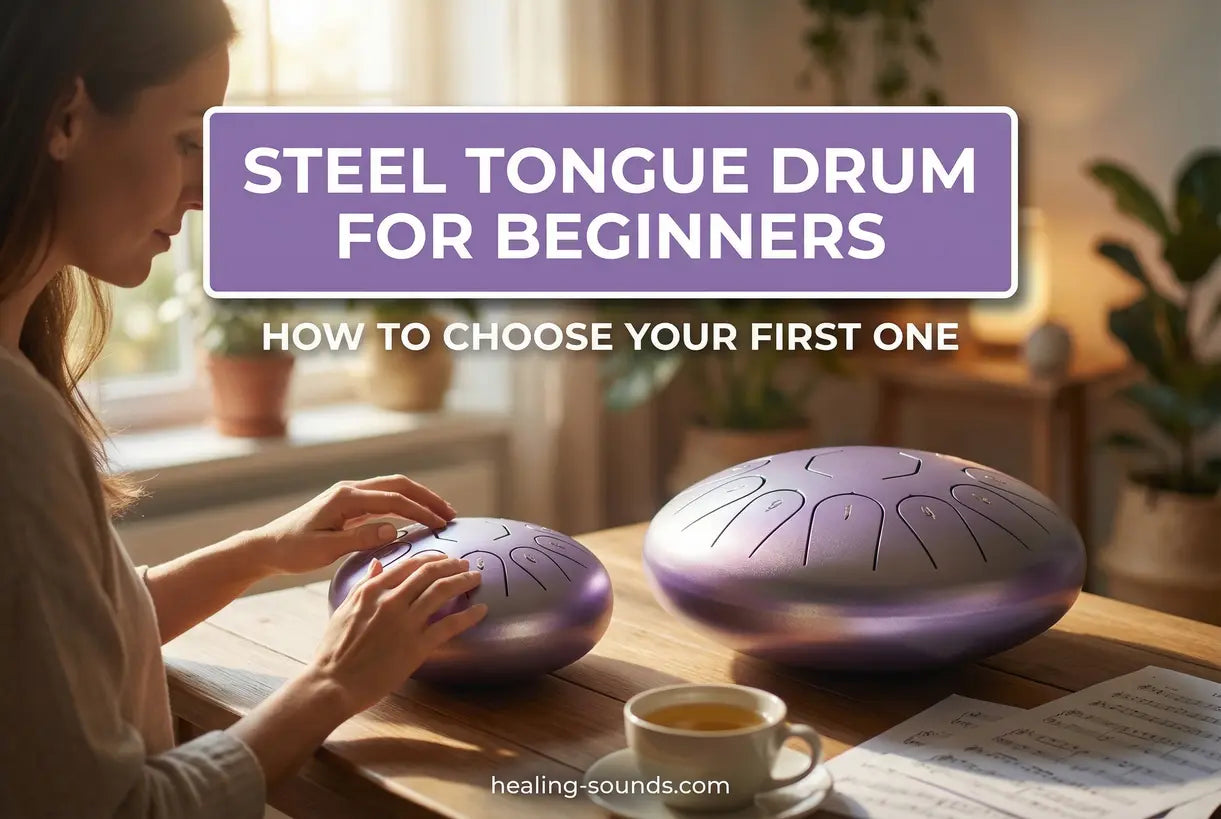
Standing before a sea of shimmering steel instruments, you might feel overwhelmed by the choice ahead. If you've discovered the enchanting resonance of tongue drums and are ready to make your first tongue drum purchase, you're likely asking yourself: Where do I even begin?
This comprehensive buying guide is designed specifically for newcomers entering the world of sound healing and melodic meditation. Whether you're drawn to the steel tongue drum for beginners category for personal relaxation, spiritual practice, or creative expression, understanding what separates a worthwhile investment from a disappointing purchase can save you both money and frustration. By the end of this article, you'll know exactly how to evaluate quality, select the right scale, and choose the perfect size for your unique needs.
While we'll arm you with all the knowledge necessary to make an informed decision, achieving the most resonant and therapeutic experience requires access to instruments engineered for purity of tone and durability from day one.
Why Steel Tongue Drums Are Perfect for Beginners
Unlike traditional instruments that require months of daily practice before producing pleasant sounds, tongue drums offer an immediate gateway into musical expression. Their intuitive pentatonic tuning systems ensure that no matter which notes you strike, the resulting sound remains harmonious and pleasing to the ear.
The absence of complex fingerings, embouchure techniques, or music theory requirements makes these instruments incredibly accessible. You simply hold the mallets, tap the tongues, and let resonant vibrations fill your space. This instant gratification factor makes them ideal for entry level tongue drum enthusiasts who want to experience the therapeutic benefits of sound without the steep learning curve.

How Much Should You Spend on Your First Tongue Drum?
Price is often the first consideration when evaluating any musical instrument, and tongue drums span a surprisingly wide range. Understanding what each price tier offers helps set realistic expectations for your initial investment.
Entry-Level Instruments ($60-$120)
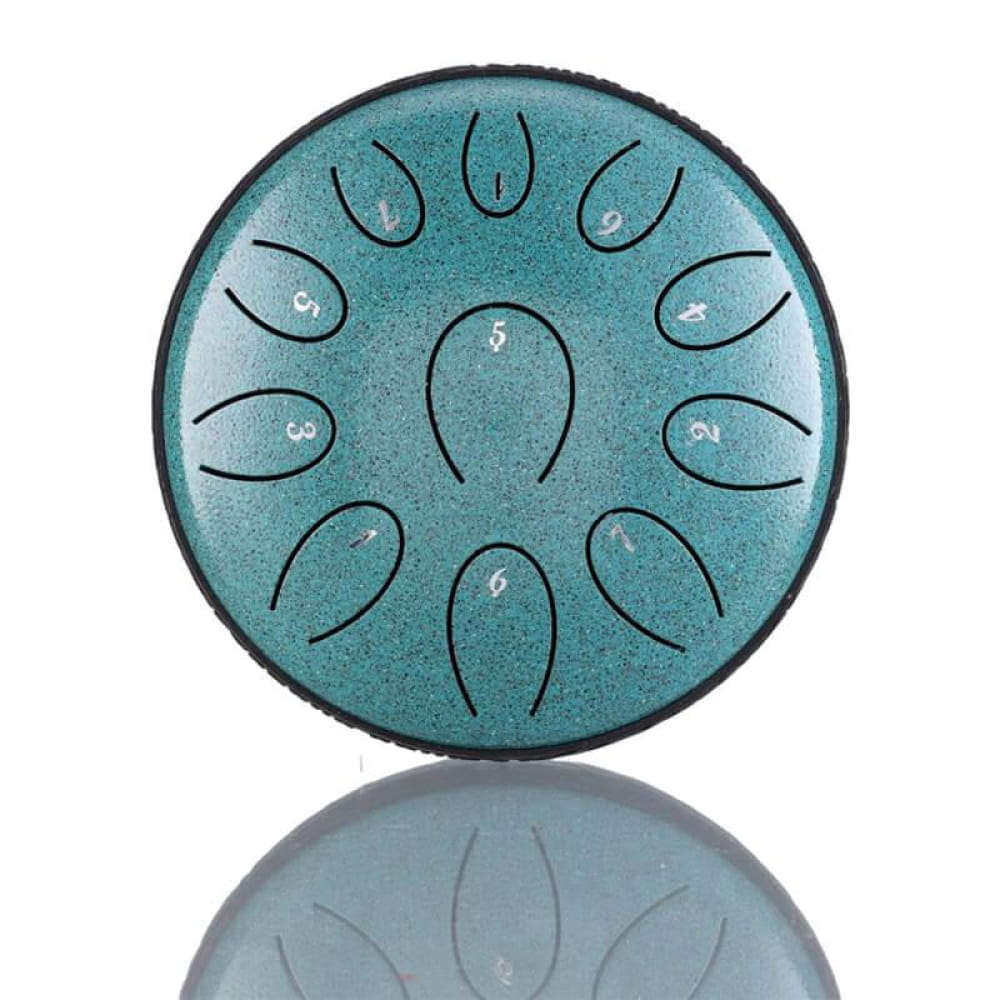
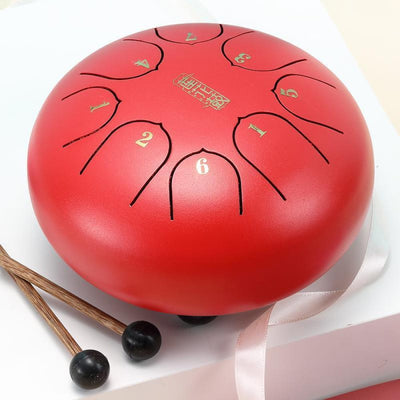
These smaller drums, typically featuring 8-11 notes, provide an excellent low-risk entry point. While they may not offer the same sustain or richness as premium options, they allow you to explore the instrument's potential without significant financial commitment. The 6" Carbon Steel Tongue Drum, 11 Notes in C/D Major exemplifies this category perfectly.
Mid-Range Drums ($150-$250)
This sweet spot offers substantial improvements in build quality, tuning stability, and acoustic projection. Instruments in this range typically feature 13-15 notes and larger diameters producing fuller resonance. For beginners confident in their commitment to regular practice, this investment delivers superior long-term value.
Premium Options ($280-$400+)
Professional-grade instruments feature aircraft-grade steel alloys, precision CNC machining, and extended sustain characteristics. These drums represent lifetime investments that grow with your skill level and rarely require replacement.
What Size Tongue Drum Should Beginners Choose?
Size directly impacts both portability and acoustic properties. Your lifestyle and intended use should guide this decision.

6-8 Inch Models: Ultra-Portable Exploration
Compact drums slip easily into backpacks and offer truly spontaneous musical moments anywhere. However, their abbreviated resonance limits meditation and ambient soundscapes. Best suited for travelers or those testing initial interest.
10-13 Inch Models: The Versatile Standard
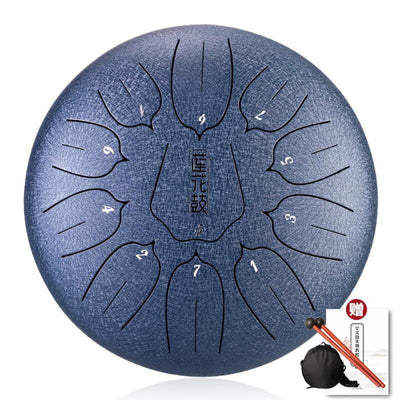
This range represents the most popular choice for beginner steel tongue drum buyers. The expanded surface area generates sustained overtones ideal for sound healing sessions, while remaining manageable for transport. Most intermediate and some advanced techniques work beautifully on these sizes.
14+ Inch Models: Maximum Resonance
These professional instruments produce cathedral-like sustain and complex harmonic layering. Their weight and footprint make them less portable but transformative for dedicated sound healing practitioners or serious hobbyists.
What Scale Is Best for Beginners on a Tongue Drum?
The scale determines which notes your drum produces and fundamentally shapes the emotional character of your music. Certain scales prove significantly more forgiving for newcomers.
C Major: The Universal Starting Point
C Major scales offer the most intuitive introduction to tongue drumming. Containing no sharps or flats, this diatonic scale creates bright, uplifting tones immediately recognizable to Western ears. Songs in C Major are exceptionally easy to translate onto these drums, making them ideal when seeking the tongue drum for beginners that offers maximum versatility.
D Major: The Meditative Alternative
Slightly darker and more introspective than C Major, D Major scales excel in relaxation and spiritual contexts. Many practitioners find D Major naturally supports mindfulness practices and emotional processing.
Hijaz/Celtic Minor: Exotic Depth
These minor-sounding scales evoke Middle Eastern or Celtic atmospheres. While slightly more challenging initially, they reward patient beginners with uniquely captivating sonic palettes perfect for storytelling through sound.

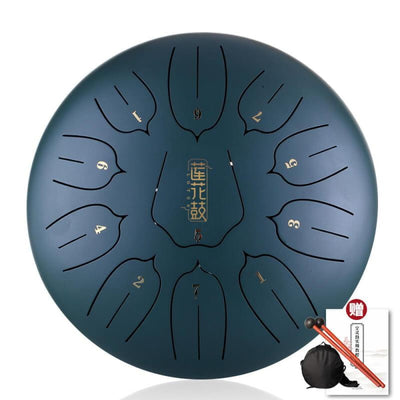
Tambour à langue en acier au carbone de 6 pouces, 11 notes en do/ré majeur
$79.99 $99.99
Perfect entry-level option with 11 notes in C/D Major. Compact 6-inch size at just $79.99 makes it ideal for beginners testing the waters.
Explore ProductIs a Steel Tongue Drum Hard to Learn?

One of tongue drumming's most appealing characteristics is its remarkably gentle learning curve. Unlike instruments requiring years to sound proficient, beginners typically produce genuinely beautiful music within their first hour.
The secret lies in the instrument's construction. Each tongue is precision-tuned to specific frequencies that harmonize mathematically with every other tongue. This means random strikes—what might sound dissonant on a piano—create pleasing chord clusters and melodic phrases on your tongue drum.
Within a few sessions, most learners develop basic rhythmic patterns and simple melodies. By week two, finger-strumming techniques and mallet articulations expand your expressive range. True mastery involves exploring improvisational flow, but the journey from novice to competent player happens remarkably fast.
Elevate Your Practice: Mid-Range and Premium Beginner Options

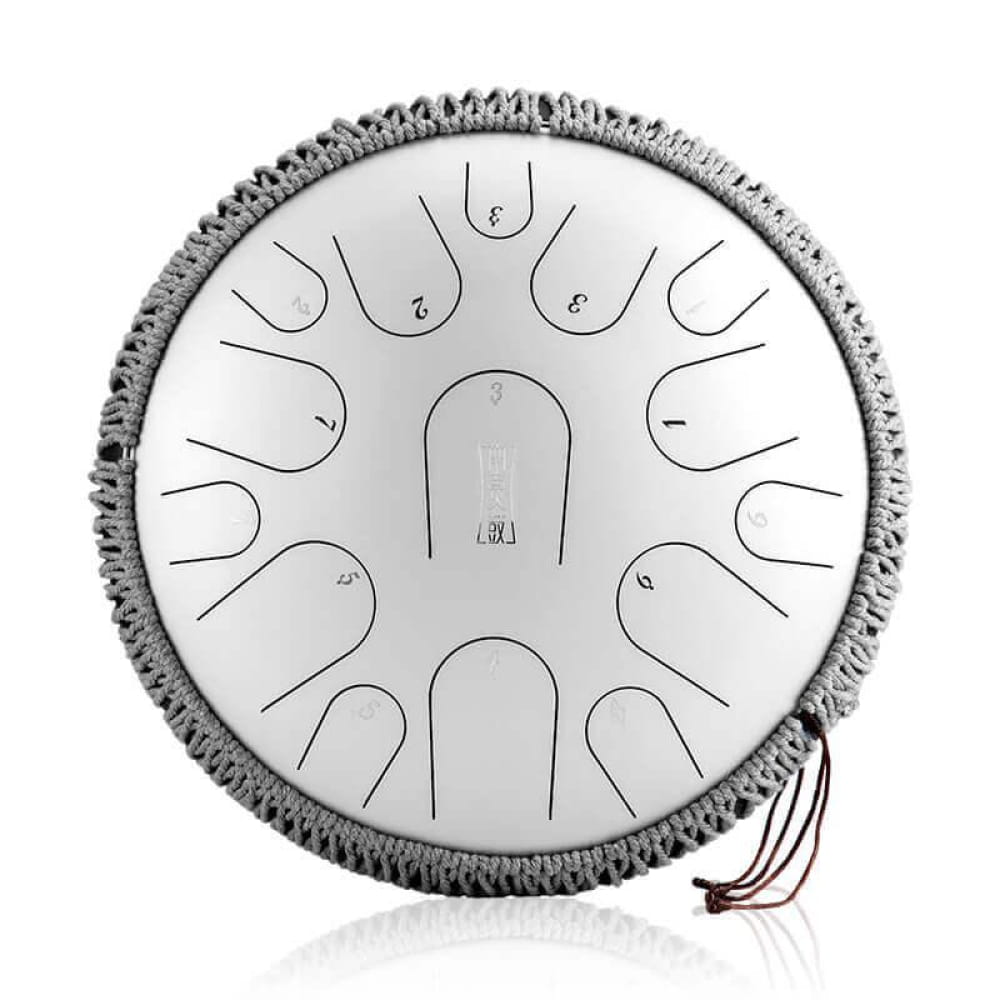
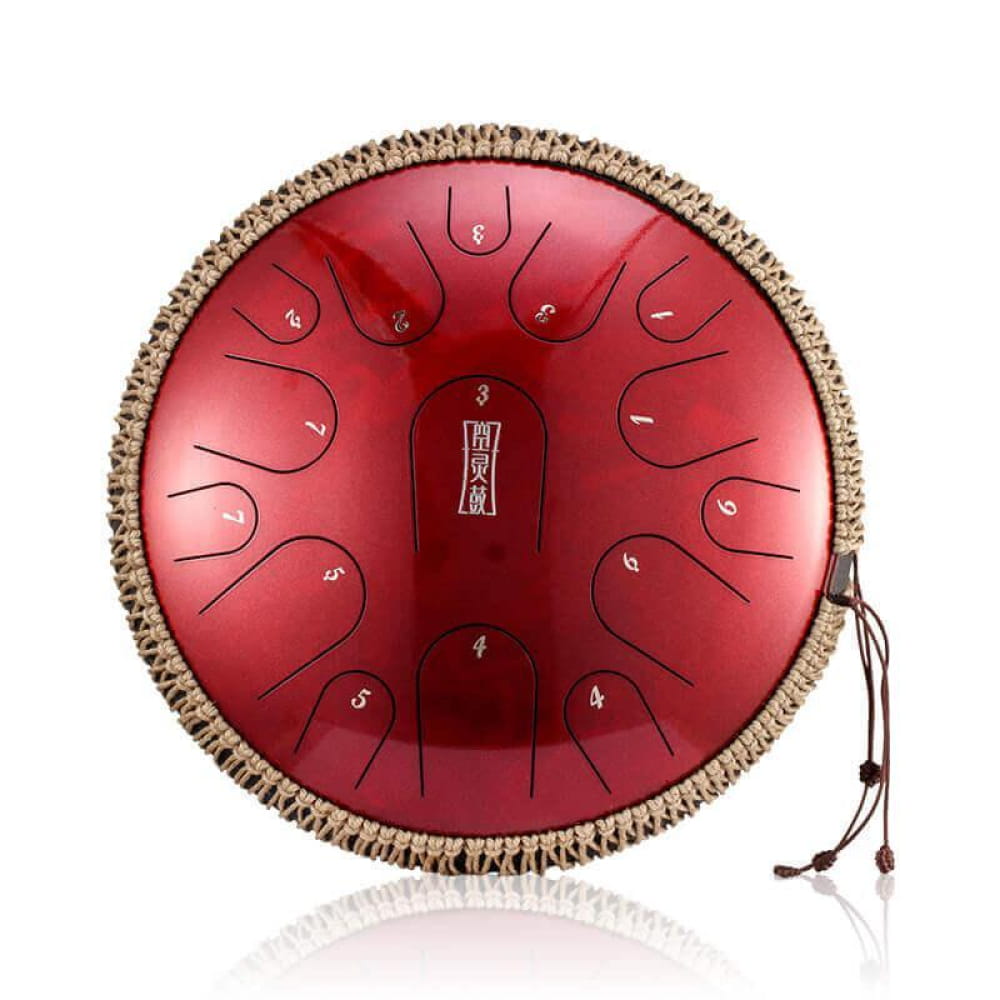
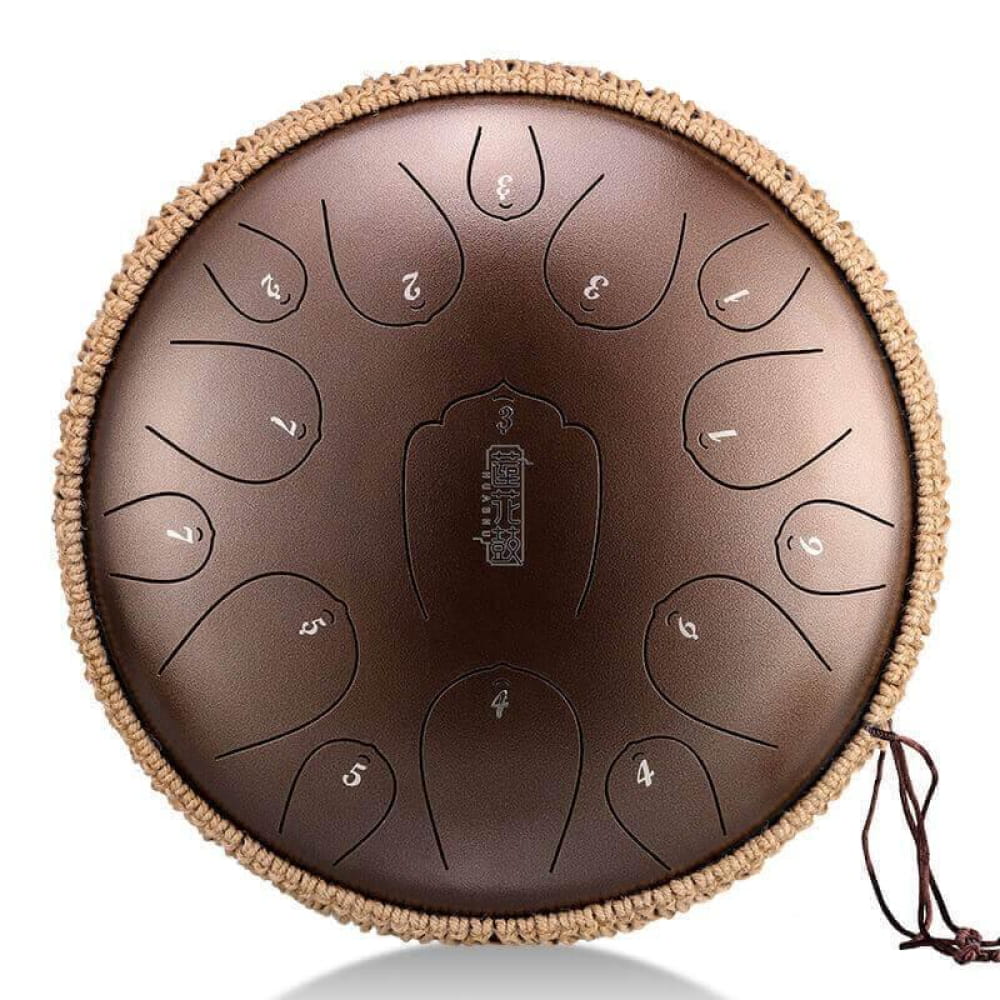
Mid-range 15-note drum with rich resonance. Titanium steel construction offers premium sound quality at $189.99 for committed beginners. Learn more ➔

Premium beginner option with 15 notes in C key. Larger size produces fuller sound at $289.99 for those ready to invest in quality. Learn more ➔
Quality Indicators Every Beginner Should Check
When evaluating potential purchases, several quality markers separate genuine instruments from disappointing imitations:
- Tuning Stability: Premium drums maintain pitch consistency across temperature changes. Ask about alloy composition and manufacturing tolerances.
- Surface Finish: Superior instruments feature protective coatings resisting fingerprints and oxidation without dampening vibration.
- Tongue Precision: Examine tongue cuts—the edges should be clean, uniform, and free from burrs that create unwanted buzzing.
- Acoustic Sustain: Strike a tongue and time how long the note resonates. Quality drums sustain 8-15 seconds depending on size.
- Harmonic Clarity: Each note should produce a fundamental tone with clear overtones, not muddied or indistinct pitches.
Making Your Final Decision
Choosing your best tongue drum for beginners involves balancing budget, portability needs, scale preferences, and quality expectations. Start by defining your primary use—occasional relaxation, serious sound healing practice, or musical composition. This clarity immediately narrows appropriate price ranges and sizes.
Consider beginning with an accessible entry-level model if uncertainty exists about long-term commitment. The satisfaction derived from that first authentic tongue drum experience often naturally leads to upgrading. Alternatively, investing in a mid-range or premium instrument from the start eliminates the upgrade cycle entirely.
Whatever path you choose, remember that the instrument serves as your partner in creating moments of peace, creativity, and connection. Selecting one that resonates with both your practical needs and intuitive sense of rightness transforms a mere purchase into the beginning of a meaningful journey.
Frequently Asked Questions about Steel Tongue Drums for Beginners
The best steel tongue drum for beginners balances affordability with quality. Look for drums in the $80-$200 range with 11-15 notes in C Major or D Major scales. The 6" Carbon Steel Tongue Drum with 11 notes offers an excellent starting point, while larger 13-14" models provide richer resonance for those ready to invest more.
Beginners should expect to spend between $80-$300 for a quality steel tongue drum. Entry-level 6-8" models cost $60-$120, mid-range 10-13" drums run $150-$250, and premium 14"+ instruments range from $280-$400+. Your budget should reflect your commitment level and intended use frequency.
C Major is the most beginner-friendly scale due to its intuitive structure with no sharps or flats. It produces bright, uplifting tones ideal for general enjoyment. D Major offers a slightly more meditative, introspective quality. Both scales ensure any notes you play harmonize beautifully together.
Steel tongue drums are among the easiest instruments to learn. Their pentatonic tuning ensures all note combinations sound harmonious. Most beginners create beautiful music within their first hour of playing. With no complex fingerings or music theory required, you simply strike the tongues and enjoy the resonant tones.
Beginners typically do best with 10-13 inch tongue drums. This "sweet spot" offers rich, sustained resonance for sound healing while remaining portable. Smaller 6-8" models work well for travel or testing interest, while 14"+ drums provide professional-grade sound for committed practitioners willing to sacrifice some portability.