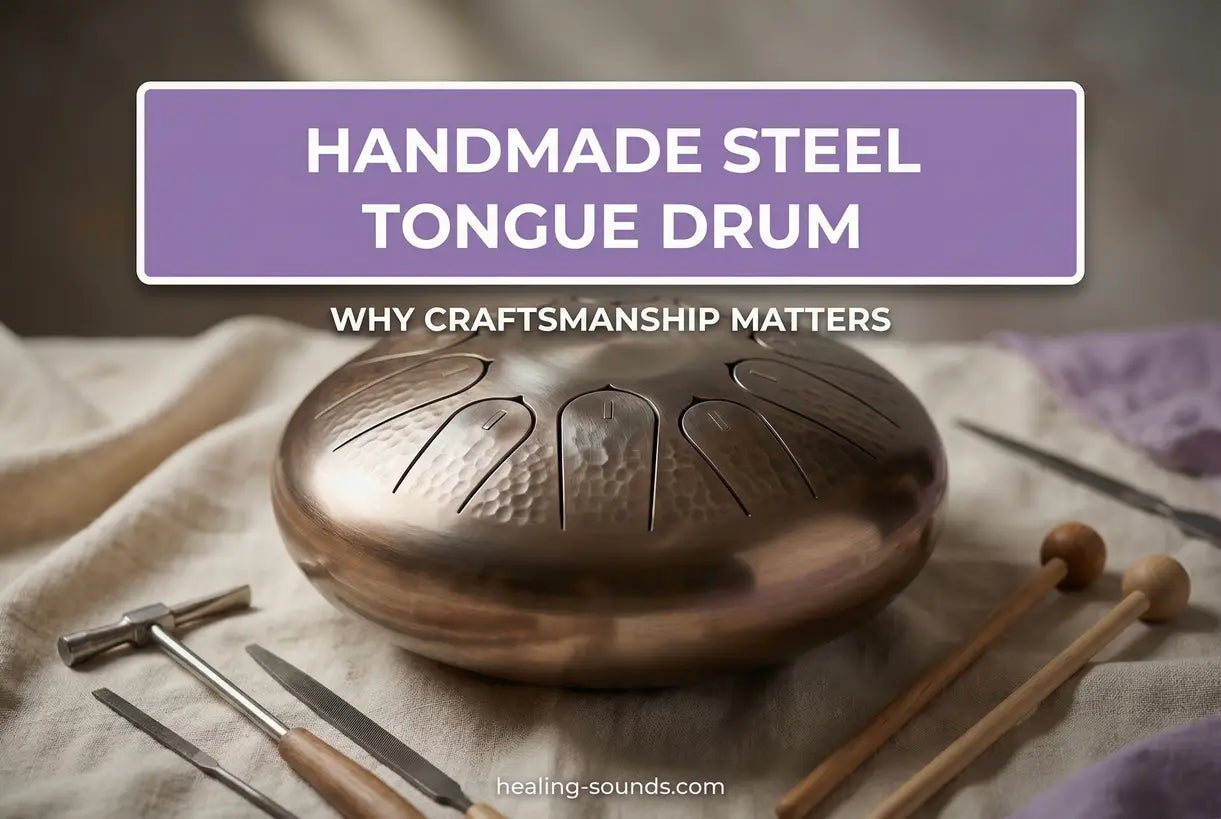
When you first hear the haunting, ethereal tones of a handmade steel tongue drum, something shifts within you. The resonance feels deeper, the harmonics richer, the experience more profound than anything you've encountered from mass-produced instruments. But what exactly creates this difference? Why does craftsmanship matter so profoundly in these mesmerizing sound healing instruments?
For discerning musicians, wellness practitioners, and spiritual seekers, understanding the artistry behind a handmade steel tongue drum isn't just academic curiosity—it's essential knowledge that directly impacts the quality of your practice, meditation, or musical expression. This guide reveals why artisan craftsmanship transforms a simple steel vessel into a gateway for transcendental sound experiences.
The Artisan Difference: Factory-Made vs. Handmade Steel Tongue Drums
Mass-produced drums may look similar to the untrained eye, but the disparity in sound quality, durability, and energetic resonance is profound. A factory-made steel tongue drum emerges from automated presses and laser cutters, prioritizing speed and cost over acoustic perfection. These instruments often suffer from inconsistent tuning, thinner materials that dampen sustain, and a mechanical quality that lacks soul.
Contrast this with a true artisan tongue drum, where a master craftsperson shapes each instrument through hours of meticulous handwork. Every hammer strike, every carefully tuned tongue, every polished surface reflects human intention and acoustic expertise. The result? An instrument that responds to your touch with sensitivity and delivers harmonics that machine-made alternatives simply cannot achieve.

Precision Tuning: The Hallmark of Handcrafted Excellence
Perhaps nowhere is the difference more audible than in tuning precision. A handmade drum undergoes extensive manual tuning, with the artisan listening intently to each note, making micro-adjustments until every frequency rings true. This handcrafted steel drum process ensures perfect intervals and harmonious relationships between notes—critical for the soothing, coherent soundscapes these instruments are prized for.
Mass production relies on templates that cannot account for material variations. Each sheet of steel responds differently to shaping forces, and only an experienced craftsperson can adjust technique in real-time to achieve optimal results. This is why premium steel tongue drum enthusiasts consistently report that handmade instruments maintain their tuning longer and resist de-tuning from temperature changes or travel.
The Crafting Process: From Raw Steel to Sonic Masterpiece
Understanding how a handmade steel tongue drum comes to life illuminates why these instruments command respect and investment. While each artisan develops their signature approach, the fundamental process remains consistent in its demand for skill, patience, and acoustic knowledge.
The journey begins with selecting the appropriate steel grade—a decision that fundamentally determines tonal character. The artisan then carefully marks and cuts the tongue patterns, knowing that millimeter variations alter pitch and timbre. Heat treatment follows, with precise temperature control transforming the metal's crystalline structure for optimal resonance.

The tuning phase represents the true artistry. Using specialized hammers and tuning forks, the craftsperson strikes, listens, adjusts, and repeats—sometimes for hours per note. This intimate dialogue between artisan and material creates the complex overtone series that gives handmade drums their signature crystalline, bell-like quality. Surface finishing, protective coating application, and final quality testing complete the transformation.
Steel Types and Materials: The Foundation of Quality
The choice of material profoundly impacts a handmade drum's voice, durability, and price. Discerning buyers should understand what different tongue drum designs and steel varieties offer.
Carbon steel remains the most common choice for serious practitioners, offering excellent resonance, rich overtones, and remarkable responsiveness. Stainless steel tongue drum options provide superior corrosion resistance—ideal for outdoor use or humid climates—though they typically produce brighter, more focused tones with shorter sustain. Alloy steel tongue drum varieties combine different metals to achieve unique sonic signatures, from warm and earthy to bright and crystalline.
The thickness and grade of steel also matter significantly. Thicker materials (typically 1.5mm to 2mm) produce deeper fundamental tones and greater sustain but require more force to activate. Thinner sheets respond to lighter touch but may sacrifice low-end presence. Master craftspeople select materials based on the intended scale, note count, and desired voice of each custom tongue drum.

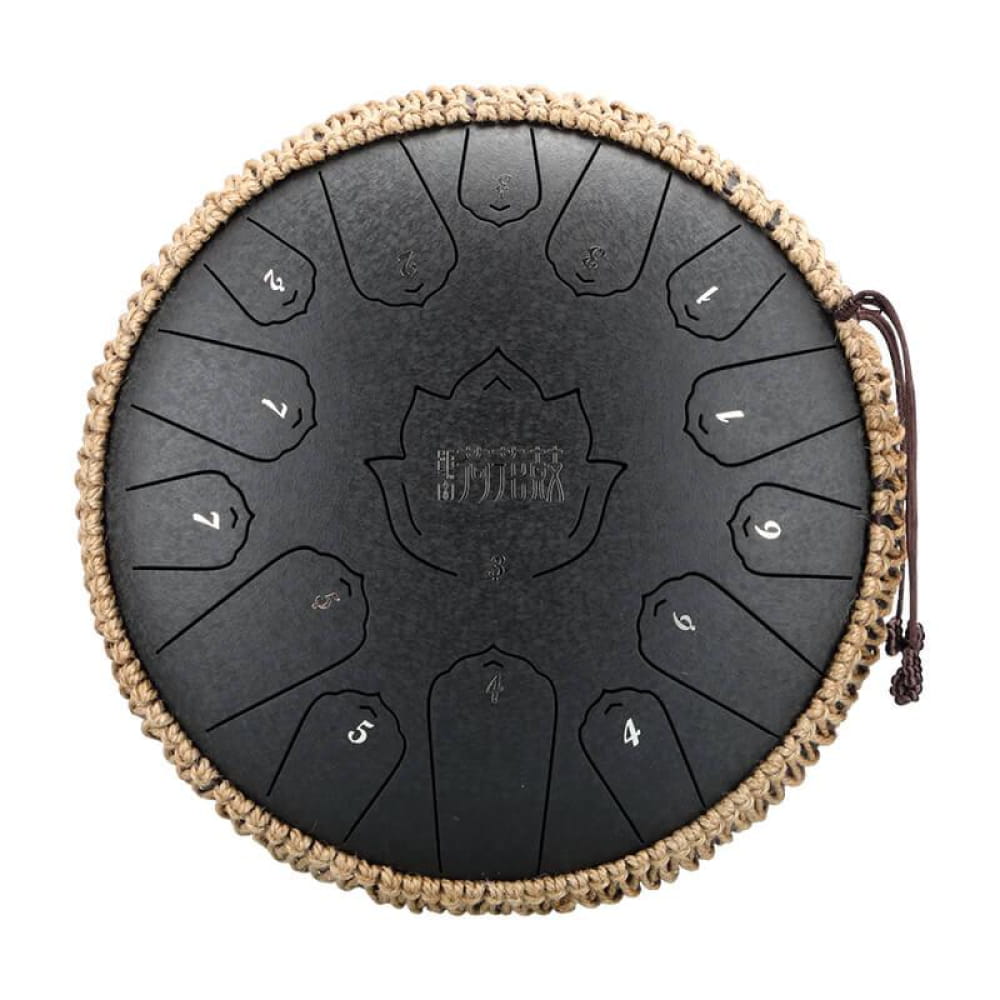
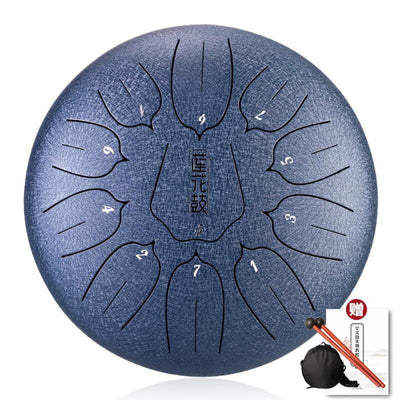
Tambour à langue en acier au carbone de 14 pouces, 15 notes en clé C
$289.99 $349.99
Experience rich resonance with this meticulously crafted carbon steel tongue drum. Fifteen precision-tuned notes deliver exceptional sound quality for serious practitioners.
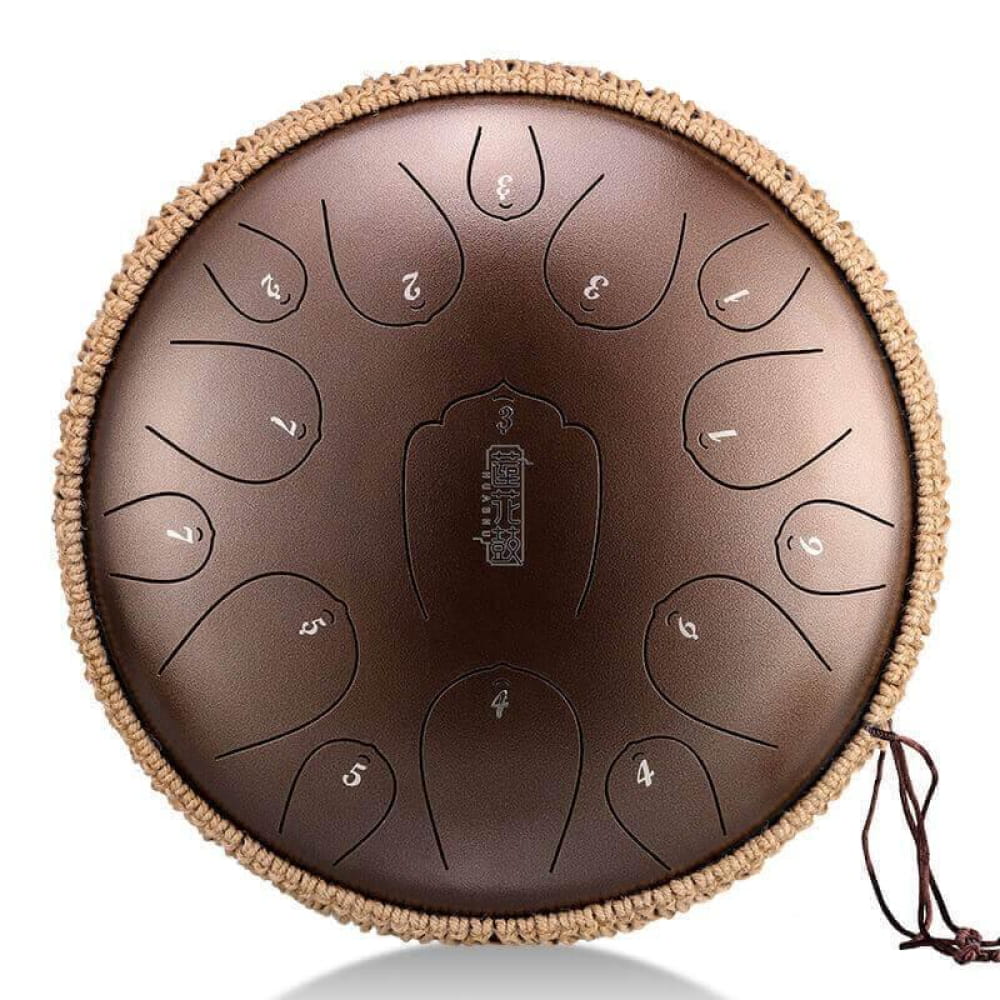
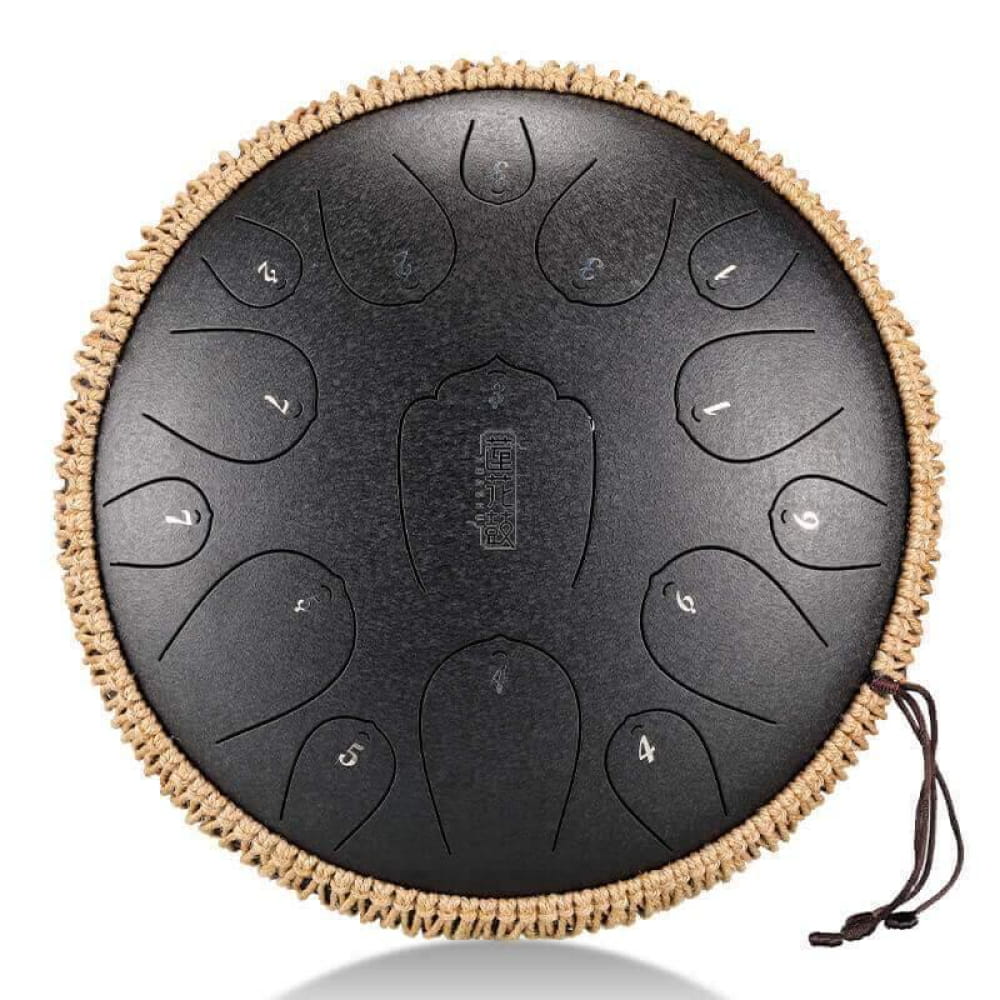
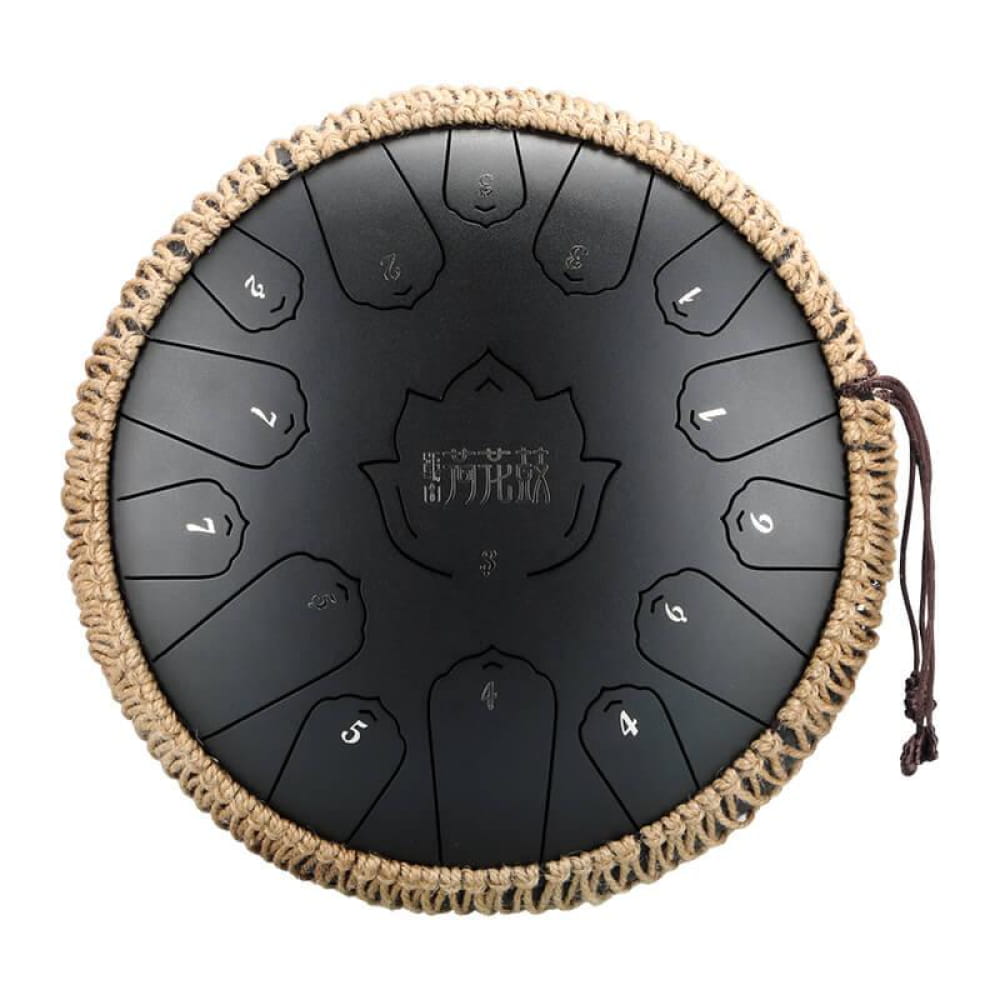
Explore ProductFor those seeking the ultimate in resonance and tonal richness, the 13 Inch Carbon Steel Tongue Drum, 15 Notes in C Key represents the pinnacle of handmade craftsmanship. Its meticulously selected carbon steel and fifteen precision-tuned notes deliver the exceptional sound quality that serious practitioners demand.

The Investment Question: Why Handmade Commands Premium Pricing
Quality craftsmanship requires time, expertise, and premium materials. A genuine handmade tongue drum typically requires 15-40 hours of focused labor, compared to minutes for factory alternatives. This investment of human energy translates directly into instrument quality and longevity.
Consider what you're truly purchasing: not merely a metal object, but decades of accumulated artisan knowledge, countless hours of careful handwork, and an instrument that will serve you faithfully for a lifetime. When viewed through this lens, the higher initial cost of a handcrafted steel drum becomes remarkably reasonable—especially compared to repeatedly replacing inferior instruments that de-tune, rust, or simply fail to inspire.

Longevity and Durability: The Hidden Value
A well-crafted artisan crafted drum becomes an heirloom instrument, often outlasting its original owner. The attention to detail in hand-finishing, proper heat treatment, and quality protective coatings means these drums resist corrosion, maintain tuning stability across temperature variations, and withstand the rigors of regular use.
Factory drums, by contrast, may arrive playable but often degrade rapidly. Inferior coatings peel, cheap steel develops micro-fractures, and imprecise tuning becomes increasingly apparent as the instrument settles. For anyone serious about their sound healing practice or musical journey, this durability differential makes handmade instruments the economically sound choice over time.
Handmade Options for Every Journey

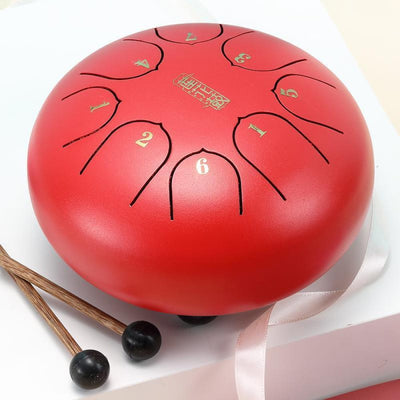
Discover artisan quality at an accessible price. This compact handmade carbon steel drum offers beautiful tone and portability for beginners and travelers. Learn more ➔

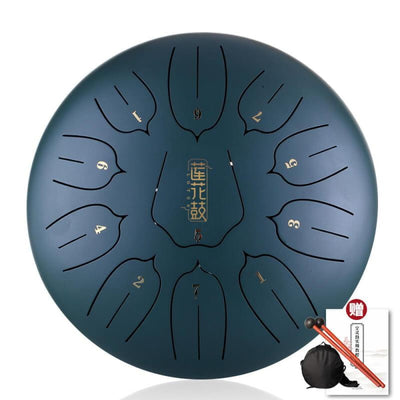
Tambour à langue en acier de 14 pouces et 15 notes en do majeur
$299.99
$399.99
Elevate your sound healing practice with this premium 14-inch masterpiece. Expert craftsmanship ensures lasting durability and pristine tonal clarity. Learn more ➔
Choosing Your Handmade Steel Tongue Drum
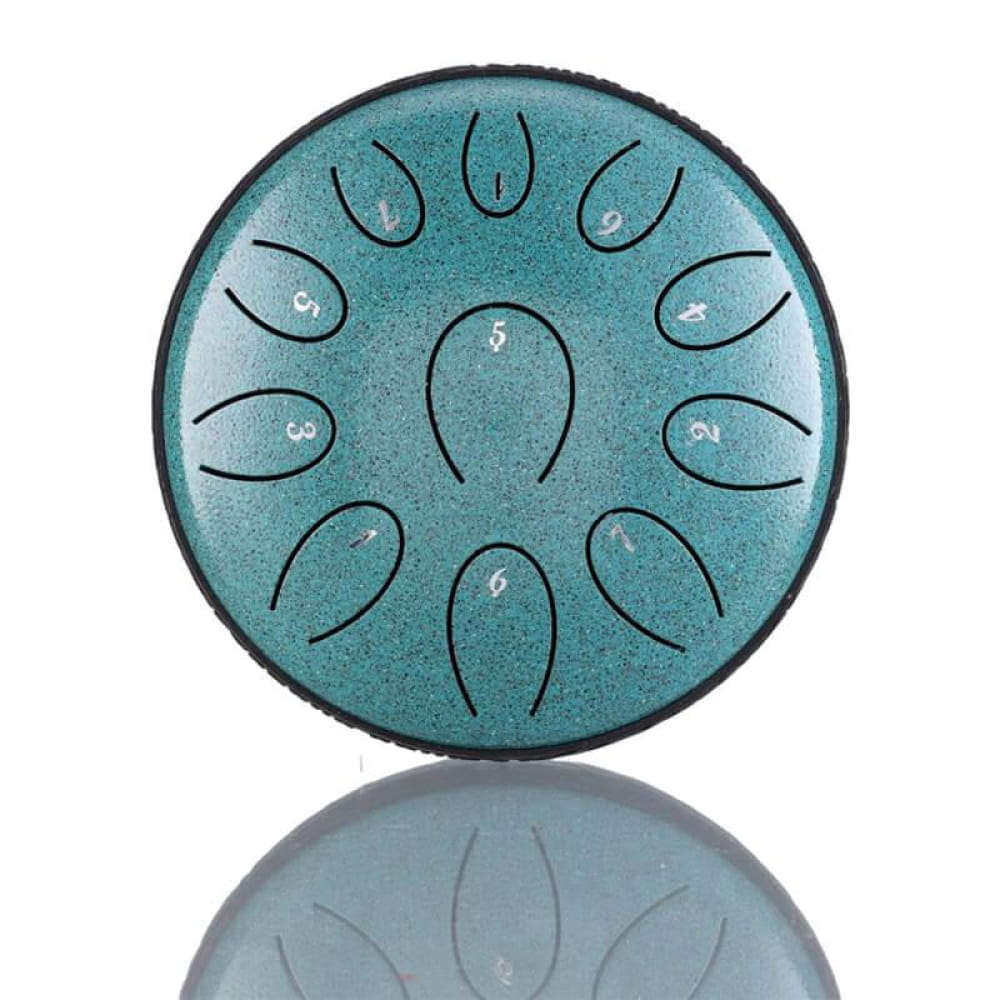
When selecting your instrument, consider your primary use case, environment, and sonic preferences. Beginners and travelers might appreciate the portability of compact options like the 6" Carbon Steel Tongue Drum, 11 Notes in C/D Major, which delivers beautiful artisan tone in a travel-friendly size.
For dedicated practitioners seeking the fullest expression of handcrafted excellence, larger instruments such as the 14-Inch 15-Note C Major Steel Tongue Drum offer expanded note ranges and deeper resonance that elevate any sound healing or musical practice.
Key Quality Indicators to Evaluate
Whether examining instruments in person or purchasing online, look for these markers of genuine craftsmanship:
- Consistent finish quality—smooth surfaces, even coating application, and clean edge work indicate attention to detail
- Stable tuning—notes should ring clearly without wobbling or beating artifacts
- Harmonic overtones—quality handmade drums produce rich, musical overtones that complement the fundamental pitch
- Sustained resonance—notes should decay gradually and musically, not cut off abruptly
- Ergonomic design—thoughtfully placed notes and comfortable proportions show artisan consideration for playability
Reputable makers stand behind their work with clear warranty policies and responsive customer support—further evidence of their commitment to quality.
Conclusion: The Resonance of Authentic Craftsmanship
The difference between a factory-produced drum and a handmade steel tongue drum extends far beyond aesthetics or price point. It represents a fundamentally different relationship between player and instrument—one built on human intention, acoustic expertise, and the irreplaceable quality of artisan attention.
For those who understand that the tools of sound healing and musical expression deserve the same care and intention we bring to our practice, handmade instruments offer something machines cannot replicate: soul. The hours of careful labor, the nuanced acoustic decisions, the commitment to excellence—these qualities infuse each note with resonance that touches listeners at a profound level.
At Healing Sounds, we curate only the finest handmade instruments from master craftspeople who share our commitment to transformative sound experiences. Whether you're beginning your journey with a compact artisan drum or investing in a professional-grade masterpiece, our collection represents the pinnacle of steel tongue drum craftsmanship.
Ready to experience the difference? Explore our complete collection of handmade steel tongue drums and discover the instrument that will become your companion in sound, meditation, and creative expression.
Frequently Asked Questions about Handmade Steel Tongue Drums
Handmade steel tongue drums differ from factory-made alternatives in several crucial ways. Artisan instruments undergo extensive manual tuning by experienced craftspeople, resulting in superior pitch accuracy, richer harmonic overtones, and more sustained resonance. The handcrafting process allows for real-time adjustments based on how each individual piece of steel responds to shaping. Additionally, handmade drums typically use higher-grade materials and feature more durable protective finishes. Most importantly, the human attention invested in each instrument creates a responsiveness and "soul" that machine production cannot replicate.
The handmade process begins with selecting appropriate steel grade and thickness based on desired tonal characteristics. The artisan marks and cuts tongue patterns, then applies precise heat treatment to optimize the metal's crystalline structure for resonance. The critical tuning phase involves striking each tongue with specialized hammers while listening intently, making micro-adjustments until every note achieves perfect pitch and harmonious relationships with other notes. Surface finishing, protective coating application, and comprehensive quality testing complete the process. Each drum typically requires 15-40 hours of focused handwork.
For serious practitioners, handmade steel tongue drums represent excellent long-term value. While the initial cost is higher than mass-produced alternatives, handmade instruments offer superior sound quality, exceptional tuning stability, and remarkable durability that can last decades with proper care. The rich harmonics and responsive touch of artisan drums enhance meditation, sound healing, and musical practice in ways factory instruments cannot match. When considering cost per year of use and the transformative quality of the sound experience, handmade drums often prove more economical than repeatedly replacing inferior instruments.
Artisans typically work with three main steel types. Carbon steel offers excellent resonance, rich overtones, and responsive touch, making it the most popular choice for serious instruments. Stainless steel provides superior corrosion resistance and brighter, more focused tones—ideal for outdoor use or humid environments. Alloy steel varieties blend different metals to achieve unique sonic signatures ranging from warm and earthy to crystalline and bright. Steel thickness (typically 1.5mm to 2mm) also significantly impacts tonal depth and sustain.
A quality handmade steel tongue drum typically requires between 15 to 40 hours of focused labor, depending on complexity, note count, and the artisan's specific process. The most time-intensive phase is manual tuning, where the craftsperson must repeatedly strike, listen, and adjust each tongue until achieving perfect pitch and harmonic relationships. This careful, iterative process cannot be rushed—attempting to accelerate production inevitably compromises sound quality. This significant time investment explains why authentic handmade drums command premium pricing compared to mass-produced alternatives that can be manufactured in minutes.